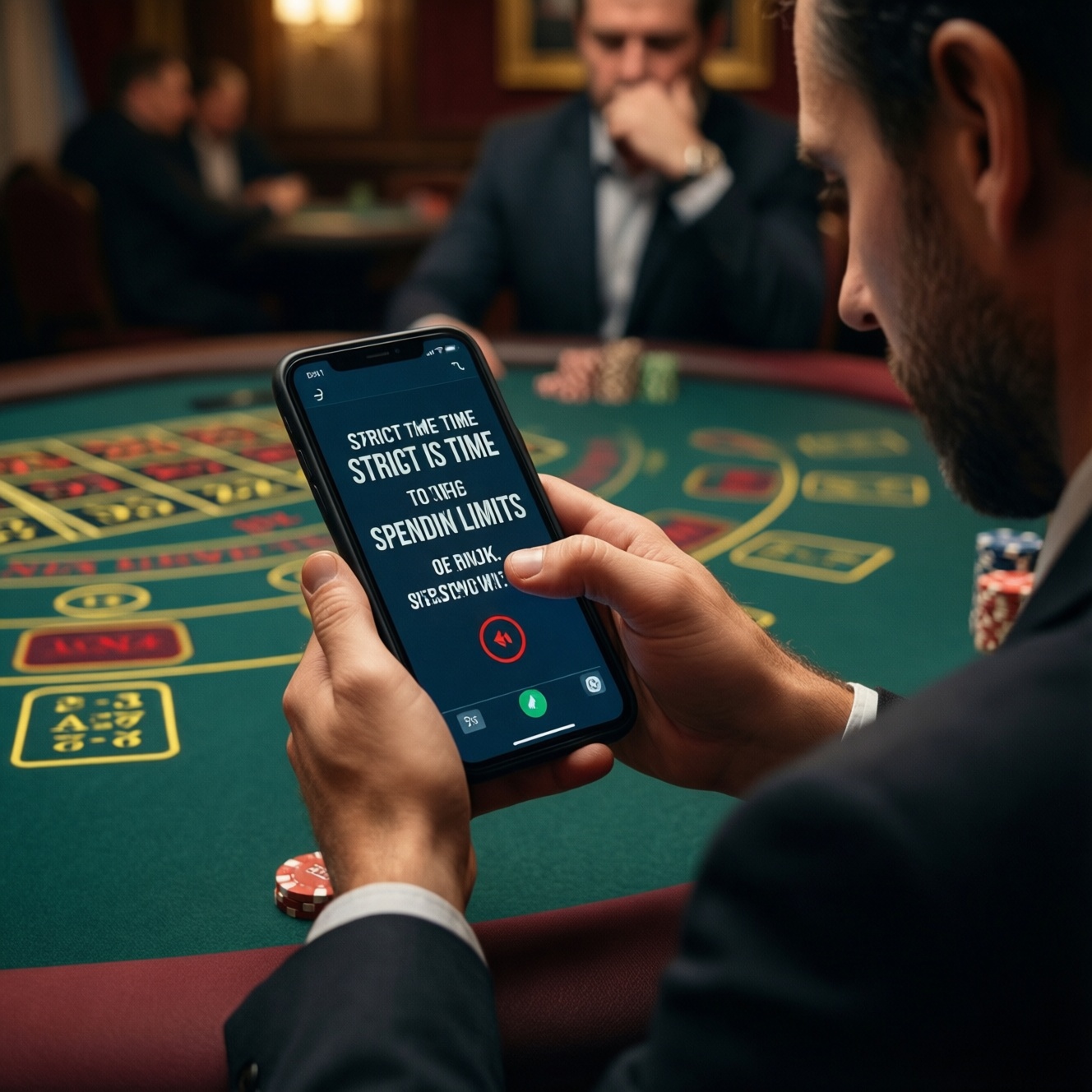
When betting starts to feel like in-game grinding, the safest move is to replace "one more try" loops with hard limits you set before you play: time caps, deposit caps, and loss caps that you cannot raise mid-session. Use responsible gambling tools on licensed platforms in Thailand, and add friction (cool-downs, accountability) so impulses don't control spending.
Core principles for safe betting when play feels like a grind
- Pre-commit: decide limits before opening an app, not after a streak starts.
- Separate "money for play" from living costs with a dedicated wallet/account.
- Cap time and money together; either limit alone is easier to bypass.
- Increase friction: fewer logins, fewer payment methods, longer cool-downs.
- Track outcomes per session, not by "getting back to even."
- Escalation is a signal to pause, not a reason to optimize strategy.
How to spot betting that mirrors in-game grinding
This approach fits gamers who recognize grind patterns-repeat attempts, chasing small "drops," and optimizing for volume-showing up in betting sessions. Use it if you notice you're logging in "just to do a quick run" and hours disappear, or you keep topping up like microtransactions.
Do not rely on self-set limits alone if you can't stop after repeated breaks, you're hiding activity, or betting impacts bills, work, or relationships. In that case, jump straight to stronger controls like self exclusion online gambling and outside support.
- Grind signals: "one more bet," autopilot scrolling, multitasking, and playing while tired.
- Loot-loop signals: you keep betting for the feeling of a win animation, not the value.
- Difficulty-spike signals: bet size rises after losses "to speed up the recovery."
Setting time caps and session structures that prevent escalation

You'll need a few basics to make limits stick, especially if you want to set betting limits online rather than relying on willpower.
- A written limit plan (note on phone) with your max time, max deposit, and max loss per session.
- Access to account settings on your betting site/app to enable responsible gambling tools (limits, cool-downs, reality checks).
- A timer you respect (phone alarm, smartwatch) set before the session starts.
- One payment method only (remove saved cards; avoid instant top-ups).
- A "stop activity" ready for after the cap (shower, walk, food, or a non-monetized game mode).
- Optional: an accountability contact who can receive a screenshot of your session summary.
Session structure to use immediately:
- Single-session rule: one session per day, with a fixed start and end time.
- Hard time cap: set 30-60 minutes; when the alarm rings, you exit the app.
- One break only: a single 5-10 minute break; no "resetting" the timer with repeated breaks.
- No late-night sessions: avoid playing when tired; fatigue increases grind behavior.
Money-management templates tailored to gamers' earnings and habits
Risks and limitations to acknowledge before you set money limits:
- Limits reduce harm; they do not guarantee profit or "control the outcome."
- If you can raise limits instantly, they function like a "difficulty slider" you'll push when tilted.
- Chasing losses turns budgeting into a grind loop; your plan must forbid recovery missions.
- Multiple wallets/accounts make limits meaningless; consolidation is part of safety.
-
Pick a safety budget source (never rent/food)
Choose one funding source that is explicitly non-essential (e.g., a fixed entertainment allowance). If you can't name a safe source, the correct limit is zero until your finances stabilize.
- Rule: never borrow, never use credit, never use "future salary."
-
Set three caps: deposit, loss, and bet size
Define gambling deposit limits (max you can add) and online casino loss limits (max you can lose) for the session. Add a separate max bet size so a single impulse can't wipe the session.
- Practical template: "Deposit cap = what I can lose today; Loss cap = same number; Max bet size = small enough that 10 losses doesn't break the session."
- Write it as a single line you can screenshot.
-
Create two wallets: play wallet and life wallet
Use a separate bank account/e-wallet for betting. Transfer only the session deposit amount once; after that, topping up is not allowed until the next planned session.
- Remove saved cards from the betting app to prevent mid-session "just one more top-up."
-
Lock limits where possible (do not rely on memory)
Use platform settings to set betting limits online and choose the strictest change rules available (cool-down period to increase limits). If a platform lets you raise limits instantly, treat that as a risk factor and add external friction.
- Friction options: uninstall after each session, block the site/app during off-hours, or ask a trusted person to hold your payment card.
-
Run a "two-session audit" before you adjust anything
After two sessions, check: did you exceed time, add deposits, or increase bet size under stress? Only adjust limits downward if there were slips; never adjust upward because you "felt fine" once.
- Simple log fields: start time, end time, deposit, net result, mood (calm/tilted/tired).
Behavioral interventions: cool-downs, trigger avoidance, and accountability partners
Use this checklist after every session to verify your controls worked. If you fail any item twice in a week, strengthen limits (lower caps, add longer cool-downs, or step up to exclusion).
- I stopped at the alarm/time cap without extending "just to finish the run."
- I did not add money after the first deposit (no re-deposits/top-ups).
- I stayed under my loss cap even after a losing streak.
- I did not increase stake size to "speed up" recovery.
- I avoided my known triggers (late night, alcohol, anger, boredom, social pressure).
- I did a 10-15 minute cool-down activity immediately after stopping.
- I can describe my session in one sentence without hiding details.
- If I had an accountability partner, I sent the agreed summary (screenshot or message).
Accountability script (copy/paste): "I played from __ to __. Deposit cap was __. Loss cap was __. I ended at __. I stopped because the timer/loss cap hit."
Using platform tools, self-exclusion, and legal protections effectively

- Setting only a deposit limit and skipping a loss limit: you can still churn funds and escalate bet size; use both gambling deposit limits and online casino loss limits when available.
- Choosing limits you can change instantly: increase requests should have a delay; if not, treat the tool as weak and add external blocks.
- Relying on "reality checks" alone: reminders help awareness but don't stop tilt; pair them with hard caps.
- Keeping multiple payment methods saved: this reduces friction and makes "one more top-up" too easy.
- Using promotions as a reason to extend sessions: bonuses can mimic quest objectives; don't let them override time caps.
- Confusing a cool-down with exclusion: cool-down is temporary; self exclusion online gambling is for when you repeatedly break limits or feel unsafe.
- Self-excluding on one platform but continuing elsewhere: consolidate your prevention plan (blocks, uninstall, and avoid new sign-ups).
- Not documenting your settings: take screenshots of your limits/exclusion confirmation so future-you can't rationalize changes.
If limits break down: immediate steps and rebuilding a safer routine
If you crossed your caps or felt out of control, treat it like a safety incident: stop sessions for now, reduce access, and rebuild with stronger guardrails.
- Switch to a forced break (cool-down or suspension) when you need an immediate pause but aren't ready for long-term exclusion. Use it after any session where you re-deposited or chased losses.
- Use self-exclusion and keep it simple when you've broken limits repeatedly, hidden spending, or can't stop once you start. Self exclusion online gambling is a protective measure, not a punishment.
- Replace betting with non-monetized gaming loops when you mainly crave progression: play modes without spending (no skins/loot boxes, no in-app purchases) and set the same time cap to prevent all-night "grinds."
- Get human support early when betting affects sleep, mood, or finances. A trusted person plus professional support can add structure that apps can't provide.
Practical answers to common dilemmas about controlling bets
What if I keep saying I'll stop after one win?
Make the stop condition time- or loss-based, not outcome-based. Wins are variable; a timer and a loss cap are predictable.
Should I set a deposit limit or a loss limit first?
Set both if possible: gambling deposit limits prevent top-ups, and online casino loss limits stop "recovery missions." If you must choose one today, start with a loss limit plus removing saved payment methods.
Can I safely set betting limits online and still enjoy the session?
Yes, if limits are low enough that a full loss doesn't trigger chasing and high enough that you don't feel forced to "make it count." The key is a limit you can accept losing without bargaining.
How do I know it's time for self-exclusion?
If you repeatedly break limits, hide activity, or feel compelled to continue despite negative consequences, self exclusion online gambling is appropriate. Treat it as a reset to regain stability.
Promotions and quests make me want to keep playing-what do I do?
Pre-decide that bonuses never extend your time cap. If promos consistently override your plan, disable marketing notifications and avoid promotion-heavy sessions.
What are the most effective responsible gambling tools to turn on first?
Prioritize hard caps (deposit and loss), then cool-downs, then reality checks. Tools that you can't easily reverse mid-session are the most protective.
I'm a gamer-why does betting feel like grinding?
Both systems can reward repetition and variable outcomes, which reinforces "just one more try." Your fix is to cap attempts (time) and resources (money) the way you'd manage stamina/energy in a game.