Lootboxes, gacha, and skin crates are paid random-reward systems that can feel like gambling because you spend first and learn the outcome later. If your goal is the "best" option, the practical answer is: prefer transparent, fixed-value purchases (direct skins, passes) and treat random boxes as entertainment with a strict loss limit.
Value & Risk Snapshot for Rapid Decisions
- Best value control: fixed-price items (direct skin purchase) and passes; outcomes are known before you pay.
- Highest gambling-like risk: lootboxes and gacha banners with variable rarity and limited-time pressure.
- Most common regret driver: chasing a specific rare result after "near misses" and sunk cost.
- Quick safety rule: cap random spending at 1-2% of your monthly discretionary budget or a hard 24-hour cooling-off stop.
- Decision shortcut: if odds, pity, or total cost-to-target are unclear, treat it as high-risk and avoid.
How Lootboxes, Gacha, and Skin Crates Operate: mechanics and flows
To compare options, use these criteria (they work whether you're asking "ลูทบ็อกซ์ คืออะไร" or "กาชา คืออะไร"):
- Outcome transparency: do you know exactly what you'll receive before paying?
- Probability disclosure: are drop rates published, readable, and item-specific (not just "rare/epic")?
- Pity/guarantee rules: is there a clear ceiling to reach the target, and is it realistic for your budget?
- Currency complexity: do you pay in real money, bundles, or layered tokens that blur cost tracking?
- Duplicates & conversion: what happens with repeats-useful upgrades, or low-value dust?
- Time pressure: limited banners, rotating crates, expiring discounts, "last chance" prompts.
- Tradability/cash-out: can items be traded/sold, and what fees/locks apply?
- Spending friction: one-click buys, stored cards, auto top-ups, or confirmation steps?
- Value alignment: cosmetic-only enjoyment vs gameplay advantage (pay-to-win risk).
Monetary Models: pricing, odds, and expected return

Because "expected return" depends on the game's odds and the specific prize pool, the safest comparison is about cost certainty and maximum loss. If you're searching "กล่องสุ่มสกิน ราคา", treat the listed price as only the entry fee; your real cost is what you spend until you stop.
| Вариант | Кому подходит | Плюсы | Минусы | Когда выбирать |
|---|---|---|---|---|
| Direct purchase (fixed-price skin/item) | Players who want one specific cosmetic and predictable spend | Full price clarity; no chasing; easiest to budget | Can feel expensive upfront; fewer "surprise" moments | When you can name the exact item you want and would be unhappy with substitutes |
| Battle pass / season track | Regular players who can complete missions consistently | High perceived value if completed; rewards are mostly known | Time commitment; FOMO; value drops if you don't finish | When you play enough to finish and you accept time as part of the cost |
| Lootbox (random box in a game) | Players paying for surprise and variety, not a single target | Fast excitement; occasional high-rare drops feel rewarding | Low cost control; duplicates; chasing behavior; can resemble gambling | Only when you pre-set a hard stop-loss and the outcome doesn't matter |
| Gacha banner (character/weapon pulls) | Collectors who understand pity/guarantee and can afford the ceiling | Pity systems can cap worst-case; clear banner focus | Limited-time pressure; currency bundles; "almost there" spending spiral | When the pity is transparent and you can afford the full guarantee without stress |
| Skin crate tied to a marketplace (tradable cosmetics) | Players who value trading and accept market volatility | Some items retain demand; you can buy specific skins on the market | Fees, scams, price swings; crates still random; hard to "cash out" cleanly | When you will mostly buy the exact skin directly from the market, not open crates |
| Free-only strategy (earn-only, no paid random) | Anyone sensitive to overspending or addiction risk | Zero financial risk; avoids regret cycles | Slower collection; may miss limited cosmetics | When you've ever exceeded your own limit or feel compelled to "just do one more" |
Practical budgeting thresholds (not "right" for everyone, but effective):
- Monthly cap: keep random-reward spending (lootbox/gacha/crates) at 0-2% of discretionary spending; fixed-price cosmetics can be separate if planned.
- Session cap: set a per-session loss limit (e.g., "one bundle only"), then stop even if you're close to a pity milestone.
- Time cap: if you feel urgency, enforce a 24-hour delay before buying more currency.
Psychology and Behavioral Triggers: why players spend
Use these "if...then..." rules to stay rational-especially when the internal question becomes "เติมเกม กาชา คุ้มไหม" right after a bad streak.
- If you only want one specific outcome, then avoid random pulls and buy direct (or buy from the marketplace) even if it feels less exciting.
- If you catch yourself thinking "I'm due" after many losses, then stop immediately; past outcomes don't make the next pull better.
- If a banner/crate is limited-time and you feel rushed, then wait 24 hours and re-check whether you still want it without the timer.
- If duplicates convert into low-value tokens, then treat each purchase as likely "mostly low value" and lower your cap (or don't buy).
- If your mood is driving spending (tilt after losing, stress spending, celebratory spending), then postpone purchases to the next day.
Regulation, Liability, and Industry Responses
If you're worried about "ลูทบ็อกซ์ การพนัน ผิดกฎหมายไหม", use this practical compliance-and-safety checklist before you spend (and especially before a child spends):
- Check whether the game publishes drop rates and whether they are item-specific and easy to find.
- Confirm whether there is a guarantee/pity and the exact rule (count, carry-over, resets, banner exclusions).
- Review account controls: purchase PIN, platform spending limits, and whether refunds are possible for accidental buys.
- Look for real-money tradability and assess scam risk (phishing, fake middlemen, off-platform trades).
- Document anything misleading: screenshots of odds, banner wording, pricing bundles, and transaction receipts.
- If you believe there's deception or unauthorized spending, escalate in order: in-game support → platform support (App Store/Google Play/console/Steam) → payment provider dispute if appropriate.
Practical Decision Tree: when to buy, avoid, or report
Common decision mistakes that push players from "trying it once" into gambling-like patterns:
- Buying currency bundles that are slightly larger than needed, leaving "leftover" pressure to top up again.
- Target chasing in lootboxes/gacha when you would not be happy with 90% of outcomes.
- Ignoring the ceiling: spending "a little" without calculating the total cost to reach pity/guarantee.
- Assuming rarity equals value when duplicates or unusable items dominate your inventory.
- Mixing entertainment and investment thinking in tradable skins (market fees and volatility change outcomes).
- Letting timers decide: buying because a banner ends, not because you planned it.
- Escalation after losses (tilt): doubling spend to "fix" the result.
- Not using platform controls: no PIN, no spending cap, stored card with one-tap purchases.
- Not tracking spend: you remember the big drop, forget the total cost.
Real-world Examples and Comparative Data
- If you can buy the exact cosmetic directly, choose direct purchase.
- Else if you play enough to complete a season track, choose a battle pass.
- Else if the system has transparent pity and you can afford the full guarantee today, choose gacha only with a hard cap.
- Else if you mainly want tradable skins, choose buying the specific item on the marketplace, not opening crates.
- Else (unclear odds, strong time pressure, or you feel compelled), choose free-only and consider reporting misleading design.
In practice, fixed-price items are usually best for players who want predictable value and minimal gambling-like risk; battle passes fit consistent players who can finish them; gacha can fit collectors only when pity and the full budget are clear; lootboxes and skin crates are best treated as paid entertainment where you're satisfied with random outcomes and can stop on schedule.
Common Practical Concerns and Short Answers
Is a lootbox always worse than gacha?
Not always; both are random-reward systems. Gacha often has pity/guarantee mechanics, but time pressure and currency bundles can increase overspending risk.
How do I evaluate "กล่องสุ่มสกิน ราคา" realistically?
Use "price to stop," not "price per box." Decide your maximum loss first, because the cost to get a specific skin can be far above the entry price.
เติมเกม กาชา คุ้มไหม if I'm close to pity?

It's only "worth it" if you can afford the full guarantee without stress and you'd still be okay if the result is not ideal. If you're spending because you feel trapped by progress, stop and wait 24 hours.
What's the fastest way to reduce regret after a bad streak?
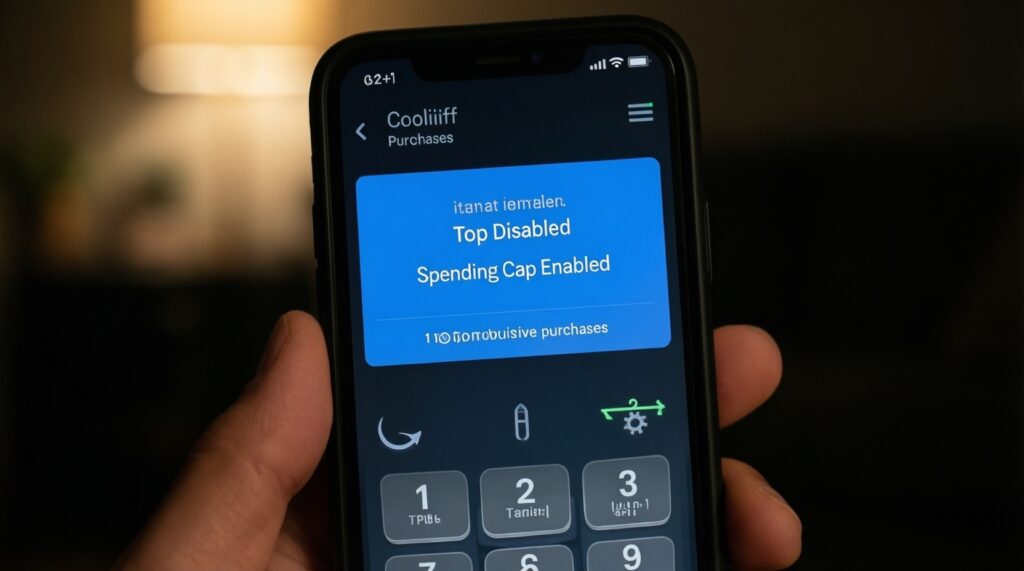
Turn off one-tap payments, set a platform spending cap, and enforce a cooling-off period. Regret spikes when you can instantly chase losses.
Are tradable skin crates safer because items have a market?
They're not automatically safer; markets add fees, scams, and volatility. If you want a specific skin, buying it directly on the market is usually less risky than opening crates.
ลูทบ็อกซ์ การพนัน ผิดกฎหมายไหม in Thailand?
Legal classification can be complex and depends on mechanics (cash-out, consideration, chance, prize) and enforcement. Treat it as high-risk if it resembles gambling, and rely on platform protections and local legal advice for definitive guidance.