

Match fixing distorts esports betting markets by creating price moves and results that don't reflect real competitive strength, trapping bettors who rely on normal form and statistics. You can't eliminate the risk, but you can reduce exposure by checking liquidity and lineup context, watching abnormal market behavior, avoiding fragile leagues, and using conservative staking on reputable markets.
Primary Risks and Warning Signals
- Sudden, hard line movement without clear news (roster, map pool, veto, injury/illness, travel).
- Low-tier or lightly regulated events with limited public scrutiny and thin liquidity.
- Unusual in-game decisions that contradict standard win conditions (forced fights, irrational economy, repeated solo throws).
- Markets where "insider" information spreads faster than official announcements (especially smaller regions).
- Overreliance on a single book's prices instead of a cross-book view of esports betting odds.
Mechanics of Match Fixing in Esports
Match fixing in esports usually exploits (1) low pay and unstable contracts, (2) weak oversight, and (3) easy coordination around specific in-game moments (dropping a map, losing pistol rounds, conceding first objective). It most affects bettors in niche leagues and proposition markets.
When it can be relevant to your decision-making: betting minor leagues, academy teams, online-only qualifiers, or obscure props with limited info.
When you should not try to "play detective": if you lack access to reliable news, can't compare multiple prices, or you feel pressured to chase losses. In those cases, the safest action is to skip the match.
Market Signals: Spotting Suspicious Betting Patterns
To improve your ability to understand market behavior and how to spot match fixing in esports betting, you need a small toolkit and disciplined data checks rather than rumors.
- Multi-book access: accounts on several reputable esports betting sites so you can compare pricing and limits.
- Line history view: a way to see opening vs current prices (many books show this; otherwise track manually).
- News inputs: official team socials, tournament admin channels, and trusted reporters (avoid anonymous "leaks").
- Match context notes: stakes (qualification scenarios), schedule density, ping/server region, stand-ins, and map pool.
- Market selection rules: predefined list of bet types you will and won't touch (especially for props).
Who Is Vulnerable: Players, Teams, and Support Staff
Risks and limitations (read before acting):
- You will rarely be able to prove fixing; treat this as risk management, not investigation.
- Legitimate news (stand-ins, motivation, meta shifts) can look like manipulation-avoid overconfidence.
- Thin markets amplify normal betting pressure; small wagers can move lines and create false alarms.
- Public accusations can be harmful and may violate platform rules; keep decisions private and evidence-based.
-
Classify the match's integrity risk level.
Tag the event as low/medium/high risk based on league tier, oversight, prize importance, and whether it's online. High-risk tags mean you either reduce stake sharply or skip.
- High risk examples: small online qualifiers, unclear rule enforcement, frequent roster instability.
- Lower risk examples: top-tier LANs with strong organizers and consistent team structures.
-
Check whether price movement has a legitimate trigger.
Before reacting to steam, look for concrete explanations: stand-ins, role swaps, visa issues, confirmed illness, or map/veto advantages. If you can't find a credible trigger, treat the move as a danger sign, not an opportunity.
-
Compare prices across books and market types.
Look for disagreement: if one book moves aggressively while others lag or limit stakes, you may be seeing sharp action, slow updates, or risk controls-not necessarily fixing. Cross-check moneyline vs map handicap vs totals for consistency.
-
Reduce exposure to fragile markets.
Avoid or downsize props that are easy to manipulate (first blood/first objective/specific round outcomes) in low-oversight leagues. Prefer broader outcomes where manipulation requires larger coordinated effort.
- Safer relative options: match winner in major leagues, series handicap with strong liquidity.
- Higher trap potential: micro-props, obscure "specials," and low-limit side markets.
-
Use conservative staking and strict stop rules.
Define a small fixed stake per bet and never increase it to "make back" a suspected fix. Treat uncertain integrity as a reason to bet less, not a reason to bet more.
-
Log what you saw and what you did.
Write down the time of the move, the news you verified, and the decision (skip/downsize/only main market). This prevents hindsight bias and improves your future esports betting tips.
How Bookmakers and Regulators Respond
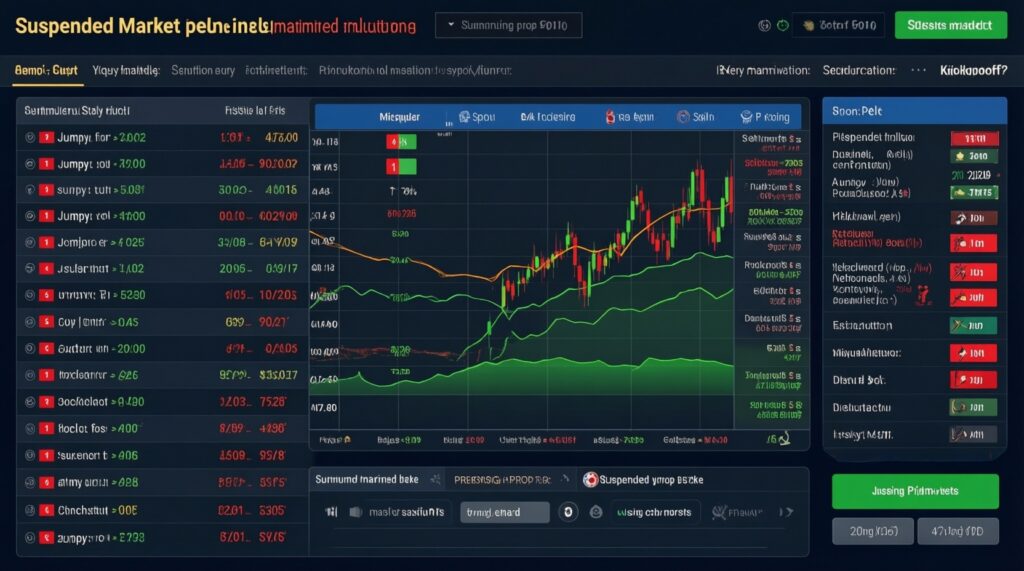
- Limits were reduced or the market was temporarily suspended before match start.
- Odds updates became jumpy (rapid re-pricing) rather than smooth movements.
- Some bet types disappeared (props removed first, then niche handicaps/totals).
- Maximum stake dropped sharply compared with similar matches in the same league.
- Rules pages mention voiding/refunds for integrity investigations, and the operator points to those terms.
- The same match is priced differently across books for an extended period (risk teams disagree).
- Live betting feed delays increase or live markets are closed unusually early.
- You can find an official organizer statement about monitoring, rule enforcement, or reporting channels.
Practical Risk Controls for Smart Betting
- Chasing "steam" blindly: copying late moves without verifying why the price changed.
- Betting thin markets because the payout looks attractive; thin liquidity is where traps form fastest.
- Ignoring incentives: dead-rubber matches, qualification math, and team motivation can mimic suspicious play.
- Over-trusting highlight clips as "proof"; clips lack full context (comms, prep, strat calls).
- Assuming one suspicious round means fixing; variance and tilt are real, especially online.
- Splitting bankroll across too many low-tier matches; concentration in risky leagues increases blow-up risk.
- Relying on one operator's numbers; always sanity-check esports betting odds across multiple books.
- Playing lots of micro-props in leagues where players and staff have high turnover.
- Posting accusations publicly instead of using operator/organizer reporting channels where appropriate.
Anchor your approach in safe esports betting strategies: fewer bets, higher-quality leagues, clear rules for skipping, and steady staking.
Real-World Incidents and Tactical Lessons
If integrity risk is elevated, use alternatives that reduce your reliance on one fragile outcome:
- Skip and redeploy to stronger leagues. Most long-term damage comes from forcing action in poor markets; waiting is a valid edge.
- Prefer pre-match only (or avoid live) in suspicious spots. Live markets can amplify chaos when information is asymmetric and decisions are fast.
- Switch from props to main markets. If you still want exposure, focus on higher-liquidity outcomes rather than easily manipulated micro-events.
- Use smaller, fixed stakes and cap daily volume. When uncertainty rises, your best "edge" is survival and consistency.
Clarifications on Integrity Concerns
Can abnormal line movement be caused by something other than fixing?
Yes. Stand-ins, meta shifts, map pool mismatches, motivation, and late roster news can move prices hard without any integrity issue.
Are low-tier online tournaments always dangerous to bet?
No, but they are structurally higher risk due to thin liquidity, weaker oversight, and volatile rosters. Treat them as "smaller stakes or skip" by default.
Do sharp bettors and syndicates look like match fixing in the market?
They can. Fast, coordinated betting can move a line quickly; your job is to verify whether credible information exists before following.
What is the simplest action when I suspect a trap?
Skip the match. The second-best option is to reduce stake and avoid props that are easy to manipulate.
Should I only bet on one bookmaker to avoid confusion?
No. Comparing multiple operators helps you detect outliers, stale lines, and risk-control behavior that can otherwise mislead you.
Does watching the match help me detect fixing reliably?
It can reveal red flags, but it's not reliable proof. Use viewing as a supplement to market checks and verified news, not as the primary signal.
Are "guaranteed" insider tips trustworthy?
Usually not. Treat certainty as a warning sign; rely on verified announcements and consistent cross-book pricing instead.