
Web3 crypto games are games where progression and items can be recorded on a blockchain, letting players trade assets and sometimes earn tokens through Play-to-Earn loops. In practice, "เกมคริปโต Web3 คืออะไร" means wallets, smart contracts, and game economies (tokenomics) that create real-world value-and real risks-like scams, inflation, and account drains.
Core Concepts Every Gamer Should Grasp
- Web3 gaming adds on-chain ownership and transfers (tokens/NFTs) to a normal game loop; it does not automatically make a game fair or profitable.
- Play-to-Earn is an incentive design: rewards come from emissions, fees, or new demand-not from "free money."
- Tokenomics determines whether rewards hold value or collapse via inflation and weak sinks.
- NFT "ownership" is usually token ownership; gameplay access, IP rights, and server rules can still be centralized.
- Most losses happen from security mistakes (wallet approvals, fake sites, bad links), not "market volatility."
- Low-budget options exist: start with free-to-play Web3, rent/borrow assets, or focus on games where NFTs are optional.
What Web3 Gaming Means: Architecture and Standards
Web3 gaming combines a traditional game client/server with blockchain components that manage ownership and transfers of digital assets. The game still runs like a normal online title (matchmaking, balance patches, anti-cheat), but some state-such as item ownership, crafting outputs, or marketplace transactions-is represented by tokens and NFTs.
The typical stack includes: (1) a wallet for identity and signing actions, (2) smart contracts that define asset rules (mint, burn, transfer), (3) a market layer (in-game or external) for trading, and (4) off-chain services for speed and anti-abuse. This is why two games can both be "Web3" but feel completely different in fairness and cost.
Boundaries that matter: if the game can arbitrarily change item stats, freeze accounts, or shut servers, your NFT may remain in your wallet while its utility disappears. Treat Web3 as a property layer, not a guarantee of permanence.
Play-to-Earn Mechanics: Models, Incentives, and Examples
Play-to-Earn rewards players for time, skill, or contribution using tokens/NFTs that can be traded. When people search for เกม Play-to-Earn ที่ดีที่สุด 2026, the real question is: which model has sustainable demand and strong anti-farm design.
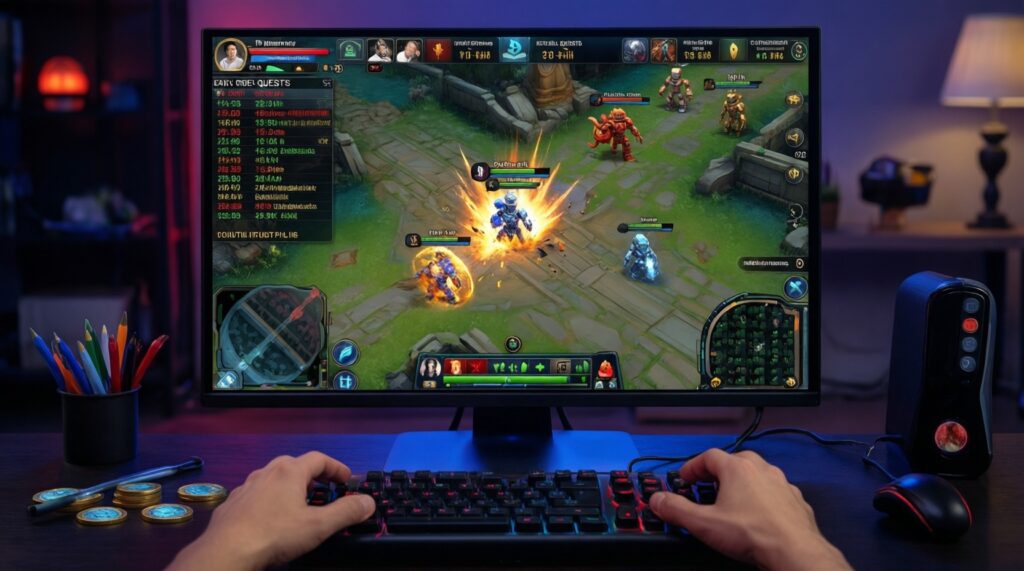
- Emission-based rewards: the game mints tokens for gameplay (quests, ranks). Works early; often breaks if inflation outpaces demand.
- Fee-sharing rewards: players earn from marketplace fees, crafting fees, or tournament entry fees. More sustainable if activity is real.
- Skill-prize pools: rewards come from competitive formats where losers fund winners (or sponsors add prizes). Requires anti-cheat and matchmaking integrity.
- Creator/contributor rewards: map makers, guild leaders, or content curators earn revenue share. Strong fit for UGC ecosystems.
- Asset appreciation focus: players speculate on scarce items/land. High risk; can resemble a collectibles market more than gaming.
- Hybrid "optional Web3": core game is playable without spending; Web3 assets add cosmetics, trading, or premium access.
Comparison: common Play-to-Earn models and where money typically comes from
| Model | Typical player action | Main reward source | What can go wrong | Lower-cost alternative |
|---|---|---|---|---|
| Emission farming | Daily quests, grinding | New token emissions | Inflation, bot farms, collapsing token price | Play free tier; only convert rewards after costs; avoid buying "boosters" |
| Fee sharing | Trading, crafting, running a shop/guild | Marketplace/crafting fees | Wash trading, low real demand, whales extracting value | Focus on roles that don't require upfront NFTs (trader, crafter using cheap inputs) |
| Competitive prizes | Arenas, tournaments | Entry fees + sponsors | Cheating, unfair matchmaking, pay-to-win gear | Join free tournaments; borrow/rent gear; play modes with standardized loadouts |
| UGC/creator economy | Build maps/skins, moderate communities | Revenue share, tips, licensing | Centralized curation, low discoverability | Create off-chain first; mint only best assets; use free mint campaigns cautiously |
Tokenomics in Games: Supply, Utility and Governance
Tokenomics เกมคริปโต คืออะไร in plain terms: it's the rulebook for how tokens are created, distributed, spent, and removed from circulation-plus who gets to change those rules. In games, tokenomics is less about "price charts" and more about whether the economy has real sinks and non-speculative demand.
- Progression currency: tokens used for crafting, upgrades, stamina/energy, rerolls. Healthy tokenomics requires strong sinks that scale with player growth.
- Access and gating: tokens for battle passes, dungeon keys, tournament entries. Watch for designs that force constant buying to stay competitive.
- Trading liquidity: the token is the main quote currency in the marketplace. Good for convenience; risky if token volatility breaks pricing.
- Rewards and incentives: tokens paid to players for quests, ranked play, referrals, or moderation. If emissions are high, expect pressure on value.
- Governance: voting on balance changes, treasury spending, esports funding. In practice, whales and teams may dominate unless safeguards exist.
Mini-scenarios: applying tokenomics thinking before you spend
- You see high daily rewards: check if upgrades/crafting require burning tokens or if everyone just cashes out. No sink usually means fast inflation.
- You're resource-limited: choose games where NFTs are optional, then test the economy by playing 1-2 weeks before buying anything.
- You want "earn" without heavy grinding: look for fee-sharing or creator models where value comes from services (crafting, trading, content), not emissions.
NFTs, Ownership Rights and Interoperability
NFTs can represent items, characters, skins, land, or memberships. They improve portability of ownership (you can hold and transfer the token), but they do not automatically grant legal IP rights or guarantee that the game will keep supporting the item.
Practical benefits when the design is solid
- Player custody: you can hold assets in your wallet rather than a publisher account.
- Open trading: items can be sold peer-to-peer, sometimes across multiple marketplaces.
- Composable utility: other apps can read the NFT and offer perks (whitelists, guild tools, analytics).
- Optional investment: in better designs, NFTs add convenience/cosmetics while the game remains enjoyable without paying.
Limitations you should assume by default
- Game dependency: the NFT remains, but its stats/utility can be nerfed or disabled by the game rules.
- Interoperability is rare: "use it in other games" is mostly marketing unless standards and partnerships actually exist.
- Liquidity risk: an NFT can be "owned" yet effectively unsellable if demand dries up.
- Royalties and fees: resale costs can reduce profits, especially for small trades.
Security, Fraud and Smart Contract Risks
ความเสี่ยงเกมคริปโต Play-to-Earn is less about "hackers breaking the blockchain" and more about users signing malicious approvals or interacting with unsafe contracts and links. Treat every transaction like giving software permission to move assets.
- Fake airdrops and phishing sites: lookalike domains and Discord bots push links that steal approvals or seed phrases.
- Unlimited token approvals: signing a spend approval can allow a contract to drain tokens later; prefer minimal approvals and revoke old ones.
- Rug pulls via economy design: teams can dump large allocations, remove liquidity, or change reward rules if governance is weak.
- Bridge and third-party risk: moving assets across chains adds extra attack surfaces and operational complexity.
- Botting and exploit loops: if farming is easy, honest players subsidize bots through inflation and falling prices.
Practical Guide: How to Evaluate and Join a Web3 Game
If you're searching for วิธีเริ่มเล่นเกม NFT และหาเงิน, start by reducing risk and cost. Your first goal is to validate: (1) the game is fun enough to sustain demand, (2) the economy has sinks, (3) you can participate without exposing your main wallet.
Low-resource entry path (Thailand-friendly and budget-aware)
- Pick an "optional Web3" or free-to-play entry: avoid games that require expensive starter NFTs on day one.
- Create a dedicated wallet: keep small funds only; never reuse the wallet that holds your long-term assets.
- Test gameplay and payout friction: confirm you can actually withdraw/trade rewards without hidden lockups or high minimums.
- Audit the economy with a simple checklist: identify where rewards come from and where tokens get burned/spent.
- Start with renting/borrowing if available: scholarships, guild rentals, or low-tier assets reduce upfront cost.
- Only scale after 2 proofs: (a) you can exit (sell/withdraw) and (b) rewards don't collapse when you miss a day.
Fast evaluation checklist before spending
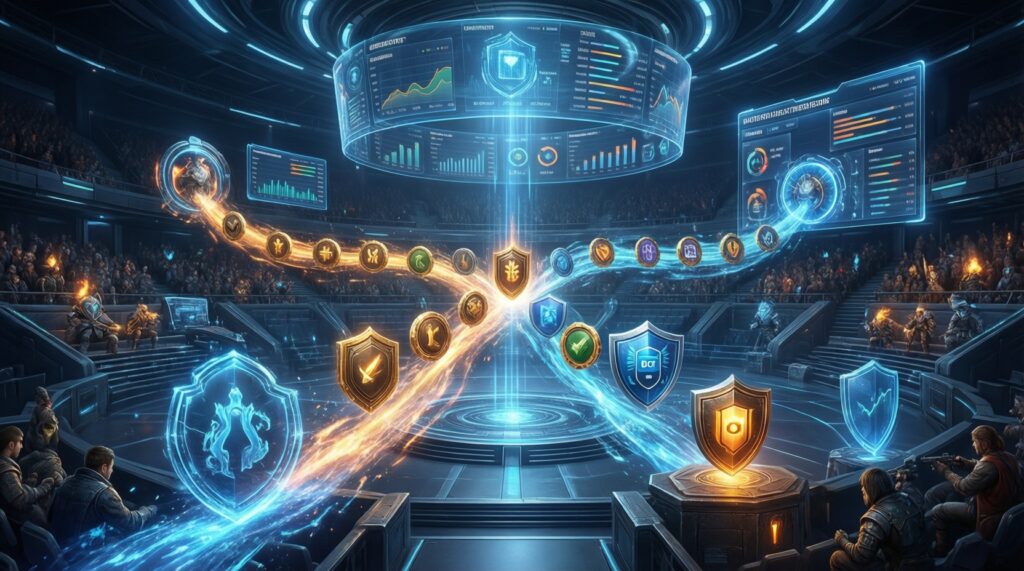
- Fun-first: would players still play if rewards were cut?
- Clear sinks: upgrades, crafting, entry fees that remove tokens from circulation.
- Anti-farm controls: rate limits, skill gates, anti-bot measures, meaningful PvP/PvE difficulty.
- Transparency: clear rules for emissions, allocations, and changes (even if you don't get exact numbers).
- Exit reality: can you sell assets quickly at reasonable spreads, or is liquidity thin?
- Operational safety: official links, verified socials, no DMs, no seed phrase requests.
Mini "risk score" pseudocode you can use
risk = 0
if requires expensive NFT to start: risk += 2
if rewards mainly from emissions (few sinks): risk += 2
if team can change rules without constraints: risk += 2
if heavy reliance on bridges/third parties: risk += 1
if unclear withdrawal/lockups: risk += 2
if community reports frequent phishing/exploits: risk += 1

if risk >= 6: avoid or play strictly free-to-play
if risk 3-5: small test budget only, fast exit plan
if risk 0-2: still test; never use your main wallet
Common Concerns and Quick Clarifications
Is every Web3 game automatically Play-to-Earn?
No. Many Web3 titles use NFTs for trading or identity while keeping rewards purely cosmetic or competitive.
What does "tokenomics" change for a gamer day to day?
It determines whether your rewards retain value and whether progression costs (upgrades, crafting, entry fees) create real demand instead of pure sell pressure.
Do NFTs mean I legally own the character or artwork?
Usually you own the token, not the IP. Rights depend on the game's terms and any explicit license attached to the NFT.
Can I start with very little money?
Yes: choose free-to-play entry modes, borrow/rent assets via guilds, and avoid games that force expensive starter packs.
What's the most common way players lose funds?
Phishing and malicious approvals. People sign a transaction on a fake site or grant unlimited spending permission to a risky contract.
Are "best Play-to-Earn games in 2026" lists reliable?
They can be biased or outdated. Use them only to shortlist, then validate fun, sinks, liquidity, and rule-change risk yourself.