

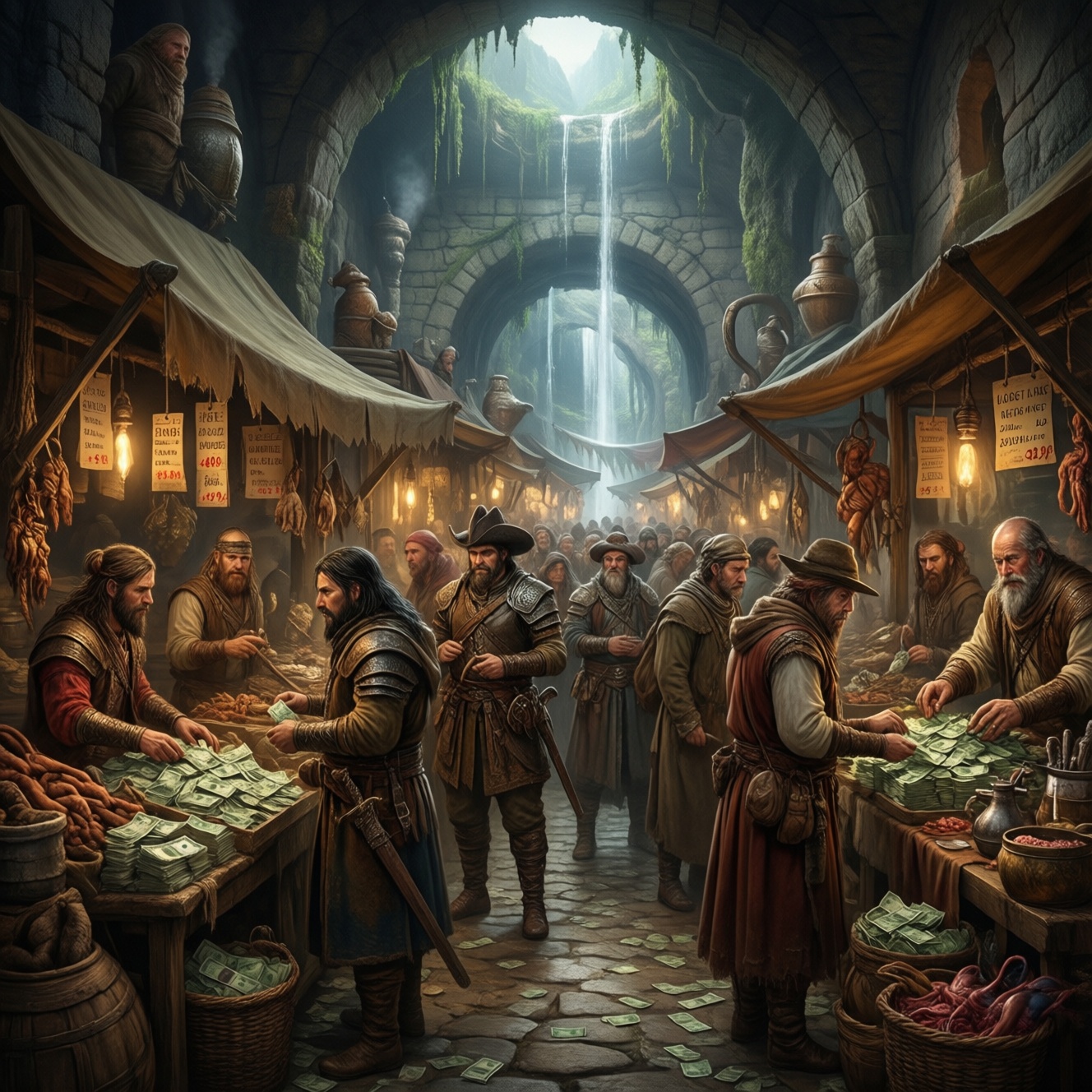
To curb in-game economy inflation in a player-driven market economy game, you stabilize value by pairing well-targeted virtual currency sinks with measurable faucet controls, then monitoring prices, velocity, and wealth concentration. The goal is not to remove money blindly, but to remove it where players accept the cost, while keeping enough liquidity for trading and progression.
Core mechanisms to monitor in player economies
- Net money creation: faucets minus sinks per day/week, segmented by player cohorts.
- Price level proxy: a small basket of commonly traded items (materials, consumables, staples) tracked over time.
- Currency velocity: how quickly currency changes hands (trade volume vs balances).
- Wealth concentration: share of currency held by top percentiles and guilds/clans.
- Sink acceptance: voluntary sink usage rate and repeat usage (signals "felt fair" value).
- Liquidity stress: trade listings failing, bid/ask spreads widening, or crafting halts due to unaffordable inputs.
How player-driven currencies form and fluctuate
Goal: understand whether your economy behaves like a market (prices float via trade) or like a shop-driven system (prices anchored by NPC/vendor rates).
Indicators: frequent player-to-player trading, speculative hoarding, price dispersion by region/server, and "gold per hour" differences by activity.
Concrete actions:
- Use player trade data to identify "reference goods" (high-volume items) that act as informal price anchors.
- Map the main earning loops (quests, dungeons, events, selling to NPCs) and the main spending loops (repair, travel, crafting fees, taxes).
- When it fits: open markets, crafting-heavy games, auction houses, and social trading hubs.
- When to avoid it (or limit it): early-access economies without analytics, games where progression depends on fixed-price vendors, or when new-player onboarding is fragile and any extra costs will block core progression.
Designing effective currency sinks: categories and concrete examples
Goal: define sinks that remove currency at scale without feeling punitive, and that scale with player wealth and activity.
What you need (requirements, tooling, access):
- Telemetry: per-transaction logs for earn/spend/trade, including timestamps, player level, and source/sink reason codes.
- Economy controls: server-side configuration for fees, taxes, repair rates, crafting costs, and limited-time offers.
- Market view: auction house order book snapshots or trade history (price, quantity, time-to-sell).
- Fraud/exploit signals: anomaly detection hooks (sudden balance jumps, repetitive transactions, mule accounts).
- Communication channel: patch notes + in-game messaging to explain changes, especially if you ship MMO economy inflation solutions that affect daily play.
Sink categories with concrete examples:
- Maintenance sinks (predictable): durability repair, housing upkeep, mount/vehicle fuel, respec fees.
- Convenience sinks (voluntary): fast travel, inventory expansions, cosmetic re-dyes, name changes.
- Progression-linked sinks (gated but fair): crafting station fees, enhancement attempt fees, raid consumable crafting taxes.
- Market-tied sinks (scale with activity): auction listing fees, sales tax, brokerage fees; best for high traders and whales.
- Event sinks (burst absorption): rotating limited-time vendors, seasonal lotteries with transparent odds, vanity-only bidding wars.
Rule of thumb: prefer sinks that scale with economic throughput (trading and high-end crafting) over sinks that punish basic play.
Identifying and measuring inflation drivers
Goal: identify where excess currency is entering, why prices are rising, and which sink adjustments will remove surplus without freezing trade.
Indicators: rising basket prices, accelerating top-percentile balances, and increasing "currency per hour" in popular loops after content releases.
Preparation checklist (before you change numbers):
- Define a "stable basket" of items (5-15) with steady demand and frequent trades.
- Tag every faucet and sink with a unique reason code (no generic "other").
- Segment players into cohorts (new, midgame, endgame; and traders vs non-traders).
- Pick a comparison window (e.g., last patch vs current patch) and keep it consistent.
- Set rollback criteria if liquidity drops (e.g., sudden fall in listings or crafting starts).
-
Build an inflation proxy you can track daily.
Measure a price index from your basket rather than debating individual item spikes. A simple approach is the median price per item, then average across items (keep basket constant for the test window).- If your game has multiple regions/servers, compute the index per region first, then compare.
-
Quantify net currency creation by cohort.
Compute Net Flow = Faucets − Sinks for each cohort (new/mid/endgame) to see who is injecting surplus. If endgame net flow is strongly positive while new players are flat, target scalable sinks (taxes, high-end maintenance), not starter costs. -
Identify the top 3 faucet loops driving surplus.
Rank faucet sources by total currency minted and by currency per active player. Focus on loops that became more efficient after a patch (drop buffs, time-to-clear changes, bot-friendly routes).- Common drivers: repeatable quests with no diminishing returns, vendor trash from farmable mobs, reward stacking from multiple systems.
-
Check whether trade is amplifying price rises.
Look for hoarding (balances rising, listings falling) and for speculation (rapid flips, short holding times). If prices rise while volume collapses, it can be scarcity or manipulation rather than pure inflation. -
Test sink sensitivity with small, reversible changes.
Adjust one sink at a time (e.g., auction tax + a high-end fee) and monitor 48-72 hours for shifts in net flow, listings, and craft starts. Avoid stacking multiple changes that make diagnosis impossible. -
Validate player experience impact in critical paths.
Run a "new player critical path" simulation: can a fresh account still afford repairs, travel, and first crafting steps? If not, redirect sinks toward optional, trade-linked, or endgame spending.
Balancing sinks with faucets to preserve liquidity
Goal: remove surplus currency while keeping markets active and progression unblocked.
Use this release checklist:
- Sink changes target cohorts with positive net flow (not cohorts already cash-poor).
- At least one major sink scales with trading activity (e.g., brokerage/sales tax).
- At least one major sink scales with endgame maintenance (repairs/upkeep) rather than early game friction.
- No sink blocks mandatory progression steps (core crafting, main quest travel, basic consumables).
- After changes, buy/sell spreads do not widen noticeably across staple items (a sign of liquidity stress).
- Listings and completed trades remain healthy; if trades fall sharply, reduce fixed fees and prefer percentage-based fees.
- Reward buffs or new content did not quietly increase faucet efficiency (re-check "currency per hour").
- Communications explain why (stability, fairness) and where costs shifted (e.g., from newcomers to high-volume traders).
Implementation patterns and anti-exploit safeguards
Goal: ship economy changes safely and prevent players (or bots) from bypassing sinks and multiplying faucets.
Common mistakes to avoid:
- Adding flat fees everywhere: flat costs hurt low-balance players; prefer percentage-based or tiered fees where possible.
- Creating "sink avoidance" routes: if the auction tax rises, players may move to direct trades; add parity measures (e.g., light trade tax, escrow fees, or listing convenience advantages).
- Letting faucets scale with automation: repetitive, low-risk loops are bot magnets; add diminishing returns, account-bound caps, or activity variance requirements.
- Shipping multiple economy levers at once: you lose causal clarity; change one faucet or one sink family per iteration.
- Ignoring wealth concentration: if the top cohort accumulates faster, prices can rise even if average net flow is stable; add luxury sinks and trade-based sinks.
- Over-tuning sinks during low-activity periods: weekend/holiday patterns can mislead; compare like-for-like windows.
- Missing server-side enforcement: all prices, fees, and rewards must be authoritative on the server, not client-suggested.
- Not rate-limiting suspicious transactions: apply throttles to repetitive trades, identical-price flips, and mule transfers until reviewed.
- Breaking the "value story": players accept sinks when they get convenience, status, or power progression; random fees feel like punishment.
When to involve specialists: if inflation persists across several iterations, if you have cross-server arbitrage, or if exploit pressure is high, bring in game economy consulting to audit faucets/sinks, trading rules, and telemetry coverage.
Operational monitoring, metrics and iterative tuning checklist

Goal: keep the economy stable through content cycles, events, and meta shifts.
Options (pick what fits your operation maturity):
- Lightweight weekly tuning: best for small teams; adjust one sink (tax/fee) and one faucet (reward table) per week based on the basket index and net flow.
- Seasonal resets with controlled bridges: best when long-term accumulation dominates; keep cosmetics and social status persistent while rebalancing currency entry in the new season.
- Dual-currency model: best when you need a stable "progress currency" plus a market currency; keep market currency sink-heavy and let progression currency be more predictable.
- Segmented economy rules by tier: best for onboarding protection; keep early-game costs low, add stronger trade and luxury sinks at higher tiers where surplus accumulates.
Addressing common implementation concerns and edge cases
How do I know it's inflation and not item scarcity?
If your basket index rises across many unrelated items, it's likely inflation; if only specific items spike while substitutes stay flat, it's more likely scarcity or supply manipulation.
Will adding auction taxes kill trading?
It can if fees are flat or too aggressive. Prefer percentage-based fees and monitor spreads and time-to-sell; if liquidity drops, reduce fixed costs and keep the sink tied to trade volume.
Where should I start if prices are rising after a content patch?
Start with "currency per hour" changes in the most-played loop introduced or buffed by the patch, then add or strengthen a sink that targets the same cohort benefiting from the new loop.
How do I protect new players while still draining endgame surplus?
Keep mandatory early-game costs low and shift sinks to luxury, convenience, and market activity. Tier fees by level or unlock state so the sink scales with surplus rather than blocking progression.
What if players bypass sinks through direct trading or guild banks?
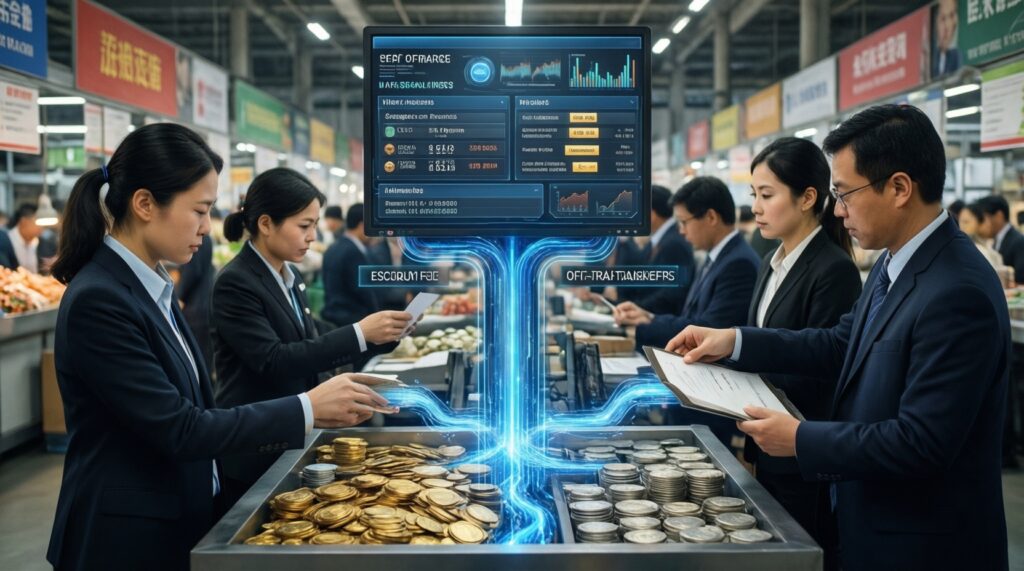
Add parity measures (light trade fees, escrow costs, or limits) and track off-market transfers. If bypass volume is high, adjust rules so the lowest-friction path is also the sinked path.
How fast should I tune sinks when inflation is obvious?
Change one lever at a time and observe at least one full activity cycle (including peak days). If you must act quickly, use small reversible steps and set rollback criteria tied to liquidity signals.
What's the safest sink to add without upsetting balance?
Voluntary convenience or cosmetic sinks are usually safest because they don't block progression. For stronger impact, add market-tied taxes that scale with trading rather than flat mandatory fees.