
Loot boxes are not automatically gambling, but they can resemble gambling when paid random rewards are combined with limited transparency and real-world value or cash-out routes. To answer "ลูทบ็อกซ์ คืออะไร" clearly: it is a randomized reward purchase. Understanding "RNG เกม คืออะไร" and "อัตราดรอป Drop Rate คืออะไร" helps prevent common design, compliance, and player-protection mistakes.
Concise conclusions for stakeholders
- "ลูทบ็อกซ์ การพนัน" is a classification question, not a slogan: it depends on payment, randomness, and value/transferability.
- RNG must be auditable and separated from UI theatrics; visuals should not imply "near-miss" skill.
- Drop-rate disclosure is necessary but insufficient; players still misread small probabilities without clear examples.
- Spending risk increases when "ซื้อกล่องสุ่มในเกม" is frictionless, time-limited, and bundled with social pressure.
- Most preventable errors are operational: weak logging, inconsistent rate tables, and undocumented pity rules.
- Offer clear alternatives (direct purchase, earnable paths) to reduce regulatory and reputational risk.
Debunking common myths about loot boxes and gambling
Myth 1: "Loot boxes are always gambling." In practice, "ลูทบ็อกซ์ การพนัน" depends on specific elements: a paid stake, random outcome, and whether the reward has real-world value or can be converted, traded, or cashed out. Without those, the system may still be risky, but it may not meet a legal gambling test in many jurisdictions.
Myth 2: "If drop rates are shown, it's fair." Rate disclosure reduces one type of opacity, but it does not prevent manipulative presentation, unclear pools, changing tables, or misunderstood probabilities. A player can see a 1% rate and still underestimate how many purchases may be needed.
Myth 3: "RNG means outcomes are unbiased." "RNG เกม คืออะไร" should be interpreted as a controlled random selection process. Bias can appear through configuration (weights), segmentation, dynamic adjustments, limited-time pools, or undocumented pity mechanics-without changing the RNG algorithm itself.
Practical boundary: to define "ลูทบ็อกซ์ คืออะไร" precisely, treat it as paid or earned access to a randomized reward pool. Gambling-likeness grows when money enters, randomness is central, and the reward can be monetized or traded outside the game economy.
Mechanics of RNG inside loot-box systems
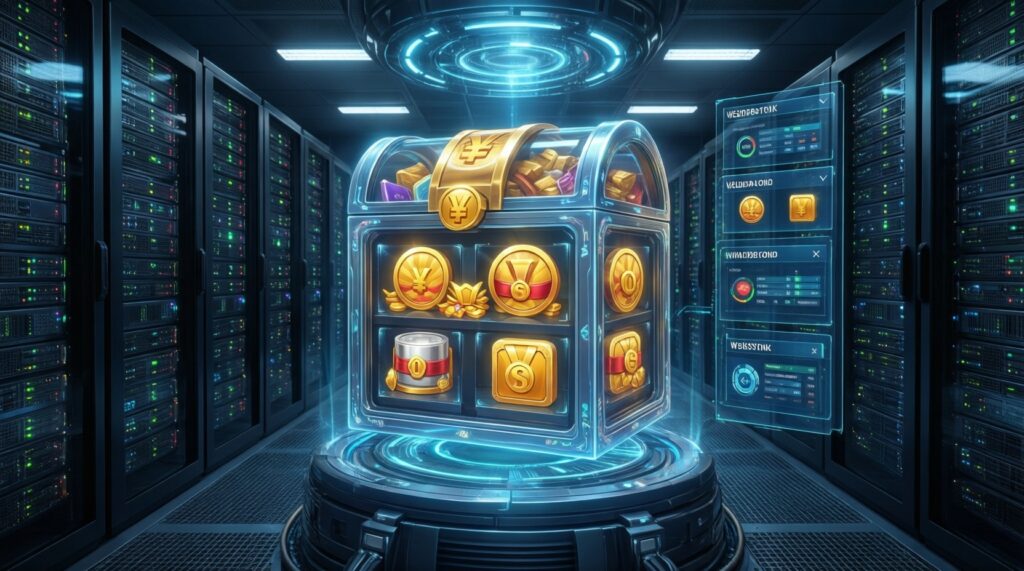
RNG in loot boxes is typically a weighted lottery over items, executed server-side to prevent client tampering. Common preventable mistakes come from mismatched configurations, ambiguous pools, and poor audit trails.
- Define the pool: which items are eligible in this box type, at this time, in this region/account state.
- Assign weights/probabilities: each item (or rarity tier) gets a weight; probabilities are derived from total weight.
- Seed and generate: the RNG produces a number; the system maps it to an item range.
- Apply modifiers: pity counters, duplicate protection, guaranteed drops, or "first-time" rules (if any).
- Record an immutable event: box type, pool version, probability table version, user, timestamp, result.
- Deliver and reconcile: grant item, update inventory, update pity counters, and log final state.
- Quick prevention: keep a versioned "rate table" per loot-box SKU and block publishing if rates do not sum correctly or if an item is missing a weight.
- Quick prevention: never let the client decide the result; the client should only render the reveal animation.
Drop rates: probability, math and disclosure practices
"อัตราดรอป Drop Rate คืออะไร" in loot boxes is the probability of receiving a specific item (or tier) per opening, given the current pool and rules. Typical scenarios where misunderstandings and mistakes happen:
- Item-level vs tier-level rates: publishing "5% Legendary" while hiding that each Legendary is 0.1% because there are many items inside the tier.
- Time-limited pools: rates change with events; players assume yesterday's odds apply today.
- Pity/guarantee mechanics: the "base" rate differs from the "effective" rate over multiple opens, and disclosures may omit the guarantee rules.
- Paid vs earned boxes: same animation, different pools; players assume identical odds.
- Bundles: "bonus boxes" in packs may use separate tables; disclosures often fail to bind the correct table to the correct purchase.
| Example drop rate per open (p) | What it means | Chance after N opens (at least one) | How to compute (no pity) | Common misread |
|---|---|---|---|---|
| p = 0.10 (10%) | 1 in 10 on average, not guaranteed | N = 10 → 1 − (0.9)10 | P(≥1) = 1 − (1−p)N | "I'll definitely get it within 10." |
| p = 0.01 (1%) | Rare; long streaks without success are normal | N = 50 → 1 − (0.99)50 | Use the same formula; independence assumed | "50 opens means 50%." |
| p = 0.005 (0.5%) | Very rare; disclosure should show concrete examples | N = 200 → 1 − (0.995)200 | Without pity, expected opens is about 1/p | Confusing "expected" with "guaranteed." |
| Tier 5%, 50 items in tier | Tier is 5%, each item differs if weights differ | Item rate may be < 0.1% | Item p = tier p × item share (if uniform) | Assuming every Legendary is equally likely. |
- Quick prevention for developers: disclose rates at the level players actually want (featured item), not only tier aggregates.
- Quick prevention for regulators/platform teams: require a link from the purchase screen to the exact pool version and rule set (including pity and duplicates).
- Quick prevention for players: treat small p as "maybe never" within your budget; decide your max spend before you "ซื้อกล่องสุ่มในเกม".
How loot boxes shape player behavior and spending
Loot boxes can be legitimate monetization, but they predictably amplify certain behavioral patterns. The fastest way to reduce harm is to remove avoidable pressure and ambiguity.
Where the design can be acceptable (if implemented clearly)
- Cosmetic-only rewards with no trading/cash-out routes, and clear separation from competitive advantage.
- Transparent odds and rules, including pity counters, duplicate protection, and pool changes.
- Spending controls: caps, cooldowns, and easy-to-find purchase history.
- Earnable alternatives that are realistic (not purely symbolic).
Red flags that commonly lead to overspending or complaints
- Frictionless repurchase: one-tap repeat with no spending summary.
- Time pressure: limited-time skins tied to random boxes rather than direct purchase.
- Near-miss presentation: animations implying "almost won" or "next time is due" when it is not.
- Opaque progression: hidden pity thresholds or changing odds by account state.
- Competitive advantage: power items in loot boxes, increasing perceived necessity to pay.
Legal classifications and regulatory responses worldwide

There is no single global answer to whether loot boxes are gambling. The preventable mistakes are usually about assuming one country's logic applies everywhere, or relying on informal community definitions instead of legal tests.
- Overgeneralizing legality: "Not gambling in Country A" does not imply the same in Thailand or other markets; classifications vary by legal definitions of stake, chance, and prize/value.
- Ignoring secondary markets: even if your game does not offer cash-out, trading ecosystems can create real-world value and change the risk profile.
- Confusing disclosure with compliance: publishing rates does not automatically address consumer protection, minors, or unfair practice claims.
- Minors and consent: treating loot-box purchases like any other IAP, without age-aware controls and clear receipts, is a recurring governance failure.
- Mislabeling RNG: describing deterministic guarantees as "random," or vice versa, creates legal and trust exposure.
- Quick prevention: document a country-by-country policy stance (value, transferability, age gates, disclosures) and map it to build/release checklists.
Audits, testing methods and clear design alternatives
A practical audit focuses on whether the shipped experience matches the documented probability tables and rules. This is where teams most often fail: inconsistent versions, missing logs, and untestable "special cases."
A minimal audit workflow you can run before each release
- Freeze the configuration: export pool and rate tables with a unique version ID.
- Verify math: confirm weights sum correctly; confirm featured items exist in the pool.
- Simulate at scale: run automated opens to validate distribution trends against expected probabilities (tolerances should be defined internally).
- Test rule edges: pity thresholds, duplicates, first-time grants, and event rollover.
- Bind disclosure: ensure the purchase screen links to the exact version ID and states all modifiers.
- Log and review: store immutable events so you can investigate player reports quickly.
Mini pseudocode example (server-side weighted selection with versioning)
// Inputs: boxType, userId
pool = loadPool(boxType)              // includes poolVersionId
weights = pool.items.map(w => w.weight)
assert(sum(weights) > 0)

r = secureRandomInt(1, sum(weights))  // RNG done server-side
item = pickByCumulativeWeight(pool.items, r)

applyPityIfConfigured(userId, boxType, pool.poolVersionId)
grantItem(userId, item.id)

logEvent({
  userId, boxType,
  poolVersionId: pool.poolVersionId,
  itemId: item.id,
  timestamp: nowUtc()
})
Clear design alternatives that reduce "gambling-like" perception
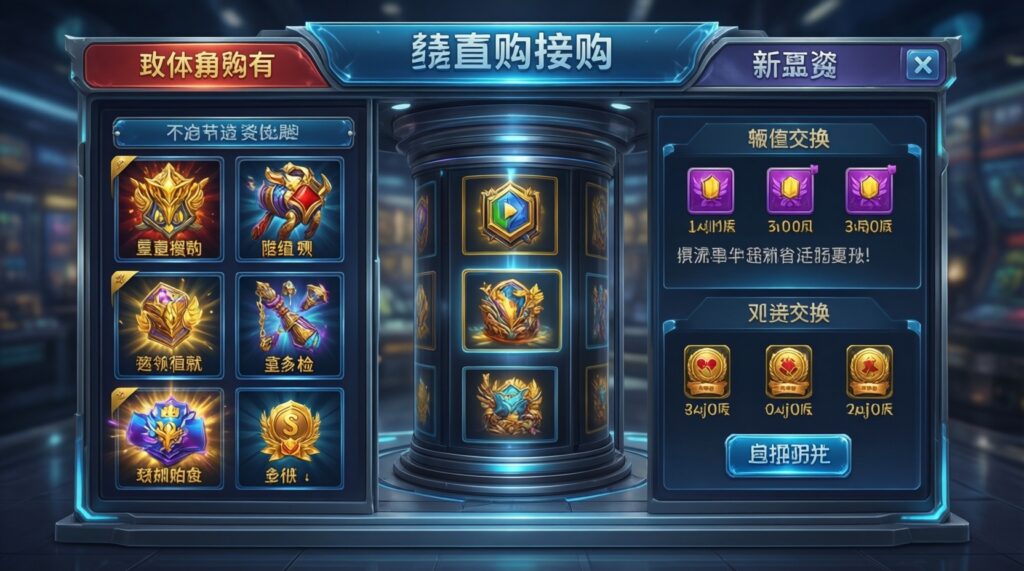
- Direct purchase for featured items (with a predictable price) alongside randomized options.
- Token/currency path: each box grants tokens; tokens can be exchanged for the desired item with a published cost.
- Catalog rotation: rotating shop with known items instead of time-limited random exclusives.
Quick answers to the most frequent practical doubts
Is a loot box always gambling?
No. A loot box is a randomized reward mechanism; gambling classification depends on payment, chance, and whether the reward has real-world value or can be cashed out or traded.
What does "RNG เกม คืออะไร" mean in this context?
It means the system uses a random selection process (usually weighted) to pick an outcome from a defined pool. The fairness depends on configuration, logging, and whether rules like pity are clearly documented.
What is "อัตราดรอป Drop Rate คืออะไร" for a featured item?
It is the probability of obtaining that specific item per opening under the current pool and rules. Tier rates are not the same as featured-item rates unless the tier contains only that item.
If drop rates are shown, is it safe to "ซื้อกล่องสุ่มในเกม"?
Not automatically. Disclosure helps, but you still need to check pool version, modifiers (pity/guarantees), and set a personal spend limit before purchasing.
Does a pity system make loot boxes non-gambling?
No. A pity system changes outcome distribution across multiple opens, but the mechanic can still be paid and chance-based, and it can still drive spending if thresholds are unclear.
What is the fastest way for developers to avoid complaints about rigged odds?
Version your rate tables, log every opening with the version ID, and ensure the purchase UI links to the exact disclosed rules. Most disputes become unresolvable when the shipped configuration cannot be reconstructed.
What should regulators or platform reviewers check first?
Whether the result is server-determined and auditable, whether disclosures match the exact pool/rules, and whether there are cash-out or trading routes that create real-world value.