

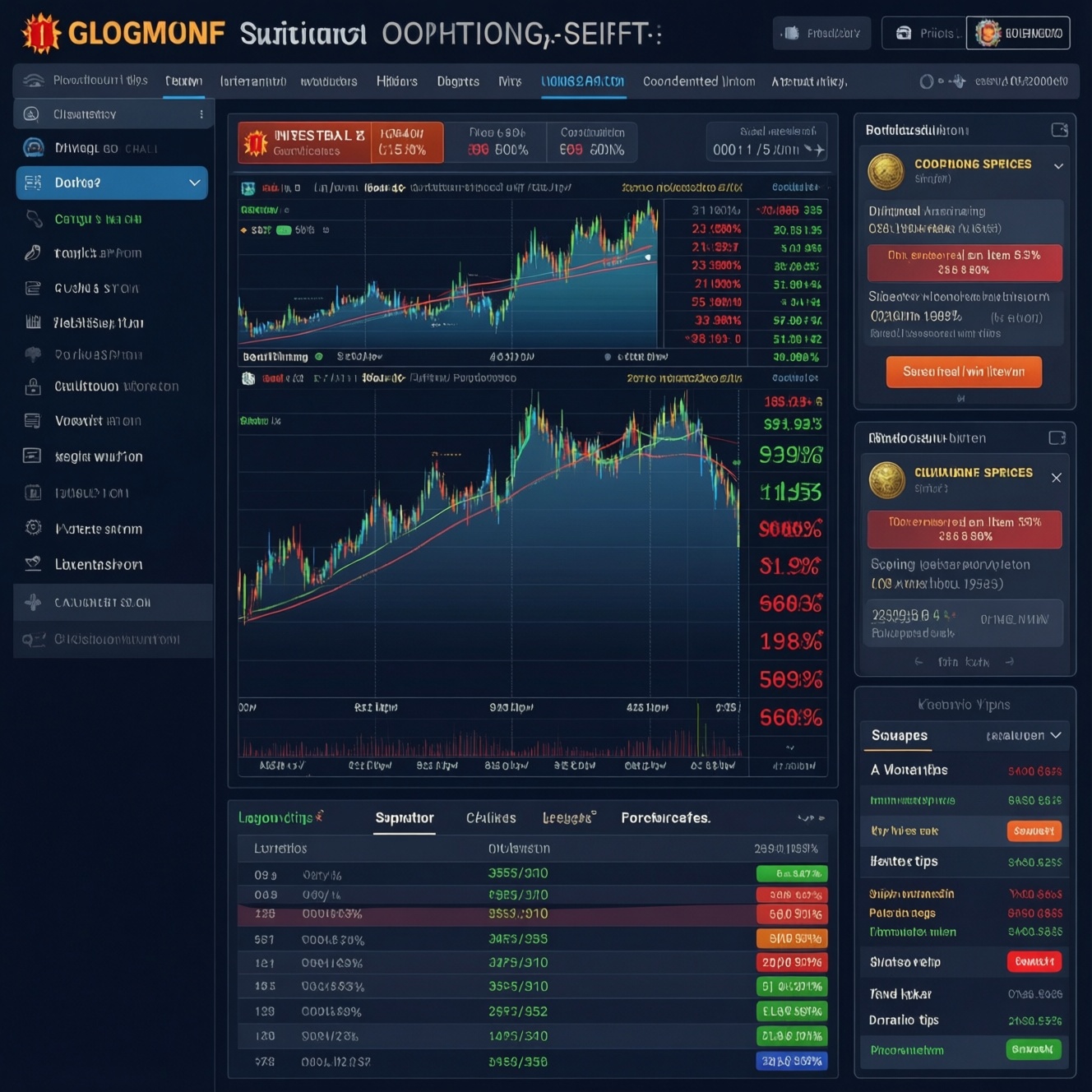
Match-fixing and insider leaks in item-based wagering usually show up as odd market moves: sudden line shifts, coordinated bets, abnormal skin price spikes, and "guaranteed win" tips that circulate before roster or strategy news becomes public. You can spot red flags with read-only checks across odds history, trade logs, and social channels-without touching production systems or risking your account.
Essential Warning Signs and Quick Summary
- Unexplained, rapid odds movement paired with unusually concentrated staking on one side.
- "Sure-win" messages tied to CS2 item betting that arrive before official announcements.
- Skin betting markets showing price spikes on specific items minutes before key rounds/maps.
- Bet limits, withdrawals, or trade holds changing only for a subset of users after a "hot tip."
- Teams/players displaying inconsistent play patterns that align with market incentives.
- Use read-only verification first; preserve evidence before reporting or escalating.
How Item Betting Creates Market Vulnerabilities
Item wagering adds extra attack surface because prices, liquidity, and settlement depend on third-party inventories and fast-moving markets. On item betting sites, that creates opportunities to manipulate perception (odds and sentiment) and timing (information advantage), especially when skin betting runs alongside thin liquidity and rapid social distribution.
What a typical user actually notices
- Odds/lines swing sharply with no public news, then revert after the match starts.
- A small number of accounts dominate volume right before a pivotal map/veto.
- Deposits/trades clear quickly for some users but get "randomly" delayed for others.
- Suspicious "best skin betting sites" rankings pushing one platform right after a controversy.
- Unexpected item price jumps (popular knives/gloves/stickers) that coincide with match timelines.
- Tipsters claim insider certainty and link to "safe item betting" guides that redirect to a single operator.
Anatomy of Match-Fixing in Skin and Item Markets
Use this checklist to do a fast, read-only triage before you assume wrongdoing.
- Confirm the timeline: record match start time, map order, and when the market moved.
- Check for legitimate catalysts: roster changes, travel issues, patch notes, official injury/stand-in posts.
- Look for market concentration: a few accounts placing many similar bets close together.
- Compare across markets: do multiple books shift, or only one item market?
- Inspect settlement friction: sudden KYC, withdrawal holds, or trade delays appearing after a user wins.
- Monitor social propagation: repeated identical phrasing across Telegram/Discord/X suggesting a coordinated push.
- Check for "reverse steam": odds move against what most public chatter predicts.
- Note gameplay anomalies: repeated low-percentage plays at high-leverage moments that match the market incentive.
- Validate item pricing: are "winning-side" skins being pumped (buy pressure) right before or during the match?
- Preserve evidence: screenshots, URLs, timestamps, and transaction IDs (no edits, no deletions).
Insider Information: Sources, Channels, and Motives
Insider info is often less "secret scripts" and more early access to timing: stand-ins, veto preferences, travel problems, or internal conflicts. The motive can be direct profit, debt pressure, or paid signaling to drive bettors into a particular market. Treat claims as untrusted until verified with multiple independent, read-only checks.
Red flag mapping: causes, verification, fixes
| Symptom | Possible causes | How to verify (read-only) | How to fix / respond |
|---|---|---|---|
| Sudden odds shift with no public news | Insider roster/veto info; coordinated betting; thin liquidity manipulation | Compare odds history across multiple books/markets; check official team/org channels and tournament admin posts; archive timestamps | Pause new bets; reduce exposure; document; report to platform integrity/tournament admin with timestamps |
| Identical "guaranteed win" tip spam across channels | Affiliate funnel; paid tip group; scam to steer users to one market | Search exact phrases; map referral links; check account creation dates and cross-posting patterns | Do not follow links; block/report accounts; use direct navigation to known platforms; warn peers |
| Withdrawals/trades delayed after wins | Selective risk controls; liquidity stress; bad-faith stalling | Review T&C change logs; compare user reports; check on-chain or platform status pages if available | Stop depositing; request written clarification; escalate to support; keep all IDs and chat logs |
| Skin prices spike around match time | Speculative pump; settlement demand; coordinated buy pressure | Check item price charts and volume; correlate with match timeline; look for abrupt reversals post-match | Avoid chasing spikes; set strict limits; delay trades until volatility normalizes |
| Unusual in-game decisions at pivotal rounds | Intentional underperformance; morale tilt; strategic gamble misread | Watch VOD with neutral analyst notes; compare with team's historical tendencies; check comms/coach statements | Do not accuse publicly; submit evidence to tournament integrity; avoid betting on that team until clarified |
| "Best skin betting sites" lists change overnight after a scandal | SEO/affiliate manipulation; reputation laundering | Check page history/caches; compare disclosure statements; look for identical templates across domains | Ignore ranking pages; prioritize transparent operators; verify licensing/terms and public support records |
Why insiders leak, and what to do about it
- Debt/pressure: avoid markets tied to vulnerable tiers; prefer events with stronger oversight.
- Paid "info drops": distrust any tip that requires you to bet within minutes or uses urgency.
- Affiliate incentives: treat "safe item betting" claims as marketing until independently validated.
- Social engineering: verify identities; do not share account details, screenshots of balances, or trade links.
Behavioral and Statistical Red Flags to Monitor
Follow these steps from lowest-risk, read-only checks to higher-impact actions. This workflow applies whether you're using item betting sites casually or analyzing a suspicious CS2 item betting market move.
- Freeze your decision, not the system: stop placing new bets/trades for this match window; keep everything read-only.
- Capture a baseline snapshot: save odds/lines, item prices, and market depth (screenshots + timestamps + URLs).
- Cross-validate market movement: check at least one independent odds source and one item price source for the same time window.
- Look for concentration signals: repeated similar stakes, clustered timing, or identical bet structures (if the platform exposes this).
- Track message provenance: identify where the tip started, who amplified it, and whether it routes to one operator or referral code.
- Correlate gameplay with market incentives: note specific rounds/maps that would swing outcomes for common bet types.
- Apply strict risk controls: if you still participate, cap exposure, avoid live chasing, and avoid volatile items during spikes.
- Escalate with evidence: report to platform integrity and tournament admins with a clean timeline and attachments.
Comparison table: red flags, immediate action, and evidence strength
| Specific red flag | Immediate response step | Evidence level (practical) |
|---|---|---|
| Large odds swing on one platform only | Pause betting; check other markets; snapshot odds history | Medium (could be liquidity or internal risk model) |
| Same "insider" message copy-pasted across groups | Do not click links; archive posts; map referral URLs | High (coordination likely, outcome still unproven) |
| Withdrawal holds triggered after a win streak | Stop depositing; request written explanation; preserve IDs | High (strong platform-risk indicator) |
| Item price pump coinciding with match timeline | Avoid chasing; delay trades; watch for post-match dump | Medium (can be organic hype) |
| Gameplay anomalies aligned with popular bet types | Archive VOD timestamps; avoid public accusations; report privately | Low-to-Medium (needs expert review and context) |
Rollback plan before escalation (when primary verification fails)
- If you can't confirm a catalyst: revert to "no-action" mode-no new bets, no live betting, no item transfers until match ends.
- If external sources conflict: keep only timestamped snapshots; do not "correct" notes-append updates instead.
- If you suspect account targeting: stop using the platform on that account; use read-only browsing; contact support from a separate channel with ticket IDs.
- If evidence is too weak: downgrade to monitoring-track the next 2-3 matches for the same team/market pattern rather than escalating immediately.
Forensic Tools and Data Sources for Verification
Escalate when the risk of harm (financial loss, account lock, or integrity breach) is higher than the cost of waiting. Use specialists/support when you have a coherent timeline and artifacts, not just a hunch.
Read-only verification sources you can use
- Platform artifacts: bet IDs, transaction IDs, withdrawal requests, chat logs, and system status pages.
- Market artifacts: odds history screenshots, line movement timestamps, and item price/volume charts.
- Event artifacts: official team statements, tournament organizer updates, public roster announcements.
- Content artifacts: archived tip posts (URLs, message IDs), referral link parameters, repost graphs.
When to escalate to integrity teams or support
- You see repeated patterns across multiple matches, not a single odd line move.
- There is platform behavior affecting funds (withdrawal blocks, selective holds, unexplained reversals).
- Tip dissemination is coordinated and time-locked to market movements.
- You have a clean evidence bundle: timeline + screenshots + IDs + URLs.
How to package an escalation report (fast and usable)
- One-paragraph summary of what happened, with date/time (Thailand time if relevant) and match identifiers.
- Chronological timeline: market move → tip propagation → gameplay moments → settlement issues.
- Attachments: screenshots, VOD timestamps, bet/transaction IDs, links to archived posts.
- Your requested action: investigation, account review, voiding policy clarification, or market suspension.
Mitigation Strategies for Platforms, Teams, and Regulators
- Platforms: publish clear rules for voids, KYC triggers, and withdrawal holds; log and disclose material policy changes.
- Platforms: add anti-concentration controls (rate limits, stake caps on thin markets, anomaly detection) and document appeals.
- Platforms: separate affiliate marketing from integrity operations; require disclosure for "safe item betting" claims and referral promotions.
- Teams: restrict insider access to veto/travel/stand-in details; enforce device and comms hygiene around match days.
- Teams: implement conflict-of-interest declarations covering item betting, skin betting, and related third-party incentives.
- Organizers: maintain an integrity reporting channel; standardize evidence intake formats and response timelines.
- Regulators/industry bodies: require audit-friendly logs for wagering settlement and marketing disclosures where applicable.
- Users: treat "best skin betting sites" lists as ads unless disclosures are explicit; prefer operators with transparent policies and responsive support.
Rapid Answers and Common Doubts
Is match-fixing common in item betting sites?
It's hard to quantify without official datasets, but the incentives exist because information and liquidity are uneven. Assume risk is higher in thin markets and lower tiers, and rely on read-only verification before acting.
What's the fastest red flag to check in CS2 item betting?
Unexplained line movement right before match start, especially if only one market moves. Snapshot the odds and compare with at least one independent source.
Can skin betting price spikes be normal hype?
Yes. Spikes become suspicious when they align tightly with match events and reverse quickly after settlement, or when they coincide with coordinated tip spam.
How do I know a tip is "insider info" versus marketing?

If it uses urgency, repeats identical wording across channels, and routes you through a referral link, treat it as marketing or manipulation. Insider claims without verifiable sources are not actionable.
What should I send to support if I suspect manipulation?
A short timeline plus bet/transaction IDs, timestamps, URLs, and screenshots. Avoid emotional claims; focus on reproducible facts.
Are "safe item betting" guides trustworthy?
Only if they show transparent criteria, clear disclosures, and verifiable policies. If the guide's main goal is to funnel you to one operator, treat it as an ad.
How can I evaluate "best skin betting sites" lists quickly?
Check for disclosure statements, consistent operator details, and stable evaluation criteria over time. Sudden overnight reshuffles after controversies are a credibility warning.