
Loot box and skin-gambling rules vary by country, so the "best option" for a player is the one that minimizes account risk and payment disputes where you live: avoid cash-out skins and third‑party betting in stricter jurisdictions, prefer transparent odds and strong refund tools in moderate regimes, and document purchases everywhere. Thailand remains legally uncertain for players.
Executive summary: legal trends and direct effects on players
- Strict jurisdictions treat certain loot box/skin mechanics as gambling-like and push removals, geo-blocking, or feature changes, increasing the chance of missing content across borders.
- Moderate regimes focus on consumer protection: odds disclosure, age gating, complaint handling, and clearer refund paths-better for players who want predictability.
- Platforms (app stores, consoles, publishers) often enforce stricter rules than local law, so your practical risk is frequently "platform policy first."
- Skin gambling กฎหมาย exposure is highest when skins can be traded, converted, or used on third-party sites-especially if minors are involved.
- For กฎหมายสุ่มกล่องเกม ในยุโรป, expect a patchwork: some countries pressure removals, others emphasize transparency and harm reduction.
- In Thailand (กฎหมาย loot box ประเทศไทย), the safest player posture is to avoid cash-out mechanics and keep spending controllable, because the legal boundary is not clearly player-friendly.
Comparative regulatory models: criminal prohibition, consumer protection, and self-regulation
Use these criteria to choose a safe play/spend strategy (and to judge whether "เกม loot box ถูกกฎหมายไหม" is the right question for your situation, or whether it's really about platform enforcement and cash-out risk):
- Cash-out capability: Can items/skins be sold for money or money-like value (officially or via third parties)?
- Transferability: Are items tradable between users or accounts, enabling secondary-market value?
- Consideration: Do you pay (money or paid currency) for randomized outcomes?
- Chance vs. skill: Is the outcome predominantly random, and is it linked to "value" rather than pure cosmetics?
- Age exposure: Are minors likely to access the feature without robust age gates or parental controls?
- Disclosure quality: Are drop rates shown clearly, consistently, and before purchase?
- Consumer remedies: Is there a practical refund/chargeback path, and does the publisher have responsive dispute handling?
- Platform strictness: Does your platform (Steam/console/app store) ban certain mechanics or third-party links regardless of local law?
- Local enforcement posture: Even if unclear on paper (common in emerging markets), do authorities target operators, advertisers, or payment flows?
Strict enforcement examples: Belgium, Netherlands, China - what changed and why
These are common "strict posture" patterns players see: removal of paid random boxes, forced redesign to direct purchase, aggressive compliance for minors, or disabling trading/cash-out paths. The practical question is not which country is "right," but which player strategy best fits your account and spending tolerance.
| Option | Who it fits | Pros | Cons | When to choose |
|---|---|---|---|---|
| Geo-safe "no loot boxes" build (publisher disables purchase/opening) | Players in strict regions; anyone who travels often | Lowest regulatory/platform friction; fewer dispute scenarios | Less content; progression may feel slower or more grindy | If you frequently see region locks or sudden feature removals |
| Direct purchase replacement (storefront cosmetics instead of random draws) | Cosmetics buyers who want certainty | Predictable spend; easy to budget; fewer "gambling-like" arguments | Can be pricier per item; limited-time rotation pressure | If you want to avoid randomness but still support the game |
| Earn-only loot (random rewards without paid access) | F2P grinders and minors' accounts | Much lower legal exposure; less chargeback/account risk | Time cost; may still be randomized and frustrating | If you want randomized rewards but no payment risk |
| Odds-disclosed paid loot (allowed only with strong constraints) | Intermediate spenders who insist on loot boxes | Some transparency; easier to compare value across events | Still risky in strict regions; can trigger platform removals or regional disabling | If your region tolerates it and you can cap spend strictly |
| No-trade skins (locked to account; no marketplace) | Players worried about skin gambling กฎหมาย | Reduces "value/cash-out" argument; less third-party scam exposure | Less flexibility; cannot recoup value | If trading/marketplace features cause compliance or scam issues |
| Hard ban on third-party betting/cash-out links (platform-led) | Steam/PC users exposed to skin betting ecosystems | Reduces bans/scams; clearer rules | May block legitimate community trading tools; false positives possible | If your game has a history of third-party skin betting problems |
Moderate approaches: disclosure, age limits, and refund rights in the UK, Australia, and parts of EU
In moderate regimes, the player advantage is usually process: clearer disclosures, better complaint handling, and more predictable enforcement. Use scenario rules like these:
- If odds are disclosed but you can't find them before purchase, then treat the feature as high-risk and either avoid it or buy only fixed-price items.
- If your account is under a family/minor setup, then disable in-game purchases and require platform-level approval to avoid accidental spending and later disputes.
- If you paid for randomized items and the feature behavior changed (event ended early, odds page vanished, items not delivered), then escalate in order: publisher support → platform support → payment dispute (only if you accept account-sanction risk).
- If a game offers both direct purchase and random draws, then choose direct purchase for anything you "must have," and reserve random draws for low-stakes fun with a preset cap.
- If you play across EU countries (กฎหมายสุ่มกล่องเกม ในยุโรป varies), then assume the strictest rule may apply to your account region and avoid switching regions to chase access.
Enforcement in practice: prosecutions, platform bans, fines and how they affect individual players
This checklist helps you choose a practical compliance level before you spend or trade:
- Identify your "effective jurisdiction": your store region, payment country, and where your account is registered (often matters more than your travel location).
- Classify the mechanic: paid random draw, free random reward, direct purchase, or tradeable/cash-out skin economy.
- Check platform rules: console/app store/Steam terms about gambling-like content and third-party links; platform bans often hit before any court action.
- Assess player-facing consequences: feature removal, account restrictions, marketplace lock, or payment disputes/chargeback fallout.
- Set a risk cap: max spend per month/event and a hard stop rule (e.g., stop after X attempts or when duplicates start).
- Document purchases: screenshots of odds/disclosures, receipts, and timestamps; it improves your support outcome.
- Avoid third-party betting/cash-out: highest ban/scam exposure and the clearest trigger for "skin gambling" enforcement narratives.
Industry and platform strategies: removal, tokenization, and marketplace controls
Common player mistakes when choosing how to engage with loot boxes/skins across countries (including when searching "กฎหมาย loot box สหรัฐอเมริกา" and assuming one national answer covers all states/platforms):
- Assuming "legal" equals "safe": a feature can be lawful yet still violate platform policy and lead to bans or delistings.
- Chasing region switches/VPNs to access loot boxes; it can breach terms and complicate refunds and account recovery.
- Treating "odds disclosed" as "fair value"; disclosures don't prevent overspending or event design that pressures repeated pulls.
- Using third-party skin price sites as a justification for "investment"; it increases scam exposure and can support a cash-out interpretation.
- Ignoring wallet and parental controls; the easiest consumer protection is spending friction you set yourself.
- Confusing tokenization with legality: converting rewards into intermediate tokens can still be seen as paid chance if the token is purchased.
- Buying from grey-market key resellers; dispute handling is weaker and can trigger fraud flags.
- Believing enforcement only targets companies; players often feel it via marketplace locks, inventory freezes, and account flags.
- Relying on influencer claims about "bans" or "legal in X"; rules change faster than content updates.
Player decision tree: how to act based on your country, play habits, and risk tolerance
- Step 1 - Where are you playing?
- If you are in Thailand and asking กฎหมาย loot box ประเทศไทย: treat the area as uncertain and prioritize low-risk mechanics (direct purchase, earn-only rewards).
- If you are in Europe: assume a patchwork (กฎหมายสุ่มกล่องเกม ในยุโรป), and follow your store region's strictest constraints.
- If you are in the US (กฎหมาย loot box สหรัฐอเมริกา): don't assume a single nationwide rule; follow platform policy plus your state/payment realities.
- Step 2 - Can the item be cashed out?
- If skins/items can be traded/sold or used on betting sites: treat it as high exposure under skin gambling กฎหมาย and avoid third-party services.
- If items are account-bound with no marketplace: your main risk becomes overspending and refund disputes, not gambling classification.
- Step 3 - Are you paying for randomness?
- If yes: buy only when odds are clearly visible and you can set a strict cap.
- If no (earn-only): focus on time cost and whether the design pressures excessive play.
- Step 4 - Who uses the account?
- If minors use it: enable platform parental controls, disable purchases by default, and avoid any trading-enabled economy.
- If adults only: keep spending limits and prefer direct purchase for must-have items.
Best fit for strict or uncertain environments (including Thailand when you can't get a clear answer to "เกม loot box ถูกกฎหมายไหม") is direct purchase or earn-only rewards with trading disabled. Best fit for moderate regimes is odds-disclosed loot with a hard spend cap and strong platform controls. Best fit for collectors who value flexibility is marketplace trading, but only where platform rules are stable and you avoid any betting/cash-out behavior.
Top legal questions players face and succinct answers
Are loot boxes legal in Thailand?
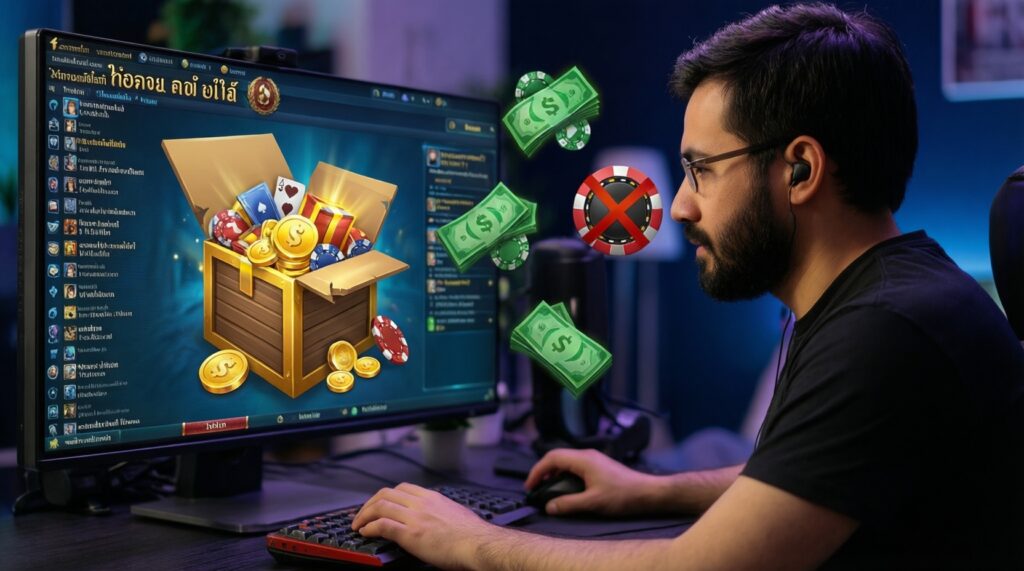
กฎหมาย loot box ประเทศไทย is not a simple yes/no for players because enforcement is often indirect via platform policy and gambling-related concepts. Practically, avoid cash-out and third-party betting, and prefer direct purchase or earn-only rewards.
Does "skin gambling" mean trading skins is illegal?
Skin gambling กฎหมาย risk usually spikes when skins are used for wagering or are easily converted to money-like value. Plain in-game trading may be allowed by game rules, but third-party betting/cash-out behavior is where bans and scrutiny concentrate.
If odds are shown, does that make loot boxes compliant?
No. Disclosure helps consumer protection, but strict jurisdictions may still restrict paid random draws, and platforms may still ban certain implementations.
What's the practical meaning of "EU loot box law"?
There isn't one uniform rule; กฎหมายสุ่มกล่องเกม ในยุโรป differs by country and sometimes by regulator posture. Your account's store region and the publisher's compliance design usually determine what you can access.
Is the US generally permissive about loot boxes?
กฎหมาย loot box สหรัฐอเมริกา isn't a single nationwide standard players can rely on. Your real constraints are typically platform rules, game publisher policy, and consumer dispute processes.
Can I charge back loot box purchases if I regret spending?
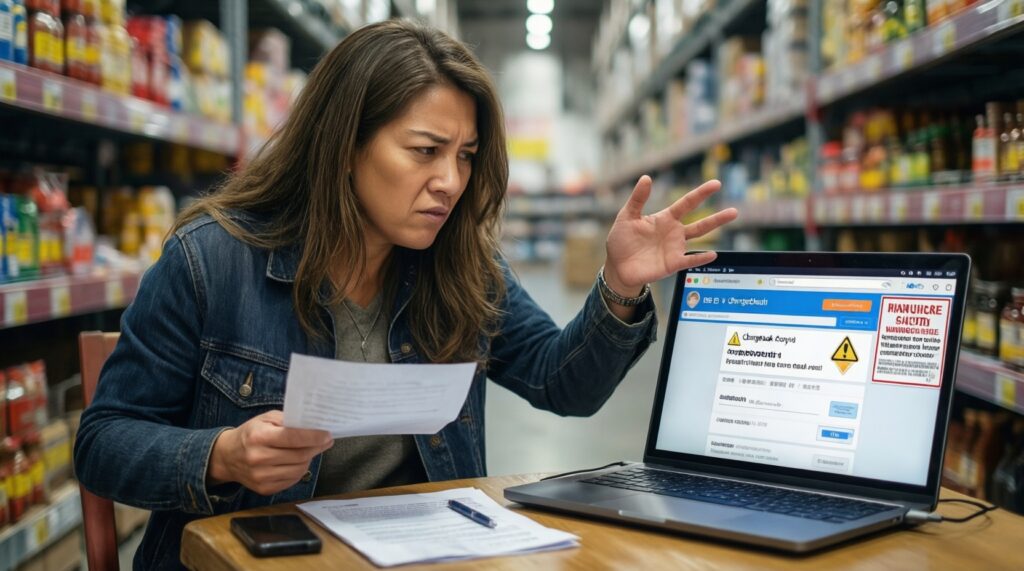
A chargeback can recover funds in some cases, but it often risks account sanctions or marketplace restrictions. Use it mainly for clear non-delivery, unauthorized purchases, or documented misrepresentation.
What is the lowest-risk way to enjoy randomized rewards?
Use earn-only random rewards or buy only when odds are clearly disclosed and you set a strict spending cap. Avoid any feature that enables cash-out or third-party wagering.