


Loot boxes use variable rewards, scarcity cues, and social pressure to keep you opening "just one more." They don't always meet the legal definition of gambling, but they often borrow the same behavioral mechanics. Staying in control means recognizing triggers (FOMO, streaks, near-misses), checking loot box odds, and using spending and access barriers before you buy.
Core concepts summarized

- Variable-ratio rewards make outcomes feel "due," even when each opening is independent.
- FOMO is amplified by timers, rotating shops, and exclusive cosmetics that signal status.
- Published loot box odds help transparency, but they do not prevent overspending by themselves.
- Decision biases (sunk cost, near-miss, loss chasing) convert small purchases into long sessions.
- Control improves when you add friction: budgets, delays, and account-level restrictions.
- In a family context, parental controls loot boxes should block purchases and limit exposure to shop prompts.
Common myths about loot boxes and gambling mechanics
Myth 1: "It's not gambling because I always get something." Getting an item each time does not remove the gambling-like hook; the uncertainty is about value (rarity, usefulness, prestige) and the hope of a high-tier outcome.
Myth 2: "If odds are disclosed, it's fair and safe." Disclosing loot box odds improves information, but it doesn't address time pressure, social comparison, or the tendency to ignore long-run expected outcomes when you're already engaged.
Myth 3: "Skill or 'smart buying' can beat it." You can optimize when to open or which box to choose, but you cannot influence the random draw if the system is truly probabilistic. The only guaranteed lever is whether you buy loot boxes at all-and under what limits.
| Feature | Loot boxes | Traditional gambling | Why the psychology can feel similar |
|---|---|---|---|
| Stake | Real money or premium currency | Real money | Paying to access uncertain outcomes triggers risk-taking patterns |
| Outcome | Virtual items (variable desirability) | Money payout (variable amount) | High-variance rewards create "just one more" loops |
| Cash-out | Usually limited or prohibited | Core feature | Even without cash-out, status/value perceptions can drive chasing behavior |
| Presentation | Animations, sounds, rarity colors | Lights, sounds, near-miss effects | Sensory feedback reinforces engagement independent of actual value |
Action you can take today: Before opening, name the real goal (fun/collection/competitive edge). If the goal is "relief" or "to make up for bad pulls," stop and set a delay.
How variable‑ratio rewards shape player behavior
Variable-ratio schedules reward you unpredictably, which makes repeating the action feel rational even when it isn't. The brain learns, "Sometimes it pays off," and that uncertainty keeps attention locked in.
- Unpredictable wins feel more exciting than predictable rewards, increasing replay and spending.
- Independence illusion: each opening is random, but players feel patterns (streaks, being "due").
- Near-miss effects (almost getting the rare item) can motivate more attempts.
- Escalation ladder: small purchases normalize bigger bundles ("better value") over time.
- Currency masking (gems/coins) reduces the pain of paying and blurs totals.
- Salience spikes: rare drop animations make wins feel more frequent than they are.
Illustrative example: A player opens 10 boxes with no rare drop, then sees a flashy "epic" animation once. That single spike can outweigh the memory of the nine ordinary results.
Action you can take today: Write down your cap before opening (money or number of boxes). Treat every opening as independent; no streak changes the next probability.
FOMO, social cues, and engineered scarcity
Loot box psychology isn't only about randomness. It's also about timing, belonging, and status-especially in competitive or social games where your loadout signals commitment.
- Limited-time banners that rotate weekly or daily, pushing "now or never" decisions.
- Event-exclusive cosmetics that become social proof in lobbies and streams.
- Countdown timers in the shop that shorten deliberation time.
- "Last chance" bundles that appear after near misses or after viewing an item repeatedly.
- Friend/creator influence where openings are showcased, making spending feel normal.
Illustrative example: A limited skin is shown in your match intro screen. Even if it doesn't affect performance, the social visibility can make it feel essential.
Action you can take today: Add a waiting rule for time-limited offers (for example, "sleep on it"). Unfollow or mute shop-hype sources during events if you notice impulsive urges.
Neuropsychology: dopamine, uncertainty, and decision biases
Dopamine is better understood as a learning and motivation signal than a simple "pleasure chemical." Uncertainty, anticipation, and surprises can drive strong motivation-even when the actual reward is modest.
What can be beneficial (in moderation)
- Short-term excitement can be part of entertainment when spending is planned and capped.
- Collection goals can add structure if you treat it as a hobby budget, not a recovery mission after losses.
- Social participation can feel meaningful when it isn't tied to compulsive spending.
Where people get trapped
- Sunk cost: "I already spent, so stopping wastes it." (Stopping actually prevents further waste.)
- Loss chasing: trying to "make up" for bad pulls by opening more.
- Availability bias: remembering the one big win and forgetting the many ordinary outcomes.
- Choice overload: too many box types or bundles pushes impulsive selection.
Action you can take today: If opening feels like relief from stress (not fun), treat it as a red flag and seek loot box addiction help early-from a trusted person, counselor, or local support options in Thailand.
Regulation, industry practices, and ethical design
Rules and norms vary by platform and jurisdiction, including in Thailand, so players often rely on platform settings and publisher disclosure rather than consistent legal protections. Ethical design is about reducing manipulation and supporting informed consent.
- Mistake: treating odds disclosure as full protection. Odds don't neutralize timers, currency masking, or social pressure.
- Mistake: assuming "cosmetic only" means harmless. Cosmetics can carry strong status value and FOMO.
- Mistake: weak spending friction. One-tap rebuys, saved cards, and pop-up offers increase impulsivity.
- Myth: "Everyone can control it if they try hard enough." Systems are engineered to reduce deliberation; adding external limits is a legitimate safety strategy.
- Better practice: clear purchase histories, easy limits, and non-misleading presentation of rarity.
Action you can take today: Turn on purchase authentication at the OS/store level and remove saved payment methods where possible. For households, use parental controls loot boxes to block or restrict in-app purchases and game access by age rating.
Practical tactics to regain control and reduce harm

This mini-check is designed for the exact moment you feel the urge. It answers two questions: "Is this purchase aligned with my goal?" and "Did I actually get the result I was paying for?" Use it to support decisions like how to stop buying loot boxes without relying on willpower alone.
Mini-case: the 5-minute urge loop
You planned to play one match, but an event banner appears. You feel pressure to open "just a few" because friends already have the skin. You start rationalizing that a bundle is "better value," and you're about to buy loot boxes immediately.
A short algorithm to check outcome and stop escalation
- State the intent: "I am buying for: (a) fun, (b) specific item, or (c) mood relief." If (c), stop and switch activities.
- Read the numbers once: find the published loot box odds for the target tier and write it in one line (no calculations needed).
- Set a hard cap: maximum money or maximum openings for this session; write it before you start.
- Log each opening: after every box, record: cost, result tier, and whether it met your intent.
- Run the stop test: if you hit the cap, or if two openings in a row do not meet intent, stop the session.
- Do a 24-hour review: ask "Would I make the same purchase again?" If no, add friction (longer delay, lower cap, stricter controls).
Action you can take today: Put the cap in a note on your phone and share it with a friend/partner for accountability. If you can't keep the cap repeatedly, prioritize loot box addiction help and strengthen purchase restrictions.
Common concerns explained
Are loot boxes always gambling?
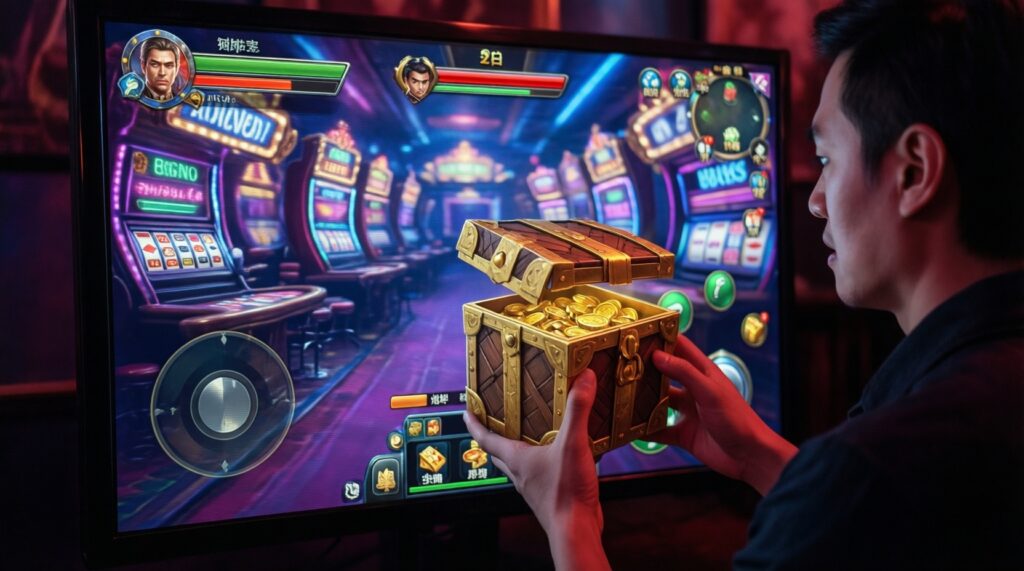
Not always legally, because many games don't allow cashing out. Psychologically, they can still mimic gambling mechanics by selling uncertain-value outcomes for money.
Do published loot box odds guarantee I won't overspend?
No. Loot box odds inform you about probabilities, but overspending is usually driven by urgency, emotional state, and escalation after near misses.
Is it safer if I only buy loot boxes with earned currency?
It can reduce direct spending, but earned currency still trains the same loop and can push you toward top-ups when you fall short.
What are the best parental controls loot boxes settings to start with?
Block in-app purchases, require authentication for every purchase, and limit access to games with randomized monetization for younger players. Also disable saving payment methods on shared devices.
What if I feel I need loot box addiction help?
Seek support early: talk to someone you trust and consider a counselor experienced with behavioral addictions. If spending is causing harm, add immediate barriers (purchase blocks, card removal) while you get help.
How to stop buying loot boxes without quitting the game?
Replace openings with non-monetized goals (rank practice, challenges), remove payment methods, and set a strict monthly entertainment budget. Avoid event shops when you're stressed or tired.