

To manage risk in skin gambling, treat your skins like cash: set a separate bankroll, pre-commit strict session limits, and size each bet as a small fraction of your bankroll based on volatility. Use automatic stop rules to prevent emotional re-bets, track results in simple metrics, and avoid platforms where withdrawals or liquidity can trap you into chasing.
Bankroll essentials for skin gambling
- Run a dedicated bankroll in one reference unit (THB or a single stable skin tier) and never top it up mid-session.
- Use clear skin gambling bankroll rules: max session loss, max stake, and a cooldown after any stop trigger.
- Size bets with a fixed fraction method (not "confidence"), adjusting for game volatility and liquidity.
- Adopt a loss-recovery policy that bans "get-even" behavior; your next bet must follow the same sizing rule.
- Track only what changes decisions: bankroll, session P/L, max drawdown, and rule violations.
- Reduce platform risk: don't let slow withdrawals or illiquid skins pressure you into extra bets.
Establishing a dedicated skin-gambling bankroll
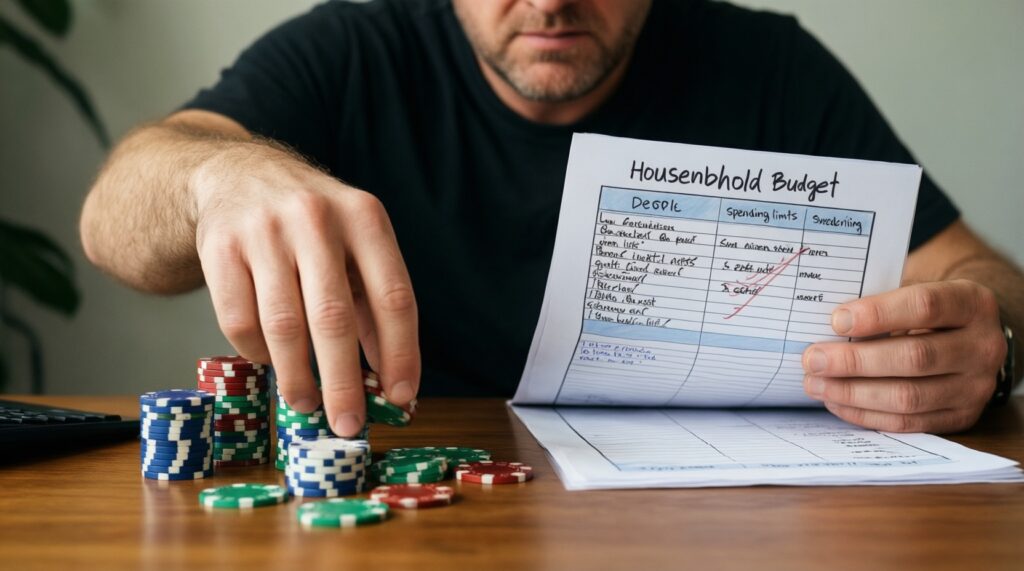
This is suitable if you can treat skins as a budgeted hobby expense, can accept losses without borrowing or selling essentials, and can follow pre-written limits. It is not suitable if you are trying to recover past losses, are under financial stress, or notice compulsive patterns (lying, hiding activity, or repeated "one last bet" loops).
- Good fit: you want controlled entertainment, can stick to a plan, and can stop on schedule.
- Don't start: you feel urgency to win back losses, you need wins to pay bills, or you cannot tolerate a losing streak.
For skin gambling bankroll management, pick a bankroll size you can lose without affecting rent/food/debt payments, and keep it separate from your main inventory. Convert "fancy skins" into a single planning unit (e.g., THB value at the moment you set the bankroll) so decisions stay consistent.
Session and stake limits to prevent chasing
To enforce skin gambling risk management and reduce impulse betting, prepare these tools and access before you place any wager:
- A timer: phone timer or desktop clock for a fixed session length.
- A notes app or sheet: a place to record starting bankroll, stake, and stop triggers.
- Platform controls: any available deposit/trade lock, cooldown, or self-exclusion settings.
- Withdrawal readiness: verified account status and a pre-tested withdrawal route (so you're not "stuck" playing).
- Liquidity check: a quick way to see if your skins can be sold/traded at a realistic price without long delays.
- Set a max session loss (hard stop): choose an amount you can lose in one sitting. When hit, you stop immediately-no exceptions, no "one recovery bet."
- Set a max stake per bet (cap): define the largest single wager allowed. This prevents a tilt jump where one bet can wipe out your plan.
- Set a time limit (clock stop): stop when the timer ends even if you're winning-fatigue creates mistakes that look like "bad luck."
- Ban mid-session top-ups: if the bankroll is down, you either continue within rules or end the session; you never add skins or funds to "fix" the session.
Bet-sizing frameworks tied to volatility
The most practical answer to "best betting strategy for skin gambling" is not a magic system-it's a sizing framework that keeps losses survivable. Use one of the following and stick to it for a full week of sessions before changing anything.
- Pick a base unit (BU): define 1 BU as a small fraction of your bankroll (for example, 1 BU = 1% of bankroll). Your stake is expressed in BU, not in "skins I feel like risking."
- Classify the game's volatility: decide if outcomes are low (frequent small swings), medium, or high (long losing streaks possible). If you're unsure, treat it as high volatility.
- Set stake in BU by volatility: keep stakes smaller as volatility rises.
- Low volatility: 1.0 BU per bet.
- Medium volatility: 0.5-1.0 BU per bet.
- High volatility: 0.25-0.5 BU per bet.
- Define a session loss limit in BU: set a hard stop like 10-20 BU per session depending on how conservative you want to be. This makes "stop" a number, not a mood.
- Use a drawdown throttle: if your bankroll drops by a pre-set amount (e.g., 20% from peak), cut BU size in half until you recover above the threshold or end the week.
- Lock the rule after any big win: when you spike up, keep the same BU rule for the rest of the session. Increasing stakes right after a win is a common path into giving it back.
- Pre-write your "next bet" rule: your next bet size must be the same BU (or lower by the throttle), regardless of the previous outcome. This is the mechanical answer to how to stop chasing losses in skin gambling.
Fast-track mode: 4-step bankroll algorithm
- Set 1 BU = 1% of bankroll; treat every stake as BU.
- Bet 0.25-0.5 BU on high-volatility games; never exceed 1 BU.
- Stop for the day at 15 BU loss or when the timer ends (whichever comes first).
- If bankroll is down 20% from peak, halve BU size and take a 24-hour cooldown.
Loss-recovery policies and automatic stop criteria
Use this checklist as your result check after every session. If you fail any "stop" item, you treat it as a rule breach and apply the cooldown automatically.
- I stopped immediately when I hit the max session loss (no recovery attempts).
- I did not increase stake size after a loss (no martingale-style doubling).
- I did not add skins/funds mid-session to continue playing.
- I followed the time limit and ended the session on schedule.
- I took a cooldown after any "tilt signal" (anger, urgency, bargaining, or "just one more").
- I did not switch to a riskier game format to "win it back."
- I did not accept "illiquid" skins as a reason to keep betting (I paused instead).
- I recorded bankroll start/end and any rule violations before closing the site/app.
Tracking, metrics and quick accountability checks
Most bankroll failures come from predictable mistakes. Use these as a self-audit for skin gambling bankroll management and correct the first one you recognize.
- Tracking only wins: if you don't log losses, you will underestimate volatility and oversize stakes.
- Changing rules mid-week: constant tweaking hides whether your framework works.
- Raising stakes to "speed up recovery": this is chasing, even if you call it "adjusting."
- Measuring in skins instead of a unit: inconsistent pricing makes your risk invisible.
- Ignoring drawdown: you can be "up today" while still trending down across sessions.
- Playing longer after losses: extra time under stress increases errors and rule breaks.
- Confusing variance with skill: a hot streak is not proof your sizing can be larger.
- Letting liquidity dictate behavior: if you can't exit a position, you tend to gamble more to compensate.
- No accountability trigger: without a pre-committed cooldown, you'll negotiate with yourself.
Mitigating platform and liquidity risks
When your main risk is platform reliability or hard-to-sell skins, alternatives that reduce pressure to chase are often the safer move:
- Use cash-only budgeting instead of skin exposure: convert a small entertainment budget into cash wagers (where legal) and keep skins out of the loop when skin pricing is unstable.
- Switch to low-volatility formats with strict caps: if you insist on playing, choose formats where a single bet cannot wipe out a large portion of bankroll, and enforce 0.25-0.5 BU stakes.
- Pause and liquidate first: if your inventory is illiquid, stop gambling until you can sell/trade into a stable, easily valued unit.
- Use time-delayed sessions: schedule play windows (e.g., only specific days) so withdrawal delays do not turn into continuous play.
Practical scenarios and concise answers
What are workable skin gambling bankroll rules if I keep breaking my limits?
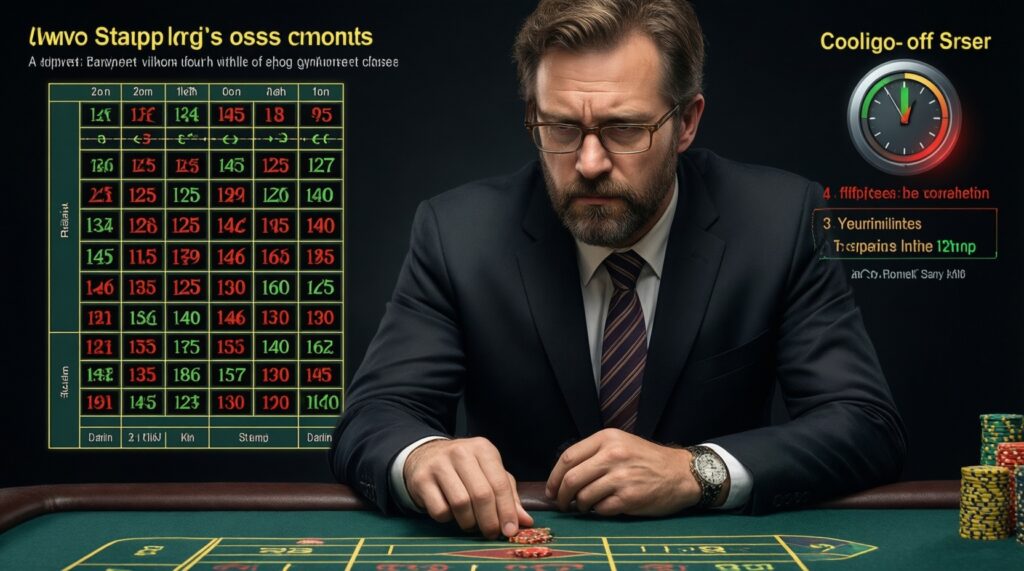
Reduce complexity: 1 BU = 1% bankroll, stake = 0.5 BU, and stop at 10 BU loss. If you break a rule, enforce a 24-hour cooldown and lower BU by half next session.
How do I stop chasing losses in skin gambling when I feel "almost back to even"?
Use a hard stop measured in BU and end the session the moment it triggers. "Almost even" is not a plan-your next bet must be the same BU as before, never larger.
What is the safest default for skin gambling bankroll management on high-volatility games?
Treat the game as high volatility and cap stakes at 0.25-0.5 BU. Add a strict time limit and a low session loss limit so you cannot spiral after a streak.
Is there a best betting strategy for skin gambling that beats variance?
No strategy removes variance; sizing and stop rules only control how much variance can hurt you. If you can't follow sizing, the "best strategy" is not to play that format.
Should I increase stake size after a win because it's "house money"?
No-this usually hands winnings back quickly. Keep the same BU for the entire session, and only resize at the start of a new session using your written rule.
What should I do if withdrawals are slow and I feel stuck?
Stop the session and do not place bets while waiting. If the platform delay changes your behavior, treat it as a risk factor and reduce exposure or switch to a setup with faster exits.