


To set safer limits in skin betting and loot systems, treat every wager as entertainment spending: pre-commit a fixed budget, cap bet size and speed, and enforce time-based stops with cooldowns. Use platform tools where available, add device-level blocks, and define clear "walk-away" rules before you open any skin market, case, or betting page.
Core Principles for Safer Skin Betting
- Decide your maximum loss first; never "win back" money by increasing stakes.
- Separate gaming money from bills with a dedicated wallet/account and a hard monthly cap.
- Limit velocity (bets per minute) as strictly as you limit bet size.
- Use friction: cooldowns, logouts, site blocks, and delayed deposits to prevent impulsive play.
- Assume randomness: loot box odds and spins are not predictable from streaks.
- Stop immediately if play starts to harm sleep, relationships, study/work, or finances.
Understanding Risk in Skin Economies and Loot Markets
Skin markets and gambling-like mechanics combine volatile pricing, social pressure, and rapid wagering loops. That makes them higher risk than "slow" forms of gambling, especially when items feel like "not real money." This is where responsible gambling matters most: fast cycles amplify mistakes.
When it can be acceptable
- You can afford to lose the full budget without borrowing, selling essentials, or skipping bills.
- You can stop on schedule even after a big win or a big loss.
- You keep play separate from competitive performance (no tilting into bets after matches).
When you should not do it
- You are chasing losses, using credit, or selling important assets to fund play.
- You feel compelled to check prices, trades, or results throughout the day.
- You hide activity from family/partner, or it causes conflict.
- You are under the legal age for gambling in your jurisdiction, or the platform's rules prohibit your participation.
- You rely on "systems" based on streaks, patterns, or influencer picks.
Quick self-screen (60 seconds)

- Can I lose today's planned amount and still feel fine tomorrow?
- Do I have a stop time written down?
- Do I know my maximum deposit and maximum bet before I start?
Setting Personal Financial Boundaries: Budgets, Wagers and Velocity
Your goal is to cap three things: total spend (budget), per-bet risk (wager), and speed (velocity). This applies to csgo skin betting, roulette-style skin games, and case openings alike-even when the currency is items.
What you need (tools and access)
- A dedicated "gaming wallet" (separate bank account, e-wallet, or prepaid balance) funded only on schedule.
- A simple tracking method: notes app, spreadsheet, or budgeting app with three fields: deposit, net result, time.
- Hard caps written down: daily loss limit, weekly/monthly cap, and maximum bet.
- A friction rule: any top-up requires a delay (e.g., wait until the next day).
- Access to controls: platform limit settings (if available), device Screen Time/Digital Wellbeing, and router/OS blocking options.
Limit template (copy and fill)
- Monthly cap: ____ THB (or local currency equivalent)
- Daily loss limit: ____ THB
- Max bet size: ____ THB or ____% of daily limit (keep it small)
- Max velocity: ____ bets/openings per 10 minutes
- Stop rules: stop after ____ minutes OR after hitting daily loss limit-whichever comes first
Time Management: Session Limits, Cool-offs and Behavioral Triggers
Time limits reduce impulsive loops and late-night escalation. Use a structured routine that forces "breaks" and prevents you from bouncing between games and skin betting sites when emotions spike.
-
Pre-commit your session window
Write a start time and a hard stop time before opening any market or case. If you miss the start window, skip the session instead of extending into the night.
- Keep sessions short enough that you can stop without "one more spin."
- Do not play when tired, angry, or after alcohol/cannabis.
-
Set a "loss + time" double lock
Use two independent stops: a loss limit and a timer. The first one hit ends the session, even if you feel "close" to a win.
- Example rule: stop when the timer ends even if you are up.
- Example rule: stop immediately if you hit the loss cap, no exceptions.
-
Control velocity (the silent bankroll killer)
Fast clicking makes small bets add up and increases tilt. Slow your actions intentionally to enforce gaming gambling limits.
- One action per minute (or slower) when you feel excited or frustrated.
- No "auto-queue" habits: avoid chains of openings/spins.
-
Trigger check: pause on emotion, not on math
Define triggers that force a cooldown: arguing in chat, losing streaks, big win spikes, or obsessing over loot box odds. When a trigger hits, you stop and switch activities.
- Cooldown activity: walk, shower, eat, message a friend, or play a non-monetized game mode.
- Do not "research odds" mid-tilt; it usually becomes justification to continue.
-
End-of-session closeout (2 minutes)
Log your result, log your time, and log your mood. Then log out and close tabs so you can't instantly re-enter.
- Record: deposit today, net result, session length, and one sentence about your mindset.
- Unlink payment methods if the platform allows it.
Fast mode (3-5 steps)
- Pick a hard stop time and a daily loss limit; write both down.
- Set max bet size and max actions per 10 minutes (velocity).
- Play only inside the time window; stop on the first limit hit.
- After stopping, log out, close tabs, and block re-entry for the rest of the day.
Enforcing Limits: Tools, Platform Features and Third-Party Solutions
Willpower fails under speed and emotion. Enforcement means building barriers that make breaking your rules annoying, slow, or impossible-even if you know the password.
Result check: your enforcement is working if all are true
- You have a separate gaming balance that cannot access rent/food money.
- Deposits require a delay (next-day rule or a manual approval step from you).
- Device-level app/site limits are active for known skin betting sites and related domains.
- You can't increase limits instantly (any increase must wait at least 24 hours by your own rule).
- You have a hard stop timer (OS focus mode, bedtime, or scheduled downtime) that you do not override.
- Payments are not "one-click" (saved cards removed where possible).
- Session logs exist for the last 7 days (even simple notes count).
- A trusted person can see your rules and you've agreed what to do if you break them.
Practical enforcement stack (platform-agnostic)
- Money barrier: separate account + scheduled top-ups only.
- Time barrier: OS-level downtime at night + app limits.
- Access barrier: browser extensions/hosts file/router blocks for repeat-visit gambling domains.
- Social barrier: accountability message after each session (one-line update).
Spotting Harm: Behavioral Indicators and Early Intervention Steps
Harm usually shows up as "drift": limits slowly loosen, sessions get longer, and play becomes emotional. Catch it early and tighten controls immediately.
Common mistakes that escalate risk
- Raising bet size after losses ("chasing") or after wins ("playing with house money").
- Switching to faster modes when frustrated (more spins, more cases, more trades).
- Counting skins as "not money," then overspending because items feel abstract.
- Staying up late because "the market is moving" or "one more case."
- Believing you can predict randomness from streaks, patterns, or "hot" items.
- Using loans/credit, or selling important items, to keep playing.
- Hiding activity or deleting history to avoid questions.
- Letting competitive tilt from matches drive betting decisions.
- Relying on influencers/streamers instead of your own limits and logs.
Early intervention (do this today)
- Freeze funding: stop deposits/top-ups for at least a week; use only what is already set aside.
- Increase friction: add stricter blocks and remove saved payments.
- Reduce exposure: unfollow content that triggers urges (case openings, "big win" clips).
- Tell one person: share your written limits and ask them to check in.
- Escalate if needed: use self-exclusion options where available; seek local professional support if you cannot stop.
Design Considerations for Safer Loot Systems and Monetization
If you're choosing games-or advising a community-prefer monetization that reduces compulsion and makes spending predictable. These alternatives are often better than pure chance mechanics tied to tradable value.
Safer alternatives (and when to use them)
- Direct purchase cosmetics (best when you want a specific item): pay once, get the item, no randomness.
- Battle passes with clear rewards (best for planned engagement): spending is capped, progress is transparent.
- Earnable-only cosmetics (best for strict budgeting): time replaces money; reduces financial harm risk.
- Non-tradable randomized drops (better than tradable RNG): limits "cash-out thinking" and reduces market-driven gambling behavior.
Practical Answers on Limits, Safety and Enforcement
Is skin betting the same as gambling?
Practically, yes: you risk value (often skins with real-market prices) on uncertain outcomes. Treat it with the same responsible gambling rules you would use for cash betting.
How do I set limits if a site has no built-in controls?
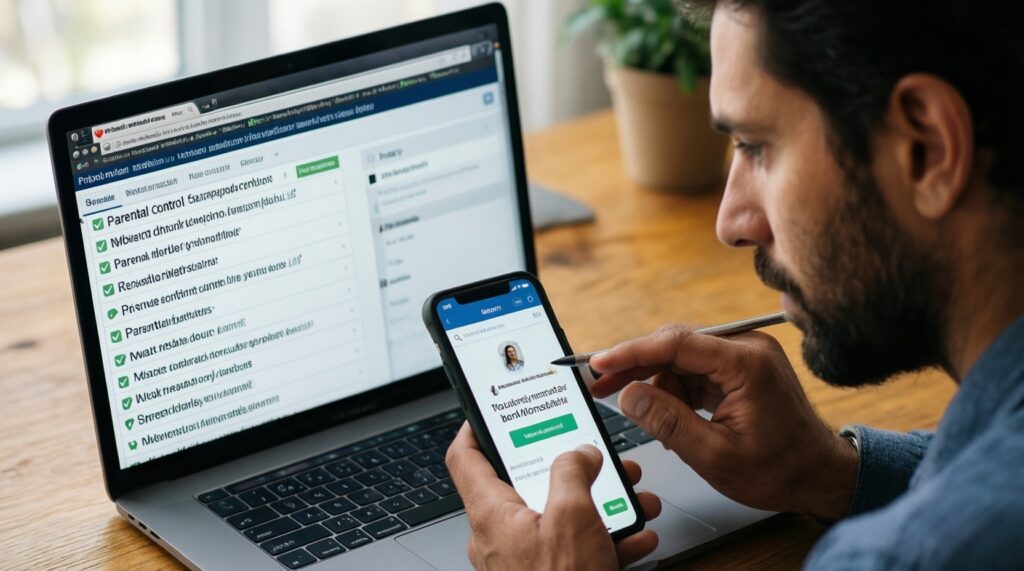
Use external controls: separate funding account, device-level time limits, and website blocking. Your rules must be enforceable without relying on self-control in the moment.
What limits matter most for csgo skin betting?

Cap losses, cap bet size, and cap velocity. Fast cycles make small "safe" bets dangerous when repeated quickly.
Do published loot box odds make it safe?
No-loot box odds can be transparent and still encourage overspending through repetition. Use a budget and time window regardless of the displayed probabilities.
Should I increase my budget after a big win?
No. Keep the same budget and cash out or stop for the day; wins are a common trigger for escalation.
What's the fastest sign my gaming gambling limits are failing?
You're extending sessions, increasing stake size, or depositing outside your planned schedule. Any one of those is a reason to pause and tighten enforcement.
How do I choose between different skin betting sites safely?
Prefer platforms that offer deposit/loss limits, cooldowns, and self-exclusion, and avoid any site that pressures fast play. If you can't verify controls and clear rules, don't use it.
Author: วิศรุต ทองประเสริฐ