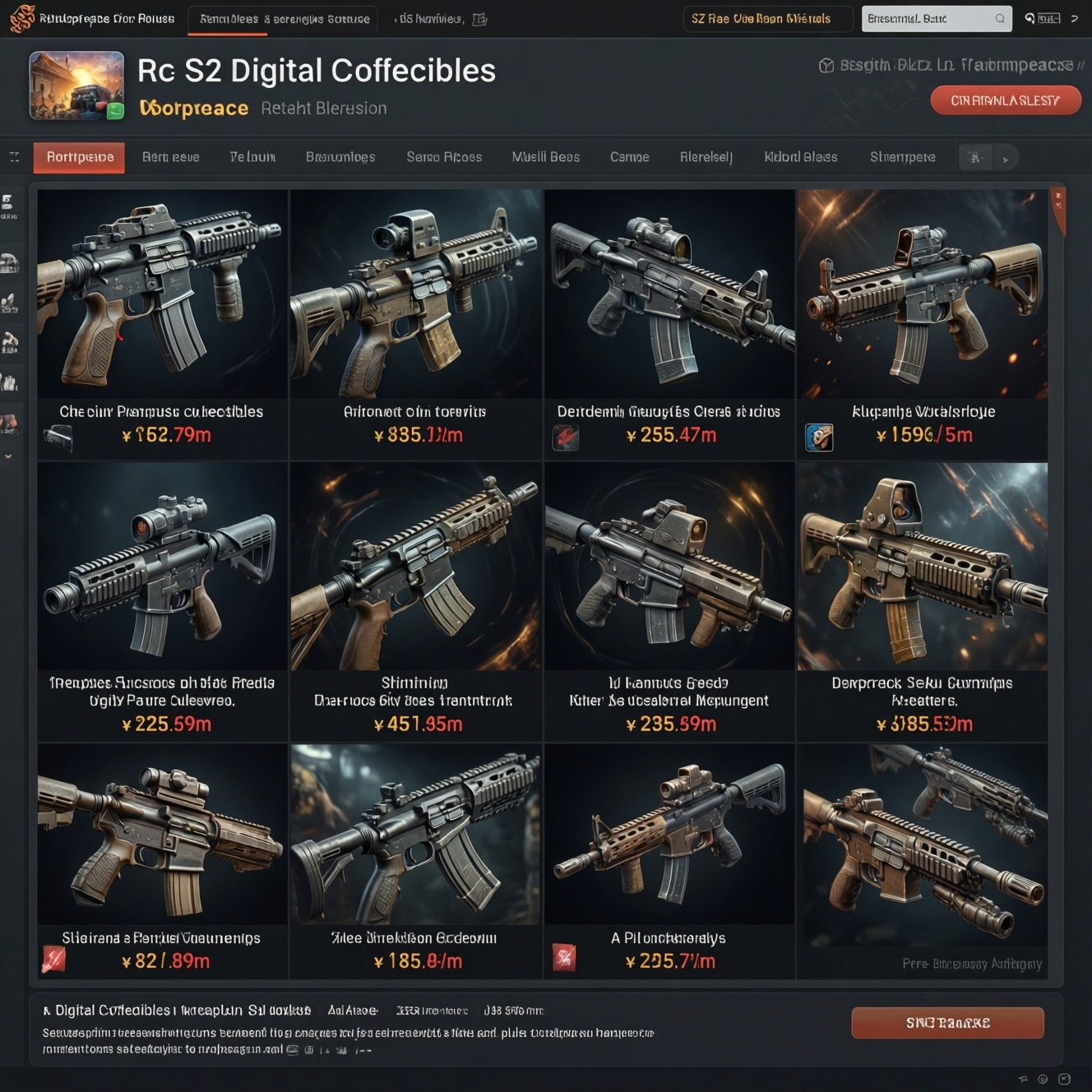


Skin trading arbitrage is a method of exploiting temporary price differences for the same virtual skin across marketplaces by buying where it's cheaper and selling where it's higher, after costs and delays. To do it safely, you must standardize item IDs and float/phase attributes, model fees and settlement latency, and apply strict CS2 skin trading risk management before scaling.
Arbitrage Snapshot and Objectives
- Target repeatable CS2 skin arbitrage opportunities where net profit remains positive after all fees, FX spread, and withdrawal frictions.
- Run a disciplined CS2 skin price comparison using identical item definitions (wear, float range, pattern/phase, stickers).
- Optimize execution speed: fast settlement often beats chasing slightly better headline prices.
- Cap exposure per item and per counterparty; treat every listing as potentially stale or non-deliverable.
- Prefer high-liquidity skins with tight spreads; avoid rare variants unless you can price them confidently.
Understanding Cross-Market Price Mechanisms for Virtual Skins
- Confirm you understand each venue's pricing unit (cash vs wallet balance) and withdrawal constraints.
- Normalize item identity: exact skin name, wear tier, float, phase/pattern, and notable stickers.
- Check liquidity signals: listing depth, recent sales cadence, and bid-ask behavior.
- Map settlement path: purchase → delivery/lock → relist → sale → withdrawal.
- Identify what moves price: promos, update-driven demand shifts, and inventory shocks.
- Decide your holding horizon: same-day flip vs multi-day unwind.
This approach fits intermediate traders who can reconcile item attributes and execute repeatable workflows. Avoid it if you cannot tolerate account/withdrawal holds, cannot verify item variants reliably, or rely on credit/borrowed funds. Don't treat skin trading arbitrage as risk-free; it behaves like short-horizon market making with operational constraints.
Data Sources and Tools for Detecting Price Disparities
- Choose 2–4 marketplaces to monitor, including at least one high-liquidity "anchor" venue for fair-price reference.
- Gain read access: public listings endpoints, official APIs (if available), or permitted scraping with rate limits.
- Capture item metadata: float, phase/pattern, stickers, and trade-lock status if shown.
- Store snapshots with timestamps to measure staleness and time-to-fill.
- Prepare FX handling if markets settle in different currencies.
- Set up alerts for outliers: sudden spread expansion, abnormal discount, or shallow depth.
Practical tool stack (intermediate)
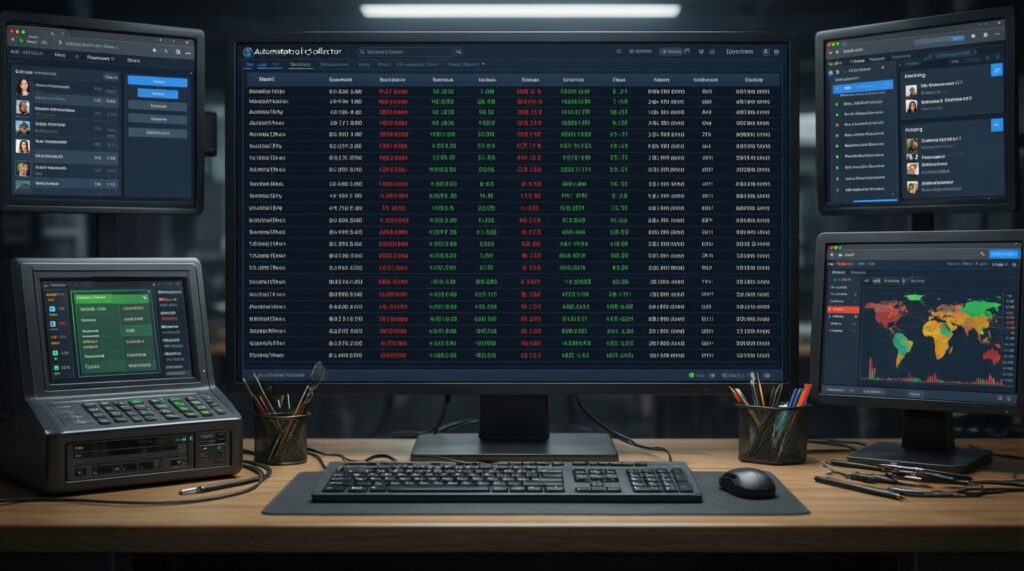
- Spreadsheet or lightweight database for a price ledger (item, venue, price, fees model, timestamp, link).
- Scriptable collector (Python/Node) to pull listings and compute net spreads.
- Browser profiles + password manager + 2FA for operational hygiene across venues.
- Reference mapping for item variants (especially dopplers/phases, case-hardened patterns, sticker value).
Market comparison table (fees and latency are qualitative)
| Market type | Typical fee components to model | Fee impact on arbitrage | Execution latency drivers | Best used for |
|---|---|---|---|---|
| Steam Community Market (wallet-based) | Platform selling fee; wallet lock-in; no direct cash-out | High friction if your exit requires cash elsewhere | Fast matching, but value trapped in wallet | Price discovery anchor; internal flips; measuring demand shifts |
| P2P cash marketplaces | Seller fee; withdrawal fee; potential escrow/processing fee; FX spread | Medium to high, depends on withdrawal path | Depends on buyer activity and payout processing | Cash realization; larger ticket trades when liquidity supports |
| Bot/instant-sell markets | Built-in spread/discount vs market; withdrawal constraints | Often high hidden cost via worse prices | Low for selling; variable for withdrawals | Fast de-risking when you must reduce inventory quickly |
| Aggregator/pricers (data only) | No direct trading fee; data access limits | N/A (supports decisions) | Refresh interval and API quotas | Screening and alerts; cross-checking anomalies |
Modeling Transaction Costs and Execution Latency
- Pick a small watchlist (10–30 items) before expanding coverage.
- Define "same item" rules: include/exclude stickers, float bands, phase/pattern constraints.
- Decide base currency and FX handling method for your ledger.
- Create a fee model template per venue (buy-side, sell-side, withdrawal).
- Set maximum acceptable listing age (staleness threshold) for signals.
- Set per-trade exposure cap and maximum holding time.
Step-by-step procedure to find and execute a net-positive spread
-
Normalize the item definition: Ensure you compare identical variants (wear tier, float range, phase/pattern, stickers). Many false signals come from mixing "similar-looking" skins with different market value.
- Create a canonical key:
game|name|wear|float_band|phase/pattern|sticker_rules - Reject listings missing required metadata for your key
- Create a canonical key:
-
Collect multi-venue snapshots with timestamps: Pull best-ask and a small depth slice (several top listings) per venue. Store
price,available_count, andcaptured_atto assess whether the opportunity is fresh. -
Compute "true buy cost" per venue: Convert to base currency and add all buy-side frictions you will actually pay. If the goal is to buy CS2 skins cheapest, only call it "cheapest" after these adjustments, not by headline listing price.
- Include: payment processing/FX spread, deposit fees (if applicable), and any marketplace-side buy fee
- Exclude costs you won't incur (avoid generic "averages")
-
Compute "true sell proceeds" per venue: Start from expected sale price and subtract seller fees plus withdrawal costs on the path you will use. Use conservative assumptions: selling quickly often requires pricing below the top of book.
- Model quick-fill price:
expected_price = best_ask - undercut_buffer - Account for wallet lock-in if the venue can't cash out
- Model quick-fill price:
-
Model latency and probability of fill: A spread that exists now may vanish before you can complete the cycle. Assign a simple risk haircut based on (a) delivery delays/trade locks, (b) typical time-to-sell, (c) cancellation/failed trade rate you observe.
- Example rule: if settlement requires multiple manual steps, demand a larger net edge
- Discard opportunities where your holding time limit would be exceeded
-
Calculate net edge and gate the trade: Only proceed if net proceeds minus true cost remains positive after your latency haircut and risk buffer.
- Pseudologic:
net = sell_proceeds - buy_cost - risk_buffer - Gate:
if net > 0 and staleness < threshold and liquidity_ok: execute
- Pseudologic:
- Execute with audit trail: Capture links, screenshots/IDs, and timestamps for every step. This is critical for dispute resolution and post-trade analysis when a venue's displayed data differs from final settlement.
Risk Controls: Inventory, Counterparty and Market Risks
- Define and enforce max exposure per item and per marketplace account.
- Verify item metadata before purchase (float/phase/pattern/stickers) matches your canonical key.
- Reject stale signals: if listing timestamp is old or depth is thin, assume it's already gone.
- Confirm withdrawal path and limits before entering a trade; treat holds as capital lock-up.
- Use a counterparty/venue checklist: reputation, dispute process, and history of delayed delivery.
- Maintain a "fast exit" plan (where you can liquidate if the spread collapses).
- Log every trade and reconcile balances daily (inventory count, cash balances, pending withdrawals).
- Run scenario checks: price drop during holding period; partial fill; failed withdrawal; forced discount to exit.
- Keep operational security: unique passwords, 2FA, and a separate email for trading accounts.
Strategy Design: Single-Item, Basket and Statistical Approaches
- Comparing non-identical variants (phase/pattern/stickers) and calling it arbitrage.
- Ignoring wallet vs cash constraints, then discovering profits can't be realized off-platform.
- Underestimating "hidden spread" on instant-sell routes and overestimating sell price realism.
- Not reserving time for settlement and support: operational delays can erase the edge.
- Scaling too early: a strategy that works for one item can fail under size due to shallow depth.
- Using last-traded prices instead of executable prices (best-ask/bid and depth).
- Skipping post-trade review: without attribution, you can't tell if losses came from fees, latency, or mispricing.
- Overfitting to short-lived dislocations; stable edges are usually small and require discipline.
When each approach is appropriate
- Single-item flips: best for learning execution and settlement details; easiest to audit.
- Basket trades: spreads risk across multiple liquid skins; requires stricter inventory caps.
- Statistical screens: useful for generating candidates, but must be paired with strict item-identity validation to avoid false positives.
Operational Playbook: Execution, Settlement and Compliance
- Document your trade flow for each venue (screens, required confirmations, withdrawal steps).
- Pre-verify account readiness: KYC (if required), payout method, and security settings.
- Set a daily reconciliation routine: open orders, pending withdrawals, and inventory locks.
- Prepare support escalation: store transaction IDs, chat logs, and time-stamped evidence.
- Define a kill-switch: conditions that stop trading (API errors, abnormal delays, sudden fee changes).
- Keep compliance-aware behavior: follow platform rules, avoid automation where prohibited, and respect rate limits.
Safer alternatives when direct cross-market arbitrage is not workable
- In-market spread capture: trade within one venue (buy bids / sell asks) when cross-market transfers are slow or restricted.
- Delay-tolerant rebalancing: move inventory only when you already need to shift exposure, treating the price gap as a bonus rather than the core edge.
- Data-only scanning + manual execution: use alerts to shortlist candidates, but place and verify orders manually to reduce operational and account risks.
- Liquidity-first liquidation policy: prioritize venues with predictable settlement when volatility rises, even if headline prices look lower.
Common Operational Concerns and Solutions
How do I avoid false signals in CS2 skin price comparison?
Only compare listings that share the same canonical key (wear, float band, phase/pattern, and sticker rules). If any required attribute is missing, discard the candidate rather than guessing.
What's the quickest way to validate whether a listing is stale?
Store capture timestamps and re-check the same listing link right before execution. If depth is thin or the top of book changed materially, treat the opportunity as gone.
How do I decide where to buy CS2 skins cheapest in practice?
Compute "true buy cost" including payment/FX frictions and any buy-side fees, then compare only after normalization. A lower headline price can still be more expensive after settlement costs.
What's a minimal approach to CS2 skin trading risk management for a small account?
Cap exposure per item, enforce a maximum holding time, and keep a fast-exit venue preselected. Reconcile inventory and balances daily to catch stuck withdrawals early.
How many marketplaces should I use when starting skin trading arbitrage?
Start with two venues plus one data reference source, then expand once you can reliably model fees and latency. More venues increases complexity and counterparty risk.
Why do apparent CS2 skin arbitrage opportunities disappear after I buy?
Latency and fill probability were underestimated: the sell-side price moved, the listing depth was too shallow, or settlement/locks delayed relisting. Add a latency haircut and require a larger buffer on manual workflows.