


Bankroll management for skin betting and crypto wagering means separating a fixed, affordable gambling fund from all other money, then placing bets in small, repeatable "units" with strict loss/time limits. For gamers using skin betting sites or CSGO skin betting markets, the goal is stability: reduce blow-ups, prevent tilt-driven chasing, and keep wagering within precommitted boundaries.
Core Principles for Responsible Skin Betting and Crypto Wagering
- Use a dedicated bankroll that you can lose without affecting bills, savings, or obligations.
- Standardize bet sizing with units; avoid "all-in" jumps after wins or losses.
- Cap downside with daily/weekly loss limits and session time limits before you start.
- Keep skins/crypto volatility in mind: liquidity, price swings, and withdrawal friction change real risk.
- Track every wager and review results on a schedule, not in the heat of a session.
- Prefer responsible gambling tools online casinos offer (limits, cool-offs, self-exclusion) and replicate them with personal automation where platforms don't.
How Skin Markets and Crypto Wagers Work: Mechanics and Risks

Skin betting and crypto wagering add layers beyond normal betting: item pricing, liquidity, transfer delays, and network fees can change your real exposure. "Odds" alone are not the full cost if you can't cash out quickly or if the asset price moves during the session.
- Map your exposure path end-to-end. Identify each step where value can change: deposit method, conversion (skin-to-balance or crypto-to-token), wager, withdrawal, resale/cashout.
- Assume volatility until proven otherwise. Treat skins and crypto as moving prices; your bankroll is not "stable cash" unless it is in a stable, withdrawable form.
- Check liquidity before you bet. If an item/coin is hard to sell, it increases effective risk and can trap you into chasing or overbetting to "unlock" funds.
- Know when you should not bet. Do not participate if you are underage, if wagering is restricted where you are in Thailand, if you are using borrowed money, if you are trying to recover losses, or if your platform cannot reliably support limits/withdrawals.
Compact example: You deposit a skin, it gets valued by the site, you place several wagers, then you withdraw a different skin and need to resell it. Even if your bet results are break-even, the resale price and time-to-sell can turn it into a real loss.
Determining a Sustainable Bankroll for Competitive Gamers
A sustainable bankroll is the maximum amount you can allocate to gambling without affecting training, travel, living costs, or financial responsibilities. For intermediate players, the main skill is separating "gaming money" from "life money" and keeping the bankroll stable across swings.
- Two separate wallets/accounts. One for daily spending, one dedicated to wagering (separate exchange wallet if using crypto).
- A ledger you will actually use. Notes app, spreadsheet, or a simple text file; the key is consistency.
- Access to limit features. Account settings on platforms (deposit limits, loss limits, time-outs) or personal controls if the platform lacks them.
- A unit definition. Decide what "1 unit" means in THB terms (or stablecoin terms) and keep it constant until a scheduled review.
- Withdrawal plan. Know how you will cash out (skins resale route or crypto off-ramp) and what delays/fees exist so you don't "borrow from tomorrow's bankroll."
Compact example: You set aside a dedicated bankroll in a separate wallet, define 1 unit as a small fixed amount, and decide you will only resize units on the first day of each month after reviewing your ledger.
Practical Allocation Models: Percentages, Units, and Session Budgets
Allocation models make your decisions mechanical. This matters in responsible gambling crypto betting because fast markets and high variance punish improvisation. Pick one model, define your limits, and execute the same way every session.
Allocation model comparison for crypto and skin wagering
| Model | How it sizes bets | Best for | Main risk | Simple guardrail |
|---|---|---|---|---|
| Flat units | Same unit every bet | Most intermediate users; stable routine | Overconfidence after a win streak | Never increase unit size mid-week |
| Session budget | Fixed session loss cap; bet sizes fit inside it | Short sessions; tilt-prone users | Chasing within the session cap | Stop at cap immediately, no "one last bet" |
| Percent-of-bankroll | Each bet is a small % of current bankroll | Long-term play with strict discipline | Re-sizing too often; hidden volatility from skins/crypto | Recalculate only on scheduled review days |
Risks and limitations to accept before you start:
- Skins/coins can move in price; your "bankroll" can shrink without placing a bet.
- Illiquidity and withdrawal delays increase the chance of impulsive re-deposits.
- Fast rounds and streams/social pressure reduce your ability to follow rules.
- Any strategy can fail if you override limits during tilt or boredom.
-
Choose one primary model and write it down.
Pick flat units, session budget, or percent-of-bankroll from the table and commit to using it for a full review period.- If you are unsure, start with flat units (simplest to enforce).
-
Define your unit and your "hard stop" loss limit.
Your unit is your standard bet size; your hard stop is the maximum loss per day (or per session) after which you stop completely.- Make the hard stop smaller than the full bankroll so a bad day can't wipe you out.
- For crypto wagering bankroll management, define limits in a stable reference (THB or stablecoin), not in a volatile coin.
-
Set a session budget and time box.
Decide the maximum time you will be active and the maximum you can lose in that window; end the session when either limit hits.- Shorter sessions reduce tilt and "just one more" behavior.
-
Pre-plan stake adjustments (rarely) and forbid in-session resizing.
Only resize units during scheduled reviews, not after wins/losses, not because chat says so, and not because odds "look good."- If you must adjust, do it once per review cycle and document the reason.
-
Run a quick pre-session checklist, then start.
Confirm you are using the dedicated bankroll, your limits are active, and you are not compensating for earlier losses.- If any item fails, skip the session.
Compact example: You use flat units. You set a hard stop for the day, a shorter session time limit, and you refuse to increase stake size until your next scheduled review-regardless of whether you are up or down.
Built-in Risk Controls: Limits, Cool-off Mechanisms, and Automation
The safest setup uses platform features first, then personal automation where features are missing. Many gambling products are designed for speed; your controls must be designed for friction.
- Deposit limits are set before depositing (not after the balance is loaded).
- Loss limits are enabled and match your written hard-stop rule.
- Session time limit is defined (alarm/calendar) and treated as non-negotiable.
- Cool-off/time-out is configured for at least the remainder of the day after hitting limits.
- Self-exclusion path is known in advance (where it is in settings, how long it lasts).
- Withdrawals are tested with a small amount so you know the process and timing.
- Price-volatility buffer exists for skins/crypto (you're not wagering funds needed for fees or transfers).
- Notifications are reduced: mute streams/chats that push higher stakes or "revenge bets."
- One-device rule is active: no switching to a second device to bypass your own stop.
Behavioral Rules: Tilt Management, Time Limits, and Precommitment
Most bankroll failures are behavioral, not mathematical. In skin betting and crypto, friction points (withdrawals, resale) and volatility increase frustration, which increases tilt risk.
- Chasing losses ("I just need one win to get even").
- Increasing bet size after a win streak because you feel "in rhythm."
- Switching games/markets mid-session to find "better odds" after losses.
- Using bonuses/promos as a reason to exceed your session budget.
- Betting while tired, angry, or after a ranked loss-classic tilt trigger.
- Counting skins as "not real money," then overexposing because it feels intangible.
- Ignoring resale/withdrawal friction and re-depositing while waiting for cashout.
- Letting social pressure decide stakes (friends, Discord, streams).
- Breaking the "hard stop" once, then normalizing it.
Performance Tracking: Metrics, Simple Ledger Templates, and Adjustment Triggers
Tracking turns feelings into data and prevents impulsive resizing. Keep it simple: the best tracker is the one you update every session.
- Minimal ledger (best default). Track date, starting bankroll, deposits/withdrawals, number of bets, net result, and notes about tilt or rule breaks. Use it when you want maximum compliance with minimal effort.
- Unit-based tracking (for consistent sizing). Record results in units instead of currency to stay consistent across coin/skin price changes. Use it when asset volatility makes THB values noisy.
- Session-quality tracking (behavior-first). Add a simple "rule adherence" note (e.g., stopped on time, respected hard stop). Use it when the main problem is breaking limits, not outcomes.
- Cooling-off triggers (actionable thresholds). Define triggers like "any rule break" or "two sessions in a row hitting the hard stop" leading to a mandatory cool-off. Use it when you need automatic brakes.
Compact example: After each session you log the start/end bankroll, net units, and whether you respected time and loss caps. If you hit the hard stop twice in a review cycle, you enforce a prewritten cool-off period before the next session.
Answers to Common Practical Concerns About Safer Betting
Are skins "safer" than cash because they are in-game items?
No. Skins have price volatility and liquidity risk, and cashout can add friction that increases impulsive re-deposits. Treat skins as money with extra steps and extra risk.
How do I choose between flat units and percent-of-bankroll?
Use flat units if you want the simplest, most enforceable routine. Use percent-of-bankroll only if you can resist recalculating after every swing and you review on a fixed schedule.
What should I do if a platform has weak responsible gambling controls?
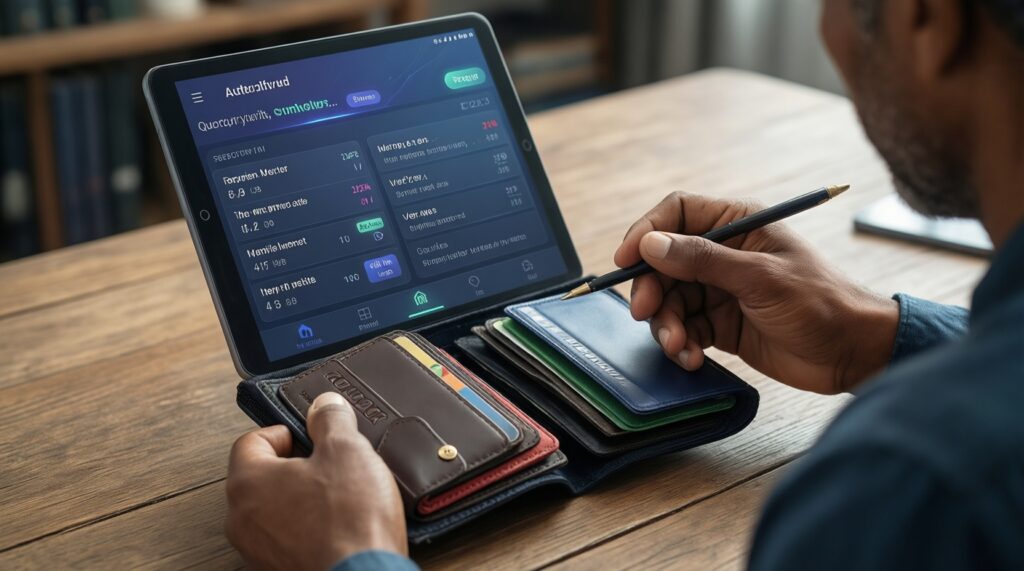
Use personal controls: separate wallets, calendar alarms, and a hard rule to stop when limits hit. If you can't reliably enforce limits, don't use that platform.
Does crypto make bankroll management harder?
Yes, because the value of your bankroll can change without betting. For crypto wagering bankroll management, define units and limits in a stable reference and avoid resizing during volatility.
How can I reduce tilt during CSGO skin betting sessions?
Shorten sessions, precommit to a stop time, and forbid stake increases after losses. If you feel urgency or anger, end the session and activate a cool-off.
What's a practical first step for responsible gambling crypto betting?
Create a dedicated bankroll wallet and set a hard stop loss limit before you deposit. Then pick one allocation model and follow it for a full review period.