

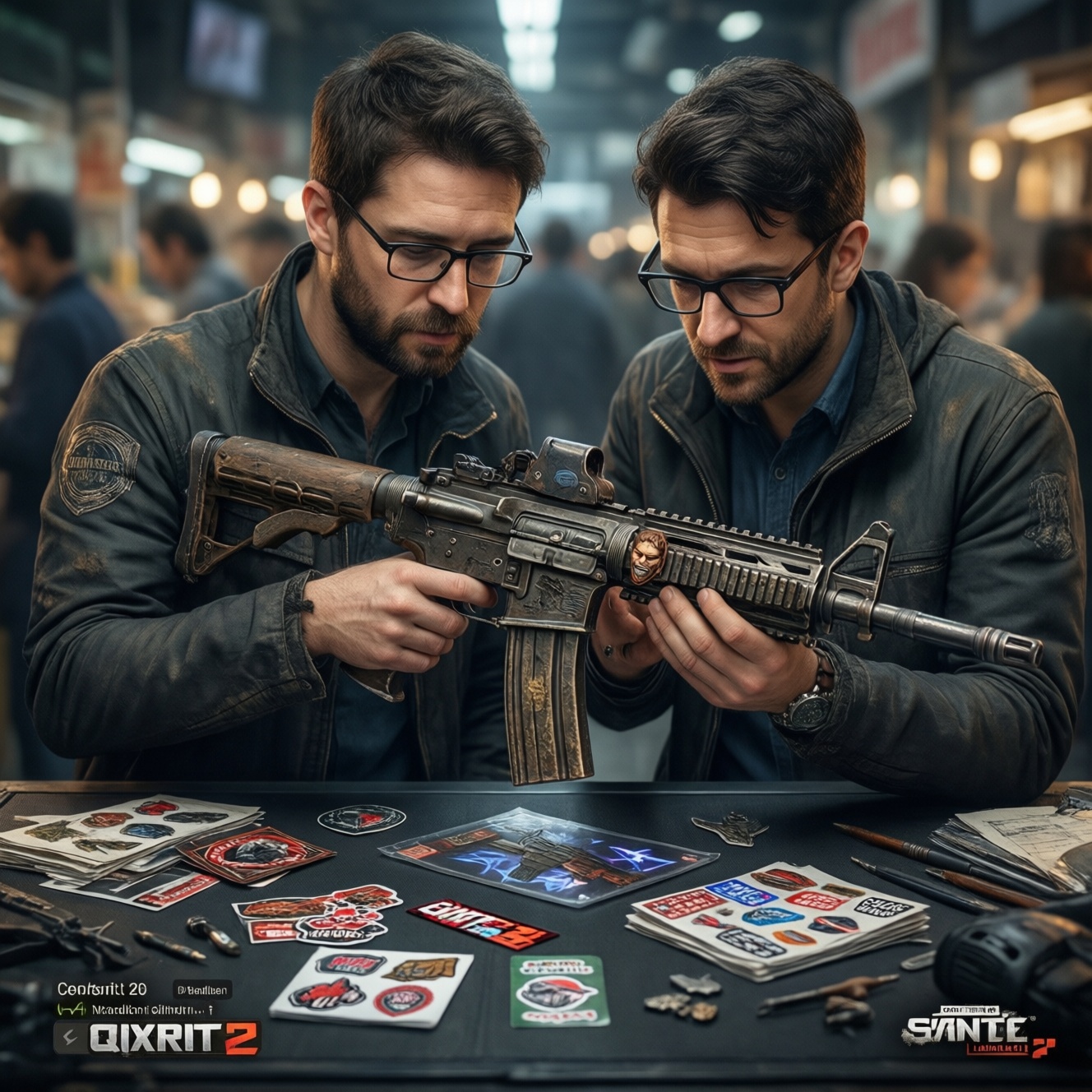
In CS2, a skin (or rare item) is valuable when supply is structurally limited and demand is consistently visible in real trades. Practical valuation comes from checking how it enters the economy (drops/cases), its condition and float, and its history (stickers, souvenirs, notable owners), then validating all of it against liquidity and current listings.
Core Value Drivers of Rare CS2 Items
- Programmed scarcity: how the item is generated (case/drop/collection) and whether supply can still expand.
- Wear + float reality: the specific float range and how it changes the look, not just the label (FN/MW/etc.).
- Pattern and special variants: finish details that create sub-rarities inside the same skin.
- Provenance: stickers, souvenir context, and recognizable inventory history that buyers actually pay for.
- Demand durability: weapon popularity, meta relevance, and "looks good in-game" appeal.
- Market friction: liquidity, pricing gaps, bot behavior, and fees that separate "listed" from "sellable."
Scarcity and Drop Mechanics: How Rarity Is Programmed
Scarcity in CS2 is not a vibe; it is a supply rule. A skin's long-run value starts with how it is minted: case openings, collection drops, limited-time packages, or special events. If an item is still actively entering the ecosystem in meaningful volume, its floor price behaves differently from an item whose supply is effectively capped.
To apply this: first classify the supply source. Case-sourced items tend to follow case-opening cycles; collection-based items are constrained by how often that collection is available; event-linked items (for example, souvenirs) are tied to a specific distribution window and format.
Then separate "rare" from "rarely sold." An item can be genuinely scarce but also illiquid; this is where traders confuse a high listing with a realistic rare cs2 items price. Always confirm scarcity with actual transactions or visible buy pressure, not just the lowest ask.
Mini case: "Active supply" vs "capped supply" mindset
Two skins look similarly priced today, but one is from a source that still reliably produces new units while the other is tied to a past window. In practice, the "capped" one often shows tighter spreads and stronger buy orders during demand spikes, while the "active supply" one absorbs demand by adding new listings.
Condition, Float Value and Visual Degradation Explained
Condition is a shorthand; float is the underlying variable. CS2 wear categories (Factory New, Minimal Wear, etc.) are buckets, but the float value determines where inside the bucket the item sits and how it actually looks in-game.
- Start with the float number, not the tag: two Minimal Wear items can look noticeably different; buyers pay for "cleaner than typical," not for the label alone.
- Check high-impact wear zones: certain finishes show wear on key surfaces (receiver, barrel, blade) more aggressively; "good float" is only valuable if it preserves the parts people look at.
- Identify float caps per finish: some skins have limited wear ranges; that changes the scarcity of clean examples inside each condition tier.
- Pattern-dependent wear: the same float can present differently depending on pattern mapping; always inspect in-game or via consistent preview tools.
- Don't overpay for micro-differences in illiquid items: if there are few buyers for that niche, the premium may not be recoverable on exit.
Mini case: Practical "float premium" check
If two listings are the same skin and condition, compare the float and the visible wear at the common "inspection angles" buyers use. Pay a premium only when the cleaner look is obvious and when comparable clean examples are actually selling (not merely listed).
Provenance and History: Stickers, Souvenirs, and Player Associations
Provenance is the value added by context that survives resale. In CS2, that usually means sticker craft quality, souvenir origin, or recognizable player/team association that the market consistently rewards.
- Sticker crafts with coherent theme: matching colors/logos or "set" concepts that are readable at a glance tend to price better than random sticker mixes.
- Sticker placement matters: the same sticker can be valuable or nearly irrelevant depending on where it sits on the model and how visible it is in typical gameplay.
- Souvenir context: souvenir items carry event metadata; buyers often pay for specific matches/teams/signatures only when the context is clearly desirable.
- Recognizable inventory history: if an item is known to have belonged to a notable player/collector, that premium is real only when the proof is verifiable and transferable (and when buyers in your market care).
- "Hard-to-replicate" vs "easy-to-copy": rare sticker combinations that cannot be recreated (because stickers are expensive/limited) generally hold premiums better than common crafts.
Mini case: Sticker premium that fails on resale
A seller prices a skin like a museum piece because it has stickers, but the craft is visually messy and the stickers are hidden by wear or placement. Even if the listing looks convincing, the exit price usually reverts closer to the base skin because buyers can't "see" the added value.
Meta Relevance, Aesthetics and Demand Dynamics
Demand is what turns scarcity into a tradable price. In CS2, demand is driven by what players equip (weapon meta), what looks good in motion, and what the community recognizes as desirable.
Where demand is strongest
- High-usage weapons: skins for commonly played rifles/pistols are typically easier to sell at predictable cs2 skin prices because more buyers want them.
- Iconic visuals: finishes that read clearly at normal FOV and lighting tend to keep demand even when trends rotate.
- Clean condition availability: if "nice-looking" examples in popular tiers are rare, buyers pay consistent premiums.
- Community-recognized variants: special patterns/variants that traders can identify quickly reduce negotiation friction.
Limits you should price in
- Niche taste risk: "I like it" does not equal "the market likes it"; liquidity can be weak for unconventional aesthetics.
- Meta drift: if a weapon falls out of regular use, its skins can become harder to move quickly without discounting.
- Overpaying for storytelling: narratives that aren't verifiable (or aren't valued in your buyer pool) don't convert into resale value.
Mini-scenarios: Applying valuation before you buy
- Fast flip focus: prioritize popular weapons + clear visual appeal + tight spreads; avoid heavy sticker-premium unless you already have buyers.
- Collector focus: target difficult-to-replicate crafts, true sub-variants, and verified provenance; accept slower exit but demand stronger documentation.
- Budget scaling: buy the best "look per baht" inside a liquid tier; float upgrades matter only if buyers in that tier pay for them.
Market Mechanics: Liquidity, Bots, and Price Discovery
Market mechanics explain why "listed price" is not "market price." Price discovery in skins happens through actual completed sales, buy orders, spreads, and how quickly comparable items move.
- Mistake: trusting the lowest listing as truth. A single unrealistic listing can distort perception; verify against recent sales and competitive buy orders.
- Mistake: ignoring fees and withdrawal constraints. Your net exit often differs materially from the headline price; model your outcome before you buy cs2 skins.
- Myth: bots always set fair value. Bots often enforce conservative buy prices and react to inventory risk; they are a liquidity tool, not a universal oracle.
- Mistake: overvaluing thin markets. If only a few units exist on a marketplace, spreads widen and "price" becomes negotiable-plan for longer sell times.
- Myth: one cs2 skin value calculator equals a real appraisal. Calculators are useful for baselines (wear tiers, typical premiums), but you still must check live liquidity and comparable sales.
Mini case: Pricing a rare variant for sale
If your item is truly rare, you may be the market-so you must create a reference by anchoring to the nearest comparable (same finish, similar float, similar pattern class) and then testing demand with small price steps. If you price purely by "rarity feeling," you risk months of dead listings.
External Influences: Esports, Cross-Platform Trades and Future-proofing
External influences are demand shocks and access changes. Esports visibility can shift what players want to equip, and cross-platform/cross-market accessibility affects who can buy and how fast prices converge.
Mini case: A simple "event shock" checklist you can reuse

When a major tournament or content wave shifts attention, use a repeatable check so you don't confuse temporary hype with durable value:
1) Confirm: are sales rising, or only listings?
2) Check: is the item liquid (many buyers) or thin (few buyers)?
3) Validate: are buy orders moving up, not just asks moving up?
4) Decide: if holding, set an exit plan; if buying, cap your premium.
For traders searching for the best cs2 skins to invest in, this approach keeps you focused on observable behavior (sales, spreads, buy pressure) rather than predictions about the future.
Concise Trader Questions and Direct Answers
What is the single most reliable indicator of value?
Repeatable demand: comparable items selling at similar levels with tight spreads. Scarcity only matters when buyers consistently pay for it.
Are cs2 skin prices determined more by rarity or by popularity?
By both, but popularity drives liquidity and day-to-day pricing. Rarity mainly amplifies price when popularity is already present.
Can I trust a cs2 skin value calculator for rare patterns or crafts?
Use it as a baseline only. Rare patterns, exceptional floats, and sticker crafts often require manual comparison to actual sales and current buy orders.
Why does the rare cs2 items price differ so much between marketplaces?
Fees, withdrawal methods, buyer access, and liquidity differ. The "best price" is the best net price you can realistically convert into your preferred balance or cash-out path.
When should I pay extra for low float?
Pay extra only when the cleaner look is obvious and the item is liquid enough that other buyers also pay that premium. Otherwise, you may be buying an unrecoupable nuance.
What's the safest way to buy cs2 skins without overpaying?
Start from recent sales, then check spreads and buy orders for the same item/condition, and only then decide your maximum premium for float, pattern, or provenance.