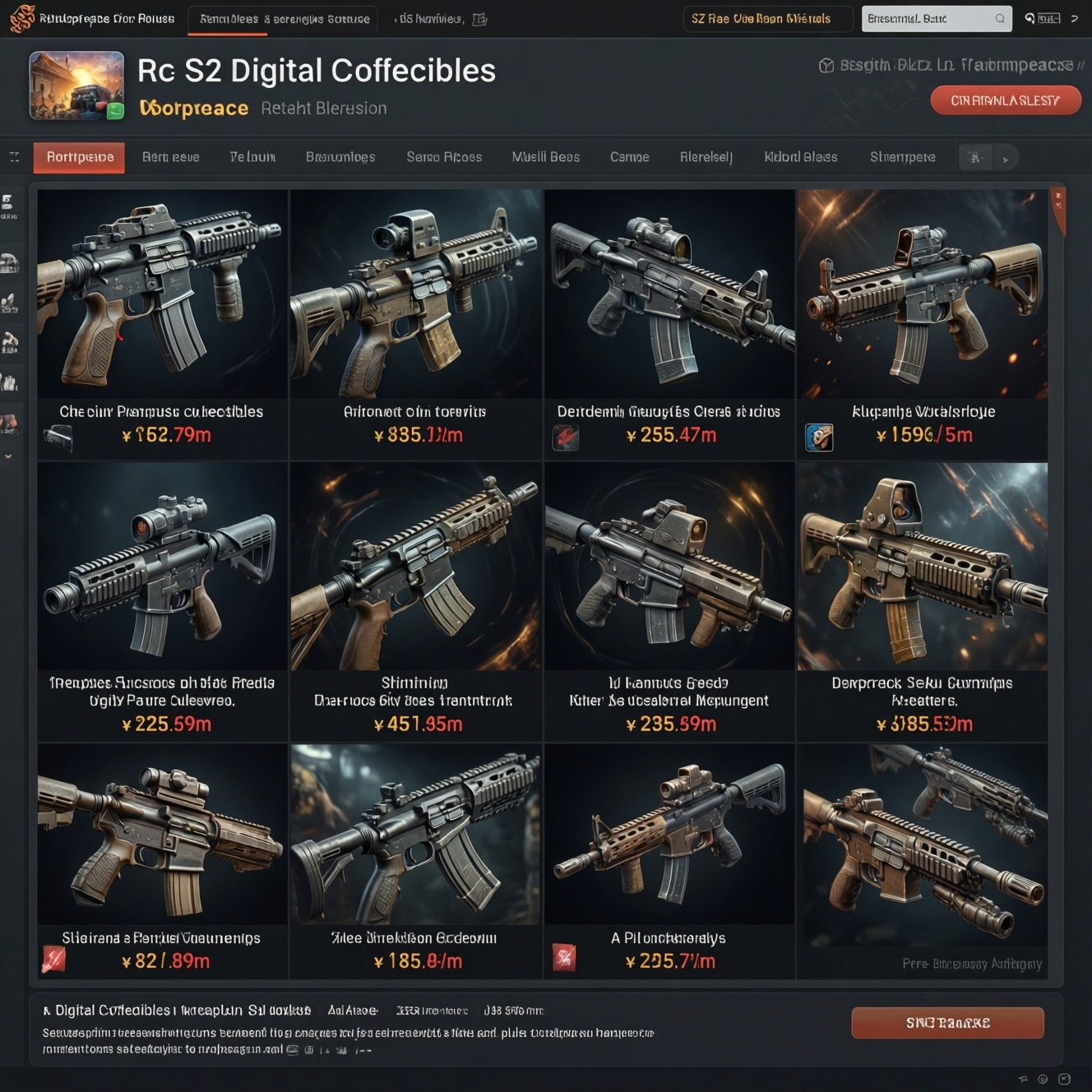

Play-to-earn, pay-to-win, and gambling systems can look similar because all attach money to progression, rewards, or status. The best choice depends on whether you want entertainment, competitive advantage, or speculative upside-and how much downside risk you can tolerate. Use the criteria and table below to pick a model that fits your budget, legality, and self-control.
Executive summary for decision-focused readers
- If you mainly want fair competition, avoid hard pay to win games and prioritize skill-gated modes with spending caps or cosmetic-only monetization.
- If you want upside, treat play to earn crypto games as high-volatility ventures: focus on liquidity, exit options, and what happens when rewards decline.
- If outcomes rely on chance with monetized entry, you are functionally close to online gambling games; set strict limits and verify local legality before depositing.
- Budget-first players should prefer models with predictable spend, transparent odds (where relevant), and low penalty for stopping.
- Premium spenders should look for value stability (non-expiring benefits) and avoid systems where whales are the only exit liquidity.
- The biggest risk signal is "paying to keep up" rather than "paying for optional convenience."
Defining Play-to-Earn, Pay-to-Win, and Gambling: core distinctions
Use these criteria to classify a modern game's monetization and decide whether it matches your goals.
- Primary value proposition: fun/skill mastery (game), advantage (pay-to-win), or monetized randomness (gambling-like).
- Convertibility: can rewards be sold for cash or widely traded assets, or are they locked to the account?
- Source of payouts: from other players (marketplace), from the publisher (reward emissions), or from pooled stakes (chance-based).
- Determinants of outcome: skill/time vs purchased power vs probability/odds.
- Spend-pressure profile: optional cosmetics vs recurring "meta" purchases needed to remain competitive.
- Loss profile: can you lose money directly (stakes/fees) or indirectly (asset price collapse, illiquidity, account lock)?
- Transparency: clear drop rates/fees/spreads and clear terms for asset custody, withdrawals, and bans.
- Exit options: can you stop without sunk-cost traps (expiring passes, locked assets, escalating difficulty)?
In practice, labels like play to earn games often blend with marketplace speculation and "advantage selling," so focus on the mechanics above rather than marketing.
Economic mechanics and player incentives: how money flows
Think in flows: (1) what you pay, (2) what you receive, (3) what you can resell, and (4) who is on the other side of the trade. The variants below cover most hybrids you'll see when people compare the best play to earn games (as marketed) against competitive monetization and gambling-like loops.
| Variant | Who it fits | Pros | Cons | When to choose |
|---|---|---|---|---|
| Cosmetic-only live service (battle passes, skins, QoL with no combat power) | Budget-first players; competitive players who want fairness | Predictable spend; low financial risk; skill remains primary driver | Temptation via FOMO; "soft advantages" can still exist (visibility, time-saving) | Choose when you want entertainment-first and a hard ceiling on "keeping up" costs |
| Pay-to-win power selling (gear, stats, boosters that affect PvP/PvE races) | Premium spenders; time-poor players who accept buying advantage | Fast progression; clear exchange of money for power | Arms-race spending; fragile competitive integrity; frequent "meta resets" | Choose only if you are comfortable budgeting recurring spend and you avoid competitive ladders that trigger chase behavior |
| Market-driven P2E with tradable items (player marketplace, crafting, scarcity) | Traders and grinders who can evaluate liquidity and demand | Earn via specialization (crafting, arbitrage); value can persist if demand persists | Price volatility; bot pressure; value depends on player economy health | Choose when you can exit quickly (liquid market) and you enjoy economy gameplay, not just "income" |
| Emission-reward P2E (token rewards for activity; "earn" is subsidized) | Small investors and early adopters with high risk tolerance | Simple loop; clear earning mechanic; sometimes low entry barriers | Rewards often shrink; relies on new demand; difficult to forecast sustainability | Choose when you treat it as speculative and cap exposure like a high-risk asset, not a salary |
| Gacha/lootbox monetization (paid randomness for power or collection) | Collectors; players tolerant of probability-based progression | Strong collection satisfaction; flexible spend increments | Chasing losses; unclear "true cost" to obtain specific items; overlaps with gambling-like behavior | Choose only if you set a hard monthly cap and you are not prone to compulsion; avoid when items are mandatory for competitiveness |
| Real-money wagering (sports-like betting, casino-style minigames, jackpot events) | Adults seeking wagering entertainment, where legal | Clear stake-and-outcome framing; immediate resolution | Direct loss risk; high harm potential; legal and payment restrictions | Choose only where permitted, with strict limits; otherwise avoid and treat as equivalent to online gambling |
Regulation, compliance, and legal risk across jurisdictions
Legal classification depends on local rules, the role of chance, and whether value is cash-like and withdrawable. Use scenario-based guardrails and assume uncertainty for cross-border offers.
- If a game sells randomized rewards (lootboxes) that can be converted to cash or traded externally, then treat it as higher legal risk and higher harm risk; for budget-first play, prefer modes that do not require paid randomness to progress.
- If a title markets itself as play-to-earn but requires buying NFTs/tokens up front, then treat entry as an investment with custody and counterparty risk; premium buyers should demand clear withdrawal rules and ban/chargeback policies before depositing.
- If you are in SEA (including Thailand) and the product resembles wagering or casino loops, then assume stricter enforcement risk and payment friction; choose entertainment-first games without cash-out and avoid depositing money you can't afford to lose.
- If you are in the EU and the game targets minors or uses aggressive probability monetization, then expect stronger consumer-protection scrutiny; pick transparent odds and parental controls, and avoid accounts shared with minors.
- If you are in the US and the economy uses tokens or cash-like balances, then anticipate KYC/AML requirements, account freezes, and state-by-state uncertainty; budget-first users should avoid locking funds into illiquid assets.
- If a publisher can unilaterally change drop rates, reward emissions, or marketplace fees, then treat all projected returns as non-guaranteed; premium spend is safer when benefits are non-expiring and non-resellable expectations are clear.
Player psychology, retention hooks, and harm indicators
Run this quick selection algorithm before you commit time or money.
- Define your goal: fun/skill, rank/competition, collecting, or speculative earning. If earning is the goal, write down your maximum loss and maximum time budget.
- Check the "must-pay" points: identify where progression stalls unless you pay (energy systems, upgrade success rates, paid retries, mandatory gacha).
- Evaluate controllability: can you improve outcomes via skill/strategy, or is outcome dominated by probability and spend?
- Audit the exit: can you stop without expiring value, daily streak penalties, or locked-in assets you can't resell?
- Set constraints: pick a hard monthly cap (budget-first) or an annual cap with ROI skepticism (small investors), and pre-commit to no "chasing" after bad luck.
- Watch harm signals: hiding purchases, borrowing to play, escalating deposits, mood swings tied to drops/wins-pause immediately and switch to non-monetized modes.
Design patterns that create overlap and borderline cases
These are the common selection mistakes that make people confuse play-to-earn, pay-to-win, and gambling-like systems.
- Equating "tradable" with "profitable": a marketplace can be liquid and still net-negative after fees, spreads, and power creep.
- Ignoring who funds rewards: if "earn" comes from emissions or new buyers, sustainability can change fast when sentiment shifts.
- Underestimating soft pay-to-win: time-gates, inventory limits, and convenience boosts can translate into real competitive advantage.
- Assuming odds disclosure solves risk: known probabilities still produce chasing behavior when progress requires rare outcomes.
- Confusing sunk costs with skill investment: time spent is not a reason to keep paying; treat prior spend as irrecoverable.
- Overvaluing "floor prices": floors can vanish when demand drops or when withdrawals are limited.
- Not pricing in enforcement: bans, KYC failures, geoblocks, and payment reversals can wipe out expected value.
- Letting rank systems dictate spend: ladders and limited-time events are engineered to convert competitive anxiety into purchases.
- Mixing gambling loops with fatigue: late-night play plus "one more try" mechanics increases impulsive spending.
Practical strategies for budget-first players and small investors
For budget-first entertainment, cosmetic-only monetization and skill-centric modes are usually the safest fit. For players who tolerate spending, pay-to-win can work when you predefine a strict cap and avoid meta resets. For small investors exploring play-to-earn crypto games, prefer liquid markets and clear withdrawal rules, and assume returns are uncertain rather than guaranteed.
Concise answers to common practitioner concerns
Are play to earn games basically gambling?
Not always. They become gambling-like when paid entry plus chance dominates outcomes or when you're effectively wagering on asset prices with limited control.
What's the fastest way to spot pay to win games?
If spending directly increases combat power or determines access to top-tier gear faster than skill/time can, it's pay-to-win. Check whether competitive modes remain fair without purchases.
Are "best play to earn games" lists reliable for picking a profitable title?
They're often marketing-driven. Treat them as discovery, then validate liquidity, fees, withdrawal rules, and what happens if reward emissions decrease.
What's the main risk unique to play to earn crypto games?
Exit risk: you may be unable to sell or withdraw when you want to. Price volatility and platform enforcement (KYC, bans, geoblocks) can dominate outcomes.
Do lootboxes make a game equivalent to online gambling games?
Lootboxes can be gambling-adjacent, especially if paid and outcomes are random with real-world value. Even without cash-out, the spending psychology can resemble gambling loops.
How should budget-first players set limits without ruining the fun?
Pick a fixed monthly cap and disable stored payment methods to add friction. Prefer modes where purchases are cosmetic and stopping doesn't incur penalties.