
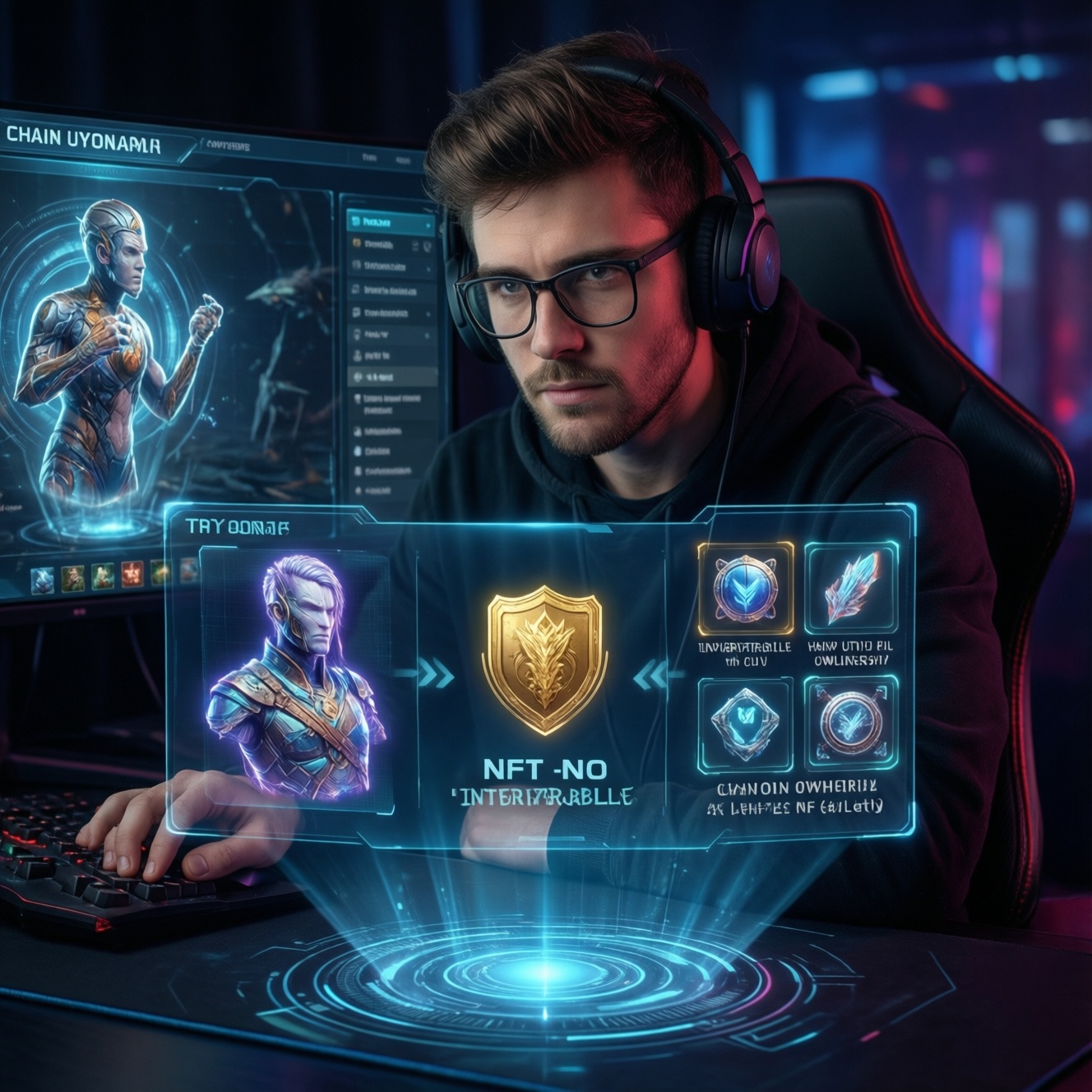
NFT skins and interoperable items can be worth considering only when you can verify on-chain ownership, clear in-game utility, and credible long-term support from the developer and marketplace. If you mainly want gameplay value, prioritize utility-first skins inside one strong game ecosystem; if you want portability, focus on interoperable NFT items with standards-backed metadata and realistic integration commitments.
Executive Snapshot: weighing hype, utility, and risk
- Default stance: treat "best NFT skins to invest in" as a utility question first, speculation second.
- Buy / Hold / Avoid: buy only when the skin is usable now; hold when utility is announced with dates and partners; avoid when "interoperable" is marketing without integrations.
- Marketplace reality: a reputable NFT game skins marketplace matters as much as the asset-liquidity, royalties, and dispute handling drive outcomes.
- Interoperability is gated: interoperable NFT items still require per-game implementation; standards help, but don't force adoption.
- Technical risk is practical risk: wallet hygiene, approvals, and bridges are the common failure points-not "the blockchain" in abstract.
- Regulatory ambiguity: treat resale profits as uncertain and plan for taxes/reporting; don't assume frictionless cash-out.
Market Hype Lifecycle for NFT Skins
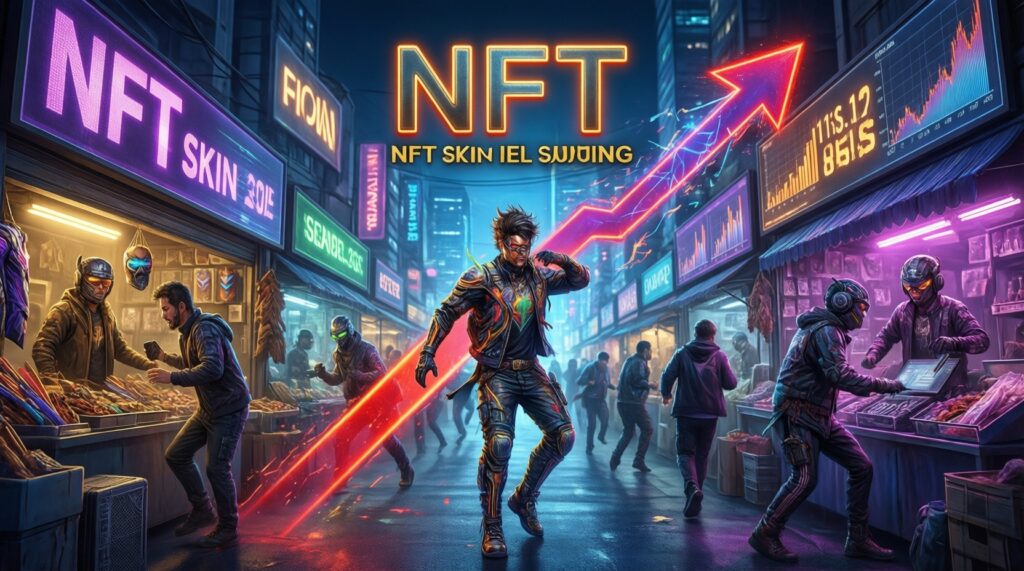
Context: NFT skins follow a predictable cycle (announcement → mint rush → secondary spikes → utility reality check). Trade-off: early access versus paying a hype premium. Action steps: use the criteria below before you buy NFT skins or chase "limited" drops.
Selection criteria for hype-resistant picks
- Immediate utility: does the skin work in-game today (not "coming soon")?
- Utility type clarity: cosmetic only vs gameplay-affecting (balance risk) vs access/pass.
- Publisher control: can the developer revoke/replace visuals or gate usage (terms, moderation)?
- Integration depth: is it a real item with behaviors/animations, or just a badge/image?
- Supply & issuance policy: fixed supply, seasonal reprints, or "evergreen" mints; look for explicit rules.
- Market structure: primary mint conditions, royalties, allowed marketplaces, and any transfer restrictions.
- Community + retention signals: active players/users matter more than social hype; verify in-game traction yourself.
- Exit feasibility: can you resell without relying on a single venue, and is there a clear path from NFT gaming items for sale to fiat?
Hype-cycle call: buy, watch, or walk away
- Buy: usable now + transparent supply + stable marketplace support.
- Hold/watch: credible integrations and timelines, but utility not live yet.
- Avoid: price driven by "floor" talk, influencer campaigns, or vague "metaverse-ready" claims.
Real-World Utility: functional interoperability across platforms
Context: "Interoperable" can mean many things, from simple cross-game cosmetics to fully portable 3D assets with shared stats. Trade-off: broader portability usually reduces fidelity and increases reliance on standards and partnerships. Action steps: pick the interoperability model that matches your goal (play, collect, trade, or integrate).
| Option | Who it fits | Pros | Cons | When to choose |
|---|---|---|---|---|
| Single-game utility skins | Players who mainly care about one title | Highest chance of real usage; consistent art/style | Not portable; value tied to one game's lifespan | When you want reliable in-game benefit and a simple "buy NFT skins" decision |
| Same-studio multi-game cosmetics | Fans of a publisher with multiple games | More plausible integrations (shared pipeline); better support alignment | Still limited to one ecosystem; changes depend on studio roadmap | When portability across a studio's catalog is explicitly shipped, not promised |
| Standards-based portable metadata (traits/rarity) | Collectors and traders | Easy to index; works across marketplaces; supports interoperable NFT items at the metadata level | Doesn't guarantee in-game visuals or mechanics | When your main objective is discovery/liquidity on an NFT game skins marketplace |
| Portable 3D assets (shared formats + licensing) | Creators and advanced users | Potentially reusable across engines/tools; higher "real asset" feel | Hardest to integrate; style mismatch; heavy IP/licensing constraints | When games publicly commit to importing/validating the exact asset format |
| Account-linked entitlements (token-gated unlocks) | Players who want access/perks across services | Clean UX; easy for developers to enforce; flexible benefits | Not truly portable as an item; depends on account and policy | When you value access (events, passes) over resale of NFT gaming items for sale |
| Bridge-enabled cross-chain items | Active traders spanning chains | Broader marketplace reach; potential fee advantages | Bridge and approval risks; fragmented liquidity; confusing provenance | When you understand bridging and accept operational risk for optional liquidity |
Interoperability stance: integrate, standardize, or ignore
- Integrate (for builders/teams): prefer standards-based metadata + explicit in-game adapters per title.
- Standardize (for collectors): target assets with consistent metadata and provenance to remain searchable and tradable.
- Ignore "interoperable" claims: if there are no shipped integrations or clear technical docs.
Technical Foundations: standards, wallets, and bridging
Context: technical design determines whether you can safely store, move, list, and actually use an item. Trade-off: convenience versus custody and security. Action steps: follow scenario-based rules before purchasing or moving assets.
If-then scenarios (practical recommendations)
- If an item's media/metadata is hosted off-chain without clear permanence or backup, then treat it as a revocable license and downgrade it from "investment-grade" to "collectible."
- If you need to use the skin in-game, then verify the game supports wallet linking and that the exact contract/address is recognized inside the game client-not just on a marketplace listing.
- If a listing requires you to "approve all" or grant unlimited token approvals, then stop and use minimal approvals; avoid signing unfamiliar messages when browsing an NFT game skins marketplace.
- If you plan to bridge assets, then separate wallets: one "hot" wallet for approvals and one "vault" wallet for storage; only move what you intend to trade.
- If interoperability depends on multiple games reading the same traits, then check whether traits are immutable and standardized (consistent keys/values), or whether the issuer can silently edit them.
Technical go/no-go: safe flow versus red flags
- Buy: clear contract provenance + safe wallet flow + documented game recognition.
- Avoid: unclear metadata mutability, vague standards talk, or forced broad approvals.
Economic Dynamics: valuation drivers and speculative signals
Context: price is mostly a function of utility, credibility, and liquidity-not rarity alone. Trade-off: chasing upside versus paying for real usage. Action steps: run this quick checklist before you decide what might be the best NFT skins to invest in for your specific goals.
- Define your objective: gameplay enjoyment, collection prestige, short-term trade, or long-term hold.
- Confirm live utility: can you use it today, and is the benefit meaningful (not just profile flair)?
- Score liquidity: can you list it on more than one venue, and do similar items actually sell (not just "listed")?
- Check supply discipline: understand whether "rare" can be reissued via seasons, variants, or remints.
- Identify speculative signals: heavy "floor price" chatter, guaranteed ROI claims, or sudden volume spikes without product updates should reduce your position size or push you to avoid.
- Plan the exit: decide where you will sell, what you'll accept as a good outcome, and when you'll stop holding if utility doesn't arrive.
Position sizing outcome: buy small, monitor, or skip
- Buy (small, deliberate): when utility + liquidity + credible roadmap align.
- Hold/watch: when the game is strong but the item's role is still evolving.
- Avoid: when the thesis depends on "next marketplace wave" rather than shipped value.
Security and Legal Pitfalls: ownership, provenance, and regulation

Context: many losses come from preventable mistakes: phishing, wrong contracts, and misunderstanding what "ownership" grants. Trade-off: speed of buying versus verification. Action steps: treat each purchase like software installation-verify before you trust.
Common mistakes to avoid
- Buying the wrong contract: counterfeit collections can look identical; verify official contract addresses from the game's official channels.
- Assuming NFT ownership equals IP rights: owning the token rarely grants rights to commercially use the art/brand.
- Ignoring transfer restrictions: some items can be frozen, blacklisted, or made unusable in-game via policy changes.
- Blindly trusting "verified" badges: treat them as hints, not proof; cross-check provenance and issuer identity.
- Signing malicious approvals: the most common drain path is granting spending permissions to a scam contract.
- Bridging without understanding finality: you may end up with wrapped representations that a game or marketplace won't recognize.
- Misreading "interoperable" as guaranteed adoption: other games can refuse support even if the NFT is technically compatible.
- Overconcentrating: putting too much into one set of NFT gaming items for sale increases platform and policy risk.
- Skipping tax/record keeping: track buys, sells, and transfers; unclear records create avoidable issues later.
Risk gate: proceed only after verification
- Buy: only after contract verification + minimal approvals + clear terms for in-game use.
- Avoid: anything requiring rushed signatures, DMs, or "support staff" wallets.
Roadmaps for Sustainability: governance, standards, and exit strategies
- If you want dependable gameplay value, then choose single-game utility skins in a game you already play and can validate today.
- If you want cross-title portability with realistic delivery odds, then choose same-studio multi-game cosmetics where integrations are already shipped.
- If you want tradability and discovery more than in-game usage, then choose standards-based portable metadata that stays readable across an NFT game skins marketplace.
- If you want maximum optionality and accept higher risk, then consider bridge-enabled cross-chain items but compartmentalize wallets and position size.
Best for players is usually a utility-first skin tied to one strong game you can verify in-client. Best for collectors/traders is typically an asset with clean provenance, consistent metadata, and multiple listing venues. Best for builders/creators tends to be standards-based items with documented formats and explicit integration commitments, rather than generic "interoperable NFT items" marketing.
Practical decision prompts and quick clarifications
Where should I look for NFT gaming items for sale without getting tricked?
Use well-known marketplaces, but still verify the contract address from the game's official site or official social links. A familiar NFT game skins marketplace reduces friction; it doesn't remove counterfeit risk.
What does "interoperable" actually guarantee for interoperable NFT items?
It guarantees nothing by itself. Interoperability is a capability that still requires each game to implement reading, rendering, and rules for the item.
Is it reasonable to ask what are the best NFT skins to invest in?
Yes, if you define "invest" as buying utility and liquidity rather than expecting guaranteed appreciation. If your thesis is only resale at a higher price, treat it as speculation.
When is it rational to buy NFT skins at mint?
When you can confirm immediate use, transparent supply rules, and a credible issuer. If utility is not live, you're paying for narrative, not function.
Are bridge-enabled skins safer or riskier than same-chain skins?
Riskier operationally because bridges and approvals add failure modes. Only bridge when you have a clear reason (required chain, needed liquidity, or supported game integration).
Does "verified collection" mean it's authentic?
No. Treat verification as a convenience signal; authenticity comes from matching the official contract address and issuer identity.
How do I reduce damage if I interact with many listings?
Use a separate hot wallet for browsing and approvals, and keep valuable assets in a vault wallet. Revoke unnecessary approvals regularly.