
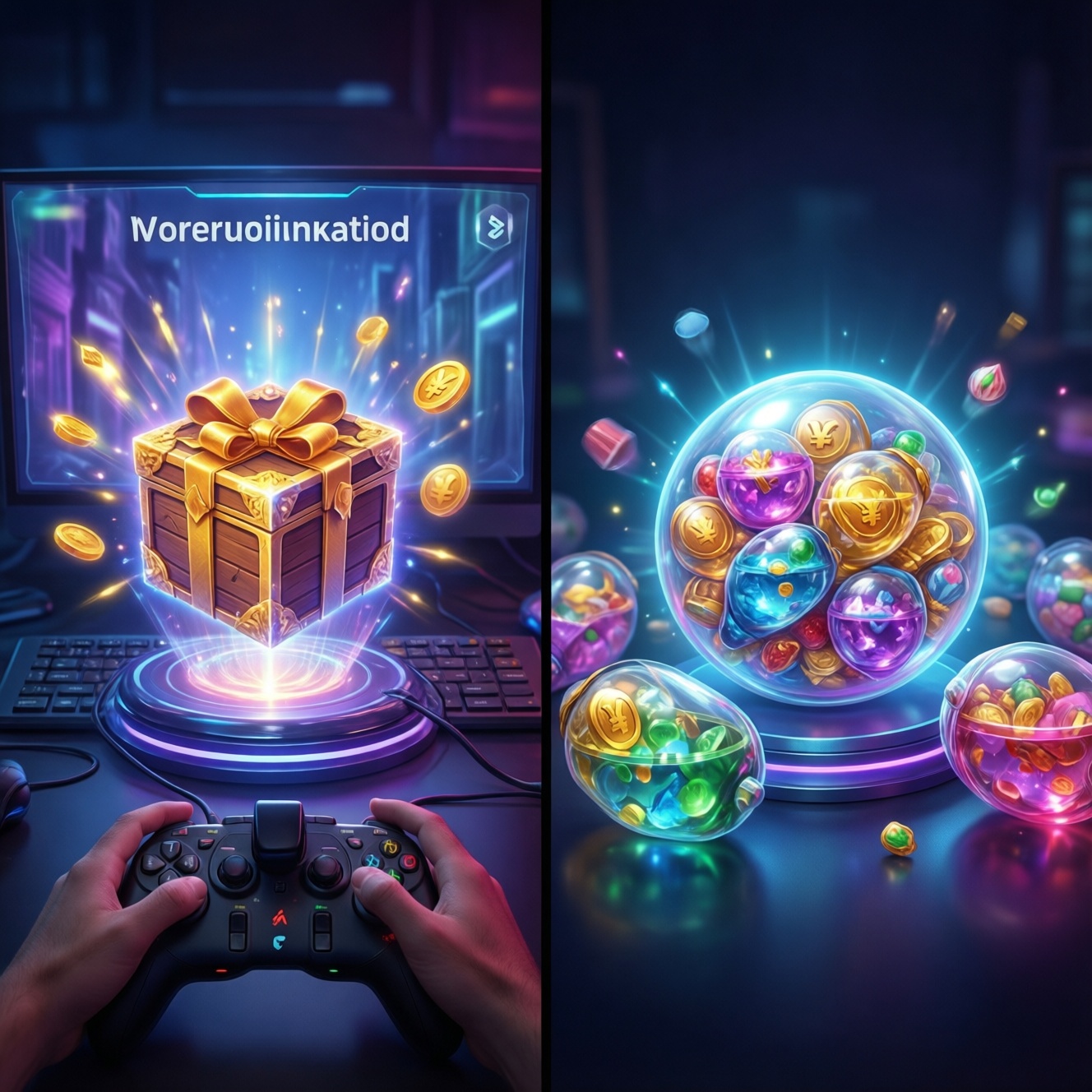
Loot boxes and gacha are both paid randomness systems, but they differ in how items are packaged, presented, and controlled. If your goal is to choose the better option, prioritize the one that matches your content cadence, transparency needs, and budget: loot boxes fit broad "reward packs," while gacha fits character/collection banners with stronger long-term tuning.
Mechanics at a Glance: Core Differences
- Packaging: Loot boxes bundle mixed rewards; gacha usually targets collectible units (characters/gear) via banners.
- Player expectation: Loot boxes feel like "opening packs"; gacha feels like "pulling for a unit" with progression toward a target.
- Control knobs: Gacha commonly adds pity/guarantees; loot boxes often rely on drop tables and duplicates/currency sinks.
- Content pipeline: Gacha performs best with frequent banner rotations; loot boxes can run longer with fewer content drops.
- Transparency pressure: Both benefit from odds disclosure; gacha players often expect clearer banner-specific odds and guarantees.
- Build cost: Simple loot boxes are cheaper to ship; robust gacha (banners, pity, featured pools) costs more to implement and QA.
Loot Box Architecture: Purchase Flows, Pools, and Drop Tables
If you're asking loot box คืออะไร: it's a paid (or earnable) container that grants randomized rewards from one or more configured pools. Use the criteria below to decide whether loot boxes fit your game better than gacha.
- Reward mix complexity: Are you giving a broad bundle (materials, cosmetics, boosters) rather than a single headline unit?
- Duplicate handling: Can duplicates convert into useful value (dust, shards, tokens) without feeling punitive?
- Pool scope: Do you need one global pool, multiple themed pools, or segmented pools by player level/region?
- Drop table governance: Can you maintain versioned tables (auditability) and a change log for balancing and disputes?
- Acquisition routes: Will boxes be earned, purchased, or both-and do paid and earned boxes share the same odds?
- Currency strategy: Is the box sold for premium currency, soft currency, or via bundles (battle pass, starter pack)?
- Progression ties: Do boxes accelerate progression (riskier) or mainly offer cosmetics/sidegrades (safer perception)?
- UX clarity: Can players clearly see what category they might get (at least rarity bands and headline items)?
- Live-ops load: Can your team run limited-time boxes responsibly (timers, disclosure, and support workflows)?
Gacha Architecture: Banner Types, Pull Systems, and Pity Mechanics
If you're asking gacha คืออะไร: it's a randomized pull system typically built around banners (featured pools) for collectible units/items. The best gacha designs are "tunable without surprises": banner rules, pity, and featured rates are explicit and consistent across releases.
| Variant | Who it fits | Pros | Cons | When to choose |
|---|---|---|---|---|
| Static Pool Gacha (no banners) | Small teams, slow content cadence | Cheapest to implement; simple QA; fewer live-ops failures | Weak excitement peaks; harder to spotlight new units | When you need a budget-first collectible system with minimal rotation |
| Rotating Featured Banner | Live-ops teams with predictable release schedule | Clear marketing beats; supports new-unit launches; controllable pool | Operational overhead; mistakes in pool composition are costly | When you can commit to banner calendar and consistent disclosures |
| Step-Up / Tiered Pull Track | Games needing structured spend milestones | Players understand progress; reduces "all-or-nothing" feel | More UI/logic; can feel coercive if steps are aggressive | When you want predictable conversion without relying only on RNG spikes |
| Pity / Guarantee Counter | Player bases sensitive to bad luck; long-term collectors | Reduces churn from unlucky streaks; improves perceived fairness | Requires careful economy tuning; abuse risk if counter resets poorly | When your headline units are central to gameplay and you need trust |
| Spark / Exchange Shop (pull currency → choose unit) | Mid-to-hardcore collectors; compliance-focused teams | Max transparency; strong player agency; easier to justify value | More systems (shop, tokens, expiry rules); can compress revenue peaks | When you want a premium-feeling gacha with a clear "endpoint" |
| Cosmetic-Only Gacha | Games avoiding pay-to-win perception | Lower ethical risk; easier community acceptance; safer for esports | Lower ARPPU potential for some genres; needs strong cosmetics pipeline | When gameplay integrity matters more than power progression sales |
Use the phrase ความแตกต่าง loot box กับ gacha as your internal shorthand: loot boxes optimize for "packs of mixed value," while gacha optimizes for "target pursuit" (banner + pity/spark). If you're running monetization like ซื้อเพชร gacha ราคาถูก deals or เติมเกม gacha โปรโมชัน campaigns, gacha variants with clear counters (pity/spark) are easier to message without backlash.
Randomness and Disclosure: Odds, RNG Models, and Player Transparency
- If you cannot reliably disclose banner/box odds per pool, then avoid complex rotation and ship a static pool first (budget-friendly, fewer compliance surprises).
- If your game sells power (meta-relevant units/items), then add pity or spark, and publish odds per rarity and featured group to reduce "unbounded loss" perception.
- If you run frequent promos (e.g., เติมเกม gacha โปรโมชัน) and price-led offers, then couple them with visible progress (step-up, pity counter) so the offer feels like value rather than pure gambling.
- If your audience is spend-sensitive and actively hunts deals (e.g., ซื้อเพชร gacha ราคาถูก), then prefer systems that convert spend into predictable outcomes (exchange tokens/spark), because "cheaper pulls" without guarantees amplifies frustration.
- If you need a premium-tier implementation, then use server-side RNG with audit logs, versioned tables, and per-banner snapshots; it's more expensive but protects you during disputes and balancing rollbacks.
Monetization Impact: Spending Behavior, Retention, and Ethical Risks
- Define what's being sold: power, time, or cosmetics; if it's power, default toward gacha with pity/spark rather than pure loot box RNG.
- Choose the "failure state": duplicates convert to currency (loot box) or progress toward guarantee (gacha); avoid dead-end outcomes.
- Set a player-protecting ceiling: implement pity, spark, or capped spend tracks where feasible; document the rules in plain language.
- Validate retention loops: ensure pulls don't invalidate core gameplay progression; keep earned pathways meaningful.
- Stress-test promotions: model what happens when players buy discounted currency (e.g., "cheap gems") and hit worst-case luck-then decide if your system remains defensible.
- Align support readiness: confirm you can handle refund requests, odds questions, and "missing item" claims with logs and reproducible outcomes.
- Run an ethics review: check for pressure tactics (timers, limited supply, aggressive popups) and tone them down if your brand depends on trust.
Regulation and Compliance: Global Legal Trends and Precedents
- Assuming "randomized reward" is always treated the same across jurisdictions; requirements can differ by region and platform policy.
- Publishing generic odds while changing underlying pools; odds should match the exact banner/box configuration players buy.
- Resetting pity counters in unclear ways (banner swaps, reruns, or maintenance) without transparent rules.
- Mixing paid and earned boxes/pulls under the same UI while using different drop tables; players perceive this as deceptive.
- Letting promotions override disclosures (e.g., ad says "guaranteed" but in-game rules do not).
- Not keeping immutable server logs for outcomes and pool versions; this makes disputes and chargebacks harder to resolve.
- Allowing minors to purchase without strong safeguards (spend limits, confirmations, parental controls where applicable).
- Designing "near-miss" UX patterns (animations implying you almost won) that increase gambling-like perception.
- Failing to separate monetization messaging from gameplay messaging, leading to dark-pattern accusations.
Practical Design for Low-Budget Studios: Cost-Effective, Fair, Compliant Approaches
Best for a small budget and broad rewards is a simple loot box with clear rarity bands, duplicate-to-currency conversion, and stable tables you rarely rotate. Best for a collector-driven roster and long-term trust is a gacha with one featured banner at a time plus pity or a light spark shop, even if you keep the UI minimal and limit promo complexity.
Targeted Clarifications for Developers and Analysts
Is "loot box" just another word for gacha?
No. Both are randomized monetization, but loot boxes are typically "packs" with mixed rewards, while gacha is usually banner-based targeting of collectible units with stronger guarantee patterns.
Which is easier to ship for a small studio?
A basic loot box or static pool gacha is usually simpler. Rotating gacha banners with pity/spark require more configuration, QA, and support tooling.
Do I need to disclose odds?
Even when not strictly mandated everywhere, odds disclosure reduces disputes and improves trust. If you cannot disclose accurately per pool, reduce rotation complexity.
What's the minimum "fairness" feature you should add?
Provide a non-punitive duplicate system (conversion currency) or a pity-like progress counter. Pick one and explain it clearly in-game.
How do promotions like เติมเกม gacha โปรโมชัน affect risk?
Promos increase purchase volume, which amplifies complaints if unlucky streaks feel unbounded. Pair promos with visible progress mechanics (step-up, pity, spark) and consistent rules.
How should I think about players searching ซื้อเพชร gacha ราคาถูก?
They are price-sensitive and outcome-focused. Ensure discounted currency doesn't funnel players into pure RNG without protections; otherwise, frustration spikes and refunds rise.
What's a practical definition I can use in Thai SEO text?
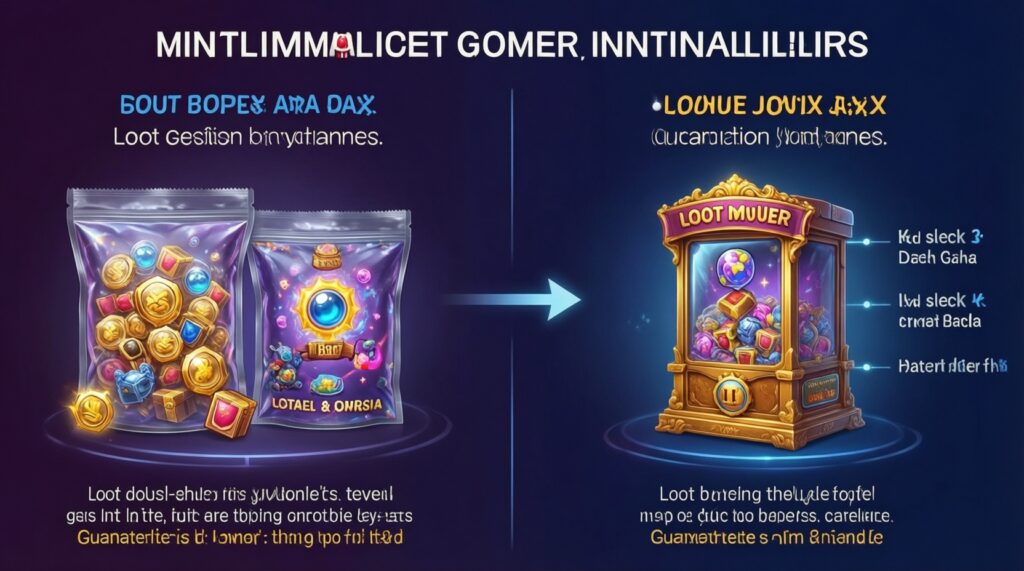
Use concise explanations like "loot box คืออะไร" and "gacha คืออะไร" directly in your page copy, then reinforce the ความแตกต่าง loot box กับ gacha via one clear example of packs vs banners plus guarantees.