

Loot boxes and gambling both use chance, but law and enforcement usually focus on three moving parts: whether you pay a stake, whether the outcome is chance-dominant, and whether the prize has real-world value or can be cashed out. In Thailand, the practical risk increases when loot box items can be traded, sold, or converted to money.
Executive summary - where chance stops and wagering starts
- A เกมลูทบ็อกซ์ can stay "random reward" if spending is optional, odds are disclosed, and rewards are locked to the account with no cash-out path.
- It starts to look like "เดิมพัน" when users pay for a chance at a valuable prize, especially if it's transferable or convertible.
- For players, the biggest red flag is any secondary market that turns items into money-like value.
- For developers, the strongest mitigation is: disclose probabilities, prevent trading, and avoid "near-miss" manipulations.
- For regulators, the most actionable test is: stake + chance + prize with value (including indirect value) and promotion to the public.
- Marketing language matters: "win," "jackpot," or casino-style framing can push perception toward คาสิโนออนไลน์-like wagering even if the code is the same.
How loot boxes are engineered: probability, visibility and monetization
Use these criteria to separate "randomness for engagement" from "randomness for wagering."
- Payment trigger: Is spending required to access the random outcome, or can you earn boxes via play?
- Odds disclosure: Are item probabilities published, stable, and accessible before purchase?
- Reward type: Cosmetic-only vs performance advantage vs progression gating (pay-to-progress pressure).
- Prize liquidity: Can rewards be traded, gifted, sold, or exchanged for a currency that can exit the game?
- Stake framing: Is the purchase framed as buying content, or as buying a chance to win something?
- RNG governance: Is randomness server-side, logged, auditable, and consistent across users?
- Behavioral design: Near-miss visuals, "limited-time" panic, escalating offers, or streak systems that mimic betting psychology.
- Spending controls: Caps, cooldowns, age gates, self-exclusion tools, and clear spending history.
- Channel risk: Integration with third-party marketplaces, "top-up" agents, or social selling that enables ซื้อกล่องสุ่มออนไลน์ at scale.
Regulator lens on loot box engineering
- Primary concern: conversion from entertainment randomness into a monetizable prize structure.
- Signals: public promotion, repetitive paid attempts, and any cash-out path.
- Evidence: logs of odds, purchase flows, redemption, and marketplace links.
Developer lens on loot box engineering
- Design goal: keep randomness inside the product (non-transferable rewards, clear probabilities).
- Operational goal: be able to prove fairness and controls if questioned.
- Brand goal: avoid casino-like visuals and language that makes it resemble คาสิโนออนไลน์.
Player lens on loot box engineering
- Ask: am I paying for content, or paying for a chance?
- Watch for: "one more try" loops, bundles that hide true cost, and time-limited pressure.
- Safer patterns: earnable boxes, transparent odds, and cosmetics-only rewards.
Legal definition of gambling: stake, chance and prize explained
In practice, decision-makers look for a "stake + chance + prize" structure. Below are common product variants and when each tends to resemble a pure random-reward mechanic versus something closer to gambling. This is not legal advice; treat it as a risk-comparison lens for กฎหมายการพนันประเทศไทย.
| Variant | Who it fits | Pros | Cons | When to choose |
|---|---|---|---|---|
| Earn-only random box (no paid purchase) | Games prioritizing retention without monetizing chance | Lowest "stake" signal; clearer separation from wagering | Less direct revenue; still needs fairness/anti-addiction care | If you want randomness but minimal legal/PR risk |
| Paid loot box with disclosed odds, rewards bound to account (no trading) | Mainstream F2P monetization with compliance posture | Strong mitigation: transparency + no cash-out path | Still "pay for chance"; can trigger scrutiny if aggressive | If you monetize เกมลูทบ็อกซ์ but can lock rewards and publish odds |
| Paid loot box where duplicates can be exchanged for in-game currency (closed loop) | Games needing "pity" value for duplicates | Reduces buyer regret; helps perceived fairness | Exchange rates can become an indirect "value" signal | If your currency cannot be withdrawn and rates are simple and stable |
| Paid loot box with player-to-player trading / marketplace | Economy-driven games with social trading | Higher engagement; collectible appeal | Biggest jump in gambling resemblance: prizes gain market value | Only if you can control markets tightly and accept higher regulatory risk |
| Loot boxes purchasable via third-party resellers / "top-up" agents | Titles relying on broad distribution channels | Sales reach; convenience for users who prefer local payment rails | Harder oversight; can look like mass ซื้อกล่องสุ่มออนไลน์ campaigns | If you have strong reseller policies, monitoring, and takedown processes |
| Casino-style "spin" / "jackpot" mechanic with paid retries | Apps leaning into wagering aesthetics | High conversion | Highest optics risk; can be treated like gambling behaviorally | If you are operating under a clearly permitted gambling regime (rare); don't mix with youth audiences |
Regulator lens on stake-chance-prize analysis
- Stake: money or money-like value paid to participate repeatedly.
- Chance: outcomes not meaningfully controlled by skill.
- Prize: anything of value, including indirect value through tradability.
Developer lens on defining gambling risk
- Best "risk reducers": no trading, no cash-out, clear odds, and conservative marketing.
- Prepare documentation: odds tables, RNG spec, purchase UX, logs, and policies.
- Avoid blurring lines with language that implies เว็บพนันออนไลน์ถูกกฎหมาย positioning.
Player lens on what counts as a stake and a prize
- Paying for a skin is different from paying for a probability.
- Trading-enabled items can turn "fun randomness" into "financialized chasing."
- If it feels like คาสิโนออนไลน์, treat it with the same spending discipline.
Randomness under the microscope: algorithmic RNG versus player risk
Use these scenario rules to pick the safest and most defensible implementation.
- If you sell paid boxes, then disclose probabilities upfront and keep them stable; don't personalize odds per user segment.
- If rewards affect competitive power, then cap purchases, add earnable paths, and avoid "pay to roll for advantage."
- If you allow trading, then assume the prize can gain real-world value and treat the feature as high risk for กฎหมายการพนันประเทศไทย scrutiny.
- If you use pity systems, then describe them plainly (e.g., guaranteed drop after N opens) and avoid disguising them as "almost won" near-misses.
- If you rely on resellers for ซื้อกล่องสุ่มออนไลน์, then implement reseller contracts, monitoring, and clear consumer complaint routes.
Regulator lens on RNG integrity and consumer harm
- Randomness is acceptable; undisclosed manipulation is not.
- Key question: does design increase harmful repetitive spending?
- Auditability matters: can outcomes be reconstructed from logs?
Developer lens on auditable RNG operations
- Prefer server-side RNG with immutable logs and anomaly detection.
- Keep segmentation to pricing/offers, not to hidden probability shifts.
- Document edge cases: refunds, chargebacks, duplicate handling.
Player lens on managing chance-based spend
- Assume each roll is independent unless the game states otherwise.
- Set a budget before opening; stop-loss beats "chasing."
- Be wary of "limited-time" rolls tied to social pressure.
Tests courts use to decide when a loot box equals a bet
This checklist is a fast way to classify a mechanic before launch or before spending money.
- Identify the stake: Do you pay money (or money-like credits) to access the random outcome?
- Confirm chance dominance: Is the outcome mostly random rather than skill-controlled?
- Define the prize: What exactly can be won (item, currency, access, advantage)?
- Check real-world value: Can the prize be sold, traded, gifted, or converted outside the game?
- Assess repeatability: Can users buy repeated attempts quickly (rapid re-buys, bundles, auto-reopen)?
- Review promotion and audience: Is it marketed like คาสิโนออนไลน์ or positioned near เว็บพนันออนไลน์ถูกกฎหมาย narratives?
- Look for harm controls: Are there spending limits, age gating, and clear disclosures?
Regulator lens on judicial-style classification tests

- The "value" question often decides the case: transferable prizes raise the temperature.
- Repetition and promotion to the public strengthen the gambling analogy.
- Controls and disclosures reduce harm but don't erase core structure.
Developer lens on preparing for scrutiny
- Design for a clean "no-cash-out" story you can prove technically.
- Make disclosures unavoidable at purchase decision time.
- Train support teams to answer "is this gambling?" consistently and accurately.
Player lens on spotting betting-like loops
- If the prize can be monetized, treat the purchase as a financial risk, not entertainment.
- Repetitive paid retries are the behavioral hallmark of betting.
- If you're unsure, choose earn-only rewards or direct purchases.
Global regulatory snapshot: precedents, contrasts and emerging trends
Common mistakes that cause teams and users to misclassify loot boxes vs gambling across jurisdictions (and trigger enforcement/PR problems):
- Equating "digital" with "no value": markets and trading can create value even without official cash-out.
- Relying on disclaimers only: "for entertainment" text doesn't fix stake/chance/prize structure.
- Hiding odds in deep menus: disclosure must be accessible before payment, not after.
- Casino aesthetic creep: reels, chips, jackpots, and "win" language make a เกมลูทบ็อกซ์ look like gambling.
- Overusing time pressure: limited-time banners + paid retries can resemble wagering campaigns.
- Ignoring resellers: uncontrolled ซื้อกล่องสุ่มออนไลน์ distribution can undermine compliance claims.
- Assuming "everyone does it" is a defense: enforcement is often selective and complaint-driven.
- Mixing minors with monetized chance: age-related sensitivity is high in most regulatory environments.
- Confusing "licensed gambling" logic: what counts as เว็บพนันออนไลน์ถูกกฎหมาย elsewhere does not map cleanly to Thailand.
Regulator lens on cross-border enforcement patterns
- Trend: focus on consumer harm, transparency, and monetization of chance.
- Secondary markets are treated as accelerants of "value."
- Marketing and UX are evaluated, not only backend code.
Developer lens on platform policy and jurisdiction drift
- Trend: build compliance-by-design rather than patching disclosures later.
- Platform policies can be stricter than national law; align early.
- Prepare a "mechanic dossier" for internal review and partner due diligence.
Player lens on safer interpretation across apps
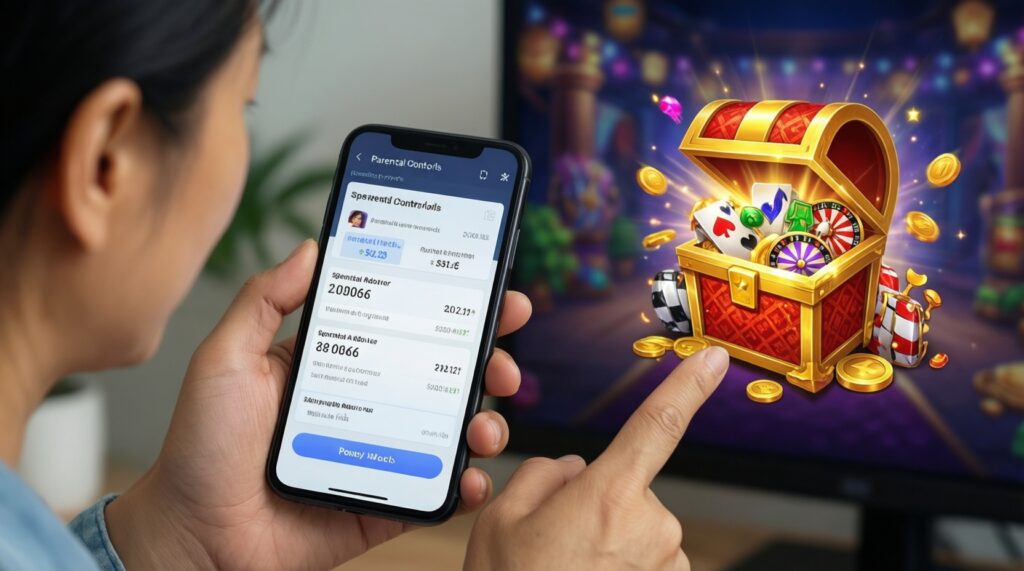
- Trend: regulators increasingly treat heavy monetized randomness as a consumer protection issue.
- Don't assume casino-like apps are safer because they claim legitimacy.
- Use parental controls and spending reports for household risk management.
Stakeholder playbook: compliance, design mitigation and consumer guidance
Best fit varies by your goal. For regulators, the most workable "line" is to treat paid chance plus monetizable prizes as gambling-like risk and prioritize transparency and cash-out prevention. For developers, the most defensible option is a paid loot box with clear odds and non-transferable rewards, or better, earn-only randomness. For players, the safest choice is direct purchase or earn-only rewards; avoid trading-enabled boxes that behave like คาสิโนออนไลน์ in spending cadence.
Short legal and practical queries with concise answers
Is buying a loot box always gambling in Thailand?
No. Risk depends on stake + chance + prize value, especially whether rewards can be monetized or traded in ways that create real-world value under กฎหมายการพนันประเทศไทย.
What makes a loot box look most like a bet?
Paying repeatedly for a random outcome where the prize can be traded/sold or effectively cashed out. Casino-like presentation can intensify that perception.
If odds are disclosed, is it automatically safe?
Odds disclosure helps transparency but doesn't eliminate gambling-like structure. Transferability and cash-out pathways still matter.
Are mystery boxes sold on social commerce the same as in-game loot boxes?
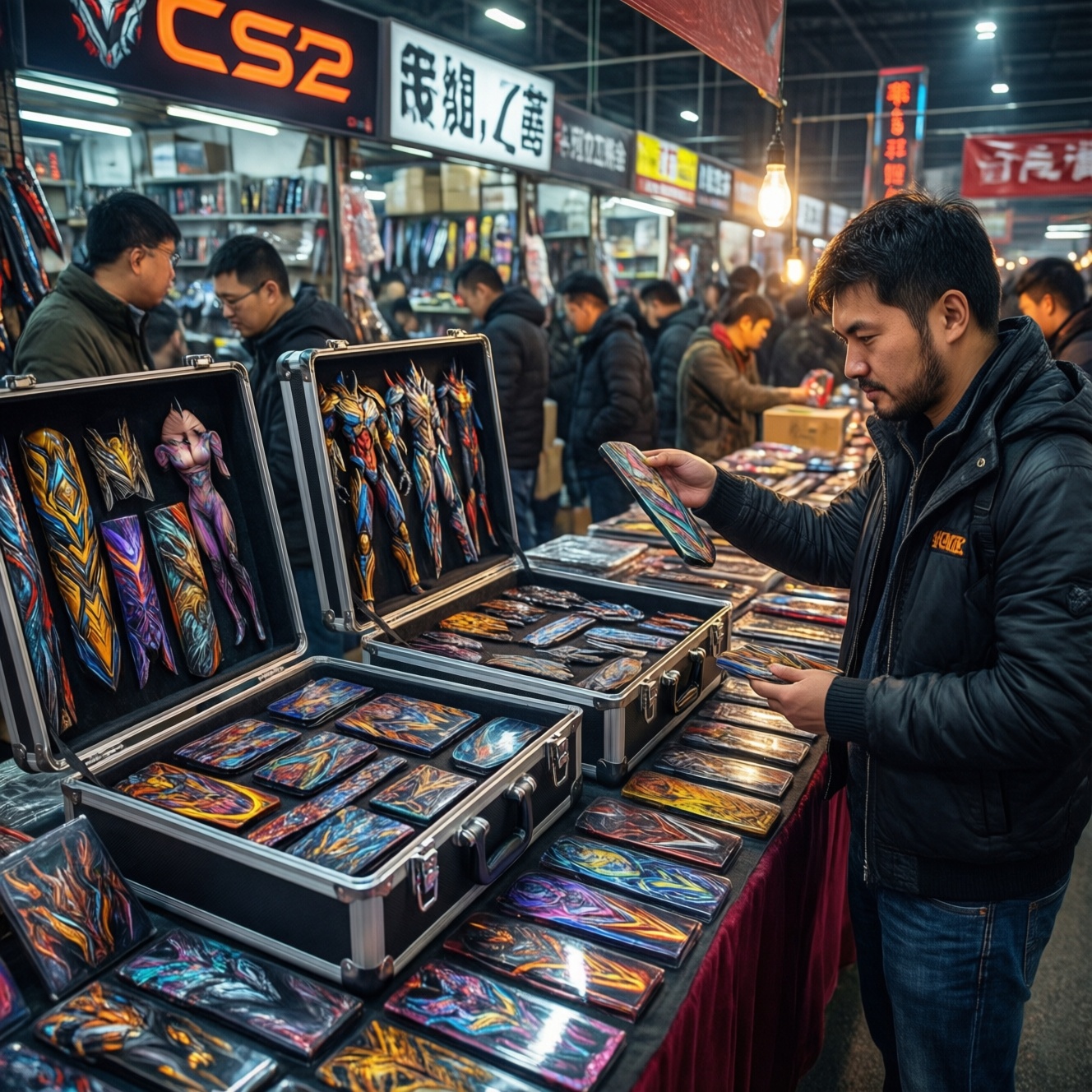
They can be riskier because the prize is often physical or resellable and the purchase is explicitly for a chance. This is common in ซื้อกล่องสุ่มออนไลน์ contexts.
How do I tell if an app is effectively คาสิโนออนไลน์?
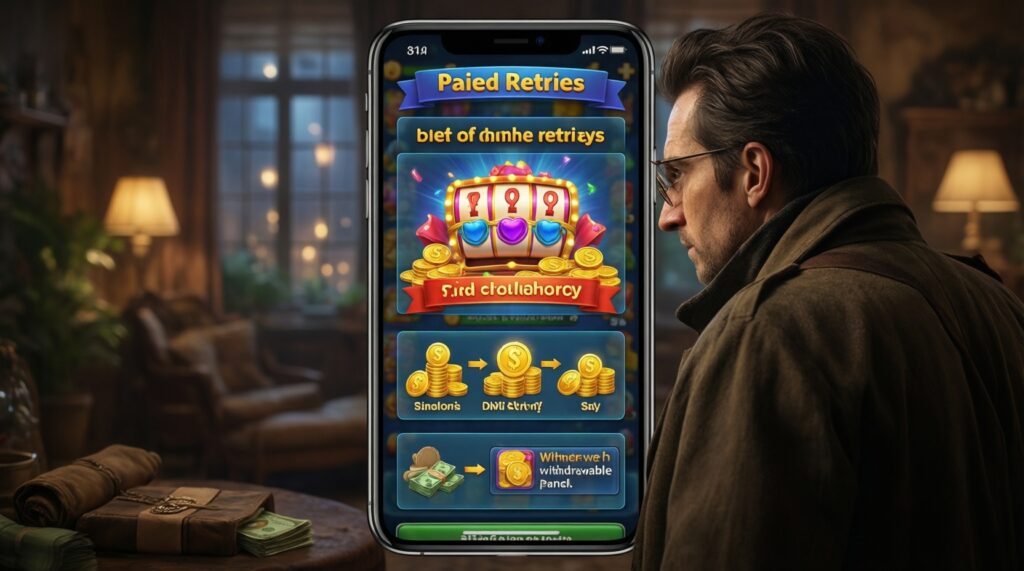
Look for paid retries, "win/jackpot" framing, and prize conversion to withdrawable funds. If the loop resembles wagering, treat it like gambling regardless of labels.
Does เว็บพนันออนไลน์ถูกกฎหมาย exist as a simple category I can rely on?
Not as a universal shortcut. Legality is jurisdiction-specific and often depends on licensing, location, and operational controls; don't treat marketing claims as proof.
What is the safest consumer alternative to loot boxes?
Direct purchase of the exact item (no randomness) or an earn-only reward track. Both avoid paying for a chance-based prize.