

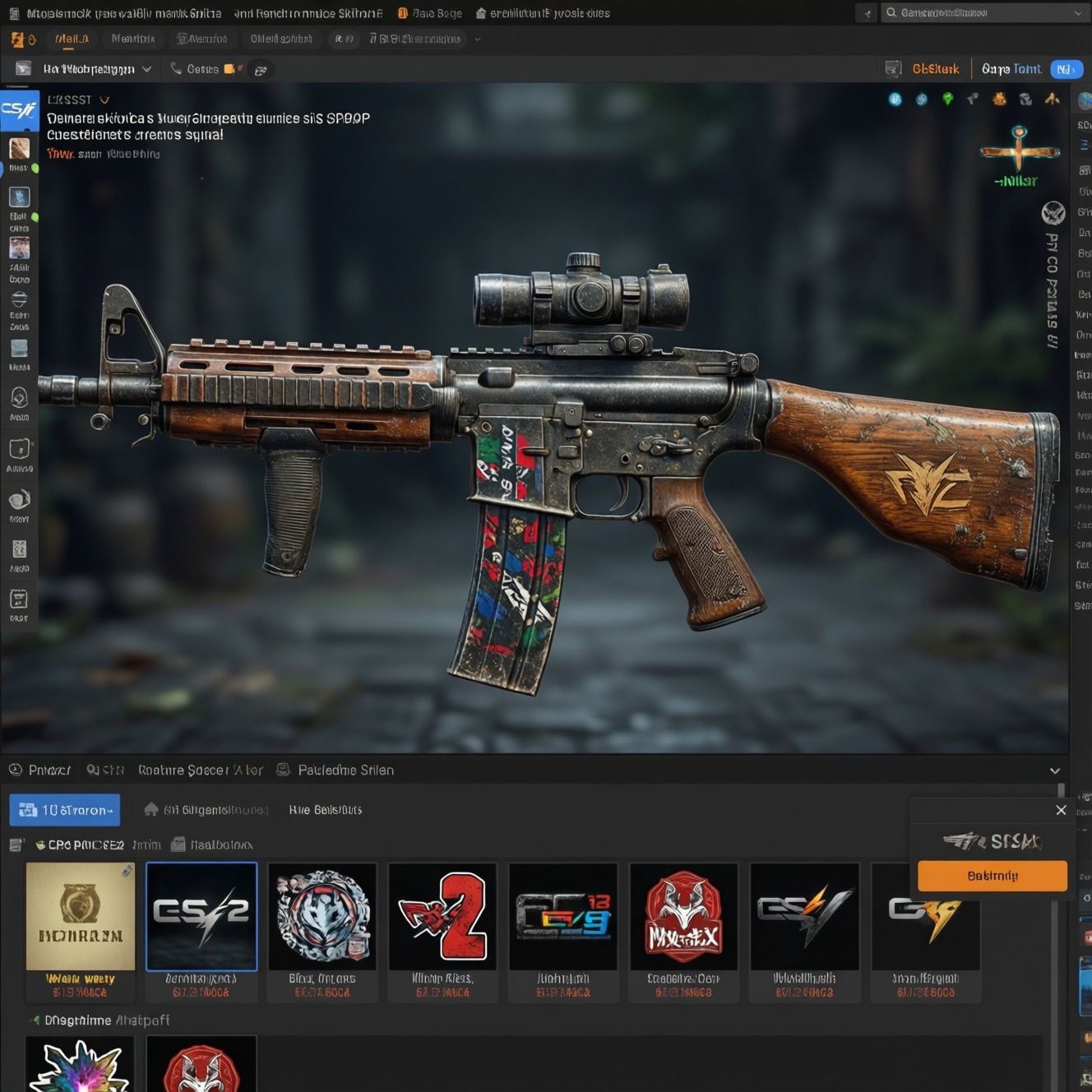
To price and trade CS2 skins profitably, you must verify three things on the exact item: float (wear), pattern ID (finish variation), and scarcity signals (rarity, stickers, supply). Combine them with a timestamped market snapshot, then decide whether the item is "normal", "above-average", or "special" before you buy, bet, or list.
Reality Check: What Actually Moves CS2 Skin Value
- Price comes from comparable sales, not from what someone "lists for".
- Float matters only when it changes the buyer pool (collectors vs. casual buyers), not on every skin equally.
- Pattern is binary on many finishes: most patterns are normal, a few are premium-know which is which before paying extra.
- Rarity is a supply constraint, but demand cycles can override it short-term.
- Stickers add value only if they are desirable, well-placed, and un-scraped-otherwise treat them as decoration.
Myths That Cost You Money: Float, Pattern and Rarity Misconceptions
Takeaway: Most overpaying happens when you treat float, pattern, or rarity as universal multipliers instead of item-specific signals.
Myth 1: "Lower float always means higher price." In reality, many skins have a wide "acceptable" wear range where buyers don't pay extra. Float becomes valuable when it crosses a collector-relevant threshold for that finish, or when it meaningfully changes the look.
Myth 2: "Any pattern check is a hidden jackpot." Most pattern IDs are near-equivalent; premiums usually exist only for specific families (e.g., known sought-after layouts). Paying a premium without a verified premium pattern is the fastest way to lose value during resale.
Myth 3: "Rarity guarantees profit." Rarity controls supply, but your exit price depends on current demand, listing competition, and how quickly you need liquidity-especially if you're chasing ราคาสกิน CS2 ล่าสุด during a spike.
- Separate "market price" from "collector premium": decide which one you're buying.
- Verify the exact item: inspect link, float value, and pattern ID-don't rely on screenshots.
- Compare only true equivalents: same skin, same condition band, similar float range, same special features (if any).
- Assume "normal" unless proven special: premiums need evidence (recognized pattern, exceptional float, meaningful sticker setup).
- Rule of thumb: If you can't explain the premium in one sentence a buyer would accept, don't pay it.
| Signal | What you're checking | When it matters most | Common trap |
|---|---|---|---|
| Float (Wear) | Exact float value and visual wear | Collector-grade lows/highs or look-changing wear | Overpaying for "slightly better" float no one filters for |
| Pattern ID | Finish variation tied to pattern seed | Known premium patterns in specific skin families | Paying for "rare pattern" without recognized demand |
| Rarity & Supply Signals | Rarity tier, availability, sticker desirability | Low supply plus stable demand | Ignoring liquidity and undercut wars |
How Float Works: Interpreting Wear Values and Market Impact
Takeaway: Use float to classify condition precisely, then check whether buyers actually pay for that precision on this skin.
- Get the float from the inspected item (not the listing title): this is your เช็ค Float CS2 step.
- Confirm the condition band (FN/MW/FT/WW/BS) and then place the float within that band (low-end vs. high-end).
- Look for "appearance breakpoints": some finishes visibly change at certain wear levels; others look similar across a band.
- Check how the market filters: if buyers commonly filter for "low float FN" (collector behavior), float premium is more likely.
- Price against comparable floats: compare your float to recent sold/active listings with similar floats, not just the same condition label.
- Rule of thumb: If the skin looks the same to a casual buyer and there's no collector narrative, treat float premium as optional, not mandatory.
Pattern IDs and Skins: Identifying Premium Patterns and Trades
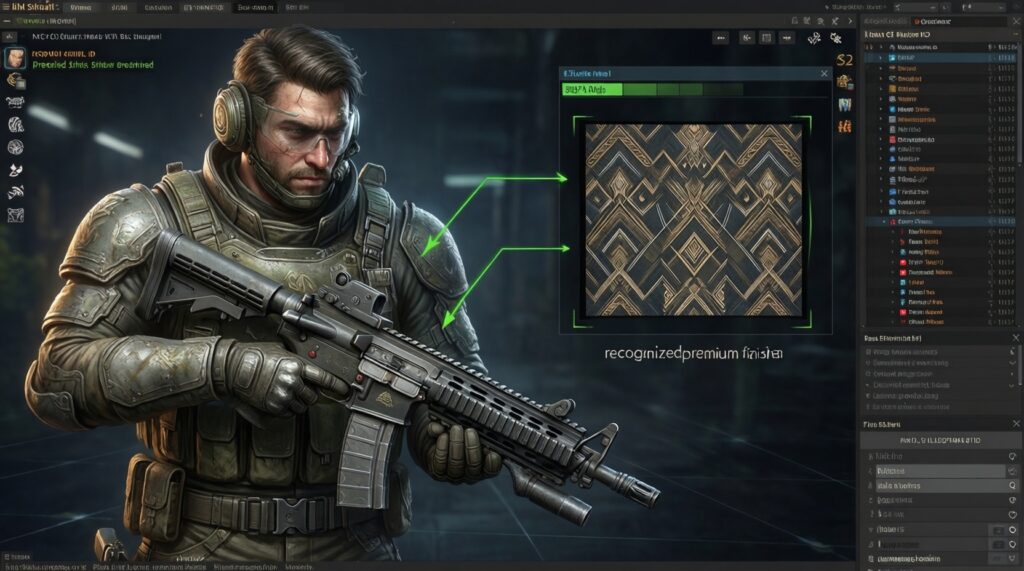
Takeaway: Pattern value is scenario-based-use pattern checks only when a skin family is known to have meaningful pattern demand.
- Buying a "special pattern" listing: do เช็ค Pattern CS2 via inspect, record the pattern ID, and verify it matches a recognized premium pattern for that finish.
- Sniping underpriced patterns: scan "normal-priced" listings, then inspect quickly; your edge is spotting a premium pattern before others do.
- Negotiating trades: when someone claims "rare pattern," request the inspect link and treat the premium as zero until verified.
- Managing resale risk: if a pattern premium is niche, plan a longer sell time or a smaller premium to exit faster.
- Avoiding fake comps: don't compare a premium-pattern item to "same skin, different pattern" listings.
- Rule of thumb: If you can't find buyers explicitly searching for that pattern type, you're not buying a premium-you're buying a story.
Rarity Tiers and Stickers: Quantifying Scarcity for Valuation
Takeaway: Rarity and stickers are only valuable when they create scarce, desirable combinations that buyers actively want and can recognize.
- Pros (when rarity/stickers help pricing):
- Rarity supports a floor when supply is tight and demand is stable.
- Popular sticker combinations can add collector appeal, especially with clean placement and no scraping.
- Recognizable "themes" (team, color matching, legacy hype) can improve liquidity in the right niche.
- Limits (where people misprice):
- Rarity doesn't guarantee quick sales; liquidity can be worse on expensive or niche items.
- Sticker cost ≠ sticker value on a skin; many buyers discount heavily unless the combo is sought-after.
- Over-customization risk: a "unique" craft can reduce your buyer pool if tastes don't match.
- Rule of thumb: Treat sticker value as "bonus only" unless you can show clear market comps for similar crafts.
Practical Price Checks: Tools, Market Signals and Timestamping
Takeaway: A good price check is a repeatable workflow: verify item → pull live comps → timestamp → decide your max buy and target sell.
- Start with the exact item identity: skin name, condition, stattrak/souvenir status, float, pattern ID, stickers.
- Use multiple market views: Steam Community Market for broad signals, plus reputable third-party marketplaces for liquidity and pattern/float niches (don't rely on a single screen).
- Timestamp your snapshot: note local time (TH) and market state; "ราคาสกิน CS2 ล่าสุด" changes fast during events.
- Compare like-for-like: same feature set first; only then adjust for float/pattern premium with evidence.
- Set two numbers: maximum buy price (after fees) and minimum acceptable sell price (after fees).
- Common mistakes that break your เช็กราคาสกิน CS2:
- Using the lowest listing as "market price" without checking if it's a different float/pattern/sticker state.
- Ignoring fees and assuming you can exit at the same headline price you bought.
- Trusting "rare" claims without inspect-based verification.
- Pricing off thin markets where only a few listings exist and none are moving.
- Skipping liquidity checks: you can be "right" and still stuck holding.
- Rule of thumb: If you can't find clean comparables, lower your buy price or don't buy.
Risk-Controlled Strategies: When to Bet, Hold or Flip a Skin
Takeaway: "Profitable" trading is mostly position sizing and exit planning-especially if your goal is เทรดสกิน CS2 ให้คุ้ม rather than collecting.
- Bet (speculative buy) only when you have a clear edge (mispriced float/pattern, temporary undercut, or verified premium feature) and a planned exit window.
- Hold when the item is liquid enough and your thesis is demand-driven (not just "it's rare"). Re-check comps on a schedule.
- Flip when the spread supports it after fees and you can undercut safely without racing to the bottom.
- Cap downside: if you can't sell quickly near your entry, treat it as a collector buy-not a trade.
Workflow (simple):
inspect(item)
features = {float, pattern, stickers, rarity_flags}
comps = get_live_comparables(features)
if comps are thin: pass OR require deep discount
max_buy = conservative_price(comps, after_fees=true)
target_sell = realistic_price(comps, after_fees=true)
if buy_price <= max_buy: buy
else: pass- Mini example: You find a listing priced like a "normal" item. You inspect, confirm an unusually desirable float or a verified premium pattern, then you set a target sell slightly below the nearest true comparable to exit without waiting for the perfect buyer.
Common Trading Doubts Addressed
Is float always the first thing I should check?
Check item identity first, then float. Float only deserves priority when the skin family has known float premiums or visible wear breakpoints.
Can I trust the listing title that says "low float" or "rare pattern"?
No. Always verify via an inspect link; titles are marketing and are often wrong or incomplete.
How do I know if a pattern is actually premium?
Premium patterns are defined by consistent buyer demand and comparable sales, not by how unusual the pattern looks to you.
Do stickers add resale value reliably?
Only sometimes. Value depends on sticker desirability, placement, condition (not scraped), and whether comparable crafts actually sell.
What's the fastest safe way to check "latest CS2 skin price"?

Use a timestamped snapshot: verify features, then compare across live listings and recent sales where available. Don't anchor to a single lowest listing.
When should I avoid trading a skin even if it seems underpriced?

Avoid when liquidity is thin, comps are unclear, or you can't define an exit price after fees. "Cheap" can still be untradeable.
Should I flip on the Steam market or third-party markets?
Choose based on fees, liquidity, and buyer behavior for that skin type. Your best venue is where comparable items are actually moving.