

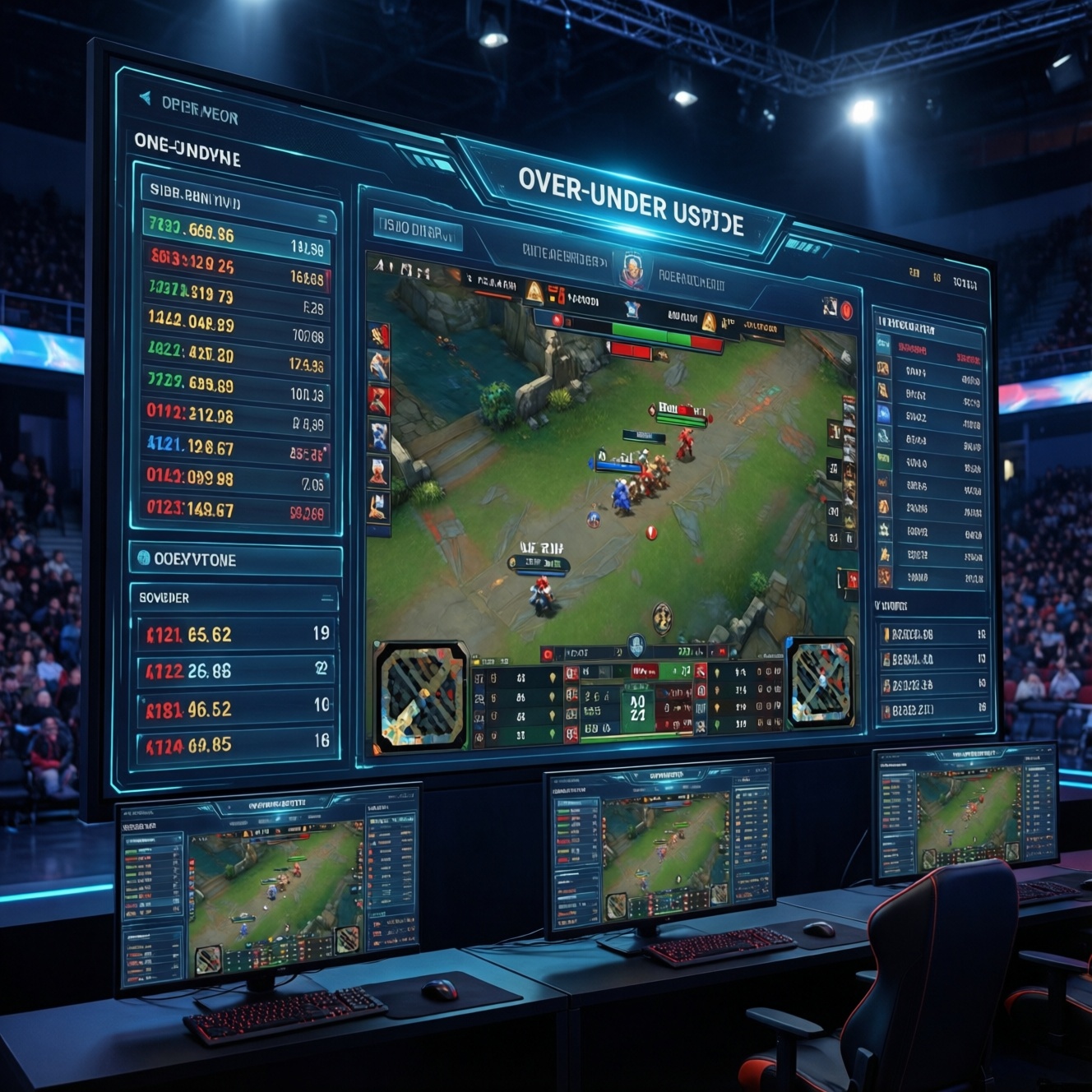
eSports betting is wagering on competitive video-game outcomes (matches, maps, rounds, or in-game objectives) using sportsbook-style odds. In practice, most พนันอีสปอร์ต revolves around three markets: match winner, map handicap, and totals (over/under). Understanding odds formats, implied probability, and game-specific market rules is what makes bets consistent instead of random.
Quick concept summary and actionable conclusions
- eSports markets are built around the tournament format (Bo1/Bo3/Bo5), so always confirm the settlement unit: match, map, or round.
- Start with two structures you can reliably model: match winner and เดิมพันอีสปอร์ต over under totals.
- Use เดิมพันอีสปอร์ต handicap (map handicap) to express "strong favorite" or "close series" views without needing exact scores.
- Convert odds to implied probability to sanity-check your edge and avoid overpaying for favorites.
- For limited resources, focus on fewer leagues, fewer teams, and fewer markets-depth beats breadth.
- Live betting adds variance; predefine stop rules and stake caps before entering a match.
What eSports betting is and how it differs from traditional sports wagering
eSports betting is the same core idea as sports wagering-predicting outcomes at posted odds-but the "game unit" is more granular. A football match is usually one continuous contest; an eSports series can be split into maps, and each map can be split into rounds or objectives that sportsbooks settle separately.
The biggest practical difference is information flow and patch-driven volatility. Game updates can change character balance, map pools, and strategy viability quickly. That means historical stats can become "stale" faster than in many traditional sports, so bettors must track recency and context rather than raw win rates alone.
Finally, markets differ by title: MOBAs have objective-based props (first tower, first Roshan/Baron), FPS titles often use rounds and pistol rounds, and RTS markets can be shorter and swingier. This is why choosing the right เว็บพนันอีสปอร์ต matters: you need clear market rules, map/series settlement definitions, and transparent void/cancel policies.
Core bet types explained: match winner, map handicap, and over/under
These are the foundations of วิธีเดิมพันอีสปอร์ต because they map cleanly to how series are played and how sportsbooks settle outcomes.
-
Match winner (moneyline): You pick who wins the match/series (e.g., Team A wins the Bo3).
Example: In a Bo3, Team A can win 2-0 or 2-1; both settle as a win. -
Map winner: You pick the winner of a specific map within the series.
Example: Team B to win Map 1, even if they lose the series overall. -
Map handicap (series handicap): A virtual head start applied to maps won (common: -1.5 / +1.5 in Bo3).
Example: Team A -1.5 in Bo3 requires a 2-0 win; Team B +1.5 wins if they take at least one map. -
Over/under totals: You bet whether a total is above or below a line (maps, rounds, kills, or objectives).
Example: เดิมพันอีสปอร์ต over under "Total maps over 2.5" in a Bo3 means the series must go to Map 3. -
Round handicap / total rounds (FPS): Settled on map scorelines (e.g., 13-10).
Example: Team A -2.5 rounds wins if they win the map by 3+ rounds. - Team totals / player props (availability varies): Totals for kills, assists, headshots, etc., where book rules and data sources are critical.
Odds formats, implied probability and simple calculation examples (with a table)
Odds tell you the payout and the price you pay for a prediction. Converting odds to implied probability helps you compare markets and decide if the line is worth taking-especially when you only have limited data.
Typical scenarios where implied probability is useful:
- Comparing match winner vs handicap: If the favorite is priced too short on moneyline, the -1.5 handicap might better match your view.
- Deciding between over/under and handicap: "Over 2.5 maps" often correlates with "underdog +1.5 maps," but pricing differs.
- Choosing pre-match vs live: Live odds move fast; implied probability gives you a quick anchor to avoid chasing.
- Budget scouting: If your read is qualitative (draft mismatch, map pool edge), you can still demand a minimum price threshold before betting.
| Odds format | Example odds | Implied probability formula | Implied probability (approx.) | What it means in plain terms |
|---|---|---|---|---|
| Decimal | 1.80 | 1 / odds | 1 / 1.80 ≈ 0.556 | You're paying a price that assumes ~55.6% chance. |
| Decimal | 2.20 | 1 / odds | 1 / 2.20 ≈ 0.455 | Underdog price; assumes ~45.5% chance. |
| American | -150 | |A| / (|A| + 100) | 150 / 250 = 0.600 | Favorite; assumes ~60% chance. |
| American | +120 | 100 / (A + 100) | 100 / 220 ≈ 0.455 | Underdog; assumes ~45.5% chance. |
Limited-resources alternative: if you can't build models, use a simple "minimum price rule." Example: only take a match winner when your confidence is clearly above the implied probability (e.g., you believe ~60% and the odds imply ~52-55%). You're not trying to be precise-just avoiding the most overpriced lines.
Game-specific markets: how MOBAs, FPS and RTS influence bet structure
Market structure follows how a game is won and how consistently teams convert advantages. That affects which bet types are "clean" (easy to evaluate) versus noisy (high variance).
Common strengths by genre (where bettors often find cleaner logic):
- MOBAs (Dota 2 / LoL): series/match winner, map winner, objective totals (when rules are clear), and map handicap when one team's drafting depth is superior.
- FPS (CS2 / Valorant): map winner, round handicap, total rounds, and live lines when you can interpret economy swings and map-side bias.
- RTS (StarCraft-style formats): match winner and simple totals (where offered); shorter matches can increase variance, so smaller stakes often fit better.
Limitations and common pitfalls by genre (what to be cautious with):
- MOBAs: patch/meta shifts can invalidate older form; some prop markets depend heavily on official data feeds and rule wording.
- FPS: overtime rules and map pool mismatches can break naive "over/under" assumptions; pistol-round variance can distort early live markets.
- RTS: small sample sizes and stylistic matchups can cause sharp swings; avoid overconfident handicaps without deep matchup knowledge.
Practical staking and live-betting tactics to manage variance
Variance is amplified in eSports by format (few maps), momentum, and meta shifts. The goal is to avoid letting short-term swings dictate your decision-making.
- Stake small, scale slowly: Start with a fixed unit size and increase only after a meaningful sample of disciplined bets, not after a winning streak.
- Avoid stacking correlated bets: Match winner + favorite -1.5 + underdog kills under are often the same story; one upset can sink all of them.
- Predefine live triggers: Decide in advance what you need to see (draft win condition, map-side advantage, economy state) before taking a live price.
- Don't "average down" in-play by default: If your pre-match read is wrong (bad draft, injury/sub, role swap), adding more exposure is usually the mistake.
- Low-research approach: specialize in one league/timezone and only two markets (moneyline + maps over/under). This reduces the knowledge burden while keeping decision quality higher.
Regulation, integrity risks and responsible-betting checkpoints
Because eSports ecosystems include minors, online tournaments, and frequent roster moves, integrity and compliance checks matter. In Thailand context, prioritize platforms with clear terms, transparent settlement rules, and identity/age controls; treat unclear policies as a reason to pass rather than "take a shot."
Quick legality/ethics checklist before you bet:
- Market rules clearly state whether settlement is by match, map, or round (and how forfeits are handled).
- Book explains void/cancel policies for roster changes, match postponements, or server issues.
- You can verify the event is official (tournament organizer pages, team announcements) and not an obscure showmatch with weak oversight.
- No betting when you have inside information or conflicts (team staff, scrim partner, tournament admin).
- Set budget caps and time caps; stop when you hit either cap.
Mini-case (decision rule you can actually use):
If event is unofficial OR rules are unclear: skip.
Else:
  Compute implied probability from odds.
  If your edge is based only on "feel" and price is short: skip.
  If live bet:
     Only enter when predefined trigger is met AND stake <= 1 unit.
Practical queries and clarifications for bettors
What does "map handicap -1.5" mean in a Bo3?
The favorite must win 2-0 for -1.5 to cash. Any 2-1 win loses the -1.5 handicap bet.
How is "over 2.5 maps" settled?
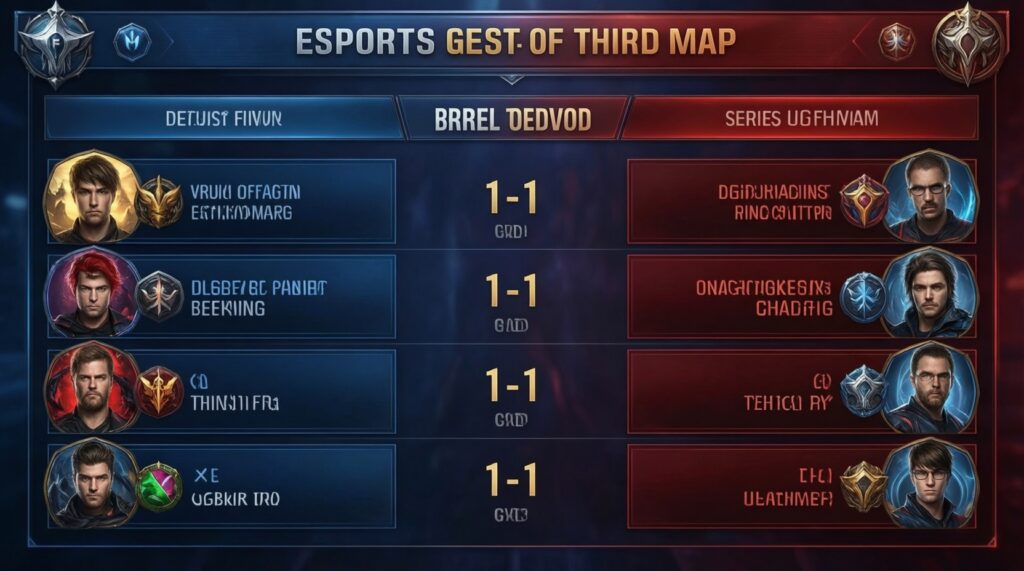
In a Bo3, over 2.5 maps wins only if the series goes to a third map. A 2-0 ends under 2.5.
Is เว็บพนันอีสปอร์ต selection really important?
Yes-because rule wording decides settlement on forfeits, pauses, roster swaps, and map restarts. Choose books that publish detailed eSports rules and event coverage.
What's the safest market for intermediate bettors with limited research time?
Match winner and simple totals (maps over/under) are usually easier to evaluate than niche props. Limit yourself to one game and one league to reduce context gaps.
How do I quickly check if odds are "good" without a model?
Convert odds to implied probability and ask whether your confidence is clearly higher. If you can't justify why, treat it as no-bet.
Why does เดิมพันอีสปอร์ต handicap sometimes feel "harder" than moneyline?
Because it requires a specific margin (like 2-0) rather than just winning. A better team can still drop one map due to vetoes, side choice, or draft variance.
Can I treat พนันอีสปอร์ต the same as football betting?
The pricing mechanics are similar, but eSports has faster meta changes and more granular settlement units. Always check whether you're betting a series, a map, or a round-based market.