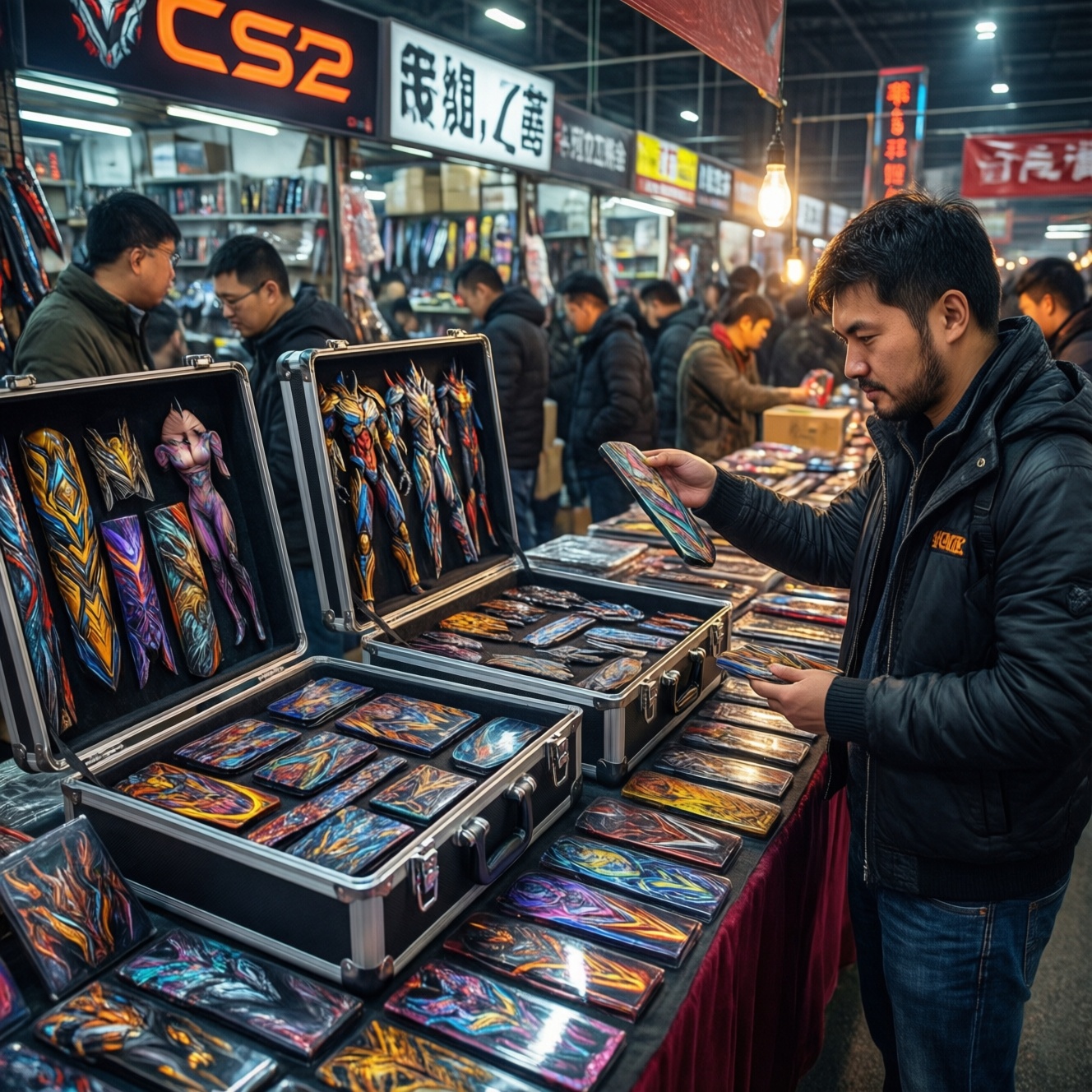


To gamble responsibly with skins and manage loot spending, set hard money caps, time boundaries, and clear stop rules before you open any skin betting sites or buy loot boxes. Then monitor your behavior with quick check-ins and use responsible gambling tools such as deposit limits online gambling controls and self exclusion gambling options when needed.
Core Principles for Safe Skin Betting
- Set a fixed monthly entertainment budget and treat losses as final.
- Set loot box spending limits and separate them from betting or trading funds.
- Monitor time-on-task with a session timer and a scheduled stop time.
- Record every deposit, purchase, and cash-out in one simple log.
- Review results weekly and adjust limits downward if you chase losses.
Understanding Risk Dynamics in Skin Markets
- Set expectations: skins are volatile, illiquid, and often platform-dependent; plan for price swings and selling delays.
- Monitor counterparty risk: trades, escrow, and "instant sell" features can fail or change rules without notice.
- Record the difference between value (market price) and cash you can withdraw (often lower or restricted).
- Review suitability: skin betting is only appropriate if you can afford to lose your entire stake and still meet bills.
- Set a "do not play" rule if any of these apply:
- You are using borrowed money, credit, or money meant for essentials.
- You are playing mainly to recover losses or "fix" a bad week.
- You feel pressured by friends, a streamer chat, or marketplace hype.
Micro-template: "I only use discretionary money. If my skin bankroll hits 0, I stop until next month."
Setting Personal Financial Caps for Loot Spending
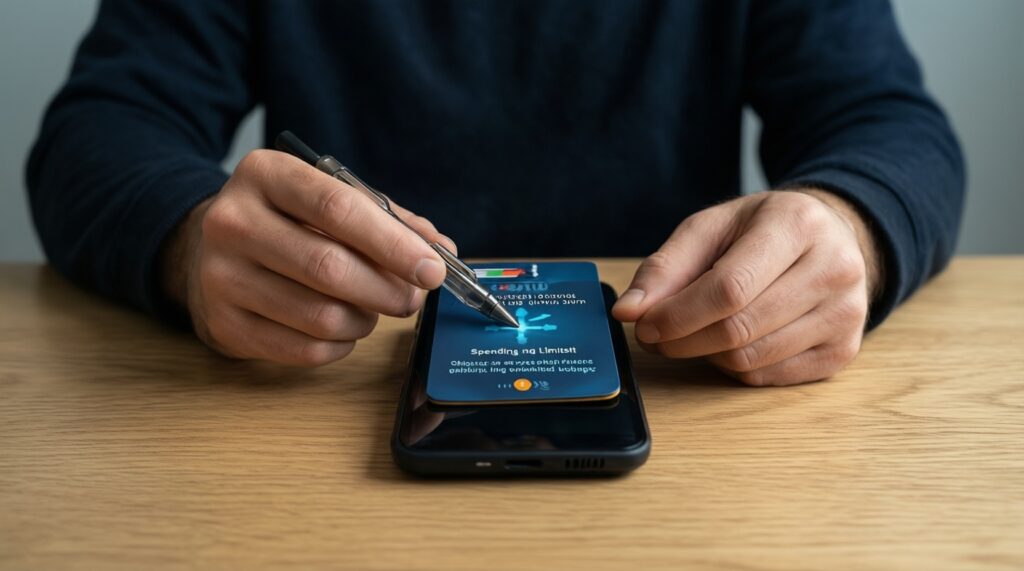
- Set a dedicated payment method: a separate e-wallet/sub-account for gaming spend to keep boundaries visible.
- Set platform controls where available: enable deposit limits online gambling features on any account that supports them.
- Set storefront limits: configure app store/console purchase restrictions and require a PIN for purchases.
- Record a baseline: last month's total spend on skins, cases, and in-game currency (even a rough estimate helps).
- Review your cap structure:
- Monthly cap (hard ceiling)
- Weekly cap (pace control)
- Single-session cap (impulse control)
Micro-template: "Monthly gaming spend cap: ___ THB. Weekly cap: ___ THB. Session cap: ___ THB. No top-ups after the session cap is hit."
Designing Session and Time Boundaries
- Set your limits in writing before you start (money, time, and stop conditions).
- Set a timer and a hard stop time on your phone/PC.
- Prepare a short activity swap (walk, match, snack) for when the timer ends.
- Record starting bankroll and planned spend in a single note.
-
Set a session budget and lock it
Decide the maximum you will spend or stake this session and treat it as non-negotiable. If you use a wallet, only load that amount and stop when it is gone.
- Set a rule: no "one more deposit" even if you are close to a drop or a win.
-
Set a time box with a hard end
Choose a start and end time (not just a duration) to prevent drift. Use alarms for a 10-minute warning and the final stop.
-
Set clear stop triggers
Define conditions that end play immediately, such as hitting the session cap, losing a set number of rounds, or feeling the urge to chase.
- Examples: "Stop after 2 consecutive losses" or "Stop after 30 minutes, win or lose."
-
Monitor spend and time mid-session
Pause once halfway through and compare actual spend/time to the plan. If you are ahead of pace, stop early rather than "playing with winnings."
-
Record outcomes and review before the next session
Log total spend, total withdrawals, and how you felt during the session. Use that note to adjust limits downward if you broke rules.
Micro-template: "Today: 20:00-20:45. Session cap ___ THB. Stop triggers: cap hit, 2 losses, urge to recover. Mid-check at 20:25."
Spotting Behavioral Red Flags and Escalation Signs
- Monitor whether you are increasing stakes or loot purchases to "feel" the same excitement.
- Record any deposits made outside your plan (especially late-night or emotional deposits).
- Review whether you are chasing losses or reopening cases to "get back" what you spent.
- Monitor secrecy: hiding transactions, deleting receipts, or minimizing your spend to others.
- Record missed responsibilities (sleep, work, study) due to trading, case-opening, or betting.
- Review mood links: playing mainly when stressed, angry, bored, or lonely.
- Monitor friction removal: disabling purchase PINs, switching to faster payment methods, or seeking riskier skin betting sites.
- Review whether wins feel like relief and losses feel like panic (a sign your limits are too high).
Mitigating Social Pressures on Streaming and Marketplaces
- Set boundaries with audiences: avoiding "double or nothing" dares and refusing viewer-funded top-ups.
- Monitor FOMO triggers: limited-time drops, countdown promos, and influencer "hot streak" narratives.
- Record the real cost: tracking total spend prevents the "it was just small purchases" illusion.
- Review chat-driven escalation: playing longer because you feel watched or judged.
- Set a delay: wait a fixed period before any unplanned purchase to break impulsive cycles.
- Monitor comparison traps: copying whales' inventories or streamer bankrolls that do not match your income.
- Review marketplace hype: assuming last-sale price equals reliable value, especially during spikes.
- Set moderation rules: mute keywords, disable links, and avoid Discord rooms that push risky referrals to skin betting sites.
Micro-template: "No audience challenges, no viewer deposits, no unplanned buys. If chat pushes, I end the stream/session."
Leveraging Tools and Services for Self-Exclusion
- Deposit limits and cooling-off periods (useful when you can follow rules but need friction): set deposit limits online gambling controls, session limits, and short breaks to prevent spiral spending.
- Account self-exclusion (useful when you repeatedly break limits): activate self exclusion gambling features on any betting account, and extend the duration if you relapse.
- Payment-level blocks (useful when you keep finding workarounds): block merchant categories or gaming purchases through your bank/e-wallet settings where available, or use a separate low-balance wallet.
- Social and device controls (useful when triggers are constant): unfollow promo-heavy channels, remove saved cards, and use device screen-time/app limits as responsible gambling tools for time control.
Common Concerns and Concise Answers About Responsible Play
Are skins "real money" gambling for my budget planning?
For responsible planning, treat skins as money you can lose, because they can drop in value and may be hard to cash out. Set limits based on what you can afford to lose, not on a current listing price.
How do I set loot box spending limits without quitting games?
Set a monthly cap and a per-session cap, then require a purchase PIN and remove saved cards. Record every purchase in one log so small buys do not silently accumulate.
Which responsible gambling tools matter most for skin betting sites?
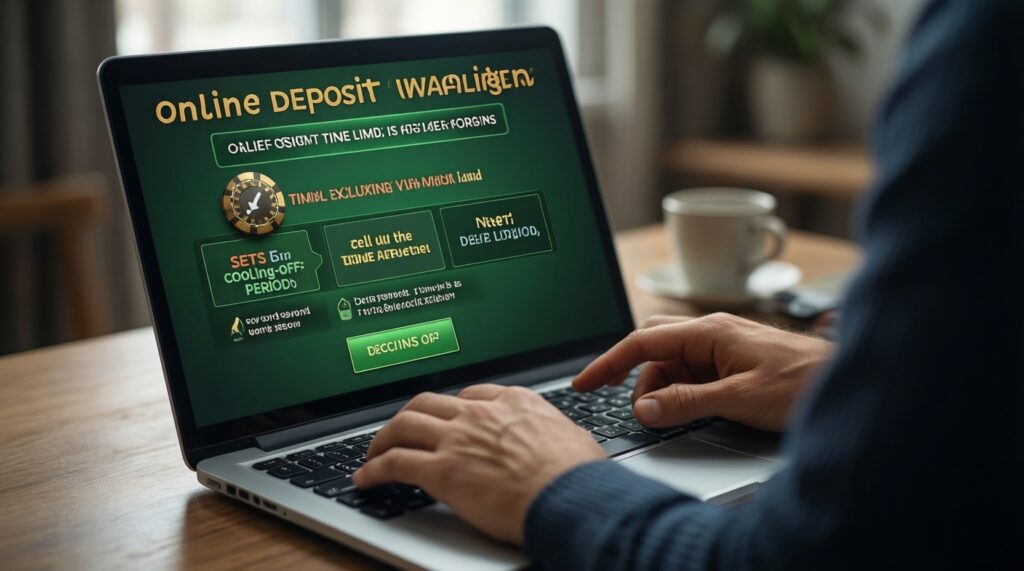
Start with deposit limits online gambling controls and time limits where available, then add a cooling-off period rule you enforce yourself. If you repeatedly break limits, move to self exclusion gambling options.
What should I do if I keep chasing after a loss?
Stop the session immediately and trigger a fixed cool-down (for example, until tomorrow). Review your limits and reduce them before your next session.
Is it safer to "only play with winnings"?
Not necessarily; it often extends sessions and increases risk-taking. Set the same stop time and session cap regardless of whether you are up or down.
How can I handle peer pressure from friends or a stream audience?
Set a written rule that you do not accept dares, viewer top-ups, or "one more case" requests. End the session when pressure starts instead of negotiating.
When is self-exclusion the right move?
Use it when you cannot reliably follow limits, keep escalating, or feel panic around losses. Self-exclusion works best when paired with payment blocks and removing trigger communities.