


Loot boxes sit in a legal and ethical gray zone: they look like gambling when you pay real money for randomized rewards, especially if items can be traded or cashed out, but many systems avoid a formal "gambling" label by removing cash-out and framing purchases as entertainment. For gamers in Thailand, the safest approach is to treat loot boxes like high-risk spending and choose games with strong transparency and spending controls.
Quick comparative snapshot for players
- Legal risk increases when paid randomness is combined with item trading, resale, or any cash-out pathway.
- If you want low drama, pick titles that sell direct, fixed-price items rather than randomized packs.
- Odds disclosure helps, but it does not automatically answer "are loot boxes considered gambling" in every place.
- Minors and shared family payment methods amplify harm; enable platform-level purchase restrictions first.
- When you buy loot boxes online, set a hard monthly cap and disable one-click payments to avoid impulse spirals.
- "Best games with loot boxes" for budget players are typically those with generous free earning, duplicate protection, and strict spending limits.
How loot boxes work: mechanics, odds and microtransactions
To choose the "best" option for you (or to decide to avoid loot boxes entirely), evaluate the system against these practical criteria. Each criterion maps to the real-world "loot boxes gambling laws" debate because it changes how close the design is to wagering.
- Price-to-open loop: Can you open with earned currency only, or is real-money top-up effectively required to keep up?
- Randomness scope: Is the entire reward randomized, or only a minor bonus layered on top of a known purchase?
- Odds visibility: Are drop rates shown in-game at the point of purchase, and are they item-specific (not just "rare/epic" buckets)?
- Pity/guarantee mechanics: Is there a guaranteed reward after a fixed number of opens, and is it transparent and realistically reachable?
- Duplicate protection: Are repeats compensated fairly, or do duplicates push you to spend more for completion?
- Cash-out/trading: Can items be traded, gifted, or sold (even indirectly via marketplaces), creating real-world value?
- Time-limited pressure: Are packs tied to short events, rotating stores, and "last chance" timers that intensify impulse buying?
- Spend controls: Are there built-in limits, cooling-off prompts, purchase history, and easy refunds for accidental buys?
Where law draws the line: jurisdictions, precedents and legal tests
Across different systems, regulators typically test the same building blocks: consideration (you pay), chance (random result), and prize/value (something of value, especially if transferable). The phrase "loot box regulation by country" matters because outcomes differ depending on how a country defines "value" and whether digital items are treated like property or pure entertainment. For Thailand-based players, assume cross-border friction: publisher location, platform rules, and payment processors can matter as much as local law.
| Вариант | Кому подходит | Плюсы | Минусы | Когда выбирать |
|---|---|---|---|---|
| Strict gambling classification (cash-out/value test is broad) | Players who want maximum legal safety and predictable boundaries | Clearer compliance expectations; fewer borderline monetization tricks | Some games disable features or exit the market; content fragmentation | If you prefer to avoid ambiguity and only play titles with non-randomized monetization |
| Disclosure-first regulation (odds + consumer protection emphasis) | Players who still want gacha/loot box content but want transparency | Better information for budgeting; easier comparison between games | Odds can be technically disclosed yet still exploitative; doesn't address impulse triggers | If you engage with loot boxes but rely on published rates, pity counters, and clear pack descriptions |
| Minor-protection priority (age gates + parental controls focus) | Families, younger players, shared devices | Reduces accidental spending; aligns incentives toward safer UX | Age checks can be inconsistent; enforcement may shift to platforms rather than game design | If your key risk is child spending or teen impulse buys on a parent's payment method |
| Platform-led rules (store policies, payment controls, refunds) | Mobile/console/PC store users who want practical control today | Immediate tools: spend limits, approvals, transaction logs; applies across many games | Not a legal ruling; rules can change; some controls are buried in settings | If you want the fastest risk reduction without waiting for legal clarity |
| Self-regulation by publishers (codes of conduct, voluntary odds, soft limits) | Players who want the widest game selection with some guardrails | Less disruption; features like pity systems and transparency can improve | Optional compliance; incentives may conflict with revenue goals | If you pick studios with a strong track record and you enforce your own strict budget caps |
Ethical risks for gamers: addiction, minors and exploitative design
Ethics often matters more day-to-day than legal labels. Even if a system is not formally regulated as gambling, it can still create harmful spending patterns through variable rewards and pressure mechanics. Use these scenario rules to decide what to do next, with explicit budget-first and premium options.
- If you feel "one more box" thinking after a loss streak, then switch to games with fixed-price cosmetics only; budget option: free-to-play with direct earnable cosmetics; premium option: buy a full-price game/DLC where content is known upfront.
- If a child/teen uses your device or wallet, then enable platform purchase approvals and remove saved cards; budget option: zero-spend account with allowances via gift codes; premium option: a separate paid account/subscription with strict parental controls and no in-game purchases.
- If the game ties power progression to randomized packs, then treat it as a recurring expense and set a monthly ceiling or quit; budget option: play only modes that don't require spending; premium option: choose a competitive title with a clear, non-random season pass value.
- If you chase limited-time banners because of fear of missing out, then impose a 48-hour delay before any purchase and avoid "last day" buys; budget option: uninstall during events; premium option: pre-commit a fixed entertainment budget for the month and stick to it.
- If your main enjoyment is opening animations rather than using items, then you're engaging with the same reinforcement loop debated in "are loot boxes considered gambling"; budget option: set spending to zero; premium option: redirect that spend to a known-value collector's edition or cosmetics bundle.
Design features that mimic gambling: disclosure, randomness and reinforcement
Use this fast selection algorithm before spending. It's designed to be applied in under two minutes at the store page.
- Confirm whether real money is required (directly or via paid currency) to access meaningful loot boxes.
- Check if odds are shown at the point of purchase and whether they are specific to the exact item you want.
- Look for a clear guarantee (pity counter) and verify it is visible, fixed, and not reset by switching banners.
- Verify whether items have external value: trading, gifting, marketplace resale, account selling incentives, or "cash-like" exchange.
- Scan for pressure levers: limited-time timers, near-miss effects, streak mechanics, and bonus offers that trigger right after a purchase.
- Locate spend controls: purchase history, refunds path, cooldown prompts, and the ability to disable purchases entirely.
- If two or more red flags are present, choose a direct-purchase alternative or play without spending.
Budget-first strategies: protecting your wallet while still enjoying games
Most overspending comes from avoidable selection and setup mistakes. Fix these before you decide which titles belong in your rotation-especially if you're comparing "best games with loot boxes" across platforms.
- Assuming "small" purchases can't add up, while ignoring frequency and event cycles.
- Buying randomized packs to "support the dev" instead of purchasing fixed-value bundles or expansions.
- Keeping a card saved and using one-tap payments when you buy loot boxes online.
- Chasing a single rare item without defining a maximum number of opens in advance.
- Trusting odds disclosure as protection, without checking pity rules, banner resets, and duplicate protection.
- Mixing sunk-cost thinking ("I'm already close") with time-limited offers.
- Letting power creep push you into spending to stay competitive rather than switching to skill-based modes/titles.
- Sharing accounts/devices without locking purchases, then treating accidental buys as unavoidable.
- Ignoring non-cash "value" pathways (trading/resale communities) that can intensify risky behavior.
Regulatory and platform responses: bans, age gates and enforcement tools
For Thailand-based players choosing a practical path: platform-led controls are often the best for budget-first risk reduction because they work immediately across many games, while disclosure-first environments are often best for informed spenders who still want loot boxes but need clear odds and guarantees. If you want the least ethical friction, direct-purchase monetization is typically best for completionists and younger households who need predictable costs.
Short answers to common player concerns
Are loot boxes considered gambling everywhere?
No. Whether loot boxes are considered gambling depends on local definitions of "value," how chance is treated, and whether items can be traded or cashed out.
What makes a loot box system most legally risky?

Paying money for randomized rewards becomes more sensitive when rewards are transferable or convertible into something with real-world value, even indirectly.
Do disclosed drop rates make loot boxes "safe"?
Disclosure helps you budget and compare, but it doesn't remove impulse design, nor does it guarantee the system won't be treated as gambling in some jurisdictions.
Is buying cosmetic-only loot boxes ethically fine?
It can be lower risk than pay-to-win, but the reinforcement loop and spending pressure can still be harmful, especially for minors or impulse-prone players.
What's the safest way to buy loot boxes online?
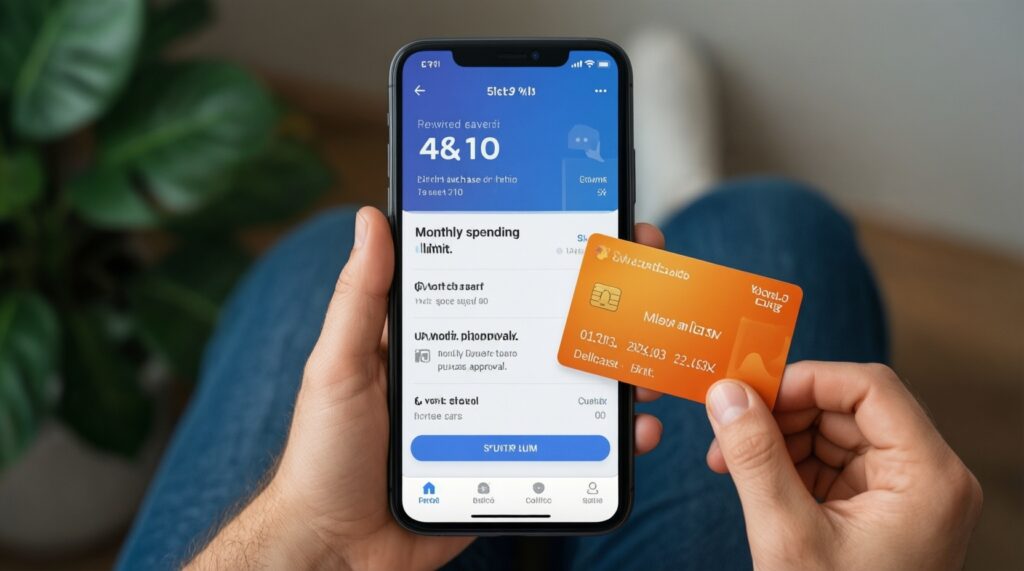
Use a fixed monthly cap, remove saved payment methods, and require an extra approval step so purchases can't happen during a hype moment.
How do I pick among the best games with loot boxes without overspending?
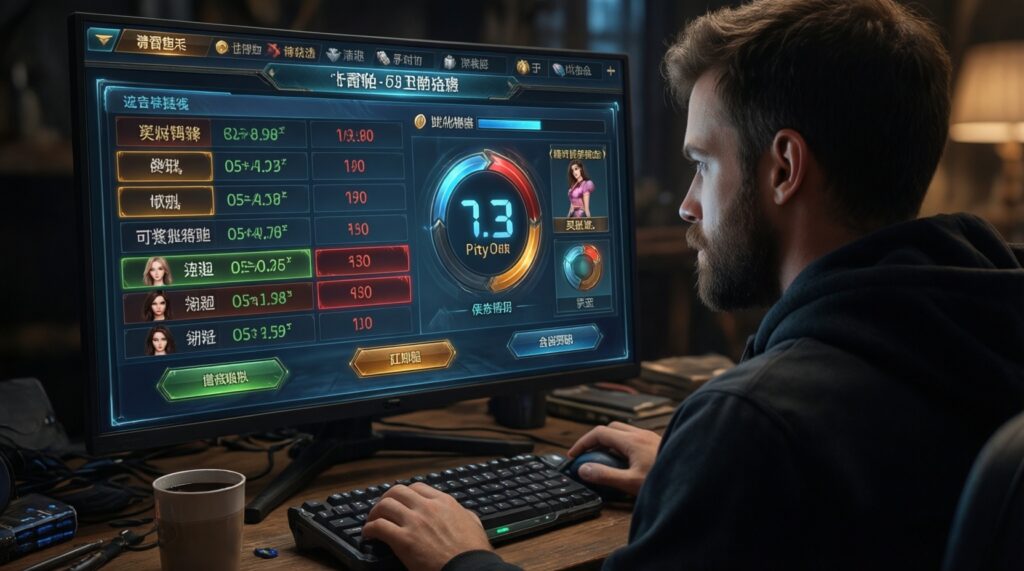
Prefer games with clear odds, visible pity counters, duplicate protection, and strong account-level spending controls-or pick direct-purchase cosmetics instead.