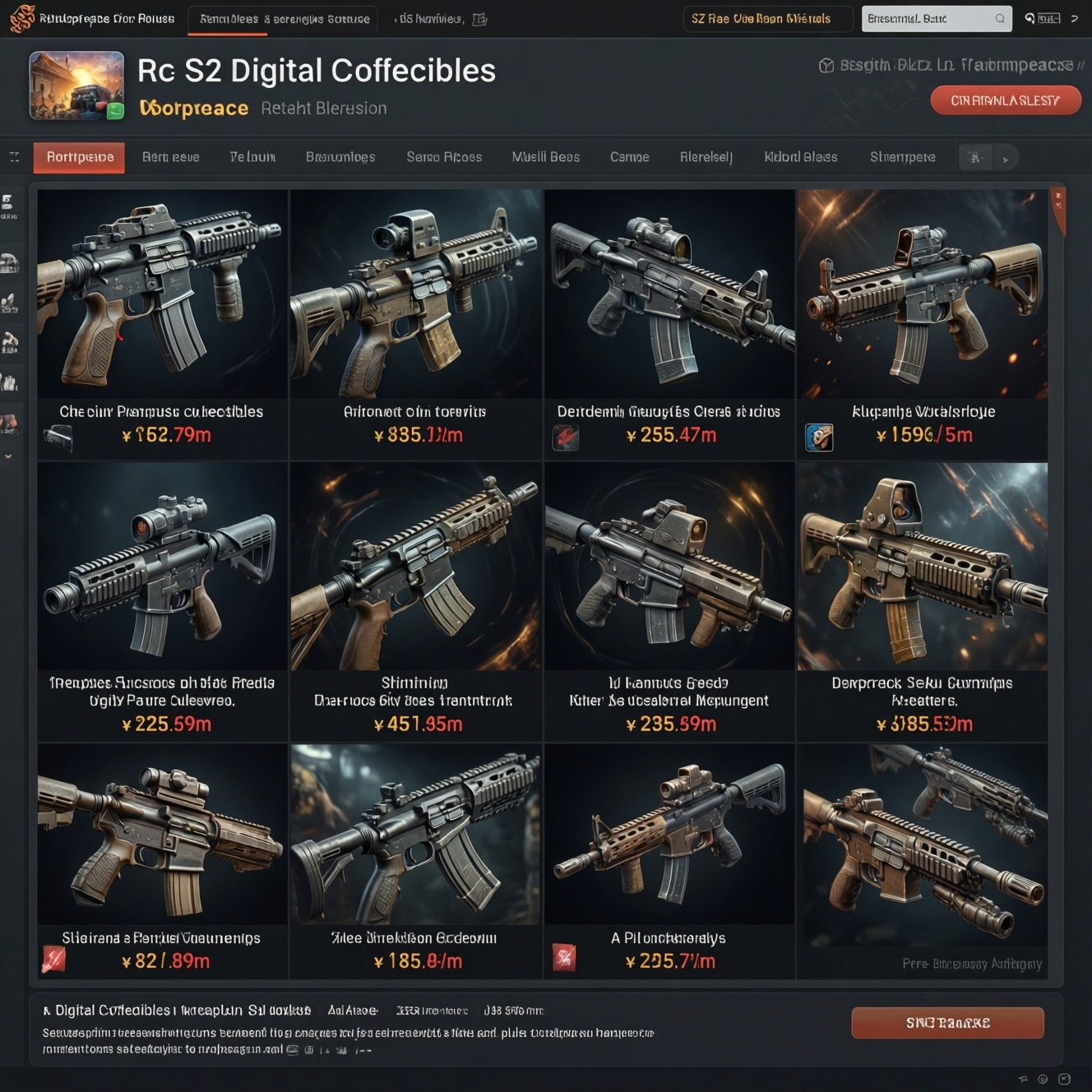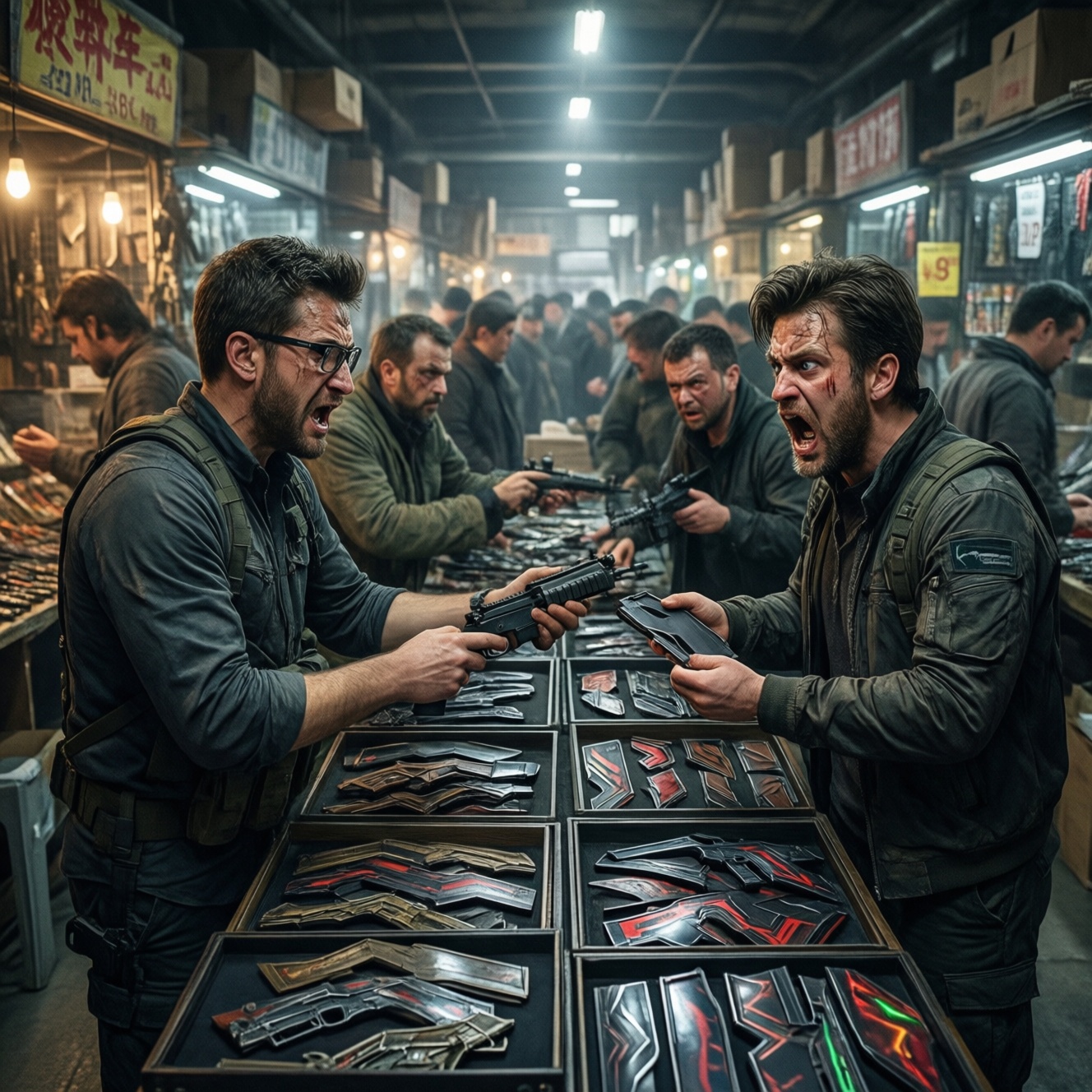


RNG-based loot boxes feel addictive because they combine uncertain rewards, intermittent reinforcement, and attention-grabbing cues that repeatedly train anticipation and "just one more try" behavior. This isn't magic-it's a predictable outcome of how random rewards, pacing, and social signals interact with learning and reward circuits, especially when spending and progression are tightly coupled.
Core psychological mechanisms driving engagement
- Uncertainty as a reward amplifier: not knowing when the next win arrives increases attention and repeated checking.
- Intermittent reinforcement: occasional wins condition persistence even when most outcomes disappoint.
- Prediction error: surprises (better-than-expected drops) strengthen learning and craving to repeat the loop.
- Near-miss framing: "almost got it" outcomes feel like progress and trigger renewed attempts.
- Frictionless repetition: fast animations, one-click re-rolls, and stored payment remove natural stopping points.
- Social proof and status: rarity, prestige skins, and public reveals create competitive pressure to keep opening.
How RNG and loot boxes are technically structured to exploit uncertainty
RNG (random number generation) is the technical layer that produces outcomes with defined probabilities; loot boxes are the product layer that packages those outcomes into repeated "open" events with audiovisual feedback, pacing, and monetization. In practice, loot box gambling mechanics appear when randomized rewards are purchased, valued, and repeated in a way that resembles wagering: you pay, you spin/open, you hope.
The key boundary is not whether a game uses randomness (many fair games do), but whether randomness is wrapped in a high-frequency purchase-and-reveal loop with strong psychological triggers. This is the core of loot boxes psychology: the player is not only buying content, they are buying a sequence of uncertain outcomes and emotional peaks.
Uncertainty is exploited through:
- Outcome opacity: players perceive probabilities as vague, even when "rates" are shown.
- High trial volume: cheap/fast opens increase repetitions, which increases conditioning.
- Value compression: many low-value drops plus a few "chase" items create a long tail of attempts.
Practical implication: if the purchase is tied to repeated uncertain outcomes, you should treat the mechanic as high-risk by default-even if it's marketed as "just cosmetics."
Intermittent reinforcement: the behavioral backbone of gambling-like loops
Intermittent reinforcement means rewards arrive unpredictably. Behaviorally, this is powerful because the next attempt could be the one, so stopping feels premature. This is a central reason why loot boxes are addictive for some players: the loop trains persistence, not satisfaction.
- Trigger: an offer, event timer, or "free key" prompts an opening.
- Action: the player opens/spins, often with minimal friction.
- Variable outcome: mostly common rewards; sometimes a rare "win."
- Amplification: celebratory effects make wins feel larger than their practical value.
- Rationalization: "I'm due," "one more," or "I almost hit the rare tier."
- Reinvestment: the next purchase is framed as completing a set, not repeating a gamble.
Practical implication: the more attempts per minute you enable, the more you are training repetition rather than enjoyment.
Neurobiology of reward: dopamine, prediction error and craving
At the brain level, the "pull" comes less from pleasure and more from anticipation and learning signals (prediction error): when an outcome is better than expected, the brain updates "this is worth doing again." This is often summarized as how loot boxes affect the brain: not by permanently changing it in one session, but by repeatedly strengthening cue->action->anticipation associations.
Common in-game scenarios where this becomes strongest:
- Pre-reveal build-up: long animations and suspense music increase anticipation before the outcome.
- Streak breaks: after many weak drops, a rare item creates a strong "spike," reinforcing the entire sequence.
- Limited-time banners: urgency increases arousal and reduces deliberation.
- Progress-linked RNG: "you need this drop to advance" makes the reward feel necessary, not optional.
- Near-completion sets: being "one item away" increases craving and repeat purchases.
Practical implication: design that extends anticipation while compressing decision time tends to increase compulsive repetition.
Design patterns that amplify compulsion: near-misses, scarcity and social signals
Some patterns can increase excitement without escalating harm; others reliably push players toward loss of control. This is where RNG addiction in games becomes a real risk for vulnerable users: the same toolbox used to create "fun suspense" can also remove stopping cues and exploit cognitive biases.
- Patterns that boost engagement (but require guardrails):
- Near-miss framing: tier reveals that show you were "close" to a rare drop.
- Scarcity cues: countdown timers, rotating shops, limited banners.
- Social proof: global announcements, streamer-style opening screens, friend comparisons.
- Commitment escalators: "step-up" offers and escalating bundles after each purchase.
- Limits and trade-offs you should acknowledge:
- Engagement is not welfare: more openings can mean more regret, not more satisfaction.
- Transparency can be gamed: showing odds doesn't prevent chasing or "due" beliefs.
- Cosmetic-only is not automatically safe: prestige and social status can create strong pressure.
- One-size policies fail: what's harmless for most can be harmful for a minority.
Practical implication: if your design relies on urgency + near-miss + frictionless repurchase, you should treat it as compulsion-prone and redesign, not merely disclose.
Assessing harm: metrics, risk factors and user segmentation
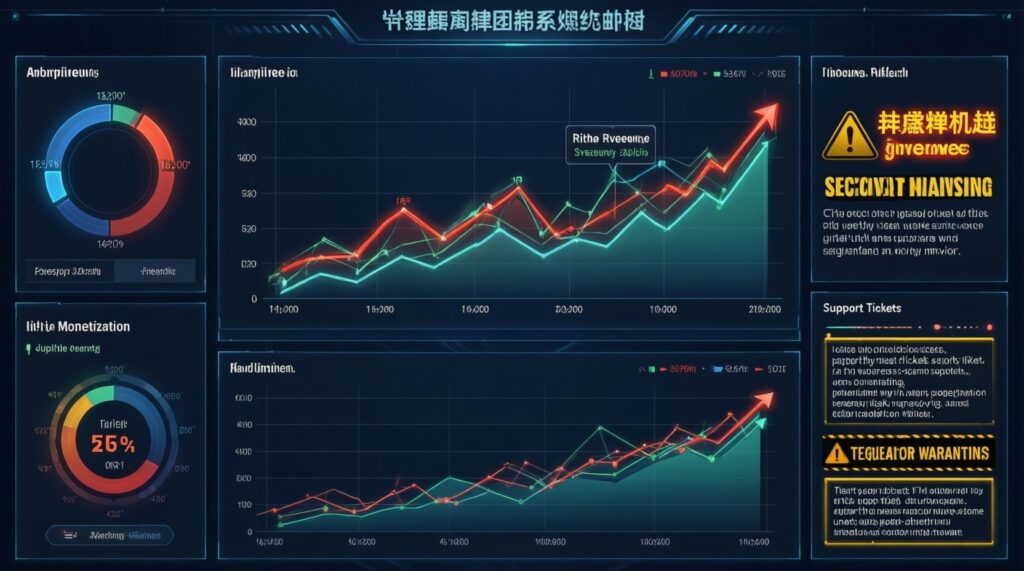
Teams often measure success with spend and retention, then miss harm signals until support tickets, chargebacks, or regulatory attention appear. When evaluating randomized monetization, separate "healthy engagement" from "loss-of-control patterns."
- Myth: "High ARPPU means players love it." Reality: a small segment can drive spend due to compulsion, not value.
- Myth: "Published drop rates solve the problem." Reality: cognitive biases and impulse loops persist even with disclosure.
- Mistake: ignoring session context. Repeated late-night opens or rapid-fire purchases can indicate impaired control.
- Mistake: treating all players equally. New players, minors, and highly competitive users often show different risk profiles.
- Mistake: measuring only averages. Distribution tails (extreme opening counts or spend bursts) are where harm concentrates.
Practical implication: segment by behavior patterns (burst buying, repeated openings, churn-after-spend) and treat tail risk as a product-quality issue.
Practical interventions: safer mechanics, disclosure and regulation
Mitigation works best when you reduce high-risk triggers, add stopping cues, and decouple progression from paid randomness. Below is a comparison focused on implementation convenience versus risk reduction-useful for prioritizing changes in live ops.
| Intervention approach | Ease to ship (typical) | Risk reduction (typical) | Key downside | Best use |
|---|---|---|---|---|
| Disclosure only (odds, banners, reminders) | High | Low-Medium | Players still chase; can become "permission to proceed" | Baseline compliance and clarity |
| Friction & stopping cues (cooldowns, confirmation, spend limits) | Medium | Medium-High | May reduce conversion; requires careful UX | Reduce rapid-fire repurchase loops |
| Guaranteed outcomes (pity timers, bad-luck protection) | Medium | Medium | Can encourage "finish the pity" spending | Reduce endless chasing, stabilize expectations |
| Direct purchase alternatives (buy the item, earnable currency) | Medium | High | Rebalances economy; impacts monetization model | Lower gambling-like pressure while preserving revenue |
| Remove paid RNG from progression (RNG only for optional cosmetics) | Low-Medium | High | Design overhaul; requires content strategy shift | Strongest protection for vulnerable users |
Mini-implementation sketch: add a "cooldown after loss streak" and a reflection prompt after rapid opens. The goal is not to shame players, but to reintroduce decision time.
// Pseudocode (server-authoritative)
if (opens_in_last_10min >= OPEN_BURST_THRESHOLD) {
  require_confirmation("You have opened many packs recently. Continue?");
}

if (consecutive_no_rare >= LOSS_STREAK_THRESHOLD) {
  apply_cooldown(player_id, COOLDOWN_MINUTES);
  show_message("Take a short break. Your next open will be available later.");
}- Self-check before shipping RNG monetization changes (3-5 items):
- Can a player always make progress without paying into randomness?
- Did we add at least one strong stopping cue (cooldown, confirmation, clear spend history)?
- Do we offer a non-RNG path to the most desired items (direct buy, earnable tokens)?
- Are we monitoring tail-risk behaviors (bursts, repeated opens, churn-after-spend) and acting on them?
- Are minors and high-impulsivity segments protected by stricter defaults?
Practical implication: prioritize direct-purchase alternatives plus friction/stopping cues-these typically reduce harm more reliably than disclosure alone.
Common player concerns addressed
Is opening loot boxes the same as gambling?
Mechanically, it's gambling-like when you pay for an uncertain outcome and repeat the purchase to chase a better result. Legal definitions vary, but the behavioral loop can still produce gambling-style compulsion.
Why do I keep thinking "one more box" will pay off?
That's intermittent reinforcement plus "due" thinking: your brain overweights rare wins and treats continued attempts as progress. Near-miss cues can intensify this belief.
Do published drop rates prevent addiction?
No. Rates improve transparency, but they don't remove the cue-driven loop, the speed of repetition, or the emotional impact of rare wins.
Are cosmetic-only loot boxes harmless?
Not automatically. Status, rarity, and social comparison can make cosmetic rewards feel essential, especially in competitive or highly social games.
What's the single most effective design change to reduce harm?
Provide a clear non-RNG route to desired items (direct purchase or earnable tokens) and avoid gating progression behind paid randomness.
How can I tell if my play is becoming a problem?
Warning signs include rapid-fire openings, spending more than intended, hiding purchases, or feeling unable to stop after a loss streak. If you notice these patterns, add friction: set limits, remove saved payment, and take breaks.