

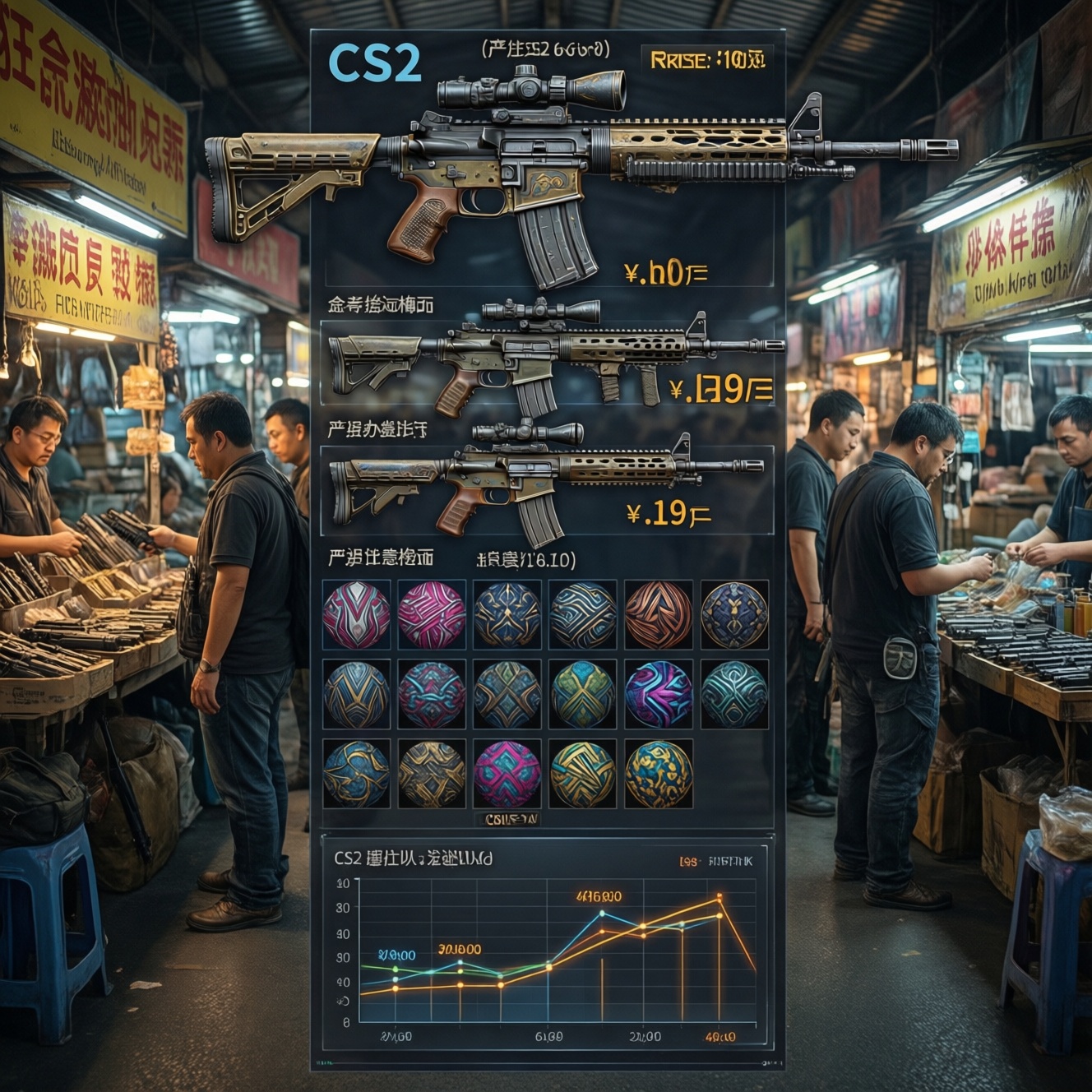
CS2 skin prices are set by a market mix of scarcity (rarity tiers and limited supply), condition (float-driven wear), and buyer attention (meta shifts, influencers, and event hype). Add variant multipliers like Pattern Index and StatTrak, then adjust for liquidity and risk. With limited resources, you can still price reliably using simple comparables and disciplined checks.
Core Concepts: What Moves CS2 Skin Prices
- Scarcity sets the floor: collections, drop availability, and cs2 skin rarity tiers limit how many can exist at a given time.
- Condition sets the spread: float and wear tiers create large gaps between "same skin" listings.
- Variants create outliers: Pattern Index, StatTrak, and special finishes can overpower base rarity.
- Demand is cyclical: patches, pro play, creators, and seasonal events shift what players want.
- Market structure matters: liquidity, fees, and platform-specific buyer pools change what "fair" means.
Rarity Tiers and Their Market Impact
Rarity is the first filter behind cs2 skin prices: it describes how hard an item is to obtain within a collection/case ecosystem. Higher rarity generally means fewer listings and stronger price resilience, but rarity is not a complete valuation by itself-popular low-rarity skins can outperform unpopular high-rarity ones.
In practice, rarity interacts with where the skin comes from (active drop pool vs. older collection) and how many people want that specific look. Two skins with the same rarity can price very differently because demand is skin-specific and weapon-specific.
For limited resources, treat rarity as a "ceiling and floor" guide: it helps you avoid overpaying for common items during hype and helps you recognize when a rare item is priced suspiciously low (often due to bad float, undesirable pattern, or low liquidity).
| Primary driver | What it changes | Typical price effect (relative, not numeric) | Budget-friendly way to evaluate |
|---|---|---|---|
| Rarity tier / collection availability | Baseline scarcity and listing depth | From "baseline" to "scarcity premium" | Compare similar rarity skins in the same collection; avoid judging by rarity alone |
| Float / wear tier | Condition brackets and collector desirability | From "discount" (worse wear) to "condition premium" (better wear) | Check wear tier first; only then compare floats within that tier |
| Variant (Pattern Index, StatTrak, special variants) | Uniqueness and niche demand | From "no change" to "outlier premium" | Search sold/completed listings for the same variant before paying extra |
| Liquidity (how fast it sells) | Discount needed to sell quickly | From "slow-sale discount" to "fast-sale premium" | Prefer high-volume skins if you can't afford to hold inventory |
- Checklist: confirm the skin's rarity/collection, then validate demand for that exact weapon + finish (not "rarity in general").
- Checklist: if your budget is tight, prioritize higher-liquidity items over "rarer but stagnant" listings.
Float Values: How Wear Directly Affects Valuation
Float is a hidden condition number that drives visible wear and determines the wear tier (e.g., Factory New vs. Field-Tested). Many "same name" skins are not comparable until you align wear tier and then compare float within that tier. A cs2 float value checker is the fastest way to avoid paying a clean-skin price for a worn one.
- Wear tier first, float second: tier changes are usually larger than small float differences inside one tier.
- Tier boundaries matter: floats near a boundary can be priced like the higher tier if screenshots look clean (or discounted if they look worse).
- Not all finishes show wear equally: some patterns hide scratches; others reveal them early, changing what buyers pay for the same tier.
- Float is a liquidity signal: "pretty for the tier" moves faster; "ugly for the tier" needs a discount.
- Collector behavior creates pockets: very low floats can attract niche premiums, but only on skins where collectors actively compete.
- Checklist: always verify wear tier + float before comparing listings; screenshots alone are not enough.
- Checklist: on a small budget, target "best-looking in a cheaper tier" rather than chasing the top tier.
Pattern Index, StatTrak, and Other Variant Multipliers
Variants create the biggest pricing surprises: two identical skins can diverge because the market pays for uniqueness, not just rarity and wear. Here are common places where Pattern Index, StatTrak, and related flags matter.
- Pattern-dependent finishes: certain patterns are more desirable (or avoided), creating "normal" vs. "special" pricing for the same wear.
- StatTrak demand split: StatTrak can add value for players who care about kill counters, but it can reduce the buyer pool on some skins.
- Sticker placement/visibility sensitivity: the base skin can become more valuable when it showcases cosmetics well, even if the skin itself is common.
- Trade-up/collection logic: variants that help trade-up strategies can get a practical premium during crafting waves.
- Regional/platform preferences: the "premium variant" might be platform-specific depending on what buyers browse and how items are displayed.
- Checklist: don't pay a variant premium without finding real comparables for the same pattern/flag.
- Checklist: if funds are limited, avoid thinly traded "special patterns" unless you're ready to hold longer.
Supply Side Mechanics: Drops, Collections and Market Floods
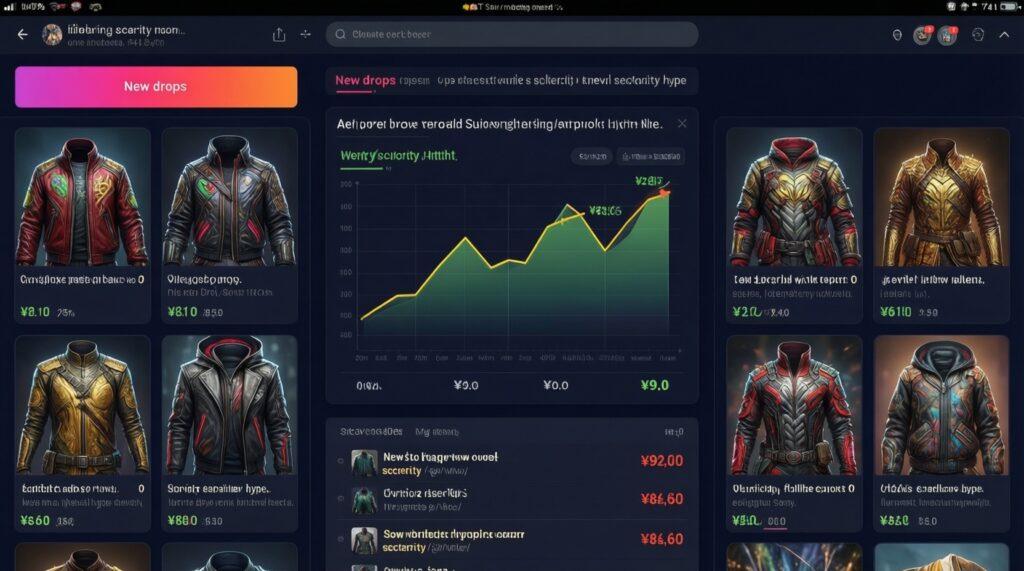
Supply is why prices drift even when a skin hasn't changed. New inflows (drops, unboxings, event rewards) increase listings and pressure prices; reduced inflows (rotations, less opening interest) can tighten supply. The key is timing: many buyers overpay during short-lived scarcity narratives.
Benefits of understanding supply

- Better entry timing: you can wait for post-drop listing waves and buy into temporary oversupply.
- Less hype risk: you can identify "new supply incoming" situations that usually cap upside.
- Smarter budget allocation: you can focus on items less likely to be flooded if you can't average down.
Limitations and traps
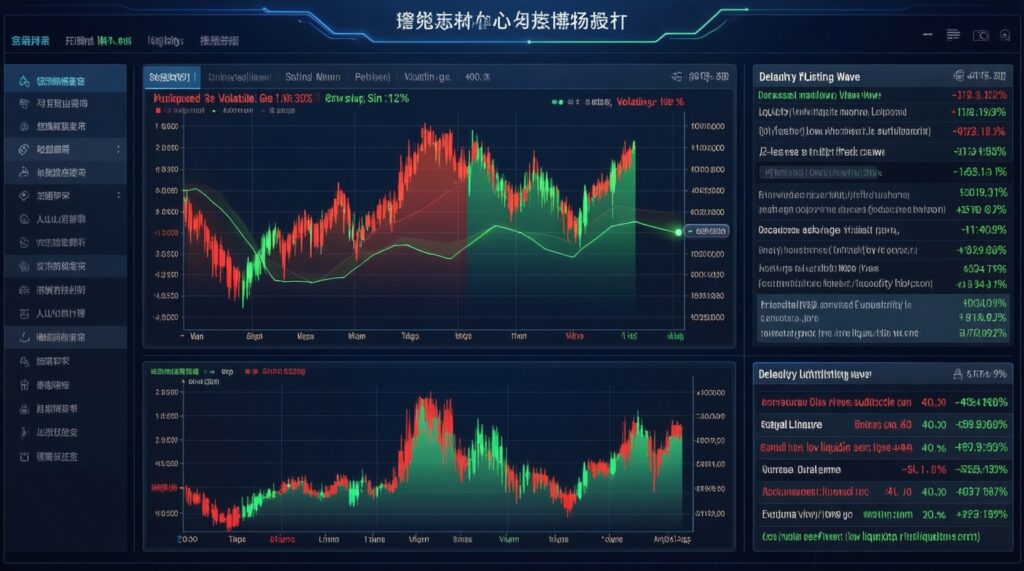
- Supply data is noisy: not every listing wave is visible immediately; some platforms lag or fragment the market.
- Supply isn't the whole story: a popular skin can rise even during high supply if demand accelerates faster.
- Small markets exaggerate moves: low-liquidity skins can "gap" up or down with a few trades.
- Checklist: expect better deals during listing surges; set alerts and be patient instead of chasing.
- Checklist: when budget is tight, avoid thin-supply narratives you can't verify across multiple listings.
Demand Cycles: Trends Driven by Meta, Influencers and Events
Demand is the most emotional driver. It responds to weapon meta shifts, content creator exposure, esports moments, and seasonal spending patterns. Intermediate traders lose money by treating short-term attention as permanent value.
- Myth: "A buff guarantees a lasting price rise." Buffs can spike attention, but prices often mean-revert once novelty fades.
- Mistake: buying after the showcase wave. If your first exposure is a viral clip, you're usually late.
- Myth: "Low supply always wins." Low supply with weak demand is just illiquidity, not value.
- Mistake: ignoring buyer pool size. A skin can be "expensive" yet hard to sell quickly without discounts.
- Myth: "Every event is bullish." Events can increase both demand and supply; the net effect depends on what's being rewarded/opened.
- Checklist: separate attention (views, hype) from conversion (actual sold listings).
- Checklist: on limited funds, prioritize stable, popular skins over "momentary trend" skins.
Pricing Models: Signals, Liquidity and Risk Adjustments
A practical pricing model is just disciplined comparables plus adjustments. Use a cs2 skin price checker to anchor recent sold prices, then adjust for your exact float, variant, and how fast you need to sell. If you're trying to buy cs2 skins on a budget, the goal is to avoid paying "retail for best-in-class" when your item is average.
Mini workflow (comparables + adjustments)
- Pick 5-10 closest comparables: same skin, same wear tier, same variant flags (StatTrak / special pattern if applicable).
- Discard outliers (obvious mislists, very old sales, or sales with mismatched variants).
- Compute a reference band from the most recent, most comparable sales.
- Apply adjustments:
- Float: better-than-average within the tier = smaller discount (or mild premium); worse-than-average = larger discount.
- Liquidity: if you need a fast sale, price below the "slow-sell" band.
- Risk: if hype-driven, widen your safety margin.
reference = median(recent_sales_same_skin_same_tier_same_variant)
float_adj = +small if float is top-of-tier; -small if bottom-of-tier
liq_adj = -more if you need fast sell; 0 if you can hold
risk_adj = -more if price recently spiked (hype)
target_buy = reference + float_adj + liq_adj + risk_adj- Checklist: base your number on recent sold comparables, not the cheapest current listing.
- Checklist: if resources are limited, stick to simple rules (median + conservative discounts) instead of "perfect" valuation.
Self-check before you commit funds
- Did I match wear tier + variant exactly when comparing prices?
- Did I verify float with a trusted tool instead of relying on screenshots?
- Can I exit quickly at a small loss if the trend reverses?
- Am I buying because of recent hype, or because comparables justify the price?
Answers to Common Pricing Questions
Why do two identical-named skins have very different prices?
They're usually not identical: wear tier, float, Pattern Index, and StatTrak status can change value. Liquidity and platform buyer pools also affect the final market-clearing price.
Do cs2 skin rarity tiers guarantee higher value?
No. Rarity supports scarcity, but demand for the specific weapon/finish determines how much scarcity is worth. A popular mid-rarity skin can outperform a disliked higher-rarity one.
What's the fastest way to avoid overpaying on float?
Confirm the wear tier first, then verify the exact float using a cs2 float value checker. Only compare prices against items with the same wear tier and similar float positioning within that tier.
Are Pattern Index premiums reliable?
Only when you can find real sold comparables for the same pattern and wear. Otherwise you risk paying a "story premium" that disappears when you try to resell.
Is StatTrak always worth extra?
No. It can add value on skins where players want it, but it can also reduce the buyer pool. Check sold listings for StatTrak vs. non-StatTrak for that exact skin.
How should I price a skin if listings are thin?
Use the closest sold comparables you can find and apply a liquidity discount if you might need a quick exit. In thin markets, a conservative price is usually safer than chasing the highest listing.
What's a low-budget way to estimate a fair buy price?
Use a cs2 skin price checker to gather recent sold prices, take the median, then subtract a safety margin for float mismatch and resale fees. Favor high-liquidity skins so you're not forced to discount heavily later.