


Item sink design is the set of mechanics that permanently remove items (or their utility) from circulation so supply does not outpace demand and prices do not spiral into irrelevance. In practice, item sinks in games work only when they match real player acquisition rates, feel fair, and can be tuned with telemetry to support virtual economy stabilization without blocking core progression.
Core Mechanisms of Item Sinks
- Permanent removal: items are destroyed, consumed, bound, or transformed into non-tradable value.
- Rate matching: sink throughput scales with item inflow (drops, crafting output, rewards).
- Voluntary participation: players choose sinks because they perceive clear value, not only punishment.
- Target specificity: sinks focus on the exact item tiers causing oversupply (often mid-tier mats or "best-in-slot" churn).
- Elastic tuning: costs, probabilities, and caps can be adjusted without patch whiplash.
- Market-safe design: sinks reduce supply without creating new arbitrage or "printing" substitutes.
Common Myths About Item Sinks and Market Stability
Myth 1: "Any sink stabilizes prices." A sink only stabilizes if it removes the right items at the right volume. Removing cosmetics won't fix an oversupply of crafting inputs; removing low-tier gear won't fix inflation driven by high-tier farming loops.
Myth 2: "Make it mandatory and you're done." Mandatory sinks often shift the problem into player frustration, avoidance, and black-market behavior (alt accounts, off-market trading, hoarding). Good in-game economy item sinks are usually "soft-mandatory": optional per action, but attractive enough that most players participate.
Myth 3: "Sinks are just taxes." Taxes remove currency; item sinks remove items (or convert tradable items into non-tradable utility). Mixing the two without clear intent can destabilize both markets at once: item prices crash while currency inflation continues.
Myth 4: "One sink can serve every stage." Early game needs frictionless progression; endgame needs long-run pressure valves. A single sink typically over-punishes newcomers or becomes irrelevant to veterans.
A Practical Taxonomy of Sink Types (Passive, Active, and Dynamic)
- Passive sinks (background attrition): durability loss, repair costs that consume parts, expiration timers, binding-on-use that removes items from trade.
- Active sinks (player-initiated consumption): crafting consumption, reroll/enchant systems, upgrading that destroys inputs, "sacrifice" systems for power.
- Dynamic sinks (economy-responsive): recipes that rotate based on supply, NPC buy orders that target surplus items, seasonal demands, adaptive drop-to-sink ratios.
- Conversion sinks (value transformation): tradeable items become account-bound progression, cosmetics, or reputation that cannot be resold.
- Risk sinks (failure-driven loss): enhancement break chance, PvP loot loss, extraction failure-highly sensitive and easy to overdo.
- Time sinks that also remove items: long crafts that consume materials and lock them out of the market during the process (not permanent removal unless outputs are bound/consumed).
Why Item Sinks Succeed: Design Principles That Stabilize Economies
- Attach sinks to "high-frequency" actions. If the action happens rarely (a weekly ritual), the sink cannot keep up with daily inflows. Example: a reroll cost paid on every gear optimization attempt scales better than a one-time "donation" quest.
- Make the value proposition obvious. Players accept sinks when the payoff is clear: power, convenience, status, or access. Example: sacrificing surplus materials for guaranteed upgrade protection reads as "insurance," not "punishment."
- Target the actual bottleneck tier. Oversupply often forms in mid-tier materials and "almost-best" gear. Example: a mid-tier crafting catalyst that consumes excess mats can stabilize the whole chain.
- Use multiple small sinks instead of one brutal sink. Many moderate drains are harder to exploit and easier to tune. Example: small consumption on craft + small consumption on repair beats a single large destruction event.
- Design for substitution behavior. Players will route around costs. Example: if repair consumes rare parts, players may switch to disposable gear-so ensure disposable gear also has a sink (craft consumption, binding, or recycling loss).
Why Item Sinks Fail: Common Failure Modes and Interaction Effects
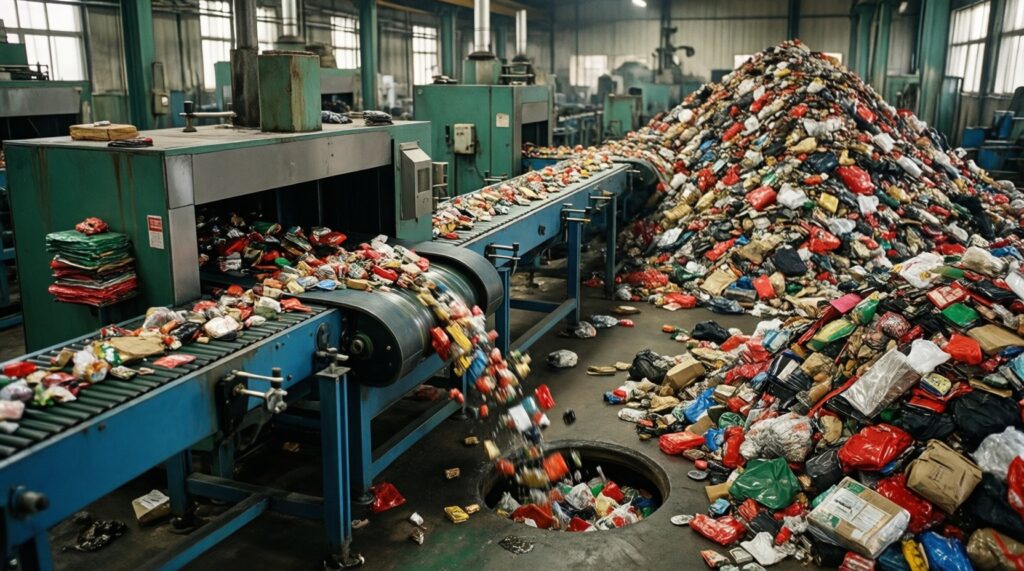
- Mis-targeted sink: removes items that are not accumulating, leaving the true surplus untouched.
- Throughput mismatch: sink capacity is capped (daily limits) while farming is not, so surplus piles up anyway.
- Perverse incentives: the sink rewards behavior that increases inflow (e.g., sacrifice grants loot boxes that add more items).
- Overly punitive loss: risk sinks push players to hoard, quit, or avoid core modes-reducing market velocity and worsening price discovery.
- Non-tradable bypass: players shift to account-bound alternatives, collapsing demand for tradable goods and destabilizing the marketplace.
- Interaction effect: sink + buffed drops. Raising drop rates to "feel generous" can outpace even a good sink, causing sudden deflation.
- Interaction effect: sink + crafting rework. If recipes become more efficient, old sinks become too weak overnight.
- Interaction effect: sink + player segmentation. If only whales or endgame players can access the best sink, the surplus created by midgame players remains.
- Interaction effect: sink + trading friction. High fees or poor UX reduces trading, so players self-supply and generate even more surplus items.
Measuring Impact: Metrics, Telemetry, and Signals of Sink Effectiveness
- Track net flow, not just sink usage: measure items created vs. items removed per day/week per segment; a popular sink can still be losing if inflow grew faster.
- Watch inventory stockpiles and listing depth: rising "items held" and growing auction volume at falling prices often signals oversupply despite active sinks.
- Segment by progression and playstyle: sinks may work for endgame raiders but fail for casual crafters-leading to localized gluts.
- Detect avoidance patterns: spikes in mule alts, hoarding, or switching to non-tradable alternatives are early warnings that sink pain exceeds perceived value.
- Monitor elasticity signals: if small cost increases cause big participation drops, your sink is fragile and will not support long-run virtual economy stabilization.
Implementation Guide: Steps, Trade‑offs, and Short Case Studies
- Define the problem precisely. Identify which items inflate (tier, source, player segment) and whether the symptom is deflation (oversupply) or progression lock (scarcity).
- Choose the lowest-drama sink type first. Prefer passive/active sinks with clear benefits before risk-based destruction.
- Set a tunable drain. Use adjustable parameters (cost curve, probability, rotating recipes) rather than hard-coded one-offs.
- Prevent exploit loops. Ensure outputs don't reintroduce the same tradable items at a profit or create an arbitrage route.
- Ship with telemetry hooks. Log item inflow/outflow, participation, and segment breakdown from day one.
- Iterate with guardrails. Tune slowly; communicate intent; avoid sudden changes that invalidate player planning.
Mini case: stabilizing a surplus crafting material without player backlash
Situation: a mid-tier material floods the market; prices collapse; new players earn nothing from gathering.
Sink: add a "refinement" action that consumes the surplus material plus a small fee to create an account-bound upgrade token used broadly (not tradable).
Fast prevention checklist:
- Token must not be convertible back into the original tradable material.
- Refinement cost should scale gently with item tier so endgame also participates.
- Cap the token's power creep; keep it as optimization/convenience, not mandatory progression.
- If you offer rotating refinement recipes, rotate based on surplus signals, not calendar alone.
Pseudologic for a dynamic recipe selector: choose the recipe that targets the highest "stockpile-to-demand" ratio, then set the cost multiplier within safe bounds.
targetItem = argmax(items, stockpile[item] / demand[item])
multiplier = clamp( baseline * (stockpile[targetItem] / demand[targetItem]), minM, maxM )
setRecipeCost(targetItem, baseCost[targetItem] * multiplier)
If you need external support, package this as an internal "economy control loop" brief; that's the kind of deliverable players never see but studios often request under game economy design services.
Designer and Player Concerns - Brief Answers
Do item sinks in games always mean destroying player property?
No. Many sinks convert tradable items into non-tradable utility (tokens, account-bound upgrades) so value remains while market supply decreases.
How do I know whether I need item sink design or currency controls?
If item prices are collapsing from oversupply, prioritize item sinks. If prices rise because currency is too abundant, prioritize currency sinks; mixing both requires careful sequencing.
Why do players call in-game economy item sinks "greedy" even when they work?
Because the sink's value exchange is unclear or feels mandatory. Make the benefit explicit and tie the sink to optimization, not base progression.
What's the safest first sink to try for virtual economy stabilization?
A voluntary, high-frequency active sink with a clear payoff (crafting consumption, reroll costs, refinement into bound utility) is usually safer than break-on-fail systems.
Can dynamic sinks backfire?
Yes. If players can predict rotations, they may hoard and flip; if tuning swings too hard, you create price whiplash and distrust.
How do I prevent a sink from becoming irrelevant after a content patch?
Design it with elastic parameters and monitor net flow by tier. When acquisition changes, adjust the drain rate before stockpiles accumulate.
When should I consider specialized game economy design services?
When you need a full telemetry model, segmentation strategy, and tuning governance across multiple systems (drops, crafting, trading, progression) rather than a single sink feature.