


Steam item trading is the process of acquiring, valuing, and exchanging Steam inventory items for profit or collection-while managing fraud risk. Build value by focusing on liquid items, tracking comparable sales, and using disciplined pricing rules. Stay safe by verifying identities, confirming trade contents before acceptance, and avoiding off-platform pressure that drives most steam trading scams.
Fast-Track Value Summary
- Prioritize liquidity: items with steady demand are easier to exit without discounting heavily.
- Anchor value using recent comparable listings, not wishful "rare" claims or screenshots.
- Separate "investing" (holding for later) from "flipping" (fast turnover) and price accordingly.
- Use Steam-confirmed identity signals and trade confirmations; distrust DMs and "middleman" stories.
- Never accept last-second item swaps; re-check every line item before final confirmation.
- Keep simple records (screenshots + notes) so you can react fast if something looks wrong.
Assessing Item Value: Metrics and Market Signals
This approach fits intermediate users who already understand basic Steam inventory mechanics and want repeatable rules for valuing items and trading with less guesswork. It's especially useful if your goal is consistent outcomes from steam item trading rather than chasing one-off "lucky" deals.
Don't do this when you can't commit to verification and patience: if you're rushing, trading while distracted, or relying on private quotes from strangers, you're operating in the highest-risk zone for steam trading scams.
- Liquidity signal: many active listings and frequent movement (items people actually want).
- Spread awareness: the gap between common sell prices and typical buy offers is where your margin is won or lost.
- Comparables: match the same item variant (e.g., condition, type, or special attributes) before accepting a "market price."
- Noise filter: ignore single extreme listings; prefer clusters of similar prices.
Building a Profitable Inventory: Acquisition Strategies
To consistently buy steam items without overpaying, you need basic access, a sourcing routine, and a risk boundary you won't break.
- Account readiness: Steam Guard / mobile authenticator enabled; stable login; secured email.
- Market access: ability to browse and compare steam marketplace items from your region/account state.
- Reference set: a shortlist of "go-to" liquid items you understand (instead of chasing every trend).
- Budget rules: max % of your inventory in one item type; max loss you'll accept on a fast exit.
- Time window: dedicated sessions for pricing and trading-avoid doing deals while multitasking.
Pricing and Listing: Maximizing Liquidity and Margin
-
Pick the selling channel based on your goal (speed vs margin).
Use fast channels when you need liquidity; use slower channels only when the expected extra margin is worth the waiting time. A solid steam trading guide mindset is: define your exit before you enter.
- Fast exit: price to move in the current cluster of listings.
- Margin exit: list closer to the upper cluster only if demand supports it.
-
Set your anchor from comparable listings, then apply a simple spread rule.
Start from multiple similar listings (same variant), not one "perfect" price. If you can't find true comparables, treat the item as illiquid and size your risk down.
-
Decide your target: flip price or hold price-never both.
Flips need a clear discount to attract buyers quickly; holds need patience and a reason (e.g., expected demand, scarcity, or event timing). Mixing the two usually means you overpay and then wait too long.
-
List with an integrity check: confirm the exact item variant before posting.
Mislisting the wrong variant ruins your pricing data and can force you into panic repricing. Double-check name, variant markers, and any special attributes.
-
Review after listing: watch for undercuts and abnormal price jumps.
If the market suddenly "moves," confirm it's real activity, not a temporary distortion. Reprice only when the comparable cluster has clearly shifted.
Quick Mode: 4-step algorithm for daily trading
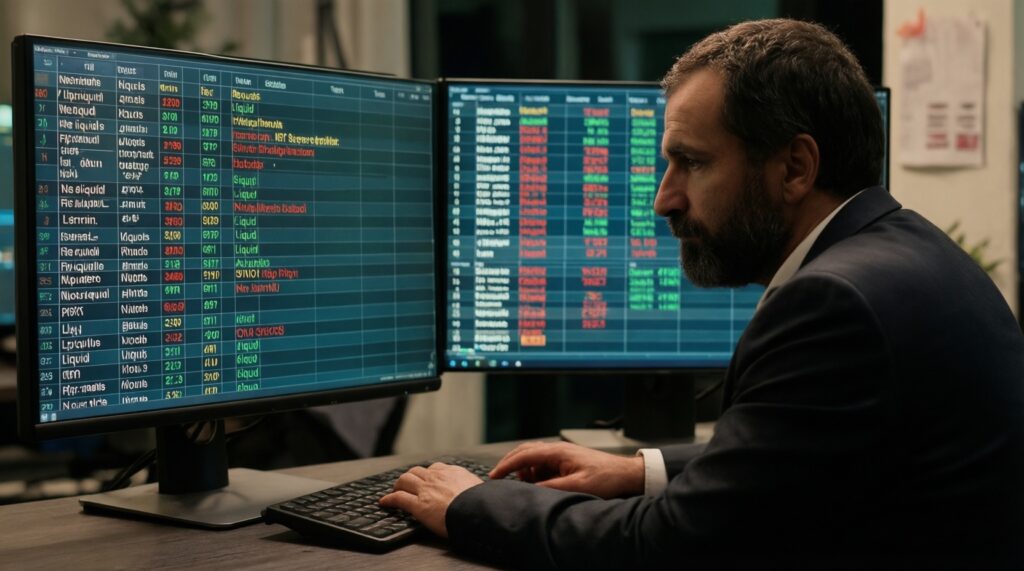
- Scan a shortlist of liquid items and note the current comparable price cluster.
- Buy only when your entry price leaves room for spread and a fast exit.
- List using a flip-or-hold decision; don't improvise after you've entered.
- Execute trades only after identity and item-line verification; reject any pressure tactics.
Trade Execution: Safe Protocols and Verification Steps
- Confirm you are logged into the real Steam domain/app (avoid links from DMs; navigate manually).
- Verify the profile is the correct account (same level/history you expect; no "I got hacked, add my new account" detours).
- Open the trade offer details and inspect every line item (names, quantities, and variants).
- Re-check right before confirming-scammers rely on last-second swaps.
- Never move the conversation to "verification" sites, "price check" tools, or fake escrow pages.
- Use Steam Guard confirmations and treat any unexpected confirmation prompt as a stop signal.
- Reject trades that require you to "send first," "prove trust," or "split into two trades."
- After completion, confirm the received items appear in your inventory and match the trade summary.
Detecting and Avoiding Common Scams
- Impersonation: lookalike accounts copying avatars/names; verify via your own trusted contacts list, not by their claims.
- Phishing links: "Steam Support," "trade checker," "API verification," or "inventory value" pages that ask you to log in.
- Middleman/escrow story: "trusted admin will hold items" is a classic trap; avoid third-party custody.
- Last-second item swap: they change one item to a cheaper variant right before you confirm.
- Pressure and urgency: "deal expires now," "I have another buyer," "you must confirm instantly."
- Overpay bait: offering far above normal value to lure you into off-platform steps or fake checks.
- Screenshot evidence: fake "payment sent" or "market price" screenshots; only trust what you can verify inside Steam.
- Conversation hijack: "my friend will trade you instead" or sudden account changes mid-deal.
Recordkeeping, Disputes and Platform Policies
When a trade feels risky or unclear, alternatives often beat forcing the deal through. Use the option that matches your situation and tolerance.
- Use Steam marketplace items instead of direct trades when you want fewer counterparty risks and a clearer listing context.
- Delay the trade and re-verify when anything changes (account, items, story, timing) between negotiation and execution.
- Downsize the deal when you lack comparables-trade a smaller portion first to validate behavior and item matching.
- Stop and document when you suspect fraud: save trade offer pages, chat logs, and timestamps for reporting within Steam.
Troubleshooting Trust: Short Answers to Trading Risks
What's the safest way to start steam item trading with real money involved?

Start with small-value, liquid items and use only in-platform flows you can verify. Avoid any deal that requires logging into third-party sites or using "verification" links.
How do I know I'm looking at real steam marketplace items pricing and not manipulation?
Rely on clusters of comparable listings and consistent patterns, not a single outlier price. If you can't find true comparables for the exact variant, treat the item as illiquid.
When I buy steam items, what's the biggest mistake that kills profit?
Paying a "collector premium" for something you can't exit quickly. Profit usually comes from disciplined entries on items you can resell without heroic assumptions.
Why do scammers ask me to "verify" my account or items?

Verification is often a pretext to get you onto a phishing page or to make you send items to a fake escrow. Steam doesn't require random users to verify your inventory through external links.
How can I reduce exposure to steam trading scams during negotiation?
Keep everything on Steam, ignore time pressure, and refuse to change platforms for "faster" handling. If the other party won't proceed without off-platform steps, end it.
What should I do if the trade offer suddenly changes right before confirmation?
Cancel or decline immediately and rebuild the offer from scratch. Any last-second swap is a high-signal red flag, even if they claim it was an accident.