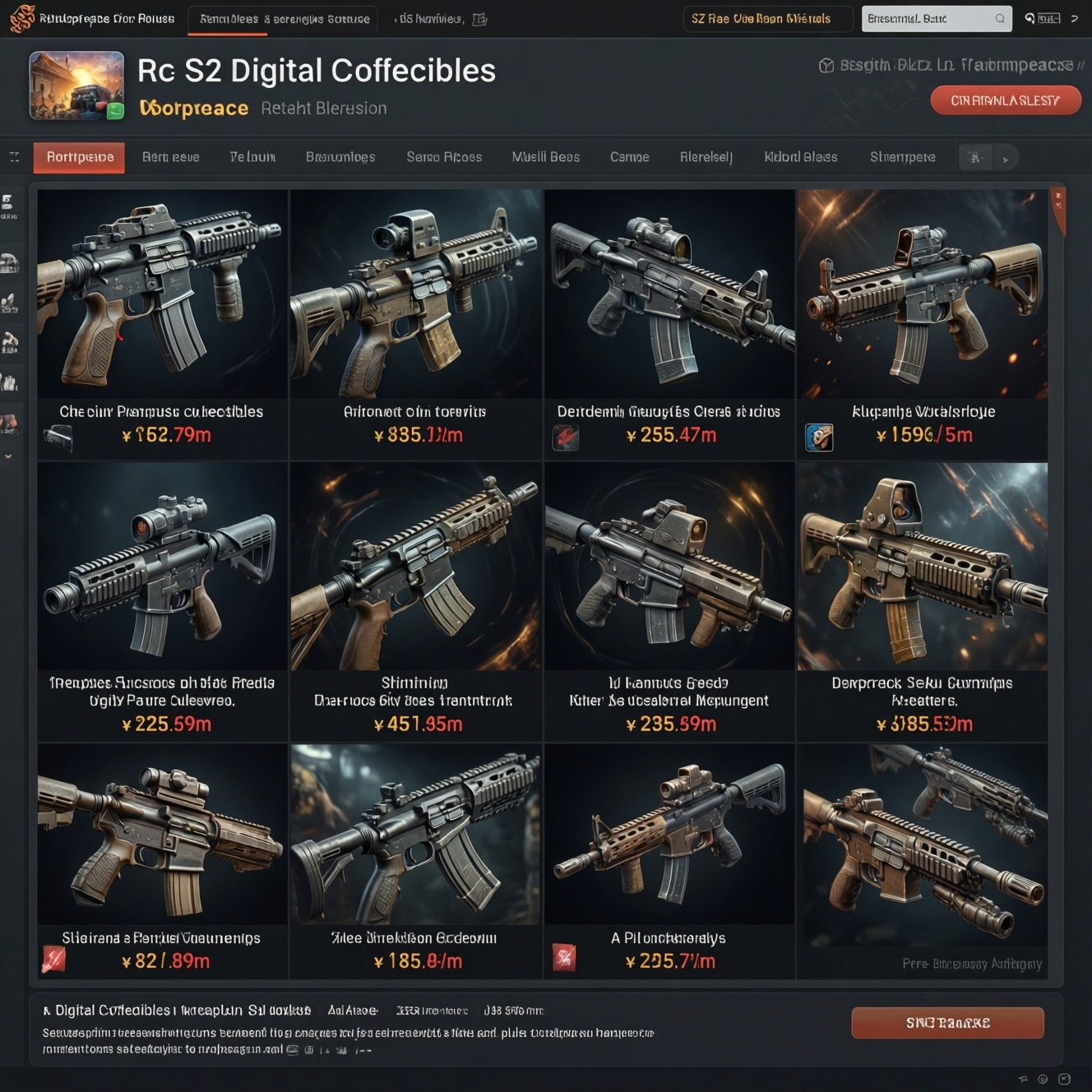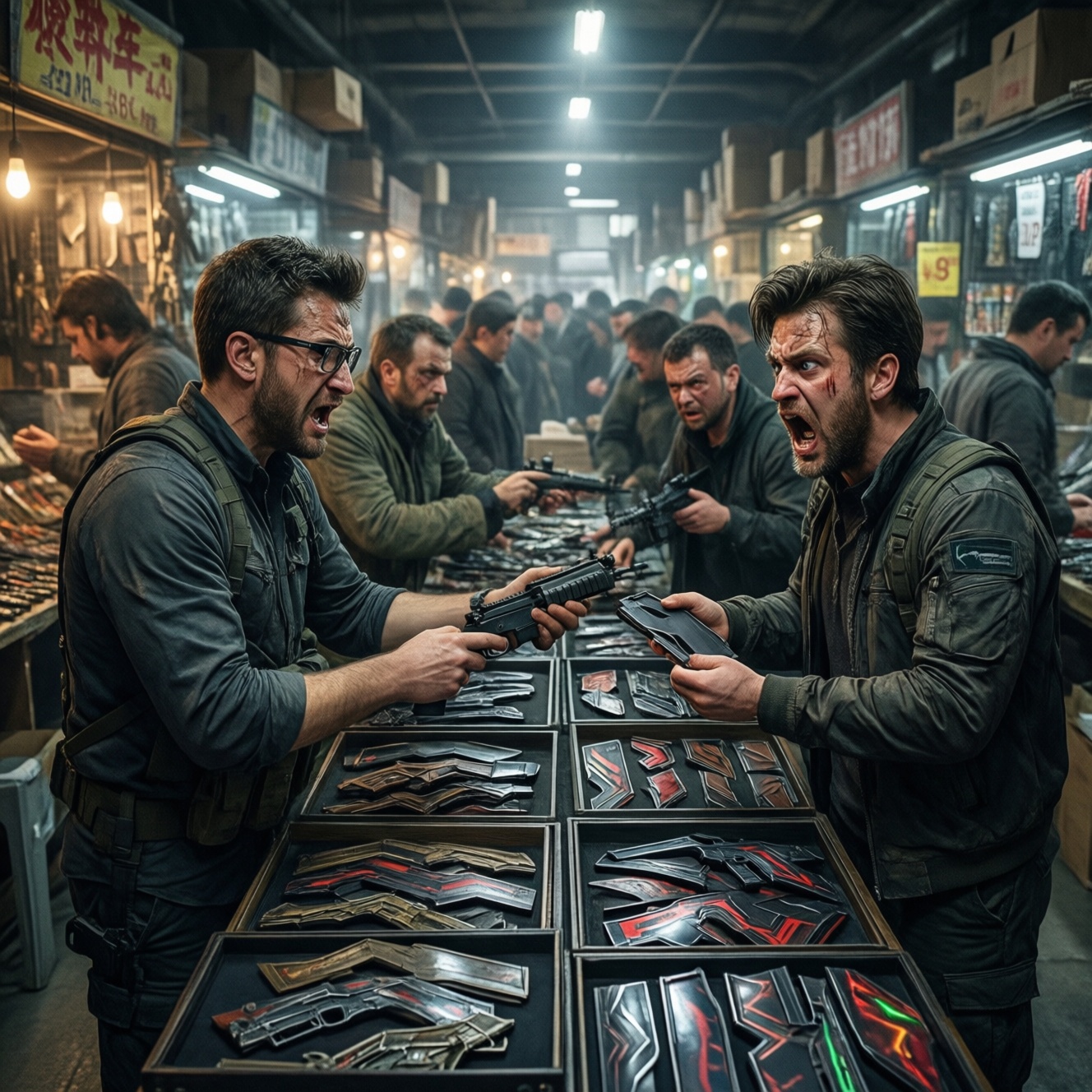


Players chase rare drops because variable rewards feel more motivating than predictable ones, social validation amplifies the urge, and cognitive biases make "just one more try" feel rational. Tilt happens when frustration and sunk cost override decision-making. You can regain control by setting hard limits, removing trigger loops, and using a short reset protocol before spending or grinding.
Essential Mechanisms Behind Why Players Chase Rare Drops

- Unpredictable rewards strengthen repetition more than steady rewards, keeping attention locked on the next drop.
- "Rare drop rates and dopamine" are linked in how anticipation spikes before the outcome, not only after a win.
- Social signaling (flexing skins, titles, frames) converts loot into status, not just cosmetics.
- Loss aversion and sunk cost make stopping feel like losing progress, even when nothing is owed back.
- Design loops (near-miss feelings, time-limited events, streaks) can push you from play to chasing.
- Anti-tilt routines work best when they are pre-committed and friction-based (caps, delays, accountability).
Debunking Common Myths About Rare Drops
Rare drops are not "proof of skill" by default; they're usually a probability outcome wrapped in progression and presentation. The psychology becomes risky when the drop stops being a bonus and becomes the goal, especially when you keep playing (or paying) to "repair" a bad run.
It also isn't only about loot boxes. The same chase can appear in boss farming, gacha pulls, crafting crits, upgrade success rates, rerolls, or limited-time reward tracks. The shared core is repeated attempts with uncertain outcomes and emotionally salient feedback.
If you're searching for why do gamers chase rare drops, focus less on the item and more on the loop: cue (availability) → action (attempt) → uncertainty → reveal → story you tell yourself. That story is where myths live.
| Common belief | What's usually happening | Practical implication |
|---|---|---|
| "I'm due for a drop." | Independent attempts feel like a building streak, even when they aren't. | Set attempt caps; don't use "due" as a reason to continue. |
| "If I stop now, all that time is wasted." | Sunk cost turns past effort into a reason for future effort. | Decide based on next hour's value, not last week's grind. |
| "Spending once is fine; it's just entertainment." | One purchase can normalize repeated purchases through habit. | Create a spending rule before you open the store. |
| "Tilt only happens in ranked matches." | Any high-arousal loop can trigger impulsive decisions. | Use the same reset protocol for farming, gacha, and PvP. |
Reinforcement Schedules: How Random Rewards Hijack Motivation
This is the core of loot box psychology: variable outcomes make your brain treat each attempt as potentially meaningful, so you keep checking. The most addictive-feeling part is often anticipation and the reveal, not the reward's practical utility.
- Variable reinforcement: rewards arrive unpredictably, so stopping feels like you might miss the "next one."
- Salient cues: animations, sounds, and rarity colors act as triggers that re-prime attention.
- Fast retries: short attempt cycles reduce reflection time and make repetition automatic.
- Near-miss perception: "almost" outcomes (close rolls, almost-crafted perfect stats) can feel like progress.
- Memory bias: you recall highlights (big drops) more vividly than the neutral attempts.
- Identity hook: "I'm the kind of player who gets this" becomes a reason to continue.
Social Status, Signaling and the Market Value of Loot
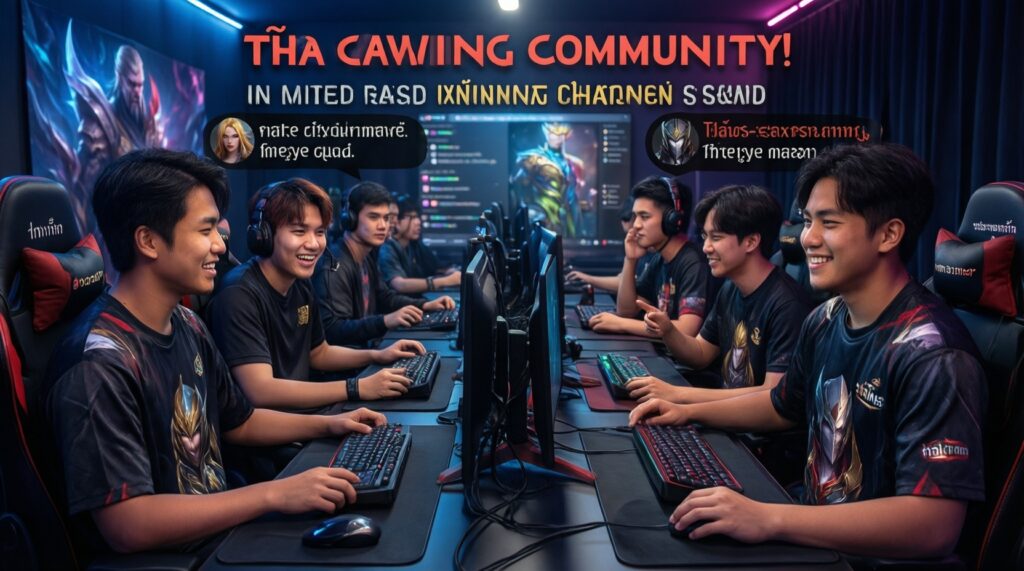
Loot becomes more chase-worthy when it's a social object. Even when an item is purely cosmetic, it can buy attention, belonging, or perceived competence in a squad. In Thailand's gaming communities, visible cosmetics and limited-time collaborations often function as social shorthand in chats, streams, and LAN meetups.
- Lobby signaling: skins, frames, mounts, or titles broadcast "time invested" or "event participation."
- Team trust: rare cosmetics can (incorrectly) be read as skill or reliability, raising pressure to obtain them.
- Creator economy influence: streams and clips amplify "pull moments," making chasing feel normal.
- Secondary value: tradeable items turn drops into pseudo-assets, increasing emotional stakes.
- Fear of missing out: event exclusives frame the choice as now-or-never, compressing decision time.
Cognitive Biases: Loss Aversion, Sunk Cost and the Mechanics of Tilt
Tilt is a state where emotion hijacks choices. In loot chasing, it often shows up as irritated grinding, impulsive spending, or "one last try" loops that ignore your original plan. It's not a character flaw; it's predictable cognition under stress.
- Loss aversion: stopping feels like accepting a loss, even when no loss exists beyond disappointment.
- Sunk cost fallacy: time/money already spent becomes a reason to spend more.
- Outcome bias: you judge your decision by the last result (drop/no drop), not by whether the process was sensible.
- Availability heuristic: you overestimate success because rare wins are memorable and shareable.
- Emotional reasoning: "I feel close" becomes "I am close."
- What this mindset can do well: motivation spikes can help short, bounded goals (a fixed farming session) if you keep hard limits.
- Where it breaks: open-ended goals, ambiguous drop odds, and easy retries increase impulsivity and make it harder to disengage.
- Practical takeaway: tilt prevention is mostly about reducing decision frequency and adding "cooldown" friction before the next attempt.
Game Design Patterns That Encourage Chasing - Intentional and Accidental
Not every system is malicious, but many patterns predictably intensify chasing. Treat these as risk flags: the more flags present, the more you should rely on pre-set limits rather than willpower.
- Time-limited banners/events: compress reflection time and turn uncertainty into urgency.
- Multi-currency stores: makes it harder to "feel" spending and compare value.
- Progress bars tied to random outcomes: blends certainty (the bar) with randomness (the drop), encouraging "finish the bar" behavior.
- Back-to-back offers after failure: prompts "repair spending" immediately after disappointment.
- Streak framing: daily chains and bonuses that punish breaks increase compulsive check-ins.
Evidence-Based Techniques to Prevent Tilt and Regain Control
If your goal is how to avoid tilt in gaming, use rules that work even when you're emotional. The key is to decide limits when calm, then automate them with friction (caps, delays, and accountability) so you don't have to negotiate with yourself mid-tilt.
A practical anti-tilt protocol (use before farming sessions or opening packs)
- Pre-commit a cap: set a maximum number of runs/opens and a hard stop time.
- Separate "fun" from "chase": pick one primary objective for the session (play with friends, practice mechanics, or farm). If it becomes chase-only, you stop.
- Add a delay: after every failed milestone (no drop, bad roll), take a 3-5 minute break away from the screen.
- One-click friction: remove saved payment methods, disable one-tap purchase, and keep store access inconvenient.
- Debrief in one sentence: write a short note: "I stopped because my cap ended," not "I stopped because I failed."
Mini-case: turning an impulse loop into a rule-based loop
Situation: you miss a cosmetic you want, feel irritated, and the store keeps offering "one more" chances. Your aim is to stop gambling loot boxes behaviorally by making the next step non-automatic.
IF (I feel rushed OR angry OR "due") THEN
  wait 10 minutes (phone away from game)
  do 1 non-game action (water / walk / message a friend)
END IF

IF (session_attempts >= my_cap) THEN
  stop playing for drops
  switch to a non-loot goal OR log off
END IF
This works because it interrupts the anticipation loop behind rare drop rates and dopamine and moves the decision to a calmer moment.
Targeted Clarifications on Loot Behavior and Recovery
Is chasing rare drops the same thing as addiction?
No. Chasing is a behavior pattern that can range from harmless to harmful depending on intensity, control, and consequences. Use impact (sleep, money, mood, relationships) as the deciding metric.
Why does "one more run" feel so logical when I'm tilted?
Tilt narrows attention to short-term relief and makes sunk cost feel like progress. Your brain treats stopping as a loss, even if stopping is the correct choice.
Do transparent odds remove the problem?
They help you reason, but they don't remove emotional triggers like urgency, anticipation, and social pressure. Limits and friction still matter.
What's the fastest way to calm down mid-session?
Leave the reward loop briefly: stand up, hydrate, and change sensory context for a few minutes. The goal is to break automatic retries and return with a planned next step.
Can I enjoy loot systems without quitting the game?
Yes: keep loot as a bonus, not the session's purpose. Use caps, timeboxes, and a clear "stop condition" to prevent drift into chasing.
How do I tell if I'm spending to fix a bad mood?
If the purchase happens right after disappointment, frustration, or urgency prompts, it's likely "repair spending." Add a mandatory delay before any purchase decision.