

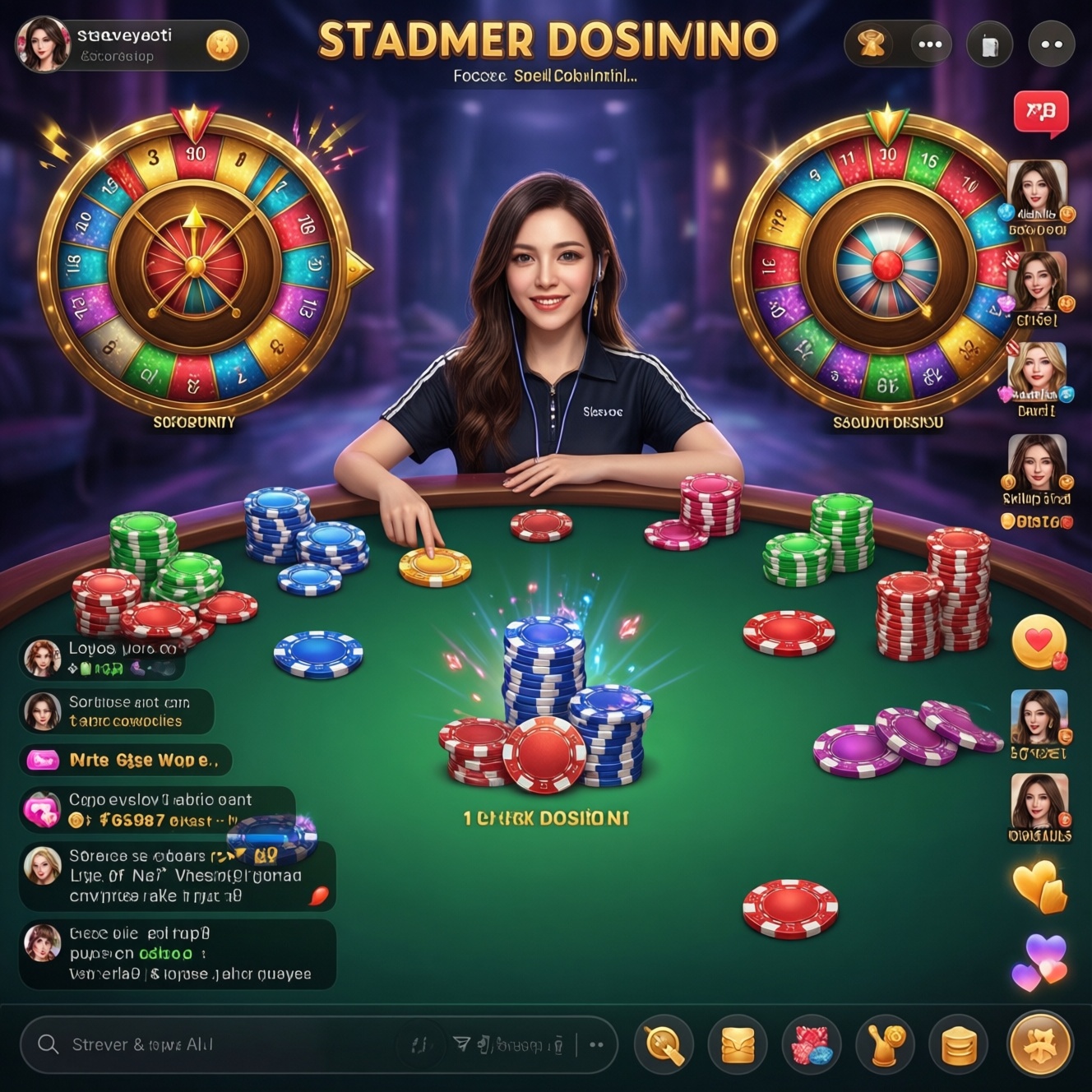
Social casinos are free-to-play gambling-style games where players use virtual currency, compete socially, and pay for convenience or cosmetics rather than cashing out winnings. Their rise in gaming communities comes from streamer-friendly loops, low-friction onboarding, and strong live-ops. The biggest risks are mislabeling the product, over-aggressive monetization, and weak compliance hygiene.
Common Misconceptions About Social Casinos
- Myth: Social casino games are "just gambling." Correction: They are typically virtual-currency entertainment with no real-money payout, closer to F2P economies than betting products.
- Myth: Social casino apps monetize like standard IAP games. Correction: Value is often tied to time, status, and streak protection, so pricing and pacing errors are easier to make.
- Myth: "Best social casino games" succeed mainly via luck mechanics. Correction: Community features, events, and progression clarity drive retention more reliably than volatility.
- Myth: If you can play social casino games online, compliance is someone else's problem. Correction: Store policies, ad networks, and local expectations (including in Thailand) still require careful disclosures and age-appropriate design.
- Myth: Social casino monetization is solved by bigger bonuses. Correction: Over-bonusing can collapse the economy, reduce perceived value, and incentivize exploit loops.
Myths vs Reality: What Social Casinos Actually Do
A social casino is a digital game that borrows the theme and core actions of casino play (slots, poker-like formats, roulette-like spins) while operating as a social, free-to-play service. The defining boundary is no cash-out of winnings in the core product experience: players spend and earn virtual currency and items, then share outcomes socially (leaderboards, clubs, gifting, spectating).
This boundary matters because it changes both product design and risk. In real-money gambling, the "value loop" is externalized (money in, money out). In social casino games, value is internal: time, progression, access to events, prestige, and social belonging. Teams that treat social casino as "gambling without cash-out" often over-index on odds tuning and under-invest in community systems, which is usually where sustainable retention is built.
In practice, social casino apps sit on a spectrum:
- Pure social casino: virtual chips only, no prizes, no redemption.
- Hybrid entertainment: social casino core plus meta-progression, battle-pass style layers, or creator/club features.
- Promotional adjacency: separate real-money brand marketing around the app (high-risk for policy violations if not cleanly separated).
Takeaway: Define the product by its payout rules and value system, not by the theme; that definition should drive UX, economy, and compliance decisions.
How Social Casinos Fit into Modern Gaming Communities
The "rise" is less about copying casinos and more about fitting into existing community behaviors: watching, sharing, competing, and returning for live events. When players can play social casino games online with friends, creators, or clubs, the game becomes a social routine rather than a solitary grind.
- Creator-ready moments: fast outcomes, highlightable wins, and "one more spin" pacing that streams well.
- Clubs/guilds with obligations: weekly contribution goals, shared jackpots, or co-op tasks that build accountability.
- Gifting and reciprocity: daily chip gifts, stamina sends, and thank-you loops that reinforce returning.
- Live-ops cadence: rotating events, limited-time collections, and seasonal ladders to prevent content exhaustion.
- Light PvP pressure: leaderboards, bracketed tournaments, or asynchronous duels that feel competitive without requiring esports-level skill.
- Social proof UX: "clubmate won," "friends are playing," and shared milestones (used carefully to avoid misleading claims).
Where teams make quick, preventable mistakes:
- Shipping community features last: you'll buy installs, but you won't keep players.
- Over-reliance on global chat: moderation and safety become the product's hidden cost.
- One-size-fits-all events: whales dominate, mid-spenders churn, and newcomers feel irrelevant.
Takeaway: Treat community systems as core gameplay; they are not "nice-to-have" UI around the slot loop.
Player Psychology and Engagement Mechanics Behind Social Casinos
Social casinos work best when they translate uncertainty and reward into manageable, social, goal-shaped experiences. The most common engagement scenarios are predictable, which makes prevention-oriented design possible.
- Sessionized stress relief: short sessions to "reset," where clear stop points (end of event tier, daily missions done) prevent runaway play.
- Status seeking: players chase frames, VIP tiers, club roles, and leaderboard badges; unclear tier rules create distrust fast.
- Collection completion: album/card sets and themed cabinets drive long-term goals; missing transparency fuels "this is rigged" sentiment.
- Reciprocity loops: gifting and help requests keep players returning; spammy notifications turn reciprocity into annoyance.
- Loss recovery behaviors: players try to "get back" virtual chips; aggressive offers at this moment can look predatory, even without real-money payouts.
Fast prevention patterns for common errors:
- Make outcomes legible: show why progression moved (event points, multipliers, boosters) so the system feels learnable.
- Add friction at the right time: cooldowns, "bank" checkpoints, and optional reminders after long sessions.
- Separate skill from luck: mini-goals (missions, club tasks) ensure players can "win" even during bad variance.
Takeaway: Design for predictable motivations (status, belonging, completion), then add guardrails where behavior predictably gets messy.
Monetization Architectures: From Virtual Goods to Hybrid Models
Social casino monetization tends to be about time, access, and protection: players pay to extend sessions, enter events, keep streaks alive, or accelerate progression. The fastest way to break trust is to sell power without explaining systems, or to flood the economy with discounts until purchases feel meaningless.
Common revenue components that usually work
- Currency packs: chips/coins with first-time purchase framing that doesn't imply real value or cash-out.
- Boosters: multipliers, auto-play conveniences, or event point enhancers (be explicit about scope and duration).
- Event passes: paid track alongside free track; clearer value than random bundles.
- VIP programs: loyalty perks and cosmetic status layers; ensure benefits don't create impossible gaps for non-payers.
- Cosmetics and customization: themes, avatars, tables, cabinets-strong for social identity.
Constraints and failure modes to design around
- Economy inflation: excessive freebies/discounts make prices non-credible and shorten progression.
- Offer spam: too many pop-ups feels coercive; players learn to close without reading and stop trusting promos.
- Pay-to-compete ladders: if tournaments are effectively paywalled, mid-core spenders churn first.
- Opaque odds messaging: even without cash-out, unclear mechanics can trigger platform complaints and reputational damage.
- Misaligned segmentation: targeting only top spenders can starve the community ecosystem that creates new spenders.
Takeaway: Sustainable social casino monetization is mostly economy credibility + offer restraint + social value, not maximum short-term ARPDAU extraction.
Legal, Ethical, and Platform Compliance Considerations
Social casinos are not automatically "safe" just because there is no payout. App stores, payment processors, ad networks, and local expectations still care about how you present the experience. In Thailand-context publishing, you should be especially careful with age-appropriateness, ad targeting, and avoiding any implication of real-money gambling services unless you have a separate, compliant pathway and approvals.
- Mistake: Implying cash value. Avoid language that suggests winnings have monetary worth, can be withdrawn, or are "real."
- Mistake: Blurring brands with real-money products. Cross-promo can be interpreted as gambling advertising; keep separation, disclosures, and targeting controls strict.
- Mistake: Weak age gating and targeting. Don't rely on "it's in the store rating"; align creatives, audiences, and in-app messaging to an adult-appropriate experience where required.
- Mistake: Dark patterns in purchase UX. Accidental taps, confusing confirmations, and hard-to-find subscription cancellation create refund risk and store enforcement risk.
- Mistake: No responsible-play hygiene. Provide settings for notifications, spending controls where applicable, and clear support pathways; this is reputational protection even when the currency is virtual.
Takeaway: Treat compliance as a product surface (copy, flows, targeting, separation), not as a legal note at the end of the roadmap.
Best-practice Design Patterns for Retention and Responsible Revenue
Use a "trust-first" loop: teach the economy, earn engagement through events, then monetize by removing friction-not by creating confusion. Below is a compact pattern that helps prevent the most common errors (offer spam, economy inflation, and frustration spending) while still supporting healthy live-ops.
Mini case: Club event with controlled offers (practical template)
- Onboarding (first sessions): explain virtual currency sources/sinks and show a visible "daily stop point" (mission completion + event tier).
- Engagement (week 1): run a club event where free participation is meaningful; gate premium value behind a pass that adds convenience and cosmetics, not mandatory power.
- Monetization (contextual, capped): show at most one offer after a clear trigger (e.g., event tier reached), and suppress offers after repeated closes.
- Economy control: keep one "primary" sink (event entry/boosters) and one "primary" faucet (missions/club tasks) so balance is debuggable.
- Safety and trust: add a session reminder after extended play and a simple settings page to reduce notifications and promotional prompts.
Pseudocode for offer restraint (simple, enforceable)
if trigger == "EVENT_TIER_REACHED":
  if offers_shown_today < DAILY_CAP and player_closed_offers_recently < CLOSE_CAP:
    show_offer("event_pass_or_booster_bundle")
  else:
    suppress_offers(hours=24)

if player_spend_spike_detected and session_length_high:
  show_reminder("Take a break / adjust notifications")
- What to monitor (no hard numbers required): D1/D7 retention, offer close rate, refund rate, economy balance (net chips per day), and event participation split between free vs paid tracks.
- Fast prevention win: if you must pick one change, cap offers and tie them to positive moments (progress achieved), not to frustration moments (loss recovery).
Takeaway: The "best social casino games" feel generous and learnable, and their revenue comes from clarity + pacing + community rather than pressure.
Concise Clarifications for Practitioners
Are social casino games considered gambling?
They typically simulate gambling but use virtual currency with no cash-out. Classification depends on jurisdiction and product presentation, so treat wording, targeting, and brand adjacency as high-risk surfaces.
What makes social casino apps different from other F2P games?
The core loop is uncertainty-based outcomes combined with strong sinks/faucets in a virtual economy. Community features (clubs, gifting, events) usually matter more to retention than adding more game modes.
How do players usually discover and play social casino games online?
Most discovery comes from stores, ads, and social/creator content, then players stay for events and club obligations. Optimize the first session for "join a club" and "finish a clear daily goal."
What is the biggest early mistake in social casino monetization?
Over-bonusing and over-discounting until the economy loses credibility. The second is offer spam that trains players to dismiss every prompt and later complain about manipulative UX.
How do you define "best social casino games" without relying on hype?
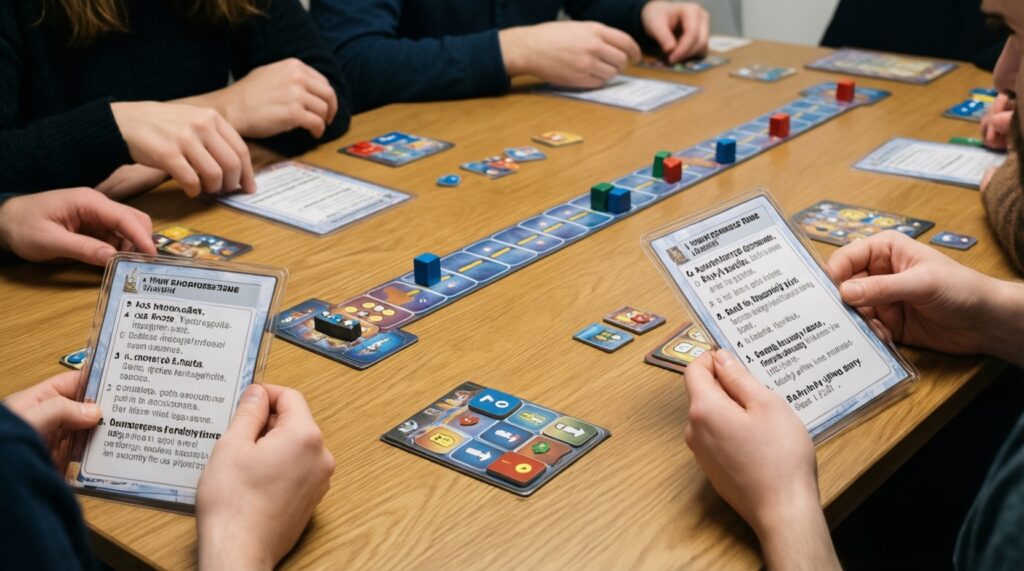
Look for clear progression, readable event rules, restrained offers, and community systems that create repeat play. If players can explain how to progress and why they lost, trust is usually higher.
Can a social casino be ethical without real-money payouts?
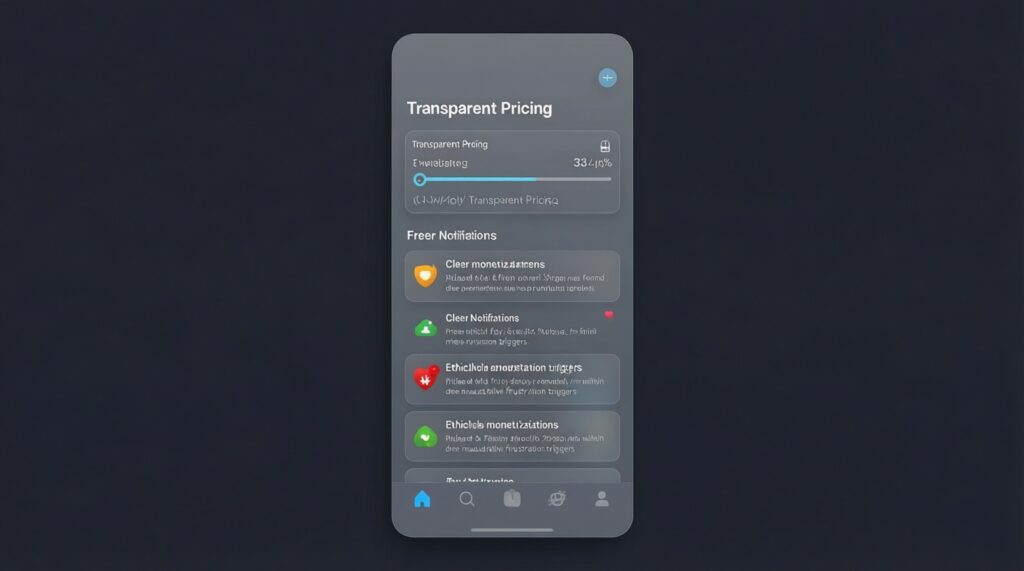
Yes, but only if the product avoids deceptive value language, provides practical controls (notifications and reminders), and keeps monetization away from frustration triggers. Ethical design is mainly about transparency and restraint.