


When gambling starts to feel like investing, the safest move is to treat it like entertainment with strict, pre-decided boundaries: cap money, cap time, and stop chasing outcomes. Use responsible gambling tools to lock in those caps, track every session like a budget line item, and escalate to self exclusion gambling if limits keep breaking.
Core Principles for Safer Play
- Decide your gambling limits before you log in, and never renegotiate them mid-session.
- Separate "life money" and "play money" using dedicated accounts or wallets.
- Measure sessions in time and spend, not wins or losses.
- Assume short-term results are noise; avoid "recovering" losses as a goal.
- Automate guardrails with platform controls, device settings, and payment blocks.
- Escalate protection quickly if rules slip: cool-off, then self-exclusion, then support.
Recognizing When Playing Mirrors Investing
This approach fits gamers who notice they're using investment-style thinking (tracking "ROI," scaling stakes, doubling down) in casino-like play, loot-style spending, or speculative game mechanics. It is especially relevant for online casino bankroll management when you feel you are "managing a portfolio" rather than playing.
Do not rely on this as your only strategy if you are playing to pay bills, to fix debt, or to cope with intense stress; in those cases, prioritize stopping tools and outside support over optimization.
Example (anonymized): "M." started logging every session like a trading journal and felt compelled to 'average down' after losses. The moment they realized they were thinking in investment terms, they moved to fixed session caps and stopped changing stakes mid-play.
Designing Personal Financial Boundaries for Gaming
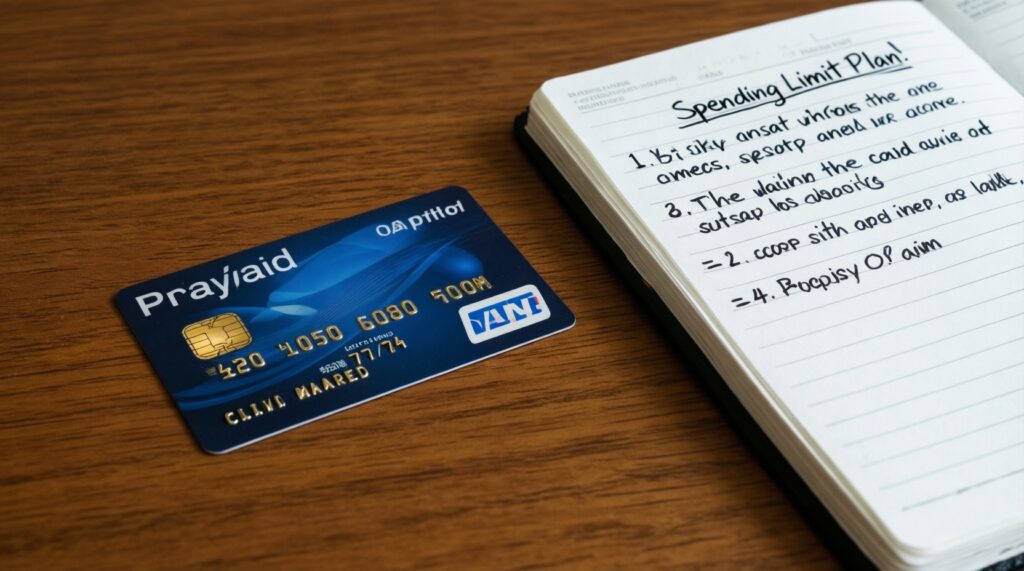
Prepare a small set of tools and access changes so your rules are enforceable, not just intentions.
- A dedicated play budget container: a separate bank sub-account, e-wallet balance, or prepaid method used only for gambling.
- A written limit plan: weekly/monthly spend cap, per-session cap, and a hard stop rule (for example: "When the session cap is reached, I log out immediately").
- Access controls: app/site blockers, device Screen Time/Digital Wellbeing settings, and notification control (disable promo pushes).
- Payment friction: remove stored cards, disable one-click deposits, and avoid credit where possible.
- Tracking: a simple notes app or spreadsheet with date, time spent, deposited amount, and net result.
Example (anonymized): "K." used a separate e-wallet just for play funds and removed all other payment methods from the casino account. When the e-wallet hit the weekly cap, there was nothing else to tap.
Time Management Strategies to Prevent Drift
-
Set a session timer and a hard end time.
Decide a maximum session length and a latest stop time before launching the app. Treat the alarm as a logout trigger, not a suggestion.- Tip: schedule a real-world commitment immediately after your stop time (food, shower, call, sleep).
-
Define a "single-entry" rule for the day.
Plan one session window only; if you close the app, you are done for the day. This prevents drift into repeated short sessions that add up. -
Use stake and game-type constraints.
Pick one stake range and one game type per session, then lock it. Switching games or raising stakes is often the start of chase behavior. -
Insert a mandatory pause after any spike.
If you feel a surge (big win, big loss, anger, "I can get it back"), pause for a fixed break before any next action. The goal is to interrupt autopilot.- During the pause: stand up, drink water, and re-check your caps.
-
Close with a post-session log.
Spend 60 seconds recording time and money. If you skip logging, you are not allowed to start a new session later-this keeps tracking non-optional.
Fast-track mode (3-5 steps)
- Before play: write your spend cap + time cap for this session.
- During play: one game type, one stake range, no increases.
- At cap: log out immediately; no "one more try."
- After play: record deposits/time; if you broke a rule, activate a cool-off right away.
Example (anonymized): "P." set a 45-minute timer and a "single-entry" rule. When the timer rang after a loss streak, they logged out, wrote the result, and avoided the usual late-night re-entry.
Tools and Features to Enforce Spending Caps
- I set deposit limits that match my budget (daily/weekly/monthly) and confirmed they are active.
- I enabled a loss limit or wagering limit if the platform offers it.
- I turned on reality checks or session reminders (time alerts) inside the gambling app.
- I disabled autoplay/rapid-play features where possible to reduce speed.
- I removed saved payment methods and turned off one-click deposits.
- I blocked gambling transactions or vendors via bank/e-wallet controls if available.
- I used device-level blocks (Screen Time/Digital Wellbeing) for gambling sites/apps at night.
- I muted promotional notifications and emails to reduce trigger exposure.
- I confirmed my limits cannot be increased instantly (cooling period required).
Example (anonymized): "S." combined responsible gambling tools: deposit limits on the site plus phone-level downtime after 11 pm. The overlap prevented "just one more deposit" when tired.
Behavioral Triggers and How to Interrupt Them
- Chasing losses: if you catch yourself thinking "I can recover it," stop and take a mandatory break before any next bet.
- Raising stakes to speed up recovery: freeze stakes at the pre-set range; if you already raised once, end the session.
- Reframing gambling as investing: ban ROI language in your notes; label it as paid entertainment only.
- Near-miss fixation: treat near-misses as losses; log them the same way to avoid "almost won" reasoning.
- Win-triggered overconfidence: big win = cash-out and exit rule (decide this before playing).
- Stress or fatigue play: if you're hungry, angry, lonely, tired, postpone; use a non-gambling reset first.
- Promo pressure: bonuses and timers push urgency; pause and re-check your caps before accepting anything.
- Social comparison: ignore screenshots and streamer wins; they are not a benchmark for your session plan.
Example (anonymized): "J." noticed they only played after work arguments. They added a rule: no gambling until after a meal and 20 minutes of walking. Most urges faded before any login.
Recovery Steps After Financial Overreach
If you went past your gambling limits, switch from "better discipline" to stronger barriers and support. Pick the least complex option that reliably stops further harm.
- Immediate cool-off and payment lockdown: take a platform cool-off, remove payment methods, and block gambling merchants with your bank/e-wallet if available. Use this when you broke limits once or twice and want a fast reset.
- Self-exclusion: use self exclusion gambling when you keep renegotiating rules, hiding spend, or returning after cool-offs. Make the exclusion long enough that it outlasts the urge cycle.
- Accountability + budget containment: ask a trusted person to hold or co-manage the play budget container, or switch to cash-like prepaid-only funding. Use this when impulses are strong but you still want structured oversight.
- Professional support: choose counseling or local support services when gambling is linked to anxiety, depression, debt, or relationship conflict. Use this when stopping feels impossible without help.
Example (anonymized): "A." exceeded their monthly cap twice. They moved from reminders to a multi-month self-exclusion, then used a separate prepaid method for other online purchases to avoid relapse via stored cards.
Common Concerns and Clear Answers
Is it ever safe to treat gambling like investing?

No-gambling outcomes are not a controlled investment process. If you notice "portfolio thinking," treat it as a warning sign and tighten boundaries immediately.
What are realistic gambling limits for an intermediate player?
Limits are personal: set a fixed entertainment budget you can lose without consequences, plus a per-session cap and a weekly/monthly ceiling. If you can't keep them for two weeks, the limits are too loose or not enforced.
How does online casino bankroll management fit responsible gambling?

Use it only to pace entertainment spending, not to optimize returns. Your "bankroll" should be a strictly separated play budget, not money needed for life expenses.
Which responsible gambling tools matter most?
Deposit limits, reality checks (time alerts), and cool-off/self-exclusion are the most direct. Payment-method removal and device-level blocking add a second layer when willpower fails.
When should I consider self exclusion gambling?
When you repeatedly break limits, chase losses, hide activity, or feel unable to stop once you start. Self-exclusion is a safety tool, not a punishment.
What should I do right after I break my limit?
End the session, block further deposits for a set period, and log the overage without justification. Then increase friction (lower caps, cool-off, remove payments) before your next session.
Do bonuses help me control spending?
Usually they increase urgency and session length. If a bonus makes you raise stakes, extend time, or deposit again, skip it and stick to your pre-set plan.