
NFT items in games are tokens that can prove on-chain ownership of an identifier, but they do not automatically guarantee in-game access, balance, or long-term usability. Interoperability across games is usually a marketing claim, not a default capability. For teams and analysts, the real work is custody design, marketplace rules, and managing liquidity and fraud risks.
Practical Summary: What Developers and Analysts Need to Know
- NFT ownership typically covers the token, while gameplay rights remain controlled by the game's servers, terms, and anti-cheat.
- Interoperability is constrained by art rigs, stats systems, progression rules, and IP licensing; bridges require explicit integrations.
- Custody choice (player wallet vs custodial) is the biggest trade-off between UX friction and regulatory/security exposure.
- A single "NFT gaming items marketplace" integration is simpler than multi-chain support, but increases platform dependency risk.
- Price discovery is fragile: "NFT gaming items price" often reflects thin liquidity and speculation rather than utility.
- Fraud patterns (fake collections, compromised wallets, wash trading) are not edge cases; they are predictable operational load.
True Ownership vs. Access: Legal and Technical Boundaries of NFT Items
In most game implementations, an NFT is best understood as a transferable receipt: a blockchain token referencing metadata (and sometimes a media file), plus rules embedded in a contract. What players "own" is the token's control (the ability to transfer it), not a guaranteed entitlement to an item behaving identically forever inside the game.
In-game access still depends on off-chain systems: account status, region locks, ban decisions, economy resets, item deprecation, or rebalancing. Even when the game reads the chain, it chooses how to interpret the token (e.g., whether it maps to a skin, whether it is usable in ranked play, whether it is disabled during events).
Legally and operationally, the boundary is usually the game's terms: the studio can change content, retire servers, or restrict use, while still allowing the NFT to exist and move externally. Practically, this means "true ownership" is often ownership of tradability, not ownership of the player experience.
Smart Contracts, Wallets, and Custody Models in Game Ecosystems
Most systems combine on-chain token ownership with off-chain game state and entitlements. The implementation details determine both time-to-ship and the risk surface.
- Minting model: pre-mint a supply, mint-on-demand, or mint-through-crafting. Each changes fraud exposure and economy control.
- Token standard: single-asset vs multi-asset patterns; batch transfers reduce gas and simplify inventory operations.
- Metadata strategy: fully on-chain metadata (durable, expensive) vs off-chain metadata with signed URLs (cheaper, but requires integrity controls).
- Game binding logic: server verifies wallet ownership, then grants a playable item instance (often an off-chain record) tied to that token ID.
- Trading rails: integrate a marketplace contract, a marketplace API, or allow external markets; each changes enforcement capabilities (royalties, restrictions, takedowns).
- Custody choice: self-custody wallets vs custodial accounts vs hybrid (session keys, account abstraction). UX and compliance complexity move in opposite directions.
| Approach | Implementation convenience | Primary risks | Best fit |
|---|---|---|---|
| Self-custody (player wallet) | Slower onboarding; more support load | Phishing, key loss, chain-specific attacks, user errors | Core crypto-native audiences; open trading where "buy NFT game items" is a core loop |
| Custodial wallet (game-managed) | Fastest UX; easiest recovery | Operator liability, internal compromise, withdrawal abuse, stricter compliance expectations (including in Thailand context) | Mainstream UX; regulated or tightly controlled economies |
| Hybrid (custody abstraction + optional withdrawal) | Medium complexity; requires robust policy layer | Edge-case exploits on withdrawal, inconsistent user expectations about "ownership" | Games migrating from Web2 inventory to tradable items |
Why Cross‑Game Asset Portability Is Limited: Standards, Dependencies, and Gateways
Cross-game use is constrained less by token standards and more by game design dependencies. A token can be portable, but meaning is not portable unless multiple games agree on how to interpret it.
- Cosmetic portability: two games accept the same NFT as a skin unlock, but each ships its own art implementation and compatibility layer.
- Collection-as-membership: owning a token grants access to a club, beta, or perks across titles; the "item" is a permission badge, not a shared weapon.
- Publisher ecosystem: a single studio uses NFTs across its own games with a consistent account system and shared policy enforcement.
- Event-based gateways: a partner game recognizes an NFT during a limited-time collaboration, then disables or changes it later.
- Wrapped representations: an NFT is mirrored to another chain or platform for liquidity; gameplay still depends on the original issuer's validation rules.
Market Dynamics: Liquidity, Valuation, and Speculation Risks for In‑Game NFTs
Markets can be useful when they reflect real utility, but game items add unique fragility: the issuer can patch the economy, ban accounts, or change what an NFT unlocks. Listings that look like "NFT game assets for sale" are not proof of sustainable demand.
Where markets can help (when designed for it)
- Transparent supply and provenance: easier verification of issuance and ownership history than purely off-chain inventories.
- Player-driven liquidity: players can exit positions without relying on a centralized account transfer process.
- Creator collaborations: limited drops can be automated, with clear mint rules and auditable distribution.
- Secondary trading utility: if the game is stable and items stay meaningful, trading can reduce churn from "wrong build" choices.
What commonly breaks (and why "best" lists mislead)
- Thin liquidity: low volume makes "NFT gaming items price" easy to manipulate; a few trades can distort perceived value.
- Utility drift: balance patches or new seasons can nullify an item's advantage, collapsing demand overnight.
- Speculation-first user mix: a wave of "best NFT games with tradable items" content can attract flippers, not long-term players, destabilizing retention.
- Marketplace dependency: if one venue dominates discovery, delisting policies, outages, or chain issues become product risks.
Security, Provenance, and Fraud: Threats Specific to Game Items
- Fake collections and spoofed links: users think they "buy NFT game items" from an official drop, but interact with an attacker's contract or phishing domain.
- Compromised custodial systems: if the operator holds keys, an internal breach can drain inventories at scale.
- Replay and signature abuse: poorly scoped signatures for mint/claim flows can be reused to claim multiple times.
- Metadata swap attacks: off-chain metadata endpoints can be changed to alter appearances or attributes unless pinned and integrity-checked.
- Wash trading optics: trading between related wallets can fabricate demand, confusing both players and analysts.
Implementation Checklist: Design, Compliance, and Player Experience Considerations
Mini-case: a studio wants a tradable cosmetic pass that players can trade on an NFT gaming items marketplace, while keeping ranked mode fair and minimizing support tickets.
- Define the entitlement precisely: what the token unlocks, where it applies, and what can change (seasonality, retirement, balance constraints).
- Choose custody: decide self-custody, custodial, or hybrid; write UX flows for recovery, device change, and fraud disputes.
- Design the on-chain contract surface: keep functions minimal; separate minting authority from metadata updates; document admin powers.
- Bind on-chain to off-chain safely: server-side ownership verification, nonce-based signatures, and rate limits for claims and equips.
- Set trading rules: whether transfers are always allowed, blocked during cooldowns, or restricted to verified marketplaces; ensure rules are visible to players before purchase.
- Threat model the "buy" flow: official links, allowlists, in-client warnings, and transaction previews for known risky approvals.
- Plan compliance and operations (TH context): customer support escalation for scams, takedown procedures for impersonation, and clear policies for refunds/chargebacks where fiat on-ramps exist.
// Server-side entitlement check (conceptual)
function canEquip(playerId, tokenContract, tokenId):
  owner = chain.readOwnerOf(tokenContract, tokenId)
  if owner != player.walletAddress: return false
  if isBanned(playerId): return false
  if isRankedMode(playerId) and itemIsCosmeticOnly(tokenContract, tokenId) == false: return false
  return true
Targeted Clarifications for Common Practitioner Concerns
Does an NFT guarantee I can use the item in the game forever?

No. The token can remain transferable, but the game can change or disable the in-game effect through server rules, patches, or terms.
Is interoperability automatic if two games use the same token standard?
No. Standards help with ownership and transfer, but each game must implement its own mapping from token data to in-game behavior.
Can a single marketplace integration cover all trading needs?
It can simplify launch, but it concentrates dependency risk. If policies or availability change, your item economy and player support load are affected immediately.
Why do prices swing so much for in-game NFTs?
Liquidity is often thin and utility is patch-dependent. Small changes in game balance or sentiment can move the market disproportionately.
What is the biggest security mistake teams make?
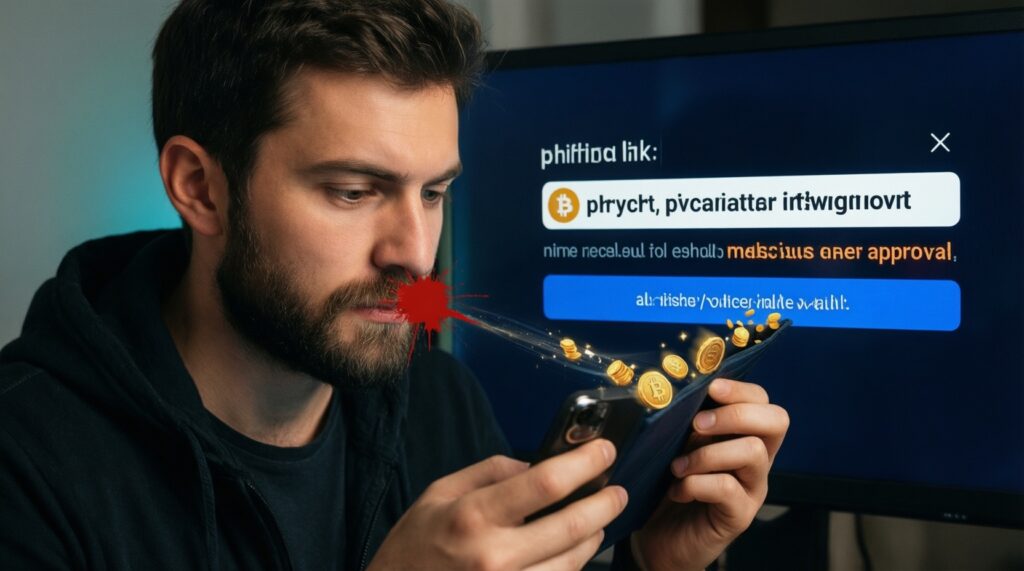
Underestimating social engineering and link spoofing. Players typically lose assets through phishing and malicious approvals, not through exotic contract bugs.
Are "best NFT games with tradable items" lists useful for product decisions?
Only as discovery, not as evidence. Many lists optimize for hype; validate retention, economy sinks, and fraud rates using your own telemetry assumptions.