
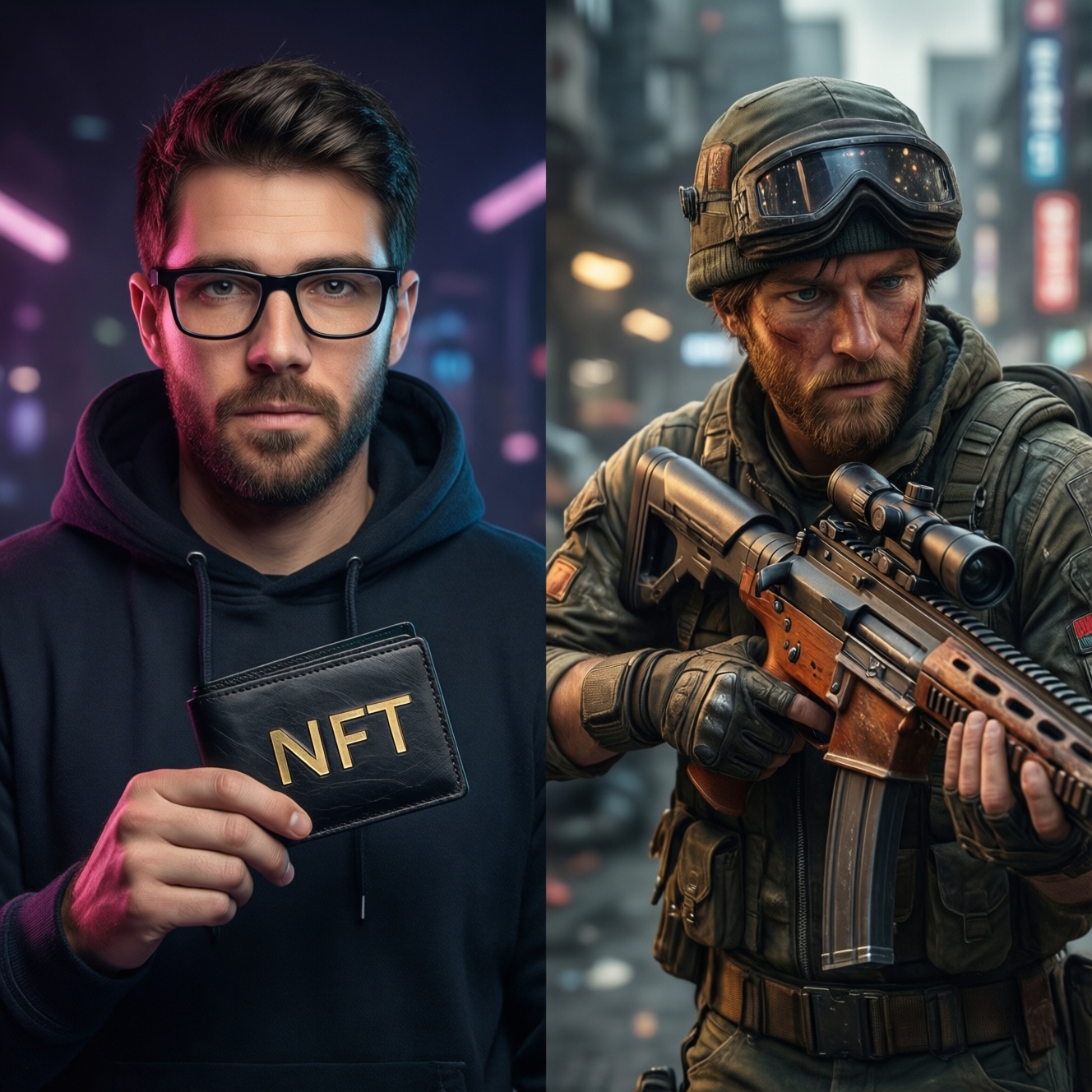
NFT gaming and traditional skins solve different player goals: NFTs aim for wallet-based ownership and cross-platform trading, while platform-controlled skins (like CS2) prioritize stable gameplay integration, established marketplaces, and simpler custody. Choose NFTs if you value self-custody and broader resale routes; choose traditional skins if you want proven liquidity, low friction, and game-native utility.
Quick Comparative Snapshot
- Ownership: NFTs are wallet-held; traditional skins are account-held and governed by the platform's rules.
- Utility in matches: Traditional skins are usually tightly balanced; NFTs often face stricter design limits to avoid pay-to-win perception.
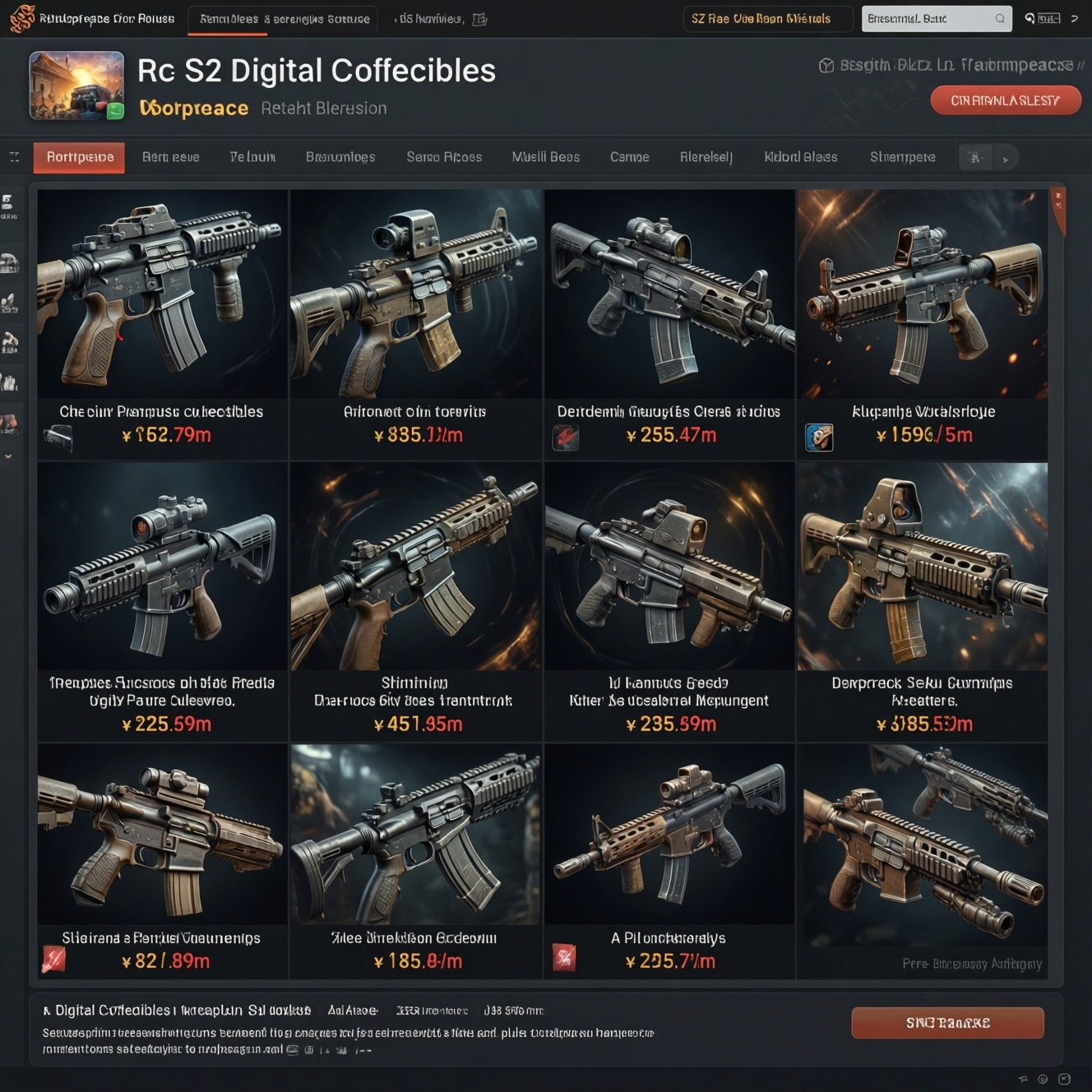
- Liquidity: A mature cs2 skins marketplace tends to be easier to navigate than many emerging nft gaming marketplace options.
- Risk surface: NFTs add wallet/key risks; traditional skins add account-ban and platform-policy risks.
- Portability: NFTs can be traded outside a single game ecosystem; traditional skins are typically locked to one publisher/platform.
- Buying flow: "buy cs2 skins" is often a familiar, streamlined path; "buy nft game assets" may require wallets, gas, bridges, and chain awareness.
Ownership Models: NFTs versus Platform-Controlled Skins
Use these criteria to pick the model that matches your real constraints (not your ideology):
- Custody expectation: Do you want self-custody (wallet) or managed custody (game account)?
- Policy dependence: Can you tolerate rule changes (trading limits, delistings, KYC, region blocks) by a single platform?
- Transfer freedom: Do you need peer-to-peer transfers outside the game client, or is in-platform trading enough?
- Interoperability requirement: Is "usable across multiple games" a real requirement, or just marketing?
- Recovery model: Prefer account recovery (support tickets) or irreversible key responsibility (seed phrase hygiene)?
- Fraud tolerance: Are you equipped to spot fake collections/links and handle on-chain scams?
- Time-to-liquidate: Do you need fast exits, or can you wait for thin markets to clear?
- Compliance constraints: Are you okay with identity checks or on-chain traceability that some markets may impose?
In-Game Utility: Functionality, Balance, and Design Constraints
Utility is where most players feel the difference: skins succeed when they are cosmetic, predictable, and supported long-term; NFTs succeed when they add optional identity and tradability without compromising competitive integrity.
| Option | Who it fits | Pros | Cons | When to choose |
|---|---|---|---|---|
| Pure cosmetic traditional skins (platform-controlled) | Competitive players; esports-focused communities | Clear balance boundaries; game-native previewing; less "financialized" feel | Locked to platform rules; limited portability | If match integrity and frictionless use matter more than sovereignty |
| Tradable traditional skins with marketplace support | Collectors; traders who want depth and consistent demand | Established price discovery; familiar "inventory" UX | Platform can restrict trading; custody tied to account status | If you primarily use a major cs2 skins marketplace and want predictable workflows |
| NFT cosmetics (wallet-held, in-game rendered) | Players who value self-custody and open resale | External trading possible; provable uniqueness on-chain | Wallet/key security burden; game may delist/stop supporting rendering | If you want ownership outside one company and accept operational overhead |
| NFTs with gated access (events, passes, perks) | Community members; guild-driven ecosystems | Perks can be meaningful without affecting balance | Perk value depends on developer follow-through; may feel like paywalls | If the team has a track record of delivering ongoing benefits |
| NFTs with gameplay-affecting stats | Non-competitive modes; PvE-first players | Clear progression and differentiation | High pay-to-win risk; balancing becomes political and hard | If the game is explicitly designed around "earned/paid power" and communicates it upfront |
| Hybrid: account skins + optional NFT mirror | Studios hedging risk; players wanting choice | Supports both audiences; reduces all-or-nothing backlash | Complex tech/support; fragmented liquidity across forms | If you want gradual rollout: start traditional, later enable NFT export for specific items |
Liquidity and Markets: How Players Buy, Sell, and Exit Value
Liquidity is less about "can I sell" and more about how fast, with what friction, and with what counterparty risk.
- If you want the lowest learning curve and stable buyer demand, then stick to traditional skins where "buy cs2 skins" and resell flows are standardized.
- If you expect to trade across multiple venues and don't want a single platform gatekeeper, then NFTs and a reputable nft gaming marketplace can offer broader routing-at the cost of more due diligence.
- If you need to exit quickly during hype cycles, then prioritize assets with deep daily activity (usually legacy skin ecosystems) rather than thin NFT floors.
- If your biggest risk is losing access due to account actions (ban/lock/region limits), then self-custodied NFTs can reduce platform dependency, but increase wallet-security responsibility.
- If you are buying mainly for "use in-game," then prefer items with long-term developer support commitments over items whose value is mostly secondary-market narrative.
Legal, Economic, and Technical Rights: Transferability, Royalties, and Security
Run this quick selection algorithm before spending meaningful money in either ecosystem:
- Confirm what you actually receive: a cosmetic license, a tradable entitlement, or a token that still needs game support to matter.
- Check transfer limits: can you move it to another user freely, or only via approved market paths?
- Verify custody and recovery: account recovery policy vs seed phrase storage and phishing exposure.
- Assess marketplace rules: fees, delisting risk, and whether the asset is tradable on multiple venues (especially in nft gaming).
- Evaluate issuer risk: can the developer disable utility, change metadata, or sunset the item's in-game rendering?
- Decide your security baseline: hardware wallet/allowlists for NFTs, or strong 2FA/anti-scam hygiene for traditional inventories.
- Only then choose where to buy: official channels first; if using a third-party cs2 skins marketplace or NFT venue, confirm URL authenticity and reputation before connecting accounts/wallets.
What Players Actually Care About: Trust, Rarity, and Social Value
Most "bad buys" come from mismatching the asset to the player's real motivation (status, play-feel, or liquidity) rather than the tech.
- Assuming "on-chain" automatically means "usable forever" even if the game can stop supporting it.
- Overpaying for rarity without checking demand: rare items can still be illiquid.
- Ignoring friction: if it's annoying to equip, trade, or verify, you will use it less and sell worse.
- Confusing speculation with identity: items bought only for price appreciation often feel bad to hold through volatility.
- Underestimating security: one phishing click can wipe NFTs; one account compromise can wipe traditional inventories.
- Buying "utility" that is vague (future promises) rather than already-live benefits.
- Not accounting for community perception: some lobbies treat NFT cosmetics as a negative signal; some communities prize them.
- Choosing a marketplace before choosing the asset: where you can sell matters less than whether anyone wants to buy.
Decision Tree for Teams and Players: When to Choose NFT or Traditional Skins
- If your top priority is competitive clarity and low-friction trading, choose traditional skins.
- If your top priority is self-custody and multi-venue resale, choose NFTs.
- If you need perks without pay-to-win risk, choose NFTs as passes (or traditional event tickets) with strictly non-competitive benefits.
- If you want the safest middle path, choose a hybrid model where items work natively and optionally export to NFTs later.
| Decision signal | Pick traditional skins when... | Pick NFTs when... |
|---|---|---|
| Main goal | You want reliable in-game cosmetic value and familiar trading | You want ownership outside a single platform and broader resale options |
| Risk you can tolerate | Platform policy changes and account-level enforcement | Wallet/key management and on-chain scams/impersonation |
| Market preference | You prefer established order flow and "inventory" UX | You prefer multi-market routing via an nft gaming marketplace |
| Operational overhead | You want minimal setup: client + account security | You accept wallet setup, network choices, and careful signing |
| Best-fit purchase behavior | You often buy cs2 skins for personal use and occasional trading | You buy nft game assets primarily for self-custody and optional perks |
Best for most competitive-first players: traditional skins with a proven market structure. Best for players prioritizing self-custody, open transfers, and identity across ecosystems: NFT-based cosmetics and passes. For teams shipping live games, hybrids often reduce backlash while keeping an upgrade path-choose based on your community's tolerance and your ability to maintain long-term item support.
Common Player Concerns Clarified
Can I truly own an NFT if the game shuts down?
You can still hold and transfer the token, but the in-game utility can disappear if the developer stops supporting the asset's rendering or servers.
Are traditional skins "not owned" at all?
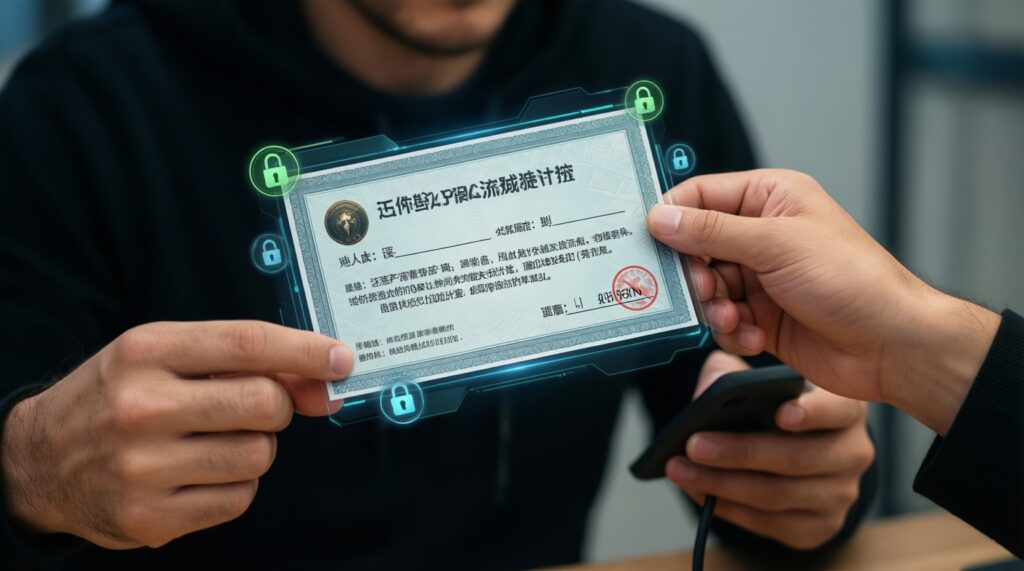
You typically own a license or entitlement governed by platform terms; you can often trade, but the platform can restrict access or transfers.
Is an nft gaming marketplace always better for selling?
Not always; broad access can help, but liquidity depends on active buyers, trusted listings, and low friction-not just the existence of a marketplace.
What's the safer way to buy high-value cosmetics?
Use official or well-known venues, verify URLs, and harden security: 2FA and trade awareness for traditional skins; hardware wallet and cautious signing for NFTs.
Do NFTs inevitably lead to pay-to-win?
No; pay-to-win depends on design. NFT cosmetics and perk passes can avoid gameplay advantage if the developer enforces strict competitive boundaries.
Why does the cs2 skins marketplace feel more liquid than many NFT markets?
Mature skin ecosystems often have consistent demand, standardized item inspection, and familiar trading flows, which reduces hesitation for buyers and sellers.