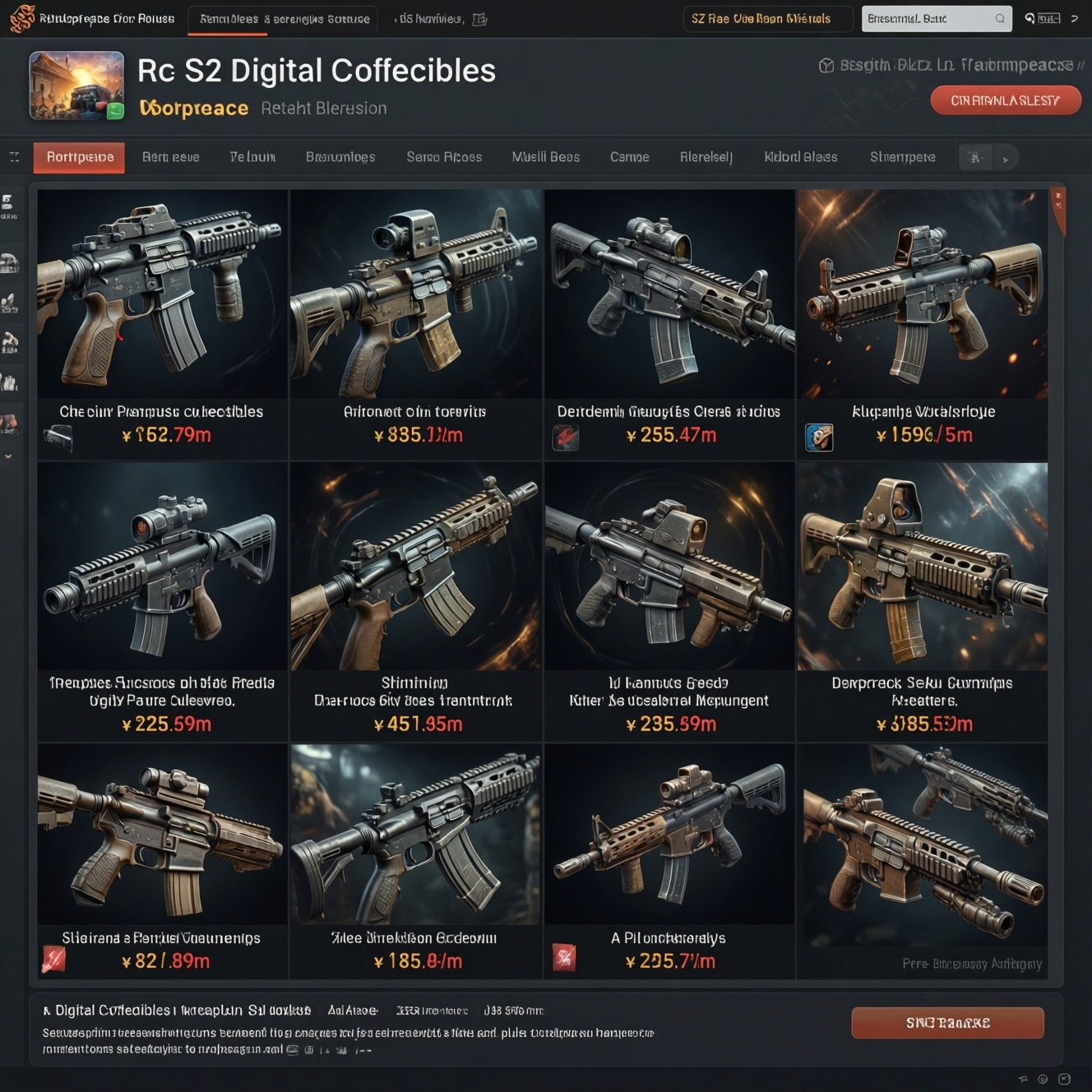


Play-to-earn (P2E) often resembles wagering because value is staked (time, tokens, or NFTs), outcomes are partly probabilistic, and repeated play is incentivized by variable rewards. To choose the best option, evaluate where rewards come from, how risks are disclosed, and whether the system has sustainable sinks-then pick the model whose incentives match your goals and risk tolerance.
Head-to-head mechanics overview
- Grinding loops can act like "soft staking": you pay with time/attention to access random or scarce rewards.
- Token payouts can mirror a wagering pool when rewards depend on other players' inflows or continuous reinvestment.
- NFT gating can resemble a buy-in: higher "ticket price" increases exposure to volatility and liquidity risk.
- RNG-driven drops and loot mechanics often replicate variable-ratio reward schedules used in gambling products.
- "House edge" analogues show up as fees, mint/burn spreads, marketplace royalties, and withdrawal friction.
- Sustainable systems need clear value sinks; otherwise inflation turns earnings into dilution.
Economic foundations: grind economies versus wagering pools
Use these criteria as a decision checklist (cause → indicator → recommended action) when comparing play to earn games and more wager-like P2E loops.
- Reward source (cause): payouts funded by emissions vs real demand.
Indicator: "earn" is mostly new token issuance.
Action: prefer models with external demand (cosmetics, fees for utility, competitive entry) rather than pure emissions. - Stake requirement: do you need to buy NFTs/tokens to start?
Indicator: meaningful earnings require upfront purchase of assets.
Action: treat it like a buy-in; cap spend and compare to wagering budgets. - Liquidity and exit: ability to sell items/tokens without major slippage.
Indicator: thin markets, wide spreads, limited withdrawals.
Action: avoid "earnings" that can't be realized quickly. - Fee stack: trading fees, crafting fees, breeding fees, bridge fees.
Indicator: many small fees on every loop.
Action: model the fee stack as the product's house edge analogue. - Skill vs chance: how much outcome depends on player decisions.
Indicator: rewards primarily from RNG drops/boxes.
Action: if chance dominates, evaluate like wagering (odds disclosure, loss limits). - Emission controls: caps, halving, dynamic rewards, or none.
Indicator: rewards stay high regardless of player count.
Action: expect inflation risk; prefer adaptive emission schedules plus sinks. - Time-to-value: how long until you can withdraw or sell.
Indicator: long lockups, cooldowns, vesting.
Action: discount promised APY-style claims; treat lockups as added risk. - Platform dependence: centralized control vs durable on-chain rules.
Indicator: admin keys can change economy overnight.
Action: prefer clear governance and auditable parameters for blockchain play to earn games.
Player psychology: reward schedules, loss chasing, and engagement hooks
Below are common "from grinding to gambling" variants. Pick the one that fits your intent (fun-first vs yield-first) and your tolerance for volatility and compulsion triggers typical in play to earn crypto loops.
| Variant | Who it fits | Pros | Cons | When to choose |
|---|---|---|---|---|
| Pure grind-to-earn (time → fixed/near-fixed rewards) | Players who want predictable progress and low financial exposure | Clear effort-to-reward mapping; easier budgeting; less loss chasing | Often turns into labor; rewards may degrade as population grows | Choose if you want "salary-like" predictability and can accept low upside |
| RNG drop farming (time → variable rewards) | Collectors and traders comfortable with variance | Excitement spikes; rare drops can be meaningful; social bragging | Strong variable-ratio hooks; can mimic slot-like loops; hard to forecast ROI | Choose if you can set session caps and treat outcomes as entertainment, not income |
| NFT-gated yield (buy-in asset → boosted earning) | Players with capital who understand liquidity and depreciation | Higher earning potential; clearer "tiering"; tradable access rights | Buy-in risk; price drawdowns; can resemble paid entry into a pool | Choose for play to earn nft games only if secondary markets are liquid and rules are stable |
| Entry-fee tournaments (stake → prize pool) | Competitive players seeking skill expression | Skill can dominate; transparent pools are possible; less inflation dependence | Still resembles wagering; prone to chasing losses after bad runs | Choose when matchmaking is fair, anti-cheat is strong, and prize rules are explicit |
| Crafting/breeding loops (spend tokens → probabilistic outcome) | Optimizers who enjoy economies and crafting trees | Strong progression fantasy; meaningful sinks; market-driven strategy | Often hides effective odds; "just one more upgrade" compulsion | Choose if odds/expected value are disclosed and you can pre-commit a budget |
| Staking + gameplay boosters (lock tokens → better drops/earn) | Long-horizon users comfortable with lockups | Aligns retention; can reduce circulating supply; clearer commitment level | Lockup risk; governance risk; can act like a casino loyalty multiplier | Choose if unlock rules are simple and you don't need short-term liquidity |
Practical note for anyone hunting the best play to earn games: if the "fun loop" collapses without payouts, you're evaluating a financial product wearing a game skin-treat it with the same caution you would apply to wagering.
Design anatomy: RNG, odds disclosure, and repeat-play loops
Apply these scenario rules to decide whether a P2E mechanic is closer to grinding or gambling, and what to do next.
- If rewards are driven by loot boxes, gacha, or mystery mints, then demand explicit odds/rarity tables and a clear expected-value explanation; otherwise treat participation as wagering-like entertainment only.
- If the product sells "boosters" that increase drop rates or rewards, then ask whether the uplift is capped and auditable; otherwise assume an escalating spend loop similar to chasing losses.
- If upgrades/breeding have a failure chance, then require disclosure of success probabilities and total cost ranges; otherwise your effective "house edge" is unknown.
- If the game nudges repeat-play with daily streaks plus variable rewards, then set session limits and cooldown rules in advance; otherwise you're exposed to compulsion design regardless of token value.
- If PvP or tournaments use entry fees, then verify matchmaking integrity, anti-cheat, and prize settlement; otherwise you're paying into a pool with asymmetric risk.
Value circulation: token sinks, house edge analogues, and inflation risks
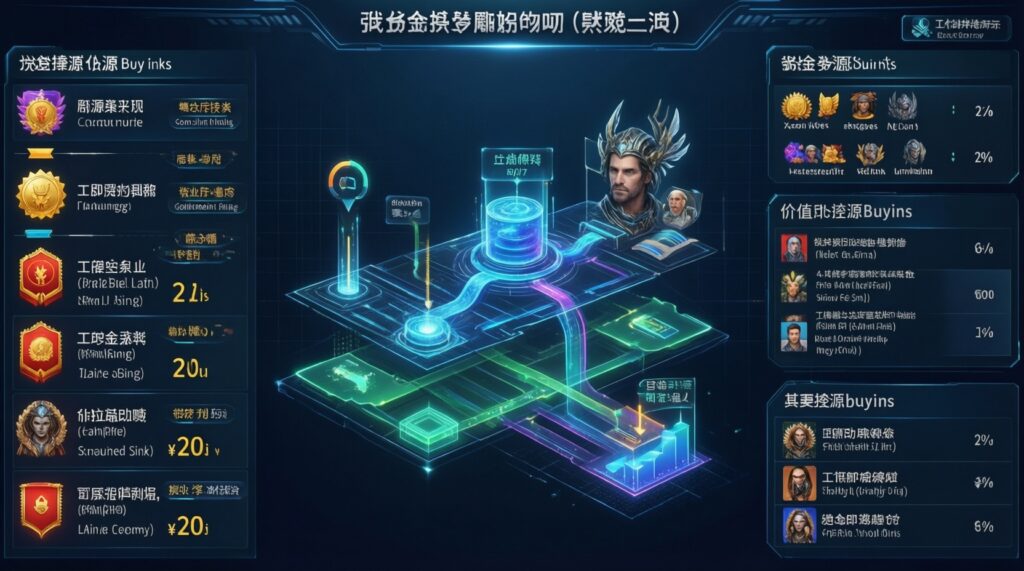
- Map every reward to its funding source: emissions, fees, external revenue, or other players' buy-ins.
- List all sinks: crafting, upgrades, repairs, entry fees, cosmetics, name changes, governance actions-anything that destroys or locks value.
- Quantify "edge analogues" qualitatively: how many fee layers exist (market, crafting, bridging, withdrawing) and where friction can expand.
- Check whether sinks scale with activity: do sinks rise as the player base grows, or do they stay flat while emissions grow?
- Test exit realism: can you convert earnings without relying on a single marketplace, single chain bridge, or time-gated withdrawal?
- Choose the model whose sinks and revenue are understandable without optimism: if you can't explain it simply, assume dilution risk is high.
Governance, regulation, and legal intersections with betting law
- Assuming "on-chain" automatically means fair: admin privileges, parameter changes, and opaque odds can still exist.
- Ignoring KYC/geo restrictions: access changes can freeze your ability to withdraw or trade.
- Confusing "skill-based" marketing with provable skill dominance: if RNG materially affects rewards, regulatory interpretations can shift.
- Underestimating how entry fees + prizes can look like wagering pools, especially when rewards are cash-equivalent tokens.
- Relying on token price appreciation to justify gameplay: that's an investment thesis, not a game design guarantee.
- Not checking dispute handling: if the operator can reverse items, ban accounts, or delay withdrawals, governance risk is material.
- Assuming NFTs guarantee ownership rights: many play to earn nft games still depend on centralized servers for utility.
- Overlooking tax and reporting implications for play to earn crypto payouts and trades in your jurisdiction.
Harm reduction and product controls: limits, transparency, and alternatives
- If your priority is stable, low-stress play: prefer grind-to-earn with fixed rewards, minimal RNG monetization, and simple withdrawal rules.
- If your priority is competitive upside: choose skill-forward tournaments with transparent prize pools, strict anti-cheat, and capped entry frequency.
- If your priority is collecting and trading: pick NFT-based economies only when odds are disclosed and secondary liquidity is credible.
- If you feel tempted to chase losses or "win back" time/money: avoid RNG-heavy loops and crafting failure mechanics; switch to cosmetic-only progression or non-monetized modes.
Decision-wise, the best fit for fun-first players is usually a low-RNG grind loop with minimal fees; the best fit for strategy/competition is a transparent entry-fee tournament model; the best fit for collectors is an NFT economy with disclosed odds and reliable liquidity. If your main goal is income, treat blockchain play to earn games as high-risk and prioritize transparency over promised yields.
Developer and player practical concerns
How do I tell whether a P2E loop is "grind" or "wager" in practice?
If outcomes are mostly predictable from effort, it's grind-like; if payouts swing based on RNG or other players' inflows, it's wager-like. When in doubt, ask what you "stake" and whether you can estimate expected value.
Are play-to-earn games always gambling?
No. Some play to earn games are closer to paid esports or work-like grinding, especially when rewards are fixed and RNG is minimal. They start resembling gambling when entry fees, randomness, and cash-equivalent prizes dominate.
What's the biggest red flag for play to earn crypto rewards?
If rewards depend mainly on token emissions without scalable sinks or external demand, inflation risk is high. Another red flag is when odds/rarity and fee layers are unclear.
How should I compare the best play to earn games without focusing on token price?
Compare transparency (odds, rules, withdrawals), fee stack, and whether the game remains enjoyable without payouts. Token price can amplify outcomes but shouldn't be the core justification.
What should developers disclose to avoid "hidden odds" criticism?
Publish drop rates, upgrade success probabilities, and a clear explanation of how fees and sinks work. Also disclose admin powers and what can change without player approval.
What's a safer alternative to RNG-heavy play to earn nft games?
Use NFTs as cosmetic or access passes with fixed benefits rather than probabilistic upgrades. Keep earning optional and avoid mechanics that encourage repeated paid attempts.
How do I set limits if a blockchain play to earn games loop feels addictive?
Pre-commit a time and spend cap, avoid "one more attempt" mechanics, and disable push triggers where possible. If you can't follow limits, switch to non-monetized modes or a different game.