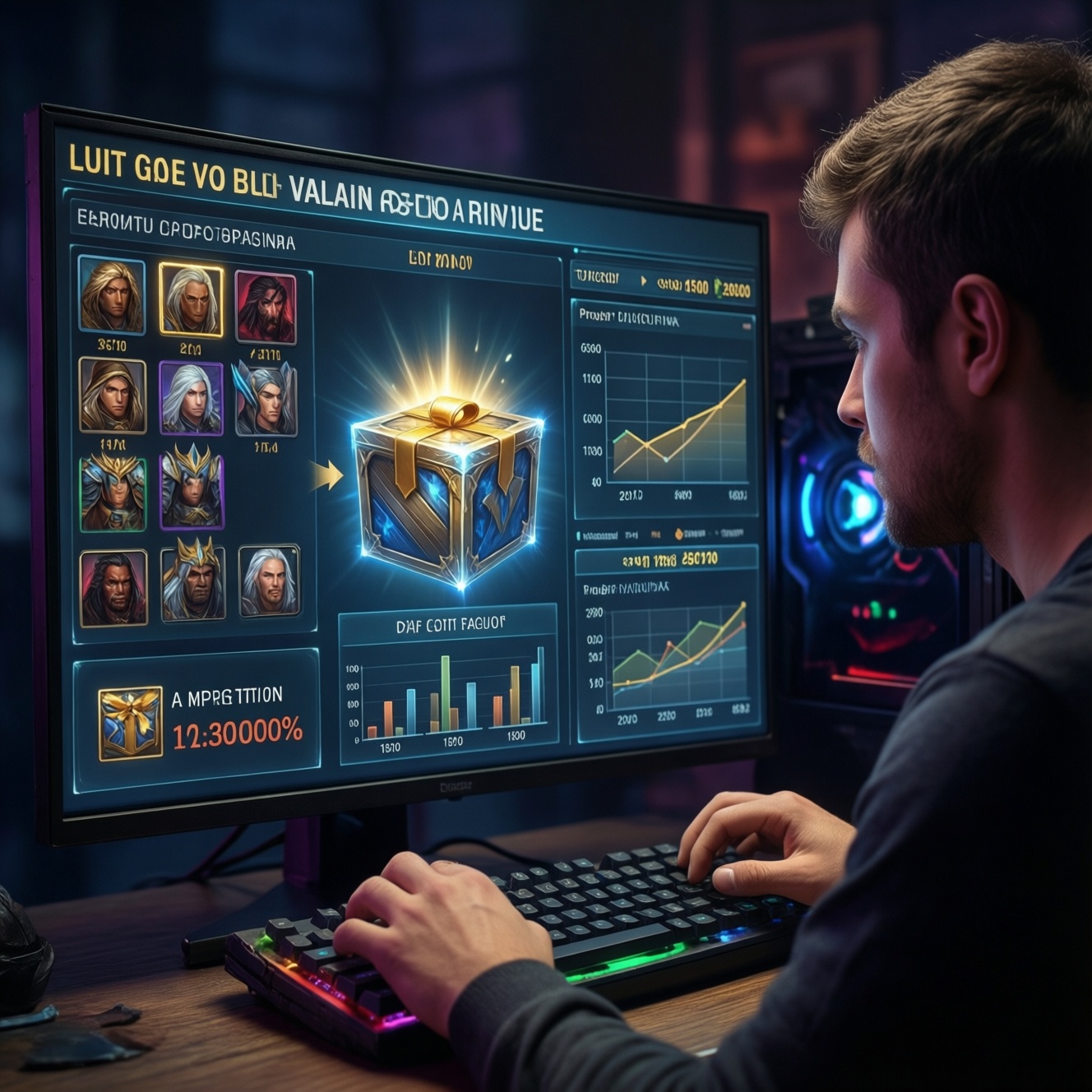


Monetization in games often borrows gambling-adjacent patterns: variable rewards, near-miss feedback, urgency windows, and spend-to-continue loops. This does not mean every purchase is gambling, but it does mean many systems can trigger similar behavioral risks. To prevent common mistakes, map each mechanic to its psychological lever and add transparency, limits, and friction.
Essential claims and evidence
- Many in-game monetization strategies reuse the same engagement levers as gambling UX: uncertainty, anticipation, and repeated staking for a chance at value.
- Loot boxes gambling mechanics are most recognizable, but similar patterns appear in timed shops, gacha-like drops, and streak/boost offers.
- Battle pass monetization can be non-random, yet still exploit sunk-cost pressure via expiring seasons, grind gates, and paid skip tokens.
- Risk increases when systems combine: randomness + urgency + easy re-buy + social comparison + low-friction payments.
- Video game gambling regulation tends to focus on chance-based value, but enforcement and definitions vary, so design defensively.
- Ethical game monetization design is mostly about controllability and clarity: players should understand what they pay for, how outcomes work, and how to stop.
Myth: Game monetization is harmless - what the evidence shows
Myth: "It's just cosmetic" or "It's optional" makes the system harmless. In practice, harm is usually about how the option is framed and repeated: uncertainty, escalation paths, and timed pressure can push players into spending patterns they did not intend.
It helps to separate three categories that often get mixed:
- Deterministic purchases (you pay and receive exactly X) like skins sold directly.
- Chance-based purchases (you pay for a probability distribution) like loot boxes or gacha pulls.
- Wager-like loops (you stake value repeatedly to keep playing or to chase recovery) like re-entry fees, token betting UIs, or "double-or-nothing" minigames.
Borrowing from gambling design is less about the theme (casino visuals) and more about the loop structure: repeated stake → uncertain outcome → motivating feedback → fast repeat. That loop can exist even when rewards are "just digital," especially when rarity, social status, or time pressure makes outcomes feel consequential.
Shared mechanics: randomness, near-misses and variable rewards

Myth: "Randomness is fine as long as rewards are balanced." Balance does not address behavioral shaping. The issue is how randomness is packaged, signaled, and repeated.
- Variable reward schedules: unpredictable wins can maintain engagement longer than predictable payouts, especially with short re-try cycles.
- Near-miss presentation: animations or UI states that imply "almost won" (e.g., a spinner stopping one slot away) can increase chase behavior even when odds are unchanged.
- Opacity of odds: unclear drop rates, pity timers, or category odds prevent informed consent and make it harder for players to self-regulate.
- Micro-stakes with infinite repeats: low per-try prices combined with instant re-roll create a high cumulative spend risk.
- Event-limited pools: short availability windows add urgency to randomness, turning "I can stop" into "I must decide now."
- Layered currencies: chips/gems/tokens distance the player from real money and reduce perceived spending, especially when bundles leave leftover currency.
Progress architecture: battle passes, seasons and sunk-cost effects
Myth: "Battle passes are fair because they are not gambling." A battle pass can still borrow coercive pressure from gambling-adjacent design by converting time already spent into a reason to pay more (or to keep grinding).
Common scenarios where battle pass monetization overlaps with gambling-like pressure patterns:
- Expiring value: rewards disappear at season end, so previous time investment becomes a lever ("don't waste your progress").
- Paid catch-up / tier skips: the system creates a deficit (behind on tiers) and sells relief at the point of highest anxiety.
- Mission design tuned for compulsion: streak missions, daily caps, and "play today or fall behind" tasks drive habitual play beyond enjoyment.
- Bundled uncertainty: passes that include random crates embed chance-based value inside a progress product.
- Social comparison pressure: visible pass level badges and exclusive cosmetics turn completion into status, amplifying spend-to-keep-up behavior.
Fast prevention: treat "time already spent" as a protected asset. If the pass expires, offer post-season claim windows, predictable catch-up, and non-punitive pacing so players are not nudged to pay to avoid regret.
Psychology in play: reinforcement schedules, anticipation and loss aversion
Myth: "Good monetization is just good engagement." Engagement tactics can become problematic when they deliberately reduce player agency (hard to predict cost, hard to stop, hard to compare options).
Where these mechanics can help (when kept controllable)
- Funding ongoing content: steady revenue can support live ops without pay-to-win tuning.
- Optional personalization: clear, direct cosmetic sales let players buy what they like without hidden probability.
- Clear goals: a pass can provide structure and motivation if progression is achievable without unhealthy play patterns.
Where they break down (and the quick guardrails)
- Reinforcement scheduling without transparency → publish odds, explain pity rules, show expected ranges in plain language.
- Anticipation engineering that blocks stopping (e.g., "one more roll" prompts) → add cool-downs, session nudges, and remove aggressive re-buy CTAs after losses.
- Loss aversion triggers (expiring currency, vanishing rewards) → avoid expiry or provide grace periods and automatic redemption.
- Escalation paths (small spend becomes normalized, then ramps) → set account-level spend caps, self-exclusion, and friction for high-frequency purchases.
Law and ethics: how regulation has treated loot boxes and wagering features
Myth: "If we don't allow cash-out, we are safe." Legal risk is not the only risk; platform policy, public trust, and local enforcement matter. Also, "no cash-out" does not automatically remove gambling-like dynamics.
- Assuming one global rule: video game gambling regulation differs by jurisdiction and can change; design with conservative defaults (disclosure, age gates, limits).
- Confusing disclosure with consent: showing odds is necessary but not sufficient if the system still pushes high-frequency repeats and urgency stacking.
- Hiding real-money value behind currencies: this can be viewed as deceptive; always show the approximate local currency equivalent at point of purchase.
- Letting minors access chance-based spending: relying only on "parental controls exist" is weak; add product-level protections (age-gated purchase flows, restricted features).
- Marketing that implies guaranteed outcomes: avoid copy/animations that suggest skillful timing affects random results if it does not.
- Shipping first, policy later: retrofitting limits is costly; implement guardrails at launch as part of your compliance and trust posture.
Practical design alternatives: transparency, limits and healthier monetization
Myth: "Ethics kills revenue." In practice, clearer value and stronger player control can reduce chargebacks, support tickets, and reputational damage while preserving monetization.
A lightweight checklist for ethical game monetization design
- Make value explicit: direct purchase options alongside any random pulls; no exclusive power behind chance.
- Make cost legible: show real-currency equivalents, lifetime spend view, and purchase history in-app.
- Make stopping easy: cooldown toggles, optional spend caps, self-exclusion, and fewer loss-trigger prompts.
- De-stack urgency: avoid combining limited-time events with random pools and "last chance" push messaging.
- Protect progress: grace periods for passes, post-season claiming, and no "wasted progress" framing.
Mini-implementation example: guarding a random-reward purchase loop
This pattern keeps randomness but prevents rapid, opaque chasing by adding price clarity, rate-limiting, and an escalating friction step.
// Pseudocode (server-authoritative)
function canPurchaseLoot(user, sku, now):
  if user.age < 18 and sku.isChanceBased:
    return deny("Age-restricted")

  if not sku.oddsPublished:
    return deny("Odds must be disclosed")

  if user.selfExcludedUntil and now < user.selfExcludedUntil:
    return deny("Self-excluded")

  // Rate limit: reduce rapid re-buys
  if now - user.lastChancePurchaseAt < 60 seconds:
    return requireExtraConfirm("Cooldown active")

  // Soft cap: optional user-set limit
  if user.monthlySpendCap and user.monthlySpend + sku.price > user.monthlySpendCap:
    return deny("Over user cap")

  // Friction after loss streaks (behavioral risk proxy)
  if user.chancePurchasesLastHour >= 10:
    return requireBreak("Take-a-break prompt and 15-min lock")

  return allow()
Practical clarifications developers often need
Is battle pass monetization considered gambling?
Usually no, because rewards are typically deterministic. The risk comes from sunk-cost pressure, expiry, and paid relief features that can push unhealthy spending or play.
What makes loot boxes gambling mechanics specifically risky?
They combine payment with uncertain outcomes and fast repeats. Risk spikes when odds are unclear, near-miss feedback is emphasized, and re-buy is frictionless.
Do published odds fully solve the ethics problem?
No. Odds disclosure helps informed choice, but urgency stacking, layered currencies, and aggressive re-roll prompts can still undermine self-control.
How do I audit in-game monetization strategies for gambling-adjacent patterns?
Map each purchase to: stake size, repeat speed, outcome uncertainty, and stop-friction. If a loop is fast, uncertain, and hard to stop, treat it as high risk and add guardrails.
When does a betting-like UI become a compliance concern?
When players stake value repeatedly for uncertain outcomes, especially if there is any perceived or actual value transfer. Treat any wager-like loop as a jurisdiction-sensitive feature under video game gambling regulation.
What is the fastest way to move toward ethical game monetization design without redesigning everything?
Add real-currency equivalence, purchase history, and optional caps first. Then remove urgency stacking and introduce cooldowns on rapid chance-based repeats.