

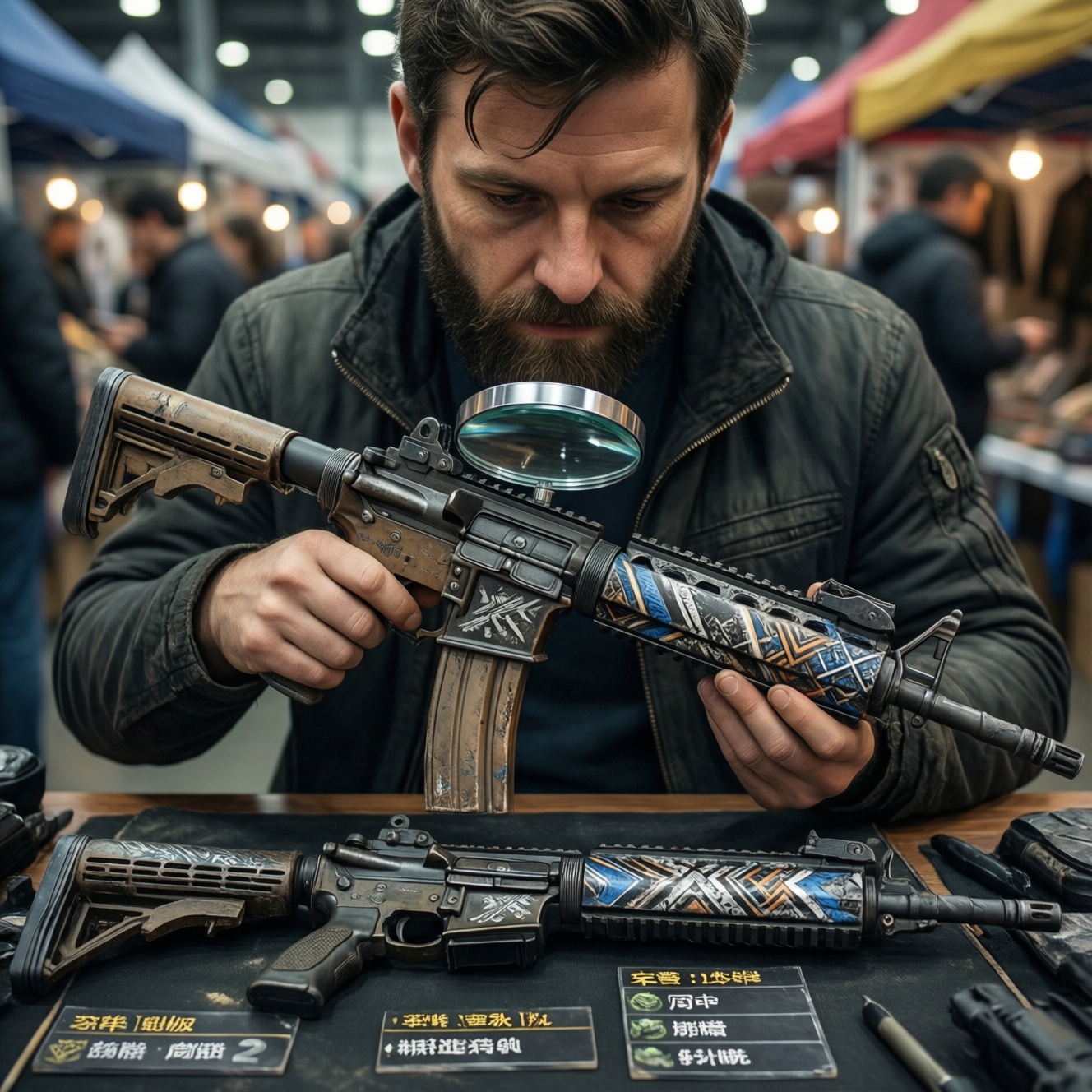
To navigate the CS2 skin market without overpaying, focus on what consistently drives value: rarity tier, wear (float), pattern variants, and special attributes (StatTrak, Souvenir, stickers). Treat every purchase as a verification workflow, not a hunch. This guide shows how to compare CS2 skins prices, evaluate variants, and execute safer CS2 skin trading.
At-a-Glance Market Metrics and Quick Wins
- Prioritize liquidity first: if you can't resell within 7 days at a reasonable discount, it's not a great "hold".
- Anchor on one target use-case (play skin vs. trade skin) before you buy CS2 skins.
- Use float as a filter, not a prophecy: narrowing from "any" to one wear bracket reduces bad comparisons.
- Only pay pattern premiums when you can prove the exact pattern index and find repeatable comps.
- Assume sticker value is near-zero unless it's verified desirable and positioned well on the skin.
- For "best CS2 skins to buy", choose items with many daily listings rather than "rare" items with no buyers.
Understanding Rarity Tiers and Their Price Impact
- Decide if rarity helps your goal. Rarity tiers matter most for long-term holding and brand-name collections; they matter less if you want fast flips.
- Start with skins that have depth. Prefer items with 50+ comparable listings across markets so you can judge a fair range instead of one outlier.
- Separate "rare tier" from "rare variant". Many high asks come from pattern/float/sticker factors, not the tier itself.
- Avoid thin markets when learning. If you can't find at least 10 recent comparable sales/listings (same weapon + finish + wear), skip.
- Know when not to do it. Don't pay rarity premiums if you need cash soon, if you can't verify details, or if you're tempted by "collector only" pricing with no comps.
Analyzing Wear: Float Values, Ranges, and When Looks Matter
- Use tools that show float and inspect links. You need the in-game inspect link and a float viewer (any reputable float-checking method) to confirm the exact float, not just the wear label.
- Set your wear target before browsing. Example: decide "Field-Tested only" or "Minimal Wear only" so you compare like-for-like when evaluating CS2 skins prices.
- Understand that looks vary within the same label. Two "Field-Tested" items can look very different; float is the tie-breaker when photos are misleading.
- Use float thresholds as a sanity filter. As a quick rule, don't pay a premium for "clean" if the float is not meaningfully better than nearby listings (e.g., 0.15 vs 0.16 often isn't worth a markup).
- Confirm the float range of the specific finish. Some finishes have tighter practical ranges; always verify the exact skin, not assumptions from another finish.
- Prioritize "visibility zones". Judge wear where it shows during play (main body, top, receiver area), not hidden parts that don't affect perceived value.
Patterns and Pattern Index: Identifying High-Value Variants

- Prepare your pattern workflow. Save the inspect link, note the wear label and float, and decide your maximum premium (example: no more than 10% above comparable non-premium patterns unless you have strong comps).
- Build a comp set first. Collect at least 5 comparable listings (same weapon + finish + wear) before judging whether a pattern premium is real.
- Verify you're evaluating the exact same finish. Pattern logic does not transfer reliably between different finishes, even on the same weapon.
- Only pay for patterns you can re-sell. If you can't find repeated market interest, treat the pattern premium as "personal taste".
-
Extract the pattern index from the inspect link.
Copy the inspect link and use a trusted method to read the pattern index/seed tied to that specific item. Don't rely on screenshots alone, because lighting and angles can hide pattern details.- Double-check the item ID matches the listing you are buying.
- Re-open the inspect link after any trade/listing refresh to ensure it's unchanged.
-
Confirm the pattern is actually the premium variant.
Compare to known community naming conventions (e.g., "clean", "centered", "high contrast") only if you can match visual traits and the index. If you can't verify a recognized premium category, price it like a normal pattern. -
Cross-compare against multiple comps, not one seller.
Find several listings/sales for the same wear and similar float, then see whether the premium pattern consistently sells higher. A single high listing is not proof of value.- Ignore "collector price" listings with no evidence of turnover.
- Prefer comps from the same marketplace type (same fees/settlement model).
-
Validate the premium after fees and spread.
Estimate your exit price after marketplace fees and typical undercutting. If the premium disappears after fees (example: a 3% premium), treat it as noise. -
Document your verification before you buy.
Save the inspect link, pattern index, float, and at least 3 comparable listings. This makes future selling easier and reduces disputes during CS2 skin trading.
StatTrak, Souvenir, Stickers and How Attributes Shift Value
- Confirm the attribute is real on the item. Verify in the inspect view that it is StatTrak or Souvenir, not just a title in the listing.
- Compare only within the same attribute class. StatTrak vs. non-StatTrak can have separate demand; don't mix comps.
- Check sticker placement, not only sticker names. Placement affects demand; a desired sticker in a poor spot often adds little.
- Assume sticker markup is capped unless proven. As a safety rule, if you can't find at least 3 similar stickered comps that actually sell, value stickers conservatively.
- Verify sticker condition and whether it is scraped. Scraped stickers can reduce or erase the premium; confirm visually in inspect.
- Watch for attribute stacking traps. Sellers may stack "StatTrak + rare sticker + story" pricing; validate each component with comps before paying.
- Re-check everything right before purchase. One last inspect confirmation prevents bait-and-switch errors on fast-moving listings.
Market Liquidity, Listing Strategies and Timing Trades
- Mistake: buying the lowest listing without verifying details. The "cheapest" often has worse float, a different pattern, scraped stickers, or hidden flaws.
- Mistake: pricing from the highest ask. High asks don't equal market value; use realistic comps and expected undercutting.
- Mistake: ignoring fees and settlement time. Build a buffer so you're not forced to sell at a loss to access funds.
- Mistake: flipping illiquid skins. If an item can't attract buyers without a steep cut within 72 hours, it's a poor short-term trade candidate.
- Mistake: overpaying for micro-differences. Don't pay meaningful premiums for tiny float or marginal "cleanliness" unless the market repeatedly rewards it.
- Mistake: changing strategy mid-trade. Decide if you're holding, playing, or flipping; each has different "best" targets in the cs2 skin market.
- Mistake: panic timing. Avoid rushing buys during hype spikes; set a target entry and walk away if you can't hit it.
- Mistake: assuming "best CS2 skins to buy" are universal. What holds value depends on liquidity, your cash-out method, and what Thai buyers actually move quickly on local time zones and payment rails.
Verification, Scams and Practical Safe-trading Checks
- Use a marketplace with escrow and clear dispute rules when you're new or trading higher-value items; it reduces direct-contact scam surface.
- Use Steam Market for simplicity when you prioritize safety and convenience over the absolute best price; it's often the cleanest route to buy CS2 skins without off-platform risks.
- Use direct peer-to-peer trades only with strict controls (known counterparties, verified profiles, no rushed timing) when you understand trade confirmations and can verify every item detail.
- Use a "small test trade" first when dealing with an unfamiliar trader: start with a low-value item (example: under 1 mid-tier skin you can afford to lose) to verify behavior before scaling.
Practical Answers to Common Trading Dilemmas
How do I estimate fair value if cs2 skins prices vary across sites?
Compare the same weapon, finish, wear, and key attributes, then adjust for fees and payout method. If you can't find multiple close comps, treat the price as uncertain and avoid paying premiums.
Is it smarter to buy cs2 skins as play skins or trade skins?
Play skins should optimize enjoyment and acceptable resale, while trade skins should prioritize liquidity and easy comparables. If you're unsure, pick liquid items so you can exit quickly.
What matters more: float or pattern?
Pattern can create large premiums for specific finishes, but only when verifiable and consistently demanded. Float is more broadly priced and easier to resell because it's simpler to compare.
Are StatTrak skins always worth more?
No. Some items have weaker StatTrak demand, so the premium can be small or even negative compared to non-StatTrak comps. Always compare within the same attribute class.
What is the biggest beginner mistake in cs2 skin trading?
Paying for an unverified story: rare pattern, rare sticker, "collector item", without proving the exact pattern/float and confirming repeatable comps. Verification beats narrative.
How can I tell if a listing is a trap?
If the price looks unusually good, inspect for mismatched wear/float, scraped stickers, or a different item than the title suggests. Also be cautious if the seller pressures you to move off-platform or hurry.
What are the best cs2 skins to buy if I want to resell quickly?
Choose skins with many comparable listings, predictable pricing, and broad demand rather than niche variants. Liquidity and easy verification usually outperform "rare but hard to sell" picks.