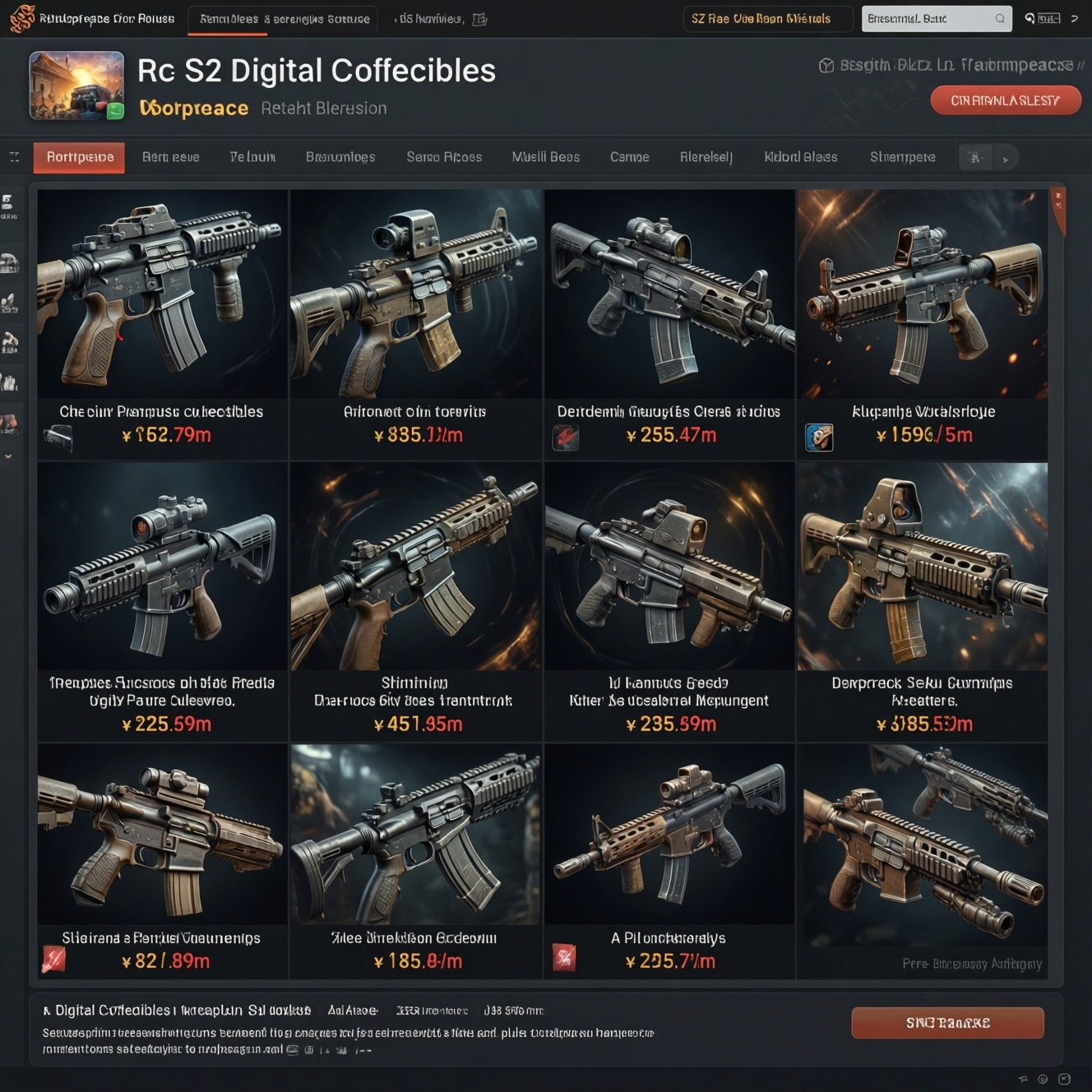

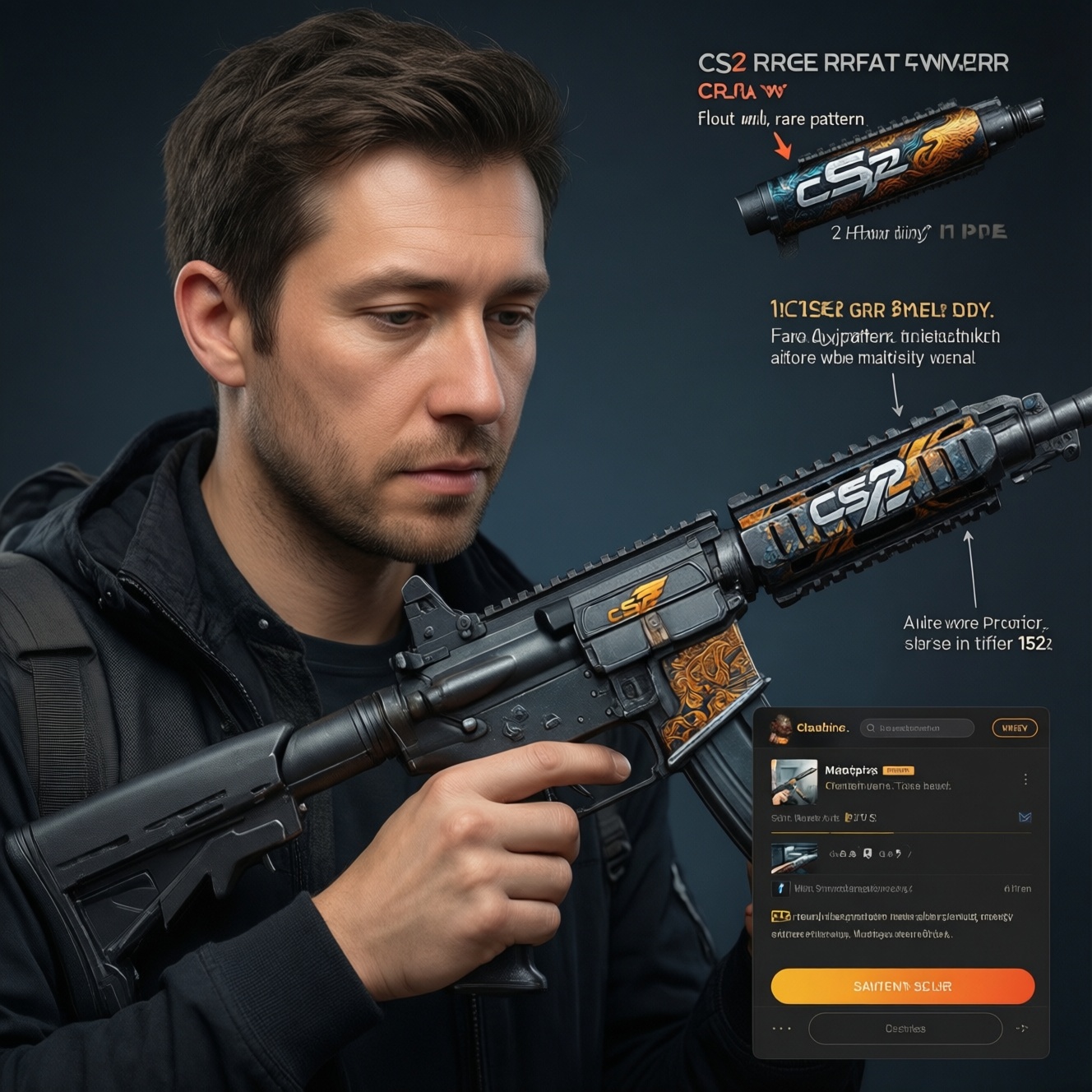
Betting value for CS2 skins is mainly driven by three signals: the CS2 skin float value (wear precision), the CS2 skin pattern value (special pattern outcomes like "blue gems"), and the CS2 skin rarity value (supply tier). To price a skin safely, verify float/pattern in-game or via a trusted checker, then compare recent market listings and liquidity before placing any bet.
Quick Betting Checklist: Float, Pattern, Rarity
- Confirm float from a reliable source; don't rely on screenshots or seller claims.
- Identify pattern index only when the skin/finish is known to have pattern premiums.
- Anchor expectations to rarity tier and real liquidity (how fast it sells), not just "looks."
- Cross-check price with a CS2 skin price checker and at least one marketplace listing view.
- Set a hard maximum risk per bet and avoid "chasing" after losses.
How Float Value Determines Market Price
- Best for: skins where tiny wear differences matter (high-demand finishes, popular weapons, collector-traded items) and when you can verify float reliably.
- Use float to break ties: if two listings look similar, the lower float often wins for resale speed and buyer preference.
- Prioritize liquidity: a "great float" on an illiquid skin can still be hard to exit without discounting.
- When not to over-focus on float: if the item's market mostly trades by "any wear" pricing, or if pattern/rarity dominates the premium more than float.
Decoding Pattern Index and Its Betting Impact

- Access to inspect details: you need the in-game inspect link or a tool that can read pattern index from the item's inspect data.
- Reference knowledge: a pattern guide/list for the specific finish (some finishes have meaningful pattern tiers; others don't).
- Comparable sales context: look for listings/sales of the same finish + similar wear where the pattern premium is explicitly recognized.
- Risk control: only pay a pattern premium when you can explain who will buy it next and how you'll prove the pattern to them.
Rarity Tiers: How Rarity Shapes Expected Return
- Verify the skin's category and supply reality: rarity influences baseline scarcity, but active trading volume still decides exit speed.
- Decide whether you're betting on pricing inefficiency (mispriced float/pattern) or market movement (overall demand shifts).
- Use rarity to set your "expected range," then use float/pattern to decide whether the specific item is worth a premium.
- Keep stakes proportional: higher rarity often means fewer buyers and wider spreads.
Preparation mini-checklist (before you place any bet)
- Open the inspect view and record: weapon/finish, wear category, exact float, pattern index (if relevant).
- Check at least two pricing references (market listings + a checker/aggregator view).
- Note liquidity cues: number of listings, how frequently similar items appear, and how quickly they disappear.
- Define your exit plan: target resale channel and the discount you're willing to accept for fast selling.
- Set a fixed maximum loss for the session; stop if you hit it.
-
Classify the item by rarity and market depth
Start with the tier (your baseline scarcity) and then confirm trading activity. High rarity with low turnover can trap value unless you price aggressively for a quick exit.
- Look for many recent listings/active offers as a sign of smoother exits.
- Avoid "one-off" listings as your only comparison.
-
Validate float precisely and map it to wear expectations
Use the exact float rather than only the wear label (FN/MW/FT/etc.). If the market pays for "low-end" or "near-threshold" floats, treat it as a separate sub-market with its own comparables.
- Prefer verifiable float sources; ignore unverifiable claims in chats/trade offers.
- Compare against listings with similar float, not just the same wear bracket.
-
Check whether pattern is a priced feature for this finish
Pattern premiums are not universal. Only assign a premium if the finish is known for pattern outcomes and you can demonstrate the pattern index/visual to the next buyer.
- Confirm pattern index from inspect data.
- Find at least a couple of comparable items where pattern is mentioned or clearly priced in.
-
Build a conservative fair-value range
Create a low/high range based on comparables: baseline by rarity and general wear, then adjust for float precision and confirmed pattern premium. If your "edge" depends on a single optimistic comp, skip the bet.
- Low end: quickest-exit price (what you'd accept to sell fast).
- High end: patient-sale price (only if liquidity supports waiting).
-
Place the bet only when the implied price is below your low/mid range
On CS2 skins betting sites or any wagering format, treat the skin as an asset with fees and friction. If the bet implies you're paying above your realistic resale range, you're betting against math.
- Cap stake size so one loss doesn't force "revenge" betting.
- Prefer bets where the upside doesn't rely on finding a single niche buyer.
Wear and Looks: Visual Factors That Move Bets
- Inspect in consistent lighting/angle; don't judge from one screenshot.
- Check for obvious scratch clusters on high-visibility areas (top, barrel, receiver, blade center).
- Confirm sticker presence and placement; treat sticker value as separate and often heavily discounted in resale.
- Verify that the look matches the claimed float (some finishes "look" worse/better at similar floats).
- Compare against multiple in-market visuals of similar float to avoid overpaying for "it looks clean" bias.
- Ensure pattern-relevant finishes show the expected pattern traits (and that they're visible in standard inspect views).
- Re-check item details right before committing (same item, same inspect link, same float/pattern).
Quantifying Combined Effects: Valuation Model and Table
Use a simple weighting model to avoid double-counting premiums: start from a baseline (rarity + typical wear pricing), then add one adjustment for float precision and one adjustment for pattern (only if the market consistently prices it). Most losses come from stacking optimistic assumptions.
| Factor | What it measures | When it matters most | Common betting mistake | Safer action |
|---|---|---|---|---|
| Float (exact wear) | Micro-wear inside a wear bracket | Collector skins; tight float sub-markets; near-threshold floats | Paying a premium without comparable listings at similar float | Price using comps within the same float neighborhood and confirm liquidity |
| Pattern index | Design outcome for pattern-sensitive finishes | Only specific finishes where certain patterns are known to command premiums | Assuming every "cool-looking" pattern is rare or valuable | Assign pattern premium only with proven market comps and easy proof to the next buyer |
| Rarity tier | Baseline scarcity category | Setting expectations for spreads, liquidity, and typical buyer pool | Equating rarity with easy profit despite low turnover | Use rarity as baseline, then validate real trading activity before betting |
Frequent valuation errors to avoid

- Double-counting: adding a big float premium and a big pattern premium on top of an already "premium" comparable.
- Using one "wishful" listing as the anchor instead of multiple realistic exit prices.
- Ignoring liquidity: pricing like a collector while needing a fast sale.
- Confusing visual cleanliness with market-recognized value.
- Assuming sticker cost equals sticker resale value.
- Forgetting friction: fees, spreads, and time-to-sell reduce real expected return.
- Not re-checking inspect details after trade/transfer (mistaking a similar item for the target).
Actionable Betting Tactics for CS2 Skin Markets

- Value-bet only on verifiable mispricing: target items where float/pattern is clearly underpriced relative to several comps, not where value is "arguable."
- Focus on liquid mid-tier skins: when your goal is consistent turnover, choose items with frequent listing refresh and tight spreads rather than rare, slow-moving collector pieces.
- Use "range-first" staking: stake smaller when your fair-value range is wide (uncertainty) and only scale when your range tightens (clear comps).
- Skip pattern plays if you can't prove it fast: if you can't show pattern evidence in a standard inspect view or buyers don't routinely pay for it, treat it as zero premium.
Common Betting Concerns: Short Clarifications
Is lower float always better for price?
Usually, but only if buyers in that market segment pay for it. On illiquid skins, a "perfect" float can still require a discount to sell quickly.
Do all skins have meaningful pattern premiums?
No. Pattern index matters mainly for specific finishes with widely recognized pattern outcomes; otherwise, pattern differences often don't translate into consistent pricing.
How do I verify float and pattern safely?
Use the item's inspect data and verify it in a trusted viewing tool or in-game inspect. Avoid relying on cropped screenshots, chat claims, or manually typed numbers.
What's the biggest mistake intermediates make when betting skins?
Overpaying for a story (rare pattern, "super clean," expensive stickers) without comparable sales and a realistic exit plan. The next buyer sets the price, not the claim.
Should I use a CS2 skin price checker as the final truth?
No-use it as a fast reference, then confirm against live listings and liquidity. Checker estimates can lag or miss niche premiums/discounts.
How can I reduce risk on CS2 skins betting sites?
Cap session loss, avoid chasing, and only bet when you can justify a conservative resale range from real comps. If you can't explain the exit, skip the bet.