

In CS2 markets, "cosmetic" details change betting outcomes because they change what the item can realistically sell for after the bet. A better cs2 float value, a desirable pattern index, or high-demand sticker setup can shift liquidity and resale price enough to flip expected value. Treat cosmetics as pricing inputs, not decoration.
Core mechanics: why float, pattern and stickers move betting value
- Float affects condition tier and visual wear, which changes buyer demand and how quickly an item moves.
- Pattern can create "special" looks within the same skin name, producing unequal prices for "same" item listings.
- Stickers add (or destroy) value depending on sticker type, placement, and how wear/finish interacts with them.
- Edge comes from verification: many listings compress details; the bettor who checks cosmetics prices the item more accurately.
- Mispricing is directional: cosmetic upside is often ignored, but cosmetic downside (bad float/pattern/stickers) is easy to miss under time pressure.
How CS2 float values are calculated and read for betting
This section is for intermediate users doing cs2 skin betting who already understand basic wear tiers and want cleaner "yes/no" decisions. Skip float-driven plays when you can't inspect the item reliably (no inspect link, no trusted float readout) or when the market you use doesn't preserve item identity after settlement.
- Confirm item identity is preserved: Yes/No. If the platform swaps to "equivalent value" instead of the exact asset, float edge usually disappears.
- Read float from a trusted source: Yes/No. Use the in-game inspect link or a reputable float checker; don't rely on rounded or hidden values.
- Check for "tier boundary" sensitivity: Yes/No. If the float sits near a wear boundary, small differences can change perceived condition and resale demand.
- Compare against same-skin comps: Yes/No. Look at listings of the same skin and wear tier; if the offered item is worse than typical floats in that tier, price it down.
- Go/No-Go: Go only if the float read is verifiable and the implied price you're paying is consistent with comparable floats; otherwise No-Go.
Decoding pattern indexes: rarity signals that affect odds
A practical cs2 pattern guide starts with tools and access. You're not trying to "discover" a new rare pattern during a countdown; you're trying to verify whether a listing is ordinary or needs special pricing.
- Needs: a working inspect link, a way to view the pattern ID/index (in-game or via a reputable inspector), and a reference source (market listings and known community pattern notes).
- Access check: ensure you can rotate/zoom the model enough to confirm the visual pattern matches the numeric index.
- Comparison baseline: open at least a few same-skin listings and note how often the "special look" appears; if it's uncommon, treat it as a separate market.
- Binary decision point: Is the pattern commonly recognized as premium for this skin (Yes/No)? If "No or unsure," price it as standard and avoid paying a premium.
- Go/No-Go: Go only when you can verify both the index and the visual characteristic that buyers actually pay for; otherwise No-Go.
Sticker variables: placement, wear interaction and perceived value
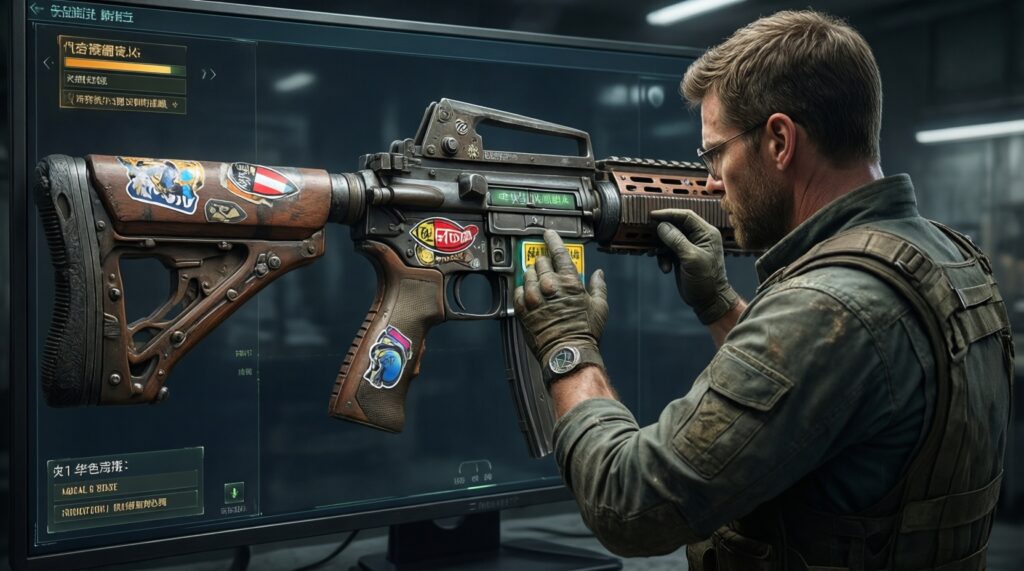
- Open the item in a viewer where sticker positions are clear (not a tiny thumbnail).
- Decide your rule for "unknown stickers" (e.g., treat as zero premium unless proven otherwise).
- Prepare quick comps: same skin with similar sticker count/placement.
- Set a time limit; if you can't verify fast, default to conservative pricing.
-
Identify sticker set and authenticity
Confirm the exact sticker names and whether they are applied (not just in a screenshot). If you can't read them confidently, assume no premium.
- Yes/No: Can you verify sticker names from an inspect view or trusted item page?
-
Evaluate placement (not just sticker count)
Placement can matter more than quantity. A single "best spot" placement may be more liquid than four random placements.
- Yes/No: Are the stickers on commonly preferred positions for that weapon model?
-
Check wear/finish interaction
Some finishes make stickers pop; others muddy them. Also check how the weapon's wear level makes the sticker area look in-game.
- Yes/No: Do the stickers remain visually clear at the shown wear level?
-
Decide whether to price sticker premium or treat as "bonus"
For betting decisions, it's safer to price cs2 sticker value only when you can validate demand through comparable listings.
- If comps show similar sticker setups selling faster/higher: consider a premium.
- If comps are inconsistent or rare: treat the stickers as a bonus, not core value.
-
Go/No-Go line for sticker-driven edges
Go only if you can verify sticker identity and placement and find believable market comps; otherwise No-Go and price as clean.
Quantifying impact: integrating cosmetic inputs into EV models
- Float verified: inspect link works and float is readable; otherwise treat float as unknown and reduce your price ceiling.
- Pattern verified: numeric pattern ID/index plus visual confirmation; if only one is available, assume standard.
- Sticker identity verified: names and count confirmed; if not, value stickers at zero premium.
- Sticker placement judged: preferred spots (Yes) vs random (No); only "Yes" may justify a premium.
- Comparable listings checked: you found same skin + similar float/pattern/stickers; if comps are missing, don't invent a premium.
- Liquidity sanity check: can you realistically resell in your usual channel in Thailand time zones without big discounting?
- Conservative haircut applied: if the premium depends on a niche buyer, price below the best comp, not at the top.
- Final decision: if your conservative resale estimate is still above your "all-in cost" for the bet (Yes) then Go; if not (No) then No-Go.
Pre-bet workflow: checkpoints and data sources to verify cosmetics
| float | pattern ID | sticker details | source | action |
|---|---|---|---|---|
| Readable and consistent | Readable and matches visuals | Names + placement verified | In-game inspect / trusted inspector + market comps | Proceed to EV estimate |
| Hidden/rounded/uncertain | Unknown or unverified | Only screenshot / unclear names | Listing thumbnail only | Assume standard value or skip |
| Near wear boundary | Verified | Verified | Inspect + multiple comps | Price conservatively; proceed only if margin remains |
- Mistake: trusting the skin name alone. Two listings with the same name can differ materially due to float/pattern/stickers.
- Mistake: paying sticker premium without comps. If you can't find similar stickered items actually selling, treat it as zero premium.
- Mistake: confusing "rare-looking" with "market-recognized". If buyers don't search for that pattern, it won't convert to resale value.
- Mistake: ignoring platform settlement rules. If the bet returns "equivalent" items, cosmetic edge may be wiped out.
- Mistake: skipping the inspect step under time pressure. If you can't verify in time, default to No-Go.
- Mistake: using the highest listing as your price anchor. Anchor to realistic, repeatable sale levels, not optimistic asks.
- Mistake: forgetting fees and friction. Any resale channel has spread/fees; bake them in before deciding.
- Binary control rule: If any of float/pattern/stickers is "unknown," your decision should be "price as standard" or "skip," not "assume premium."
Real-world examples: bets flipped by subtle cosmetic differences
These alternatives help when you can't confidently verify cosmetics or when the market is too thin for premiums.
- Choose high-liquidity, low-variance skins as the best cs2 skins for betting when you need predictable resale; avoid niche pattern/sticker plays.
- Play "clean item only" rules: restrict your bets to items where you can confirm no sticker premium is being implied, and price purely on verified wear/float.
- Use "standard-only" pattern assumptions: if you can't verify a pattern index quickly, treat every pattern as baseline and only bet when the price is still good.
- Shift to timing rather than cosmetics: focus on mispriced lines or market timing where item-specific verification is less critical than discipline.
Short clarifications on cosmetic-driven betting edge
Does float matter if the item is already in the same wear tier?
Often yes, because buyers still prefer better-looking examples within a tier. If you can't verify the exact float, assume average for that tier.
Can a pattern index create value even if I don't know the "famous" patterns?
Only if the market recognizes it. If you can't tie the pattern ID to a known demand signal with comps, price it as standard.
Are stickers always a premium?
No. Many sticker setups add little resale value, and some reduce liquidity if they look messy or are unpopular.
How do I avoid overpaying for cs2 sticker value?
Require two things: verified sticker identity/placement and believable comparable listings. If either is missing, treat sticker premium as zero.
What's the quickest safe rule during cs2 skin betting countdown timers?
If any cosmetic input is uncertain (float, pattern, sticker names), default to No-Go or price as standard. Speed should never force a premium assumption.
Is a cs2 float value "good" in isolation?
No-good means "good for the price you're paying." Always compare against same-skin listings with similar floats and realistic sale levels.
When should I ignore a cs2 pattern guide entirely?
When the platform doesn't deliver the exact item, or when your resale route can't capture pattern premiums. In those cases, pattern research won't convert into value.