


A virtual item economy is a player-driven market where in-game items (skins, cards, cosmetics) behave like tradable assets: they can be earned, minted, exchanged, and sometimes wagered. This case study explains how such economies rise on liquidity and trust, then fall through fraud, policy shocks, and leverage-plus concrete risk controls gamblers in Thailand can apply immediately.
Executive Summary: Market Dynamics and Outcomes
- Virtual items gain value when supply is constrained, demand is social, and trading is frictionless.
- Liquidity concentrates around a few "benchmark" items; everything else prices off them.
- Gambling demand can temporarily boost turnover but often increases tail-risk and scamming pressure.
- Platform policy changes are the main systemic risk; they can instantly impair withdrawals and pricing.
- Most collapses are trust failures first (fake trades, chargebacks, impersonation), then price failures.
- Gamblers who treat items as bankroll instruments need stricter position sizing than for cash betting.
Origins and Growth Drivers of the Virtual Item Economy
A virtual item economy forms when a game's items can be transferred between users and have visible scarcity signals (limited drops, case openings, seasonal availability, or collectible "sets"). The market is not just the game itself: it's the surrounding rails-trading, pricing references, and off-platform venues where people coordinate deals.
In practice, the virtual item trading market grows fastest when three conditions align: (1) items are identity markers (status, team affiliation, taste), (2) there is an easy path to acquire and resell items, and (3) the community believes prices are "discoverable" rather than purely arbitrary.
Boundaries matter. A true economy requires transferability and price formation. If items are account-bound (no transfer) or prices are fixed by the developer (no secondary market), you have monetization, not an economy. Once players can buy virtual items online and reliably exit back into other items-or sometimes cash equivalents-the system starts behaving like a speculative market.
Monetization Mechanisms, Player Incentives, and Revenue Flows
These economies usually rise from a simple loop: developers monetize item creation; players monetize attention and liquidity; third parties monetize friction. Typical mechanics include:
- Primary issuance: items enter circulation via drops, crafting, battle passes, or randomized packs/cases; the issuer captures the first sale.
- Secondary trading: users exchange items on a virtual items marketplace with fees, spreads, and sometimes withdrawal constraints.
- Price anchoring: a few widely traded items become informal "units" for quoting deals and valuing bundles.
- Intermediation: traders and brokers provide bulk buying, quick liquidity, and inventory curation-charging for speed and certainty.
- Arbitrage: price differences across marketplaces (or across time zones and events) reward users who can move inventory quickly.
- Engagement incentives: creators, streamers, and community hubs amplify perceived desirability, which feeds demand back into trading.
- Gambling adjacency: items become "chips" on skin gambling sites, which converts entertainment demand into short-horizon betting demand.
Speculation, Liquidity, and How Prices Really Form
Price formation is mostly social plus microstructure: attention, scarcity narratives, and the ease of converting items back into liquid benchmarks. Common scenarios where speculation dominates fundamentals:
- Event-driven spikes: patch notes, esports tournaments, influencer showcases, or "vaulting" rumors drive sudden repricing-often before facts are clear.
- Thin-orderbook moves: when only a few listings exist, a small number of buys can reset the visible "floor," creating the illusion of broad demand.
- Benchmark chasing: users sell low-liquidity items to move into top-traded skins because they feel safer-reinforcing concentration.
- Inventory marking games: holders quote optimistic prices based on the highest listing, not the last executed trade, inflating paper value.
- Betting-driven churn: in CSGO skin betting and similar formats, frequent turnover can make prices look stable until withdrawals jam.
- "Instant buy" tax: people pay a premium for immediacy; that premium disappears during stress, widening spreads sharply.
Regulatory Gaps, Fraud Vectors, and Ethical Failures
Where regulation and platform rules don't match how people actually use items, predictable failure modes show up. Benefits exist (fast liquidity, vibrant community markets), but the constraints are structural.
What works (when the ecosystem is healthy)
- Low friction exchange: fast matching and transparent fees reduce back-alley deals.
- Clear custody rules: obvious ownership status, trade confirmations, and cooldowns reduce accidental losses.
- Reputation signals: visible history (completed trades, verified accounts) helps users avoid obvious bad counterparties.
- Dispute handling: consistent, documented processes keep small incidents from becoming bank-run style panics.
Where things break (fraud and ethics)

- Impersonation and "middleman" scams: fake staff, cloned profiles, and lookalike URLs to intercept trades.
- API key/session theft: attackers hijack accounts and redirect trades; victims often notice after inventory is gone.
- Chargeback and reversal asymmetry: cash-side payments can be clawed back while item-side transfers are final, pushing risk onto sellers.
- Wash trading and fake volume: engineered activity to create a price narrative and lure late buyers.
- Conflicted operators: marketplaces or gambling operators trading against their own users, or promoting outcomes they can influence.
- Underage exposure: gambling-like mechanics marketed as "trading," without adequate safeguards.
Collapse Triggers, Contagion Pathways, and Timeline of Decline
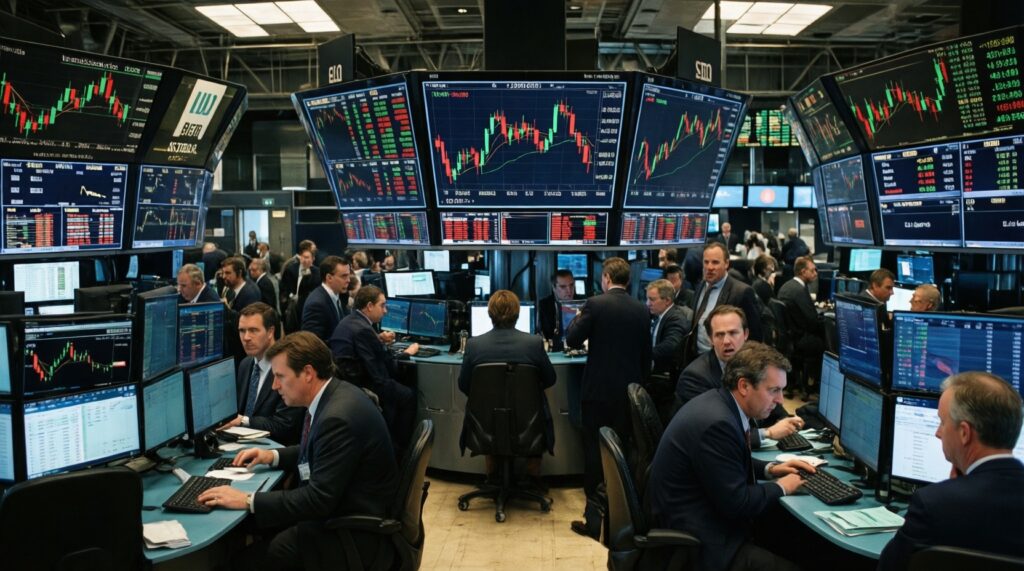
Most "falls" are not a single moment; they are a sequence where liquidity dries up, spreads widen, and trust evaporates. Typical triggers and myths to avoid:
- Policy shock: a platform changes trading, API access, or withdrawal rules-suddenly the exit path is weaker, so holders rush to sell.
- Custody event: a major marketplace freezes withdrawals, gets hacked, or pauses trading; even unrelated venues suffer contagion via fear.
- Liquidity illusion: users assume they can always sell at the "floor," but the floor is only real when buyers exist.
- Leverage-by-proxy: traders promise quick buybacks, "rent" inventory, or run informal credit-defaults spread losses across the network.
- Myth: rarity guarantees value: rarity helps only if demand remains and trading remains possible; policy and sentiment can dominate scarcity.
- Myth: diversification across skins equals safety: many items correlate because they share the same platform and the same exit constraints.
Concrete Lessons for Gamblers: Risk Controls and Decision Rules
If you touch item-based wagering-whether through direct matches, third-party offers, or skin gambling sites-treat inventory like volatile bankroll, not like "collectibles you can always sell." Use rules that prevent forced selling when the ecosystem jams.
Action checklist for safer item exposure
- Hold your "spend" and your "store" separately: a small wagering stack, and a separate long-term inventory.
- Prefer items with consistent executed trades (not just many listings) before you wager them.
- Assume withdrawals can pause; never stake items you cannot afford to have illiquid for a while.
- Limit counterparty risk: minimize off-platform deals; avoid "trusted middleman" requests and rushed confirmations.
- Verify every trade destination: profile IDs, trade URLs, and session security before confirming.
Decision rule (mini-pseudocode)
if (market_withdrawals_unstable OR platform_policy_unclear) then
    stake = 0
else
    stake = min(wager_stack, amount_you_can_lock_up_without_stress)

for each bet:
    use only high-liquidity items
    require: you can re-sell within your acceptable spread
    if (counterparty asks to move chat/trade off-platform) then abort
Mini-case: avoiding the "floor price trap"
You see a skin "floor" rising and consider using it for bets. Before staking, you check recent executed sales and notice most activity is listings, not fills. You decide to wager only an amount you could hold if the floor vanishes, and you keep the rest in more liquid items or cash.
Common Practical Queries for Players and Bettors
Is a virtual item economy the same as a normal in-game shop?
No. A shop is one-way pricing from the publisher; an economy requires user-to-user transfer and real price discovery via trading.
What's the safest way to buy virtual items online without getting trapped?
Prioritize venues with clear custody, predictable withdrawal rules, and transparent trade confirmations. Avoid deals that rely on rushed off-platform messaging or unverifiable "brokers."
Why do skin gambling sites amplify risk compared to normal betting?
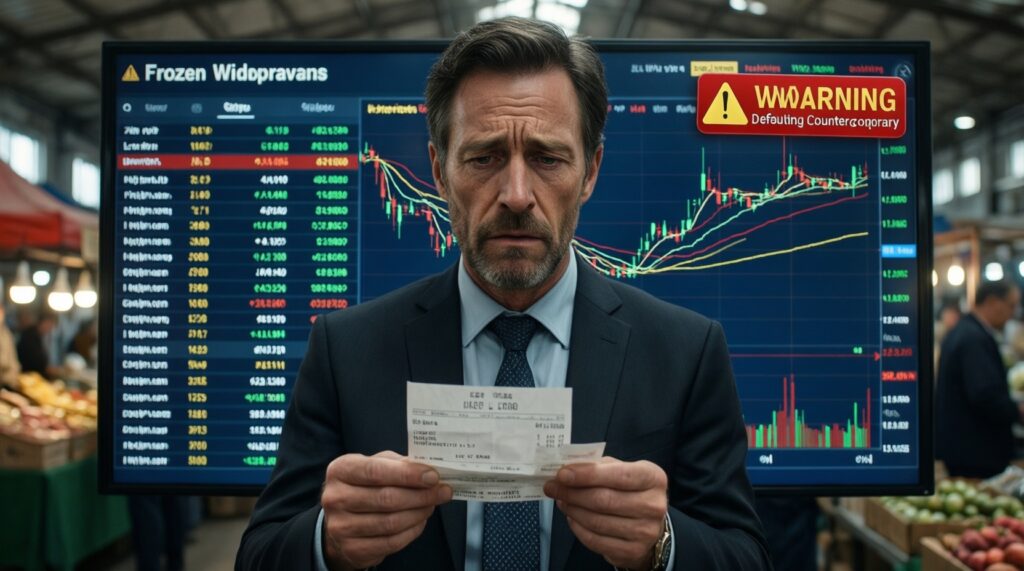
They add two extra failure points: item custody and resale liquidity. Even if your bet is fair, you can lose on spreads, frozen withdrawals, or counterparty defaults.
Is CSGO skin betting mainly about skill or market timing?
Most outcomes are driven by wagering variance plus market liquidity conditions. Timing matters because spreads and withdrawal delays can dominate your net result.
How do I tell if a virtual items marketplace price is real?
Look for executed sales and consistent fills, not just high listings or "suggested" prices. If only the displayed floor moves while sales don't, pricing may be fragile.
What's the single most common scam pattern in item trading?
Impersonation combined with a redirected trade link or fake confirmation flow. If any step changes your usual trade path, stop and re-verify identity and URLs.
What should I do if I suspect a policy change is coming?
Reduce item exposure, avoid staking, and move to higher-liquidity items you can hold comfortably. Treat uncertainty itself as a risk signal.