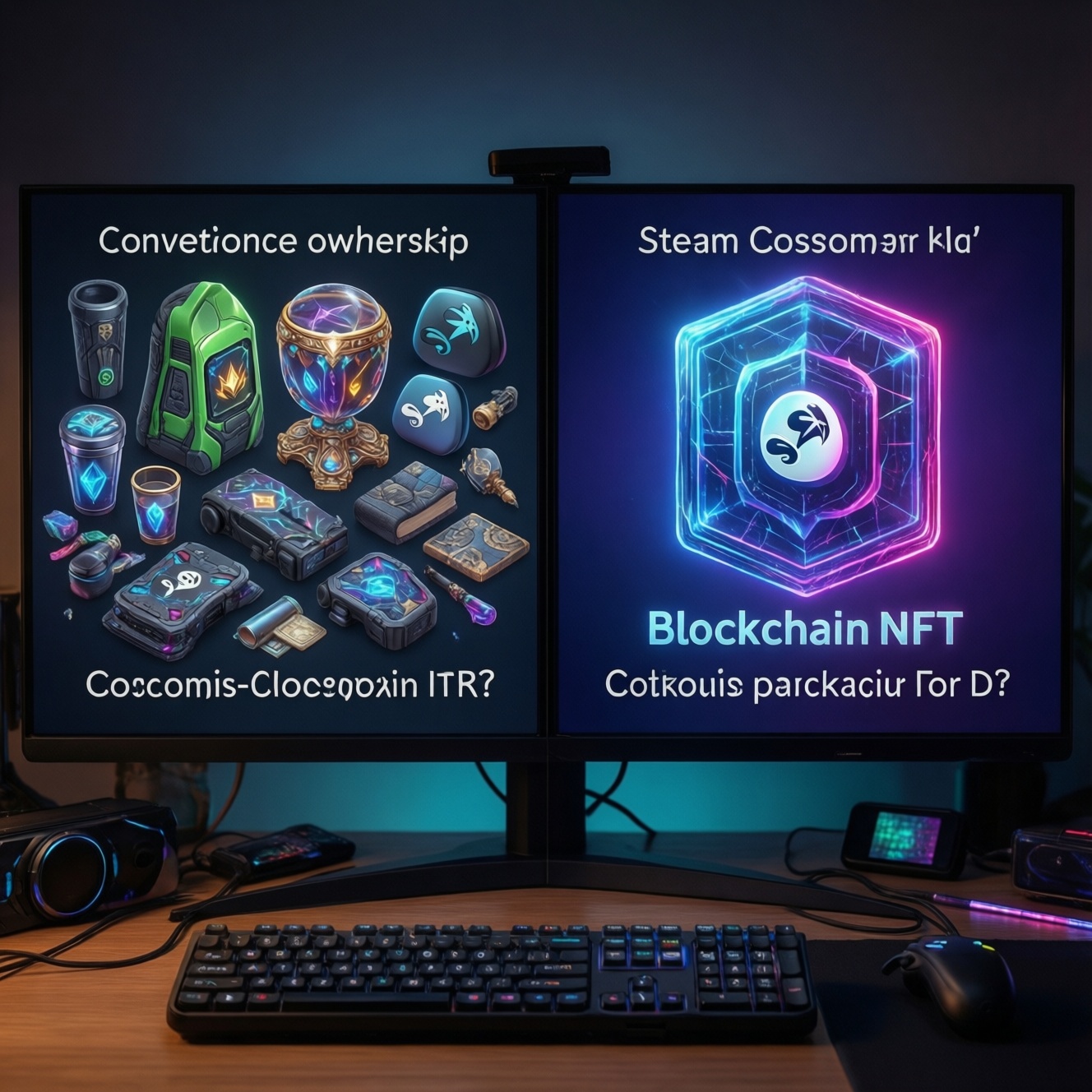

NFT in-game items rarely mean you own the game asset in a real-world, unlimited sense. You typically own a blockchain token that can point to an item, while your ability to use that item is still governed by the game's license, servers, and rules. Think token custody on-chain, gameplay access off-chain.
Quick Reality Check: What NFT Ownership Actually Means
- You can control a token in your wallet, but the game can still control whether the item renders, functions, or exists in-game.
- Most "ownership" claims translate to: you can transfer the NFT, not guarantee permanent gameplay utility.
- Item scarcity can be enforced on-chain, but balance changes and restrictions are still a developer decision.
- Secondary selling is possible only if the marketplace and the game's terms allow it.
- If you lose your keys, you lose the NFT-there is usually no password reset.
Common Myths About In-Game NFTs and the Truth
Myth: "If I ซื้อไอเทมเกม NFT, I legally own the item like a physical good."
Reality: In most games, you own a token and receive a license to access a corresponding cosmetic/utility inside the game. The license can be limited, revoked for policy violations, or altered by updates.
Myth: "NFT automatically means the item works across games."
Reality: Interoperability is a product decision, not a blockchain default. Another game must implement the art, stats, rigging, and rules-usually the hardest part.
Myth: "Blockchain guarantees the marketplace and the game will run forever."
Reality: The chain may keep the token record, but if the game servers shut down or the publisher ends support, the in-game experience can disappear while the NFT still exists.
Myth: "All เกม NFT ที่น่าเล่น 2026 will let me freely resell items anywhere."
Reality: Many projects restrict trading to approved venues, block certain regions, or enforce royalties/allowlists. "Free resale" is a policy choice with compliance and abuse-trade implications.
How Blockchain Custody Works for Game Items
On-chain custody is mainly about who can authorize transfers of a token. Gameplay meaning is then mapped from that token to an in-game entitlement (skin, weapon, pass, land, etc.). A typical flow looks like this:
- Mint: A smart contract issues an NFT to a wallet address (yours or the game's custodial wallet).
- Metadata reference: The NFT points to metadata (often a URL/IPFS hash) describing the item and attributes.
- Wallet control: Only the private key holder can sign a transfer (unless approvals/delegation are used).
- Game verification: The game checks the chain (or an indexer) to see whether your address owns token X.
- Entitlement mapping: The server grants the in-game item state based on token ownership and current rules.
- Trade: You list/sell via a marketplace contract or order book; the token moves when the transaction settles.
- Revocation/limits: The game can still block usage (ban accounts, disallow in competitive modes, deprecate items).
This is why the "ตลาดซื้อขายไอเทมเกม NFT" layer can be robust for transfers, yet still not guarantee in-game usability after the transfer.
Game Developers' Licensing Models Explained
Developers choose how tightly they bind gameplay rights to an NFT. Convenience of implementation usually increases as control increases-while user "ownership feel" decreases.
- Cosmetic license: NFT grants a skin/avatar look. Easiest to ship; lowest balance risk.
- Account-bound utility with proof-of-hold: You must hold the NFT to enable perks, but perks live on centralized servers. Simple anti-abuse controls; users still bear wallet risk.
- Season/pass entitlement: NFT acts like a ticket. Easy compliance and support flows; access can expire by design.
- Crafting/material gating: NFT unlocks recipes or access to content. Moderate complexity; sensitive to economy exploits.
- Transferable power items: NFT represents equipment with stats. Hardest to maintain; highest cheating/RMT pressure and balancing workload.
- Hybrid custody: Users can self-custody, but the game also offers custodial accounts for recovery. Higher support costs and regulatory considerations, but better onboarding.
| Approach | Implementation convenience (for studios) | Player experience | Risk profile (what tends to break) |
|---|---|---|---|
| Pure on-chain transfer + off-chain gameplay rights | Medium (requires wallet connect, indexing, security review) | High control of trading; mixed confidence in utility | Wallet loss, contract bugs, metadata availability, policy conflicts |
| Custodial "wallet inside account" | High (simpler UX; more backend work) | Easier onboarding; recovery possible | Centralized failure, account takeover, trust/regulatory burden |
| Traditional items (no NFT) with ToS-based inventory | Highest (known patterns, existing tooling) | Best UX; weakest portability/trading rights | Platform lock-in; players depend fully on publisher policies |
Where Legal Ownership Ends and Access Rights Begin
In practice, you have two layers: (1) token control on a blockchain and (2) a license to access content/services. The second layer is where most disputes happen.
What you can usually do (practical upsides)
- Transfer the NFT to another address without asking the game (unless the contract blocks transfers).
- Prove you hold an item publicly (useful for gating access, communities, drops).
- Trade on a compatible marketplace if listings and contract standards match.
- Keep a record of provenance and transaction history on-chain.
What you usually cannot guarantee (hard limits)
- Permanent in-game utility: patches, balance changes, or shutdowns can remove value-in-use.
- Universal recognition: other games are not obligated to support your NFT item.
- Unlimited resale freedom: ToS, allowlists, or marketplace policies may restrict "ตลาดซื้อขายไอเทมเกม NFT".
- Recovery: losing keys or signing a malicious approval can be irreversible.
Technical Risks: Smart Contracts, Wallets and Interoperability
- Approval traps: A scam site can trick you into approving a spender that later drains NFTs. This is the most common failure mode of "วิธีซื้อขาย NFT ในเกมอย่างปลอดภัย" in the real world.
- Metadata fragility: If metadata hosting is centralized or mutable, the item's appearance/attributes can change or vanish even if the token remains.
- Contract upgrade/admin keys: Upgradeable contracts and privileged roles can enable freezes, blacklists, or rule changes-sometimes necessary, always a trust trade-off.
- Wallet UX and key loss: Picking the right "กระเป๋าเงินคริปโตสำหรับ NFT เกม" matters; poor backups, device swaps, and seed leaks are frequent causes of permanent loss.
- Interoperability myths: Even if two games read the same NFT, they won't share animation rigs, hitboxes, rarity curves, or economy rules by default.
- Cross-chain and bridge exposure: Moving assets between chains adds bridge risk and often breaks marketplace compatibility.
Practical Steps to Verify and Protect Your NFT Game Assets
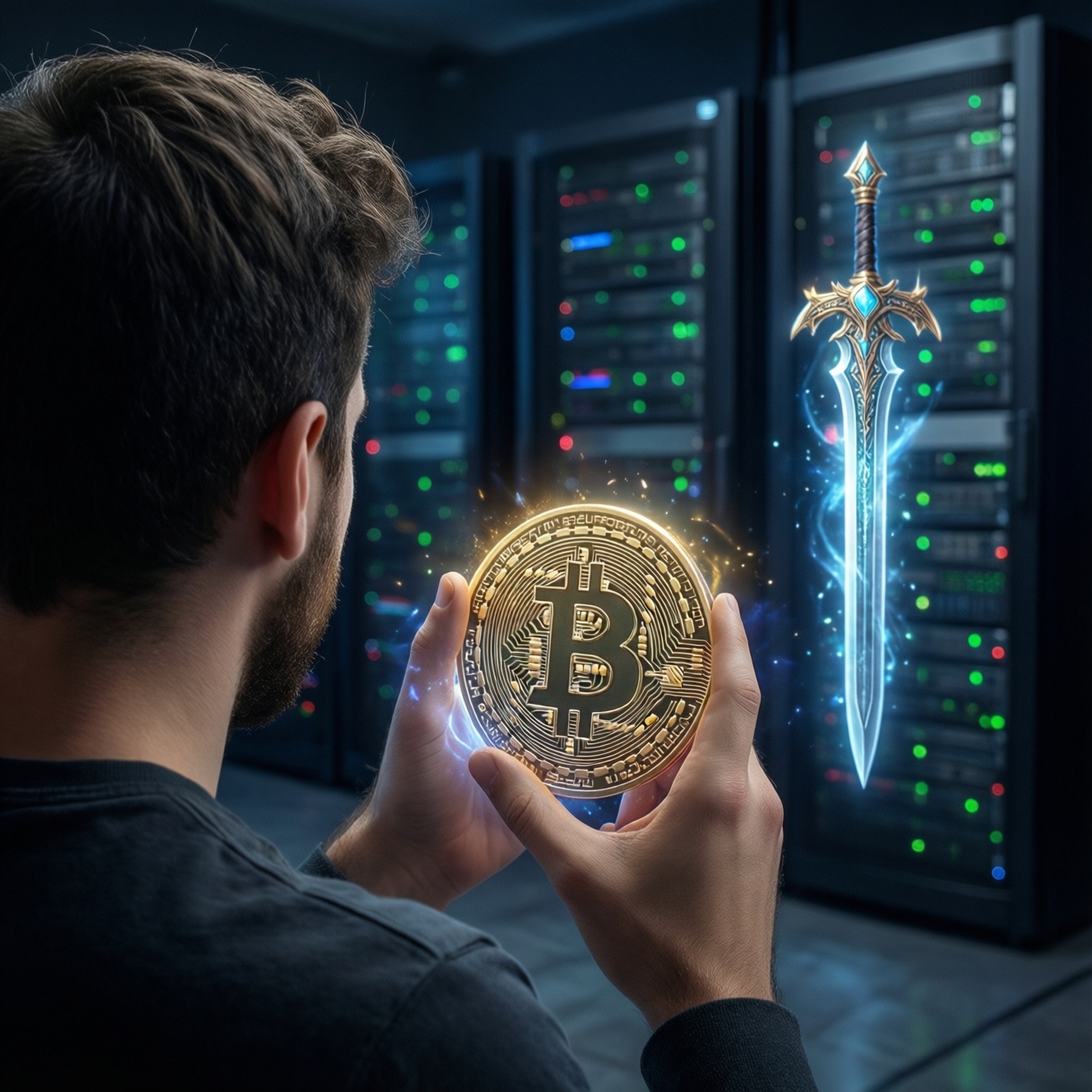
Mini-case: you want to buy a sword NFT from a marketplace and ensure it will actually work in the target game (not just exist as a token).
- Confirm the official collection: From the game's official site/app, copy the contract address and compare it with the listing's contract address (don't trust the collection name alone).
- Check transferability rules: Review whether the contract is non-transferable, pausable, or has blacklists that could block resale.
- Validate game recognition: In the game UI (or official docs), verify which token IDs/attributes are supported and whether power is capped in ranked modes.
- Use a separate trading wallet: Keep high-value items in a cold/long-term wallet; use a "hot" wallet only for trading.
- Minimize approvals: Prefer "approve for this item only" patterns when available; revoke old approvals after trading.
- Record evidence: Save the transaction hash and screenshots of the in-game entitlement screen immediately after purchase.
// Pseudocode: pre-buy checks (conceptual, not chain-specific)
contract = listing.contractAddress
if contract != officialContractAddress:
  abort("Likely counterfeit collection")

tokenId = listing.tokenId
if !gameSupportsToken(tokenId):
  warn("Token may not grant in-game access")

if contractIsPausable(contract) or hasAdminBlacklist(contract):
  warn("Transfers/usage can be restricted by admin controls")

if walletHasUnlimitedApprovals(marketplaceSpender):
  revokeApprovals()
Common Player Concerns Demystified
If I own the NFT, can the game still ban me and block the item?
Yes. The NFT can remain in your wallet, but game access is governed by the game's terms and account enforcement.
Does "buying an NFT item" mean I can always resell it?
Not always. Some contracts restrict transfers, and some marketplaces or games limit where you can list, affecting the practical "ตลาดซื้อขายไอเทมเกม NFT".
What is the safest way to ซื้อไอเทมเกม NFT?
Use official links, verify the contract address, and avoid signing broad approvals. Keep a separate trading wallet and revoke permissions after transactions.
Which กระเป๋าเงินคริปโตสำหรับ NFT เกม should I use?
Use a reputable wallet that supports the chain your game uses and lets you review and revoke approvals. Prefer hardware-backed storage for long-term holdings.
Are เกม NFT ที่น่าเล่น 2026 automatically better investments than normal games?
No. "Playable and sustainable" depends on game design, retention, and policy, not the presence of NFTs.
How do I follow วิธีซื้อขาย NFT ในเกมอย่างปลอดภัย without missing deals?
Prioritize verification over speed: confirm collection addresses, check token support in-game, and don't sign transactions you don't understand.