

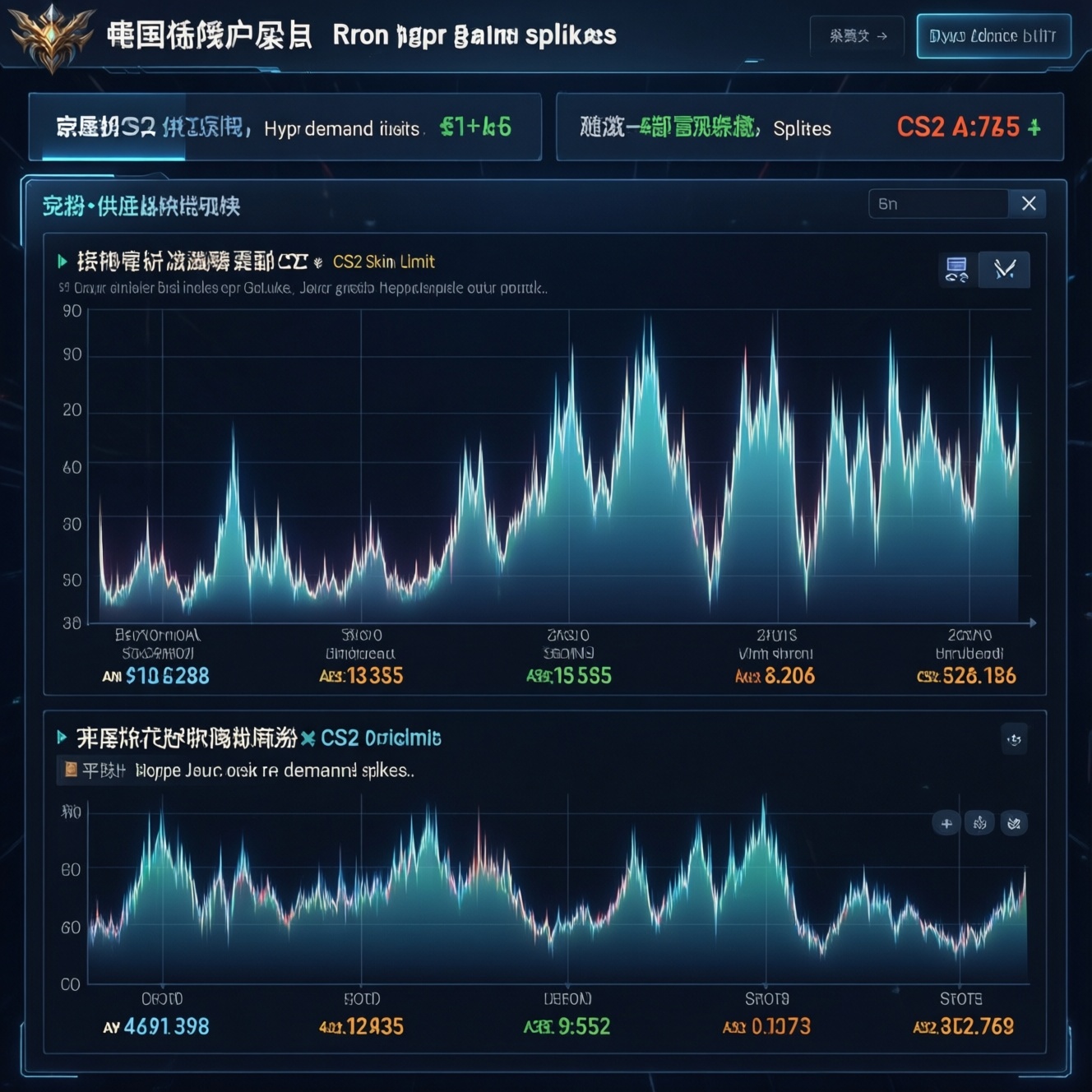
CS2 skin prices move because supply is constrained by rarity and drop rules, while demand is amplified by hype and disrupted by updates that change usability, visibility, or trust in trading. To read the CS2 skin market correctly, track three forces together: new demand pulses, sudden supply shocks, and Valve-driven protocol changes that reshape liquidity and risk.
Core drivers summarized for quick analysis

- Rarity + distribution: how often an item can realistically enter circulation defines the long-run supply ceiling.
- Liquidity layer: where trading happens (Steam vs. external venues) determines spreads, price discovery speed, and slippage.
- Attention cycles: launches, creator content, and seasonal playtime spikes can lift cs2 skin prices even without new fundamentals.
- Event risk: patches, rollbacks, and temporary freezes can reprice skins instantly by changing perceived scarcity or settlement risk.
- Policy risk: Valve actions can reshape what is tradable, how fast it clears, and how confident buyers feel holding inventory.
- Microstructure: bots, whales, and thin order books can manufacture momentum that looks like signal.
Market mechanics: rarity, drop rates, and trading infrastructure
In practice, cs2 skin prices are an intersection of item-level scarcity and market-level liquidity. Scarcity is not only "rare vs. common"; it also includes how predictable new supply is, how many holders are inactive, and whether the item is routinely consumed (traded up) or effectively stored.
Trading infrastructure matters because the same skin can have different "real" prices depending on where you observe it. Steam listings, peer-to-peer offers, and third-party venues produce different spreads and different vulnerability to manipulation. When you plan to buy cs2 skins, you are also choosing a settlement model (custodial vs. non-custodial), dispute risk, and how quickly you can exit.
Boundaries that keep analysis honest:
- Cosmetics don't generate cash flow; valuation is comparative and behavior-driven, not intrinsic-income-driven.
- Price is path-dependent; who holds inventory and where it sits (listings vs. private storage) affects future moves.
- Observed price is not always executable; thin books can show a "price" you cannot actually trade at size.
Hype cycles: launches, influencers, and seasonal demand
Hype is a demand accelerator: it compresses decision time, pushes buyers to pay the ask, and attracts newcomers who anchor on recent highs. This is why cs2 skin price prediction often fails when it ignores attention and treats the market like a stable commodity.
- Trigger: a new case, collection, major tournament, or a viral clip makes specific looks "must-have".
- Discovery: creators highlight a skin; viewers search it, compare it, and rush to buy before it "gets expensive".
- Liquidity squeeze: listings get pulled as holders expect higher prices; spreads widen and gaps appear.
- Momentum trades: buyers chase recent candles rather than checking depth; the move extends past fair comparables.
- Mean reversion or regime shift: attention fades (reversion) or an update increases usability/visibility (new baseline).
- Bag distribution: late buyers become long-term holders; volume drops, volatility spikes on small flows.
Low-resource alternatives (limited budget/time): focus on boring liquidity rather than viral picks-skins with steady two-sided trading are easier to exit even if the upside is smaller.
Supply shocks: patches, rollbacks, and inventory freezes
Supply shocks are situations where "available to buy right now" changes faster than normal, or where participants lose confidence in settlement. These are the most common real-world scenarios that reprice the market quickly:
- Patch changes perceived availability: items become more/less desirable (visual clarity, inspect changes, wear look), pulling supply off-market.
- Rollback or bug rumors: fear of reversals makes traders de-risk; listings vanish and buyers demand bigger discounts.
- Temporary inventory/trade constraints: if users can't move items freely, price discovery fragments across venues.
- Case/collection rotation expectations: speculation about future drops changes hoarding behavior before any confirmed change.
- Platform risk headlines: trust events (scams, disputes, or enforcement waves) reduce willingness to hold off-Steam inventory.
Low-resource alternative: when shock risk rises, prefer positions you can unwind quickly (higher liquidity, smaller size) instead of "perfect" long-term holds.
Protocol and Valve updates: policy, matchmaking, and economy hooks
- Cleaner price discovery: policy clarity can increase participation and tighten spreads.
- Better utility narrative: updates that increase playtime or visibility can raise baseline demand for popular finishes.
- Reduced settlement risk: tighter enforcement can remove some bad actors, improving confidence for cautious buyers.
- Rules can change unilaterally: Valve can alter constraints that external venues rely on, reshaping the best site to buy cs2 skins from a risk standpoint.
- Liquidity can migrate suddenly: a small rule shift can move volume between Steam and third parties, distorting signals.
- Hidden correlation: many skins move together when a single policy affects trading friction across the board.
Speculation dynamics: whales, bots, and orderflow manipulation
- Myth: "A single sale price is the price." In thin markets, one print can be marketing, not equilibrium.
- Mistake: ignoring depth. A rising chart with shrinking listings can mean a trap if there is no real bid support.
- Mistake: confusing listings with liquidity. Many asks don't help you exit; you need consistent completed trades.
- Myth: "Whales always know something." Large buys can be inventory rotation, wash-like signaling, or simple taste.
- Mistake: overfitting cs2 skin price prediction to recent hype. Attention is cyclical; a model that ignores it breaks fastest.
Low-resource alternative: instead of chasing "smart money," track simple, observable behavior-how fast similar items sell, whether bids persist, and whether volume concentrates on one venue.
Valuation framework: metrics, comparables, and decay models (with table)
Because skins have no cash flows, valuation is a structured comparison: pick a reference set, measure liquidity and volatility, and apply a "decay" assumption for hype (how quickly attention fades). Use this to decide whether you're paying for fundamentals (scarcity + utility) or mostly for narrative.
| Metric | What it captures | How to observe it quickly | What it implies for trading |
|---|---|---|---|
| Rarity (effective scarcity) | How constrained new supply is in practice | Compare how often the item appears across active listings and recent trades | High scarcity can support higher floors but increases gap risk and slippage |
| Volume (turnover) | How easily you can enter/exit | Check repeated completed trades across multiple days, not a single spike | Higher turnover usually means tighter spreads and safer exits |
| Volatility (price variance) | How unstable the "clearing price" is | Look for frequent repricing and wide dispersion of recent sale prints | Higher volatility demands smaller position sizing and more patience |
| Median price (central tendency) | Typical paid level vs. outliers | Prefer medians of recent executed trades over lowest listing | Useful anchor for comparables; reduces manipulation impact |
Mini case study: hype spike vs. liquidity reality
A creator highlights a specific finish; searches surge and the lowest listings disappear. The visible "floor" jumps, but completed trades thin out. If bids don't rise proportionally, the next wave of sellers can push price back down because the move was listing-driven, not demand-at-depth.
A lightweight sanity-check method (works with limited resources)
- Pick 3-5 comparables: similar finish vibe, similar popularity, and similar scarcity perception.
- Validate execution: confirm there are repeated completed trades (not just relisted asks).
- Check depth risk: if only a few listings exist, assume higher slippage on exit.
- Assign a hype-decay expectation: if the move is attention-driven, require a better entry or smaller size.
- Choose your venue deliberately: when you buy cs2 skins, treat platform risk as part of the price.
If you're constrained to one marketplace, the "best site to buy cs2 skins" for you is the one where you can reliably exit at a known spread, not the one that shows the lowest headline listing.
Practical trader questions and concise answers
Why do cs2 skin prices jump even when nothing "new" drops?
Listings can be pulled during hype, creating a temporary liquidity squeeze. The visible floor rises first; executed trades catch up only if real buyers exist at depth.
Is Steam price the "real" cs2 skin market price?
It's one reference, not an absolute. Different venues have different fees, settlement risk, and liquidity, so executable prices can diverge.
How should I approach cs2 skin price prediction without overcomplicating it?
Use scenario-based thinking: base case (steady turnover), hype case (attention spike), and shock case (policy/rollback risk). Tie entries to liquidity and comparables, not to a single chart pattern.
What's the safest way to buy cs2 skins on a limited budget?
Prefer higher-turnover items with tighter spreads and avoid thin, story-driven spikes. Smaller size and easier exit usually beat "perfect" rarity when capital is limited.
How do I tell if a move is manipulation or genuine demand?
Look for persistent bids and repeated completed trades across time. If only listings change while executions stay sparse, the move is fragile.
What matters most when choosing the best site to buy cs2 skins?
Exit reliability: settlement trust, dispute handling, and consistent liquidity. A slightly higher entry price can be cheaper than being stuck during a shock.