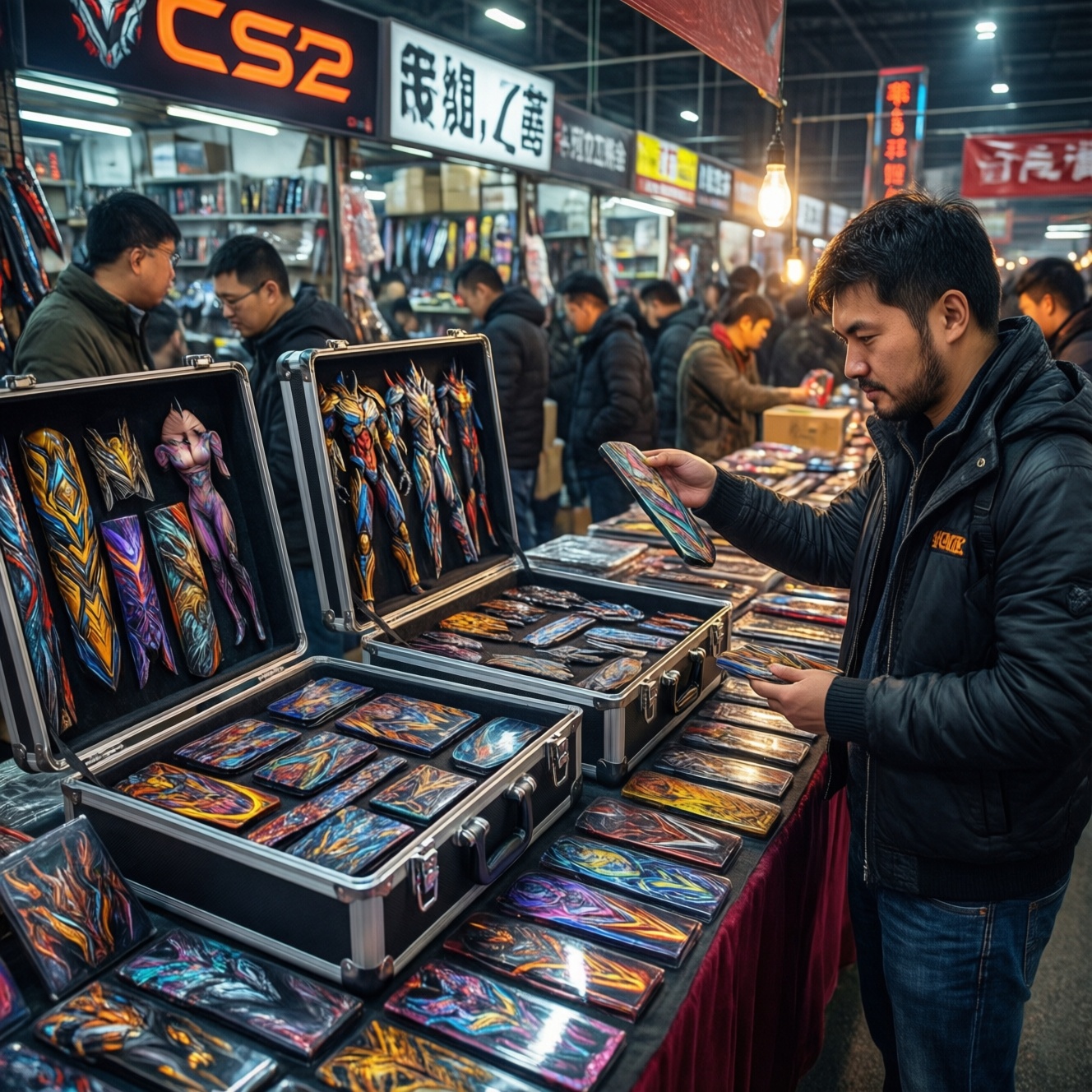


Steam trade holds and Steam market restrictions slow or block item transfers and listings, which directly reduces betting liquidity: fewer deliverable skins, wider spreads, more failed settlements, and sharper price swings. The safe approach is to plan around hold timers, keep accounts compliant, and avoid any "bypass" behavior that can escalate into longer restrictions or bans.
Immediate Consequences for Betting Liquidity
- Lower deliverable inventory today (items exist, but cannot move), so effective supply drops.
- Wider bid-ask spreads as market makers price in settlement uncertainty.
- Higher fill risk: matched bets may fail if items cannot be delivered on time.
- Short-term volatility spikes when holds expire and supply floods back in.
- More operational friction: re-quotes, cancellations, and manual exception handling.
How Steam Trade Holds Work: Mechanism and Timing
Definition: A steam trade hold is a delay applied to a trade where items are not immediately transferable; the trade sits pending until the hold window ends or the trade is otherwise confirmed/processed by Steam's rules.
What it is (and isn't): A hold is not the same as a permanent ban. It is a timing constraint on delivery. For betting, that timing constraint matters as much as price because many workflows assume near-instant settlement.
Real-world example (TH context): You place a bet and win a skin, but the sender's trade is held. The platform must either wait, substitute an item, or cancel and refund-each outcome reduces confidence and tightens liquidity for the next round.
Timing boundary you should treat as "operational truth": always verify the current steam community market hold duration for the specific item/account state before promising delivery windows to users or counterparties.
Market Restrictions: Types, Triggers and Enforcement
Definition: Steam market restrictions are account- or item-level limits that prevent trading, gifting, or listing on the Community Market, often triggered by security events or policy enforcement.
Example: A trader changes security settings, then finds they cannot list or transfer items during a critical esports match window-liquidity dries up exactly when demand peaks.
- Trade limitations: inability to trade, delayed trades (holds), or reduced trading capability.
- Community Market limitations: inability to list, buy, or use market features on specific items or the entire account.
- Account trust enforcement: restrictions after suspicious login patterns, compromised-account signals, or repeated disputes.
- Item-level constraints: some items can be temporarily unlistable/untradeable due to platform rules or recent acquisition.
- Cooldown effects: actions such as security changes can produce periods where trading/market activity is constrained.
How Holds and Bans Alter Betting Prices and Volatility
Definition: Holds and bans change the "deliverable float" (what can actually move now), so betting odds and skin prices start reflecting settlement probability, not just item value.
Example: Two identical skins can trade at different effective prices if one is instantly deliverable and the other is locked behind a hold window during a time-sensitive event.
- Pre-match demand spikes: bettors rush for deliverable skins; held inventory becomes "dead weight," increasing scarcity premiums.
- Post-hold release dumps: when holds expire, supply returns quickly, compressing spreads and causing abrupt price mean reversion.
- Platform settlement deadlines: if a site requires delivery within hours, even short holds behave like bans for that specific workflow.
- Counterparty selection bias: traders with clean, stable accounts get better pricing because they can settle reliably.
- Ban contagion risk: if a key supplier is banned/restricted, multiple pending obligations fail at once, amplifying volatility.
Liquidity Mechanics: Order Book Depth, Spread and Fill Risk
Definition: Liquidity is the ability to buy/sell (or settle bets) quickly with minimal price impact. Holds/restrictions reduce effective liquidity by removing deliverable inventory and adding execution uncertainty.
Example: A market may look "deep" on paper, but if much of the listed inventory is non-transferable in the needed window, true depth is thin and slippage increases.
What typically improves (rare, but possible)
- Temporary scarcity signals: deliverable items may command clearer premiums, helping price discovery for "instant settlement" inventory.
- Reduced spam trading: some enforcement reduces low-quality flow, making reputable counterparties stand out.
What typically degrades (the usual outcome)
- Order book depth falls: fewer items are available for immediate delivery; visible supply becomes misleading.
- Spreads widen: market makers charge for settlement risk and potential rework.
- Fill probability drops: matched orders/bets fail more often, creating retries and cancellations.
- Adverse selection increases: good counterparties leave; remaining flow skews toward higher-risk accounts.
- Settlement latency rises: cashflow cycles slow, limiting how quickly bankroll can be reused.
Operational Workarounds, Detection and Associated Risks
Definition: "Workarounds" are attempts to route around holds/restrictions using alternate accounts, rapid security changes, third-party intermediaries, or timing tricks. These often create stronger risk flags and worse outcomes.
Example: A bettor tries a steam trade hold bypass by shifting items through multiple accounts. The chain increases fraud signals and can lead to longer lockouts, leaving the bettor unable to settle at all.
Common mistakes and myths to avoid
- Myth: You can reliably "remove steam trade hold" instantly. In practice, hold status depends on Steam's security and policy state; shortcuts often backfire.
- Assuming "marketable" equals "deliverable now": an item can have a price but still be unusable for time-critical settlement.
- Account hopping: moving activity to fresh accounts can look like evasion and increases loss-of-access risk.
- Overpromising delivery SLAs: quoting fixed delivery times without checking hold/restriction states turns operational issues into user disputes.
- Mixing high-risk counterparties: a single restricted supplier can break an entire batch settlement process.
Safety checklist before changing anything operational
- Check whether the account can trade and list right now (don't rely on yesterday's status).
- Verify each item's transfer/listing eligibility for the intended channel (trade vs market).
- Keep a buffer window between bet close and required delivery to absorb hold delays.
- Prefer fewer, higher-trust counterparties over many unknown ones during peak events.
- Document settlement exceptions (who, what, when) so you can reverse/resolve quickly.
Practical Mitigation Techniques for Bettors and Market Makers
Definition: Mitigation is designing your pricing and operations around deliverability: you treat holds/restrictions as a settlement-probability problem, not just a "Steam issue."
Mini-case: A small market maker in Thailand quotes two prices for the same skin: "instant-deliverable" inventory gets tighter spreads; "held/uncertain" supply gets discounted or excluded from time-sensitive bets.
Actionable workflow (simple rules you can implement)

- Classify inventory: deliverable now vs deliverable later vs not deliverable (restricted).
- Set settlement windows: only accept bets that can be settled within your worst-case operational timing.
- Price for risk: widen spreads or reduce max bet size when deliverable float is low.
- Fail safely: define a clear policy for substitutions/refunds when delivery cannot complete.
Minimal pseudo-logic for quoting and limits
if deliverable_now == true:
    quote_spread = base_spread
    max_size = normal_limit
else if deliverable_later == true and delivery_deadline_allows == true:
    quote_spread = base_spread + settlement_risk_premium
    max_size = reduced_limit
else:
    reject_order("Not deliverable within required window")
Mitigation checklist for bettors
- Use only accounts you fully control and can secure long-term; avoid last-minute security changes before events.
- Before committing to a bet with item settlement, confirm the trade pathway is available (trade/market) for your account.
- Prefer platforms that clearly state settlement timeframes and exception handling.
- Do not attempt "quick fixes" marketed as guaranteed hold removal; treat them as account-risk multipliers.
Practical Questions About Holds, Bans and Market Functioning
Is a steam trade hold the same as being trade banned?
No. A hold is a delay on settlement; a trade ban/restriction prevents trading or market actions. For betting, both can break delivery, but bans usually have broader impact.
How do steam market restrictions show up during betting?
You may be unable to list/buy items or complete transfers needed to settle a bet. The practical effect is reduced deliverable inventory and more cancellations.
Can I remove steam trade hold quickly by using another account?
Using alternate accounts to route around restrictions increases operational and account-access risk. It can also create new holds or limitations, worsening settlement reliability.
Does a steam trade hold bypass method exist that is safe?
Any "bypass" framing should be treated as high-risk. Safer practice is planning around eligibility and timing, not evasion.
Why does steam community market hold duration matter if I only trade?
Because pricing and liquidity depend on what is deliverable in the time window your platform requires. Market hold timing often correlates with whether items can circulate fast enough to support tight spreads.
What's the safest way to reduce failed settlements?
Quote and accept bets only against deliverable inventory, keep buffer time, and apply stricter limits during peak demand. Make substitution/refund rules explicit before taking action.