

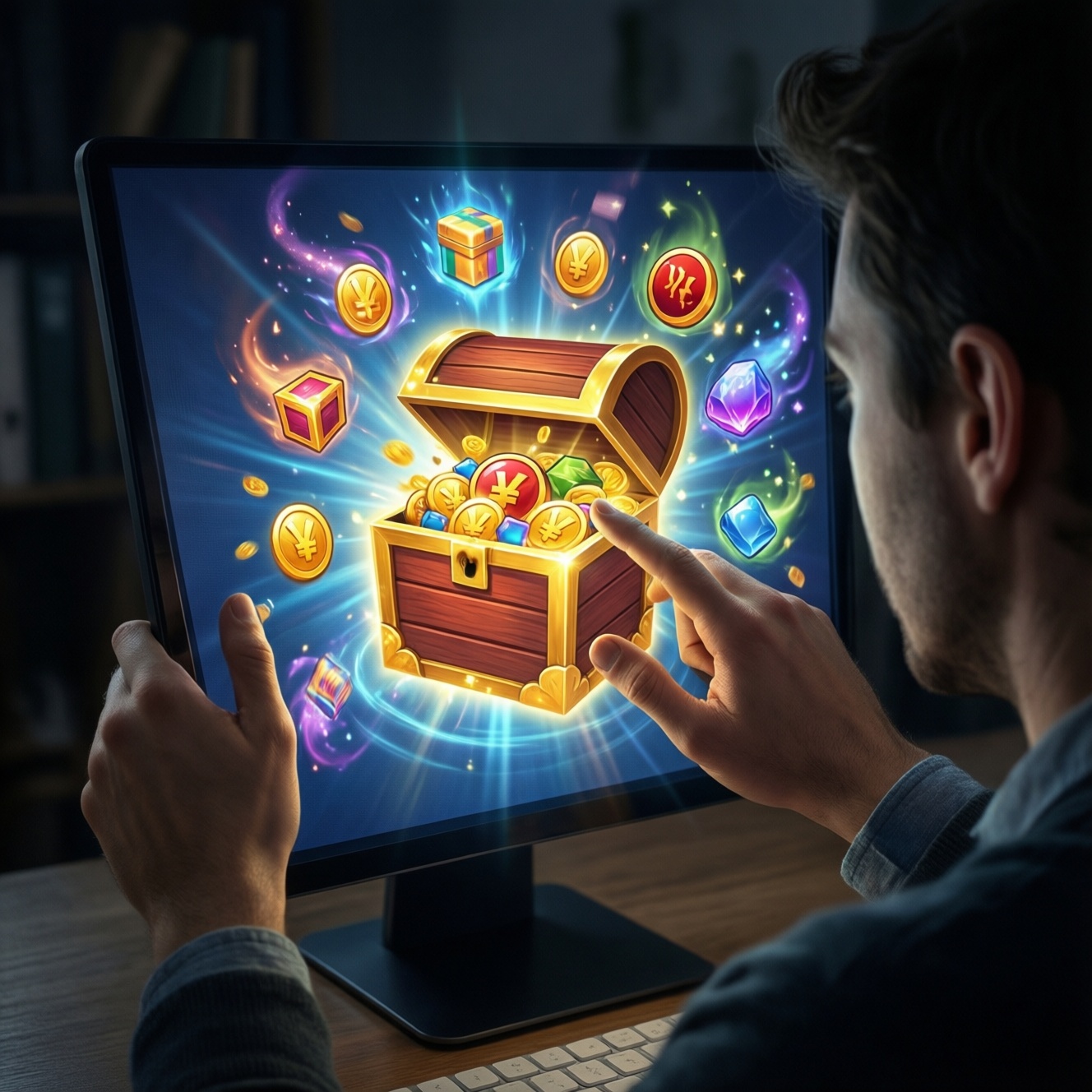
Loot boxes feel addictive because random (RNG) rewards train your brain to chase uncertainty: you learn that "maybe the next one" will pay off, so you keep clicking even when it's not fun. Understanding this loot boxes psychology helps you interrupt the loop with practical limits, friction, and replacement habits before spending and time escalate.
Core Psychological Mechanisms at Play
- Variable reinforcement: unpredictable wins make repeating the action feel rational.
- Near-miss momentum: "almost got it" keeps motivation high without real payoff.
- Salience hijacking: bright reveals, sounds, and rarity colors pull attention back to the shop.
- Loss aversion framing: limited banners and expiring bundles make stopping feel like losing.
- Sunk-cost pressure: after spending time/money, quitting feels like wasting prior effort.
- Social comparison: friends' drops and streamer pulls normalize repeated purchasing.
Common Misconceptions About Loot Boxes and Addiction
Myth 1: "Only kids or impulsive people fall for it." Many players with good self-control still get pulled in when the system is designed to reward persistence, not skill. The pattern often starts as "just a few pulls," then becomes a routine tied to daily play.
Myth 2: "If I understand odds, I'm safe." Knowing probabilities doesn't fully protect you from rng rewards addiction dynamics because your brain responds to outcomes and surprises, not spreadsheets. People can understand the math and still chase the feeling of a rare reveal.
Myth 3: "It's harmless because items are cosmetic." Even cosmetic outcomes can carry strong emotional value (identity, status, belonging), so the reinforcement loop can still form. This is a key part of why loot boxes are addictive for some players: the reward is psychological, not only functional.
Actionable takeaway: Treat loot boxes like a "high-arousal purchase environment," not like a normal shop-decide rules before you open the store page.
How Random Rewards Exploit Reinforcement Schedules
Loot boxes typically use a variable ratio schedule: rewards arrive after an unpredictable number of attempts. That uncertainty is the feature-your brain learns that persistence might be "the one" that hits, so stopping feels premature.
- Trigger: a banner, a notification, a new season, or a friend's pull.
- Action: open box / roll / spin with minimal friction.
- Uncertain payoff: most outcomes are small, occasional outcomes are exciting.
- Memory bias: the exciting outcomes are easier to recall than the "trash" pulls.
- Escalation: you increase attempts to recreate the peak moment.
- Normalization: repeated micro-decisions feel like "part of the game."
Actionable takeaway: If you want a real lever, don't fight willpower-change the schedule by bundling decisions (e.g., "one decision per week," not "one roll at a time").
Emotional Triggers: Anticipation, Surprise, and Loss Aversion
Loot boxes are engineered to keep you in a high-anticipation state, then spike emotion with reveal animations and rarity cues. The emotional swing itself becomes rewarding, even when the item isn't.
- "Just before reset" rolling: you feel pressure to use currency or claim "limited" value now.
- After a bad match/day: rolling becomes mood repair-quick hope, quick distraction.
- Chasing a set completion: missing one item feels more painful than the value of stopping.
- Limited-time banners: you interpret not rolling as a loss, not a neutral choice.
- Group hype: guild chat/Discord celebrates rare drops and makes rolling feel expected.
Actionable takeaway: Never roll when you're tired, upset, or rushed-those states amplify loss aversion and reduce your ability to stop.
Neural Pathways: Dopamine, Prediction Error, and Habit Looping
Dopamine is better understood as a "learning and motivation" signal than a simple pleasure chemical. The strongest learning happens when the outcome is uncertain and occasionally better than expected (prediction error), which is exactly what loot boxes create.
- What this explains well: craving spikes, "one more" behavior, and why rare wins can outweigh many losses in memory.
- Where it's limited: brain terms don't tell you your personal risk level, and they don't replace practical budgeting or mental-health support.
- Helpful frame: habit loop = cue → routine → reward; loot boxes supply all three reliably.
- Useful implication: you break the loop by changing cues (remove prompts), routines (delay/limit), or rewards (replace with a different relief/achievement).
Actionable takeaway: When you feel an urge, label it as a prediction-error spike ("my brain is expecting a surprise"), then add a forced delay before any purchase.
Design Factors That Increase Compulsivity (UX, Social Signals, Monetization)
Not every RNG system is equally risky. Certain UX and monetization patterns increase compulsion by reducing friction, increasing arousal, and making spending feel normal.
- Fast re-roll loops: one-tap retry, auto-open, or "open 10" keeps you in momentum.
- Obscured pricing: multiple currencies, bundles, and "bonus" gems hide the real cost.
- Progress-like mechanics: pity counters, shards, and collections make buying feel like "finishing," not gambling.
- Social proof: drop broadcasts, rare skins in lobbies, influencer pulls, and FOMO events.
- Timed friction removal: limited banners paired with "best value" bundles and countdown timers.
Actionable takeaway: If a store design makes it hard to answer "How much am I spending right now?", assume it's optimized for overspending and add your own tracking.
Practical Tactics to Regain Control and Reduce Harm
If you're looking for loot box addiction help, start with environment changes, not promises. The goal is to reduce exposure, slow decisions, and cap losses-without needing perfect discipline every day.
A control checklist you can apply today
- Remove triggers: turn off in-game shop notifications and marketing emails; mute Discord channels that hype pulls.
- Add friction: log out after dailies; delete stored payment methods; require a password manager step for purchases.
- Set hard caps: decide a monthly gaming budget and a separate "RNG budget" (often zero is simplest).
- Bundle decisions: choose one day per week to review spending-no in-the-moment buys.
- Track reality: write each purchase in THB immediately; include "small" top-ups.
- Replace the reward: swap rolling urges for a short alternative (ranked match, training mode goal, co-op mission, or a non-game break).
Mini-case: a simple rule that stops spiral spending

Example: You notice that after losing streaks you roll "to feel a win." You implement a 24-hour delay and a fixed cap, so the urge can pass without becoming a purchase.
if urge_to_roll == true:
    wait 24 hours
    if still_want_to_roll:
        if RNG_spend_this_month + planned_purchase <= cap:
            buy once (no repeats today)
        else:
            do alternative reward for 10 minutes
Actionable takeaway: If you only do one thing, learn how to control loot box spending by adding a delay + a cap; it directly interrupts the "one more roll" loop that fuels rng rewards addiction.
Clarifying Common Concerns About Loot Boxes
Is enjoying loot boxes automatically a problem?
No. Risk increases when spending or time becomes hard to stop, when you hide purchases, or when rolling replaces sleep, work, or relationships.
Why do I crave rolls even when I know I'll probably lose?
Uncertainty creates strong anticipation, and occasional wins teach your brain to keep trying. That's a central mechanism in loot boxes psychology.
Are "pity systems" safer than pure RNG?
They can reduce uncertainty, but they can also encourage chasing completion because progress feels "wasted" if you stop. Treat them as a spending trigger, not a guarantee.
What's a quick sign I should seek loot box addiction help?
If you repeatedly spend more than planned, feel unable to stop once you start, or use loot boxes to escape distress, it's worth getting support and adding strict friction immediately.
Do odds disclosures solve the issue?
They help transparency, but they don't remove emotional triggers, near-miss effects, or social pressure. Knowing odds doesn't automatically prevent overspending.
How can parents or partners help without shaming?
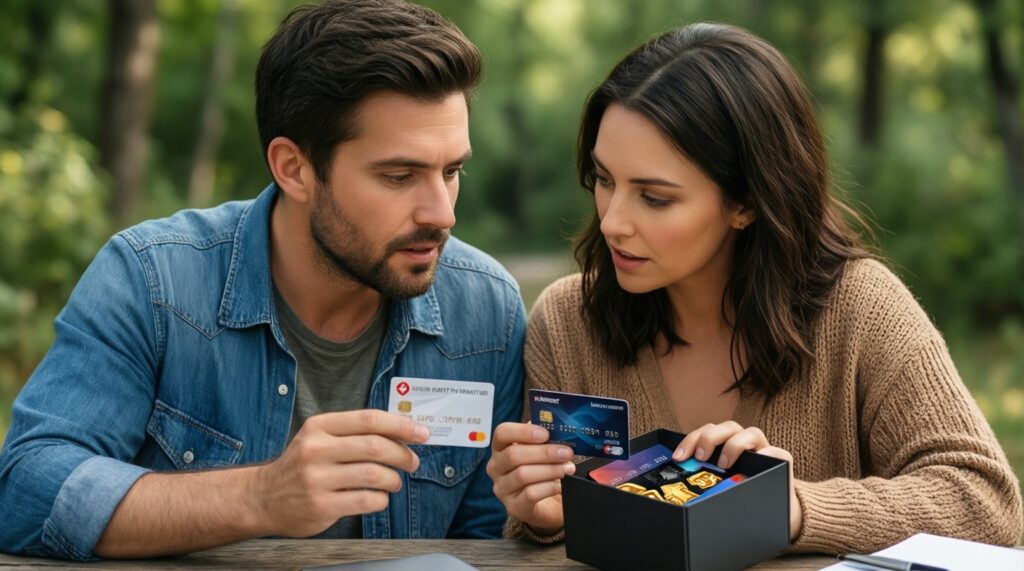
Agree on shared limits (time and money), remove stored payment methods, and focus on behaviors rather than blame. Replace loot box routines with other shared rewards.
What should I do if I already spent a lot?
Stop "chasing break-even," freeze payments, and set a recovery plan with caps and accountability. If it's causing harm, treat it like any other compulsive spending problem and seek professional support.