


To gamble more safely in gamer ecosystems (skins, loot boxes, and crypto betting), set hard money-and-time limits before you play, enforce them with platform controls and device-level blockers, and add friction like cooling-off and 2FA. Use separate budgets, capped sessions, and clear stop rules so chasing losses and impulsive spending become harder.
Core safety measures for in-game wagering
- Pre-commit to a weekly budget and a per-session cap, then stop automatically when either is reached.
- Separate "game money" from living money: distinct account/wallet, no overdraft, no credit.
- Use responsible gambling tools (deposit limits, loss limits, time-outs, self-exclusion) wherever available.
- Add friction: 2FA, withdrawal locks, spending blockers, and "no saved cards" policies.
- Track every top-up and trade; treat skins/crypto as money, not "items."
- Define red flags (tilt, chasing, secret spending) and trigger an immediate break.
Understanding risk profiles in skins, loot boxes, and crypto betting
Who this approach fits: players who already spend on games or occasionally bet with skins/crypto and want controls that reduce impulsive purchases, chasing, and account compromise.
When you should not do it: if gambling-like play is causing debt, hiding behavior, missed work/study, or you cannot follow a stop rule. In those cases, skip "tuning limits" and move straight to time-out/self-exclusion and external support.
- Skin betting: fast cycles and "item value" framing can hide real losses; scam/chargeback risk adds pressure.
- Loot boxes: spending is fragmented into small payments; "one more box" loops are common without loot box spending limits.
- Crypto betting: high volatility + 24/7 access makes boundaries harder; "crypto betting responsible gambling" needs extra friction (wallet separation, transfer delays, stable budgeting).
Setting personal financial boundaries: budgets, deposits, and session caps
Prepare these basics so you can set gambling limits online and actually enforce them:
- A fixed budget rule: pick a weekly amount you can lose without lifestyle impact; treat it as entertainment spend.
- Hard caps: per-session loss cap and a time cap (timer-based), plus a maximum number of "top-ups" per day.
- Separate funding rails: a dedicated e-wallet/sub-account or a separate bank account; a dedicated crypto wallet for betting only.
- Access control: remove saved cards, disable one-click buys, and ensure you can reach platform limit settings.
- Tracking method: a simple note/app ledger with date, platform, deposit, withdrawals, net result.
- Stop rules: "When I hit my limit, I stop-no exceptions, no switching games/sites."
Concrete limit examples (adjust to your reality): "Max 2 hours per session," "Max 1 deposit per day," "Stop after 3 loot box purchases," "Stop after my loss cap is reached," "No increasing stake size after a loss."
Practical tools: platform settings, spend blockers, and third-party apps
-
Map your spend surfaces first
List where money leaves your control: game store, marketplace, loot boxes, skin betting sites, exchanges, on-chain transfers. You can't manage risk if you miss one path.
- Include "hidden" paths: saved payment methods, mobile carrier billing, and in-app wallets.
-
Turn on platform limits where you gamble or buy
Enable any responsible gambling tools available: deposit caps, loss limits, wager limits, time limits, time-outs, self-exclusion. Set the lowest limits that still feel realistic, then tighten later.
- If a site claims to be among skin betting sites with responsible gambling, verify it actually offers enforceable limits (not just reminders).
- Prefer limits that cannot be increased immediately (increase takes effect later).
-
Create "two-wallet" separation for crypto
Use one wallet for holding and a separate "betting wallet" that only receives your pre-set weekly amount. This makes crypto betting responsible gambling practical by preventing accidental overspend.
- Only fund the betting wallet on a fixed schedule (for example, once per week).
- Do not keep exchange accounts logged in on your gaming device.
-
Enforce device-level friction with spend blockers
Use OS/app controls to block gambling categories, restrict app installs, or limit screen time during high-risk hours. This is your backstop when platform settings are weak.
- Remove stored payment methods from app stores and browsers.
- Use a separate browser profile without saved cards or autofill.
-
Implement "cooling triggers" tied to behavior
Define automatic actions when you notice tilt: close the app, log out, and start a time-out timer. Treat this as a safety protocol, not willpower.
- Examples: after any loss streak, after raising stakes, after buying beyond your loot box spending limits.
-
Track net results, not wins
Log deposits, withdrawals, and item sales at the end of each session. Tracking net results prevents "I won earlier" rationalizations and reveals creeping spend.
- Include fees and exchange spreads when you move crypto.
- Value skins/items conservatively; assume you cannot liquidate instantly at the displayed price.
Fast-track mode (3-5 steps)
- Pick one weekly entertainment budget and split it into per-session caps.
- Enable all available limit settings and time-outs; do not use services that lack enforceable controls.
- Separate funds: dedicated e-wallet/sub-account and a separate crypto betting wallet.
- Add friction: remove saved cards, enable blockers, and set a "stop now" rule when limits hit.
- Log net result after every session; tighten limits if you exceed them even once.
Recognizing behavioral red flags and triggers to intervene
- I extend sessions "just to get back to even."
- I increase stakes or buy more boxes after losses (chasing).
- I hide transactions or delete receipts/notifications.
- I feel relief only while wagering/opening boxes, then immediate regret.
- I switch platforms to bypass limits I set.
- I keep "valuing" skins/crypto as not-real money to justify spending.
- I play late-night or when stressed because it feels like an escape.
- I borrow, use credit, or sell important items to keep playing.
- I break my time cap repeatedly even when alarms go off.
Account-level protections: authentication, cooling-off, and recovery steps
- Setting limits that are easy to undo: avoid "instant increase" settings; choose limits that require a delay to raise.
- Keeping payment methods saved: saved cards and one-click buys turn impulses into transactions.
- No 2FA on key accounts: enable 2FA on email, game platform, wallet/exchange, and any marketplace.
- Same password reused across services: a compromise can cascade into item theft and forced losses.
- Staying logged in on shared devices: log out after sessions and avoid auto-login.
- Using "hot" wallets for everything: separate storage from spending; keep only your capped amount accessible.
- No recovery plan: document how to freeze accounts, revoke API keys, and contact support before an incident.
- Trying to "win back" after a breach: recovery comes first; do not wager to compensate for theft.
Leveraging community, support networks, and regulatory safeguards
- Accountability buddy: share your limits and ask for a check-in after each session; useful when you repeatedly override your own rules.
- Professional support: appropriate when gambling causes conflict, secrecy, or loss of control; get structured help rather than tweaking settings forever.
- Use regulated operators where possible: when you want stronger enforcement of time-outs/self-exclusion and clearer dispute channels.
- Community moderation and reporting: use platform reporting tools for scammy skin markets and predatory "limit-free" sites to reduce exposure.
Practical answers to common limit-setting dilemmas
How do I set gambling limits online if a site only offers reminders?
Use device-level blockers and payment friction (no saved cards, separate wallet) as the real enforcement. If you cannot enforce limits, treat the site as unsafe and stop using it.
What are the most useful responsible gambling tools for gamers specifically?
Deposit/loss limits, session time limits, cooling-off, and self-exclusion matter most. Pair them with spending separation (dedicated wallet/account) so limits can't be bypassed easily.
How should I define loot box spending limits without overthinking it?
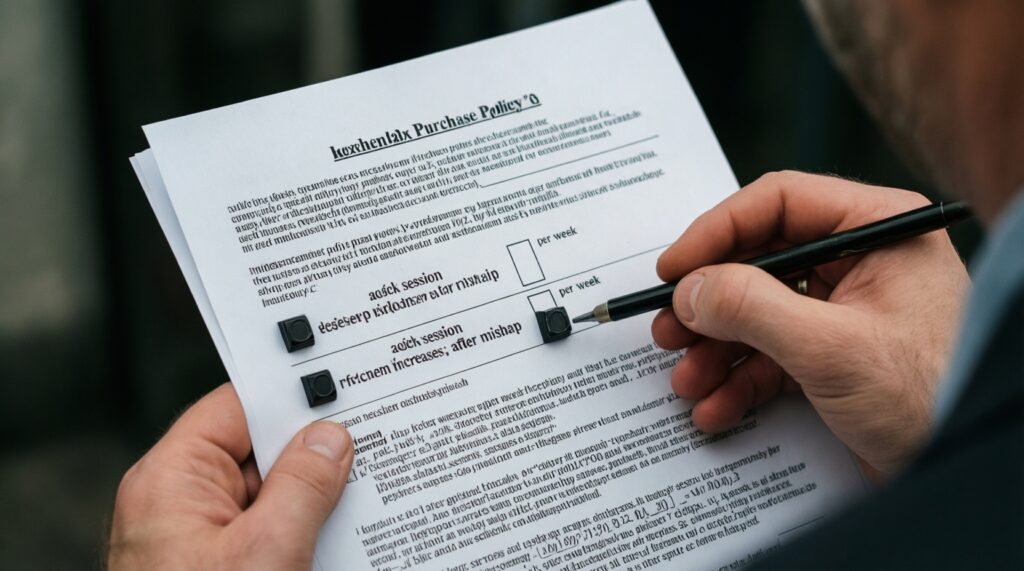
Cap both quantity and cost: "max X boxes per session" and "max Y per week." Add a rule that you do not increase the cap after a bad outcome.
What does crypto betting responsible gambling look like in practice?
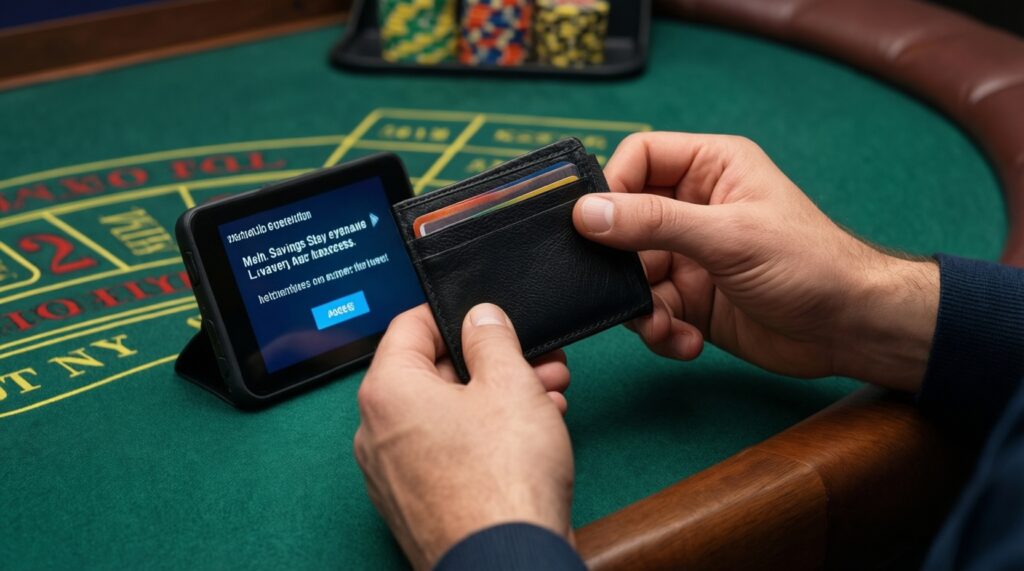
Use a betting-only wallet funded on a schedule with a fixed amount, and keep your main holdings separate. Avoid keeping exchange access on your gaming device to reduce impulsive re-funding.
How can I tell whether skin betting sites with responsible gambling are actually safer?
Check for enforceable limits (not just pop-ups), delayed limit increases, and clear cooling-off/self-exclusion. If limits are missing or instantly reversible, assume you must self-enforce with blockers or avoid the site.
I keep breaking my limits-should I just set higher ones?
No; breaking limits is a signal to add friction and reduce access (time-out, self-exclusion, remove funding methods). If breaking continues, involve external support and stop wagering until stability returns.