

Responsible gambling for gamers means treating loot boxes, gacha, and high-stakes competitive play like risk products: you set limits, watch for tilt and FOMO triggers, and stop before losses or spending become automatic. The practical goal is control: recognize the earliest warning signals, reduce exposure to scarcity prompts, and use simple rules to prevent relapse.
Essential Concepts: Tilt, FOMO, and Loot-Box Mechanics
- Tilt is a short-term loss of control after stress or setbacks; it shifts decisions from strategy to emotion-driven chasing.
- FOMO in gaming and microtransactions is engineered urgency: limited-time items, streaks, and social comparison that push spending "now."
- Loot boxes use variable rewards: unpredictable wins keep you opening, even when the expected value feels low.
- Near-misses (almost getting the rare drop) can feel like progress and trigger "one more try."
- Responsible play is pre-commitment: budgets, time caps, and friction (cooldowns) before you're tempted.
Recognizing Tilt: emotional and cognitive markers in play
Gaming tilt meaning and how to control it starts with defining tilt precisely: tilt is a temporary state where frustration, shame, or excitement overrides your usual decision process. It is not "being competitive" or "trying hard"; it's when your choices become reactive and you ignore your own limits.
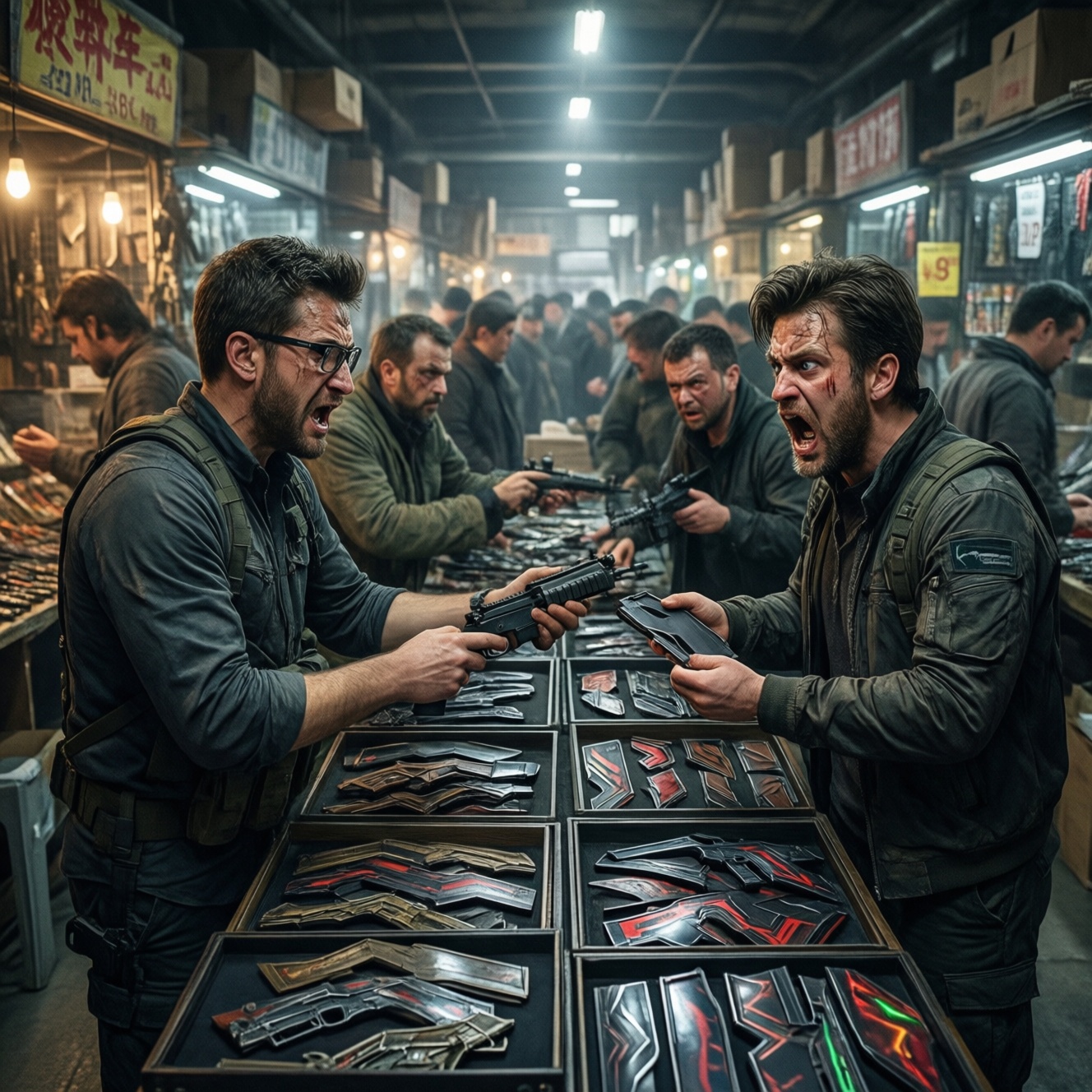
Common emotional markers include irritability, revenge intent ("I must get it back"), and numb grinding (playing or opening packs to stop feeling bad). A concise example: after two losses, you suddenly queue higher stakes or buy "just one bundle" to recover mood rather than improve play.
Cognitive markers are equally important: selective memory (remembering wins, discounting losses), time distortion ("only 10 minutes" turning into hours), and rule switching (breaking your own budget "just for today"). Tilt often ends when you add friction, not when you "calm down."
- Pause at the first revenge thought; take a 5-minute break before any purchase or ranked queue.
- Write one rule you will not break today (money or time) and keep it visible.
- If you feel "numb," switch to a non-monetized mode or stop for the session.
FOMO in Gaming Economies: triggers, social drivers, and scarcity cues
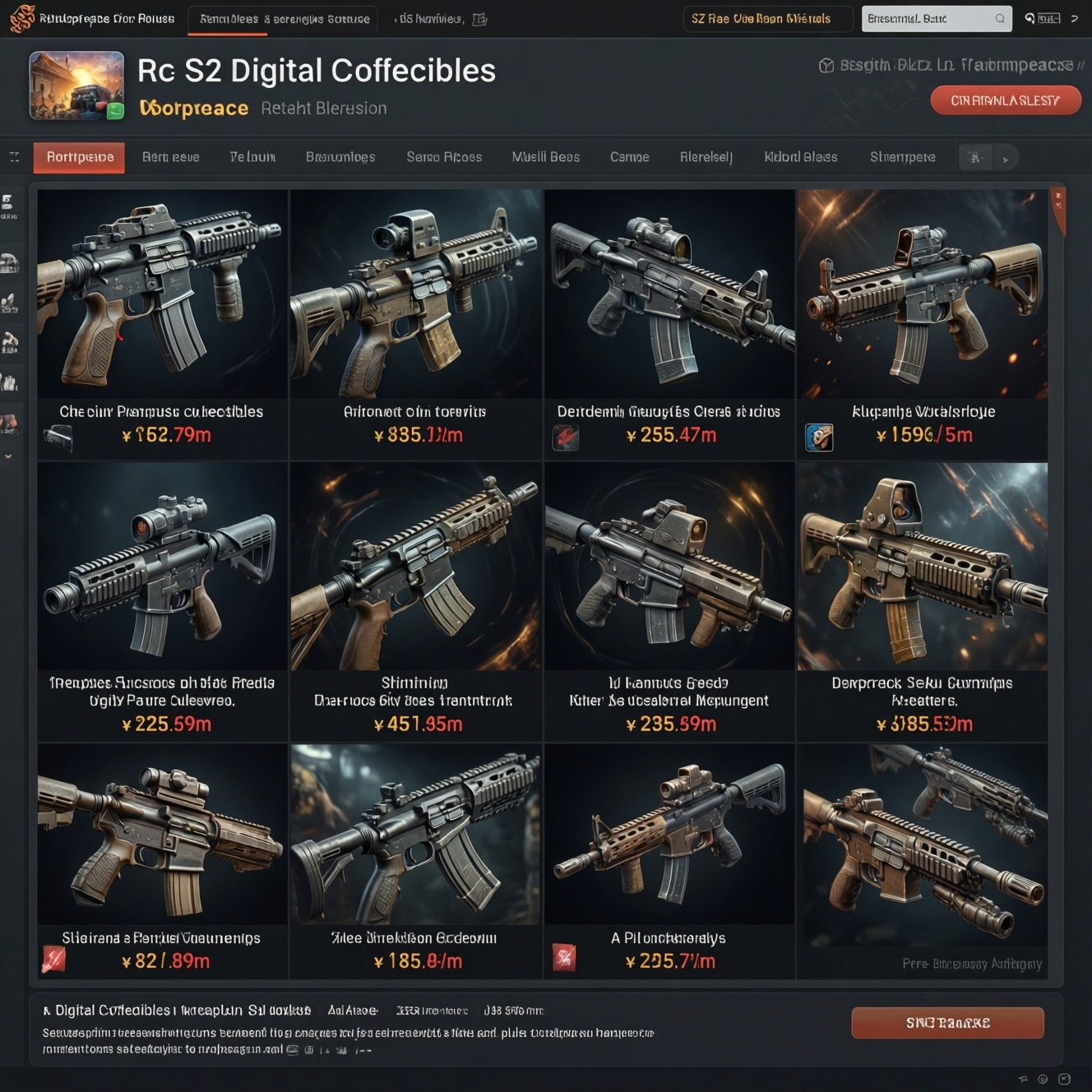
FOMO in gaming and microtransactions works by combining scarcity cues with social proof so that not buying feels like losing status or future power. Example: a "limited" skin plus a clan chat showing who already owns it.
- Countdown timers and "last chance" banners that convert hesitation into urgency.
- Rotating shops that create uncertainty: you can't predict when an item returns.
- Streaks (daily login, battle pass) where skipping feels like wasting prior effort.
- Social visibility: cosmetics, badges, and rank frames displayed to friends or teammates.
- Bundle framing: "best value" packs that push you above your intended spend.
- Power relevance: limited-time boosts that feel necessary to keep up competitively.
- Disable non-essential notifications (shop, events, "limited time") on your phone and in-game.
- Adopt a 24-hour rule for any purchase tied to a timer or a streamer recommendation.
- Unfollow one high-pressure feed (deal channels, whale showcases) for two weeks.
Loot-Box Addiction: variable rewards, near-misses, and reinforcement loops
Loot-box addiction is not "liking cosmetics"; it's a pattern where opening becomes compulsive, continues despite regret, and escalates to maintain the same excitement. Example: you promise "one pack," then keep buying until you hit a rare drop or run out of funds.
Typical scenarios where reinforcement loops appear:
- Event-exclusive drops: you open more because the pool closes soon, combining FOMO with randomness.
- Progress meters (pity/guarantee bars): you chase the finish line because stopping feels like wasting progress.
- Near-miss reels: animations that show the rare item almost landing, triggering "I was close."
- Loss-chasing bundles: after a disappointing opening, the shop offers "limited" discounted packs.
- Social openings: friends stream their wins, making your dry streak feel personal and fixable.
- Stop openings immediately after a near-miss; it's a high-risk moment for impulsive spending.
- Do not open while tired, angry, or after losses; schedule openings (or avoid entirely).
- Track "regret spend" in notes the same day, not later.
Measuring Risk: simple self-assessments and behavioral indicators
Risk checks are useful because they turn vague discomfort into observable signals you can act on. Their limitation is that they rely on honesty and can be distorted by tilt ("I'm fine") or by normalization in your friend group ("everyone spends"). Use them as early-warning tools, not moral judgments.
Quick self-assessments (fast, practical):
- After buying/opening, do you feel relief more than enjoyment?
- Do you hide spending or minimize it when asked?
- Do you escalate stakes/spend after losses to "fix" the session?
- Do you break a limit you set within the same day?
Behavioral indicators (more objective):
- Frequency creep: openings/purchases happen more often without added satisfaction.
- Budget drift: small buys turn into bundles "because it's efficient."
- Time displacement: sleep, work, study, or relationships repeatedly lose to events.
- Withdrawal signs: agitation when you cannot log in, open, or check the shop.
- Choose two indicators to monitor for 14 days (one money-related, one time-related).
- Share your chosen indicators with one trusted person for accountability.
- If you fail the same limit twice, treat it as a design problem: add more friction.
Practical In-Game Strategies to Minimize Harm

Practical harm reduction means changing defaults so you don't need willpower every session. It is also the most direct answer to how to stop spending money on loot boxes: reduce cues, increase friction, and make spending decisions occur outside the game loop.
Common mistakes and myths that keep players stuck:
- Myth: "I'll just be more disciplined." Reality: tilt and FOMO are state-based; your "disciplined self" isn't always in control.
- Mistake: saving payment methods (one-tap buy). Convenience is the enemy of deliberate choice.
- Myth: "Near-miss means I'm due." Reality: each opening is independent in practice; "due" thinking drives chasing.
- Mistake: opening during emotional peaks (after wins/losses, late-night). This trains the habit loop.
- Mistake: treating battle passes as sunk cost. Paying once does not obligate more time or money.
- Remove saved cards and require manual top-ups (even if it's annoying).
- Set platform-level spend limits or parental-style controls on your own account.
- Move openings to a planned window (or choose "no openings" weeks).
- Use a "cooldown rule": no purchases during or right after competitive play.
Escalation Paths: when to intervene and how to build a support plan
Escalate when you see repeat limit-breaking, secretive spending, or money harm (missed bills, borrowing, selling items). Example mini-case: a player in Thailand starts buying late-night gacha packs after ranked losses, then hides the THB total and wakes up anxious.
Use this simple plan (also useful when you need loot box addiction help):
- Stabilize (today): freeze spending by removing payment methods and uninstalling/locking the highest-risk game mode.
- Replace (this week): pick a non-monetized alternative activity for the same trigger window (after work, after losses, before bed).
- Support (this week): tell one person exactly what you're changing and what they should watch for (e.g., late-night purchases).
- Professional help (if needed): if you cannot stop despite harm, contact a qualified mental health professional; treat it like any other behavioral addiction.
IF you feel tilt OR you see a timer deal:
  wait 24 hours
  talk to an accountability person
  spend = 0 today
ELSE:
follow your pre-set weekly budget- Define your "red line" in writing (e.g., borrowing money, lying, missing obligations).
- Prepare a one-message script to send when urges spike ("I'm pausing purchases; please check in tonight.").
- Schedule one review day per week to assess spending and triggers outside the game.
Self-check before you play or purchase (30 seconds)
- Am I angry, stressed, or tired right now?
- Is this driven by FOMO (timer, streak, social pressure) rather than genuine value?
- Would I still buy it if I had to wait 24 hours?
- Have I already broken a limit once this week?
- Can I explain this purchase clearly to someone I trust?
Answers to Common Concerns About Risk, Control, and Recovery
Is tilt the same as being competitive?
No. Competition is goal-focused; tilt is reaction-focused and usually includes rule breaking (time, money, or behavior) to change feelings fast.
Why do limited-time events make me spend more than planned?
They combine scarcity cues with social proof, which intensifies FOMO in gaming and microtransactions and reduces deliberation time.
Does a pity/guarantee system reduce the risk of loot boxes?
It can lower uncertainty for a single target, but it also creates "progress pressure" that can increase chasing and sunk-cost thinking.
What is one immediate step for how to stop spending money on loot boxes?

Remove saved payment methods and require a manual top-up. The added friction interrupts impulsive buying during tilt or FOMO spikes.
When should I seek loot box addiction help beyond self-control tools?
When you repeatedly break limits, hide spending, or experience financial/relationship harm. Escalate quickly if urges feel compulsive or you cannot stop despite consequences.
Can I practice responsible gambling for gamers without quitting games entirely?
Yes. Start with strict spend/time limits, fewer triggers (notifications, deal feeds), and switching to non-monetized modes when you feel tilt.