

Steam item trading is safest when you treat every trade like a security transaction: harden your Steam account, verify the exact item and its properties (including float where relevant), track steam item prices from multiple live references, and refuse any off-platform pressure. Most losses come from steam trading scams that exploit rushed decisions, fake bots, and lookalike accounts.
Core Safety and Value Principles
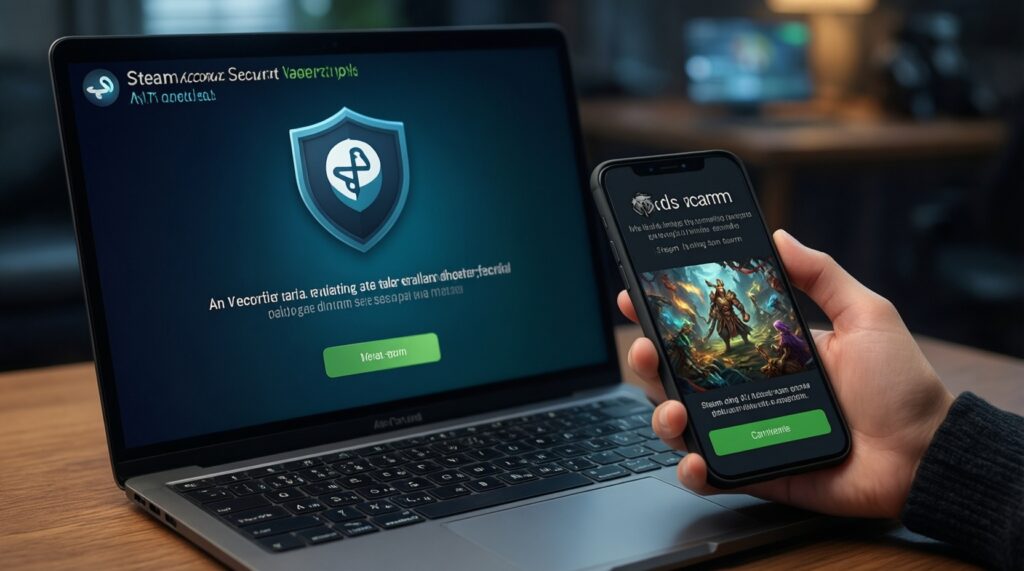
- Lock down your account first: Steam Guard Mobile Authenticator, strong password, and clean device/browser session.
- Confirm identity and trade context: profile history, level, inventory visibility, and consistent communication channel.
- Verify the exact asset: correct game, item name/variant, tradability/marketability, and special attributes (e.g., float for some skins).
- Price using multiple references and timing: compare steam market prices with recent external listings/trades before committing.
- Never move to "middlemen," gift-card verification, or screen-share "support"; those are classic scam funnels.
- Keep evidence: screenshots, chat logs, trade offer URLs, and item IDs for disputes and self-audits.
Setting Up a Secure Trading Environment
This workflow fits intermediate traders doing regular steam item trading (including steam trading skins) who want repeatable checks before sending trade offers. Skip trading if you cannot secure your account (no Steam Guard Mobile), if you are on a shared/public device, or if you feel rushed by deadlines, "limited-time" offers, or a third party claiming to be Steam staff.
- Good fit: you can verify items calmly, accept trade holds, and track value over time.
- Not worth it: you need instant cash-out, rely on random DMs, or cannot tolerate lock/hold periods.
- Harden access: enable Steam Guard Mobile Authenticator, review authorized devices, and revoke anything unfamiliar.
- Use a clean session: trade from a trusted browser profile; avoid unknown extensions and "inventory helper" add-ons you didn't audit.
- Restrict your attack surface: set inventory visibility consciously (public helps trust; private reduces targeting) and avoid linking personal info in your profile.
Verifying Item Authenticity and Float Values
You need (1) access to the item's inspection view where applicable, (2) the ability to open and review the exact Steam Trade Offer in your browser, and (3) a reliable way to compare steam item prices across recent activity. For some skins, you also need the inspect link/parameters to validate float and pattern, not just the visible wear label.
- Access: Steam account with trading enabled; ability to view item details and trade offer details.
- Tools (optional but useful): a reputable float/inspect checker, a price tracker that shows recent sales/listings, and a notes system for offer URLs and item IDs.
- Permissions: avoid logging into third-party sites unless you can verify the real Steam OpenID flow and domain.
| Check | How to verify (fast) | Common red flags |
|---|---|---|
| Trade partner identity | Open the profile from the trade offer; compare profile URL, level, and past aliases. | Lookalike name/avatar, "new" profile, mismatched URL, sudden alias changes. |
| Exact item match | Open each item details page; confirm game, variant, and any special tags/attributes. | Similar-looking item substituted; same icon but different variant; hidden stickers/charms misrepresented. |
| Tradable/marketable status | Check the item's restrictions and the trade hold warnings in the offer UI. | "It will unlock later" pressure; confusion around marketability vs tradability. |
| Float / pattern (when applicable) | Use the inspect view/link to validate float/pattern; compare to what was promised. | Only wear label shown; seller refuses inspect link; claims "same as" without proof. |
| Pricing context | Compare steam market prices with recent listings/trades on at least one other reference. | Outlier anchor price, cherry-picked screenshot, "price changed just now" with no verifiable trail. |
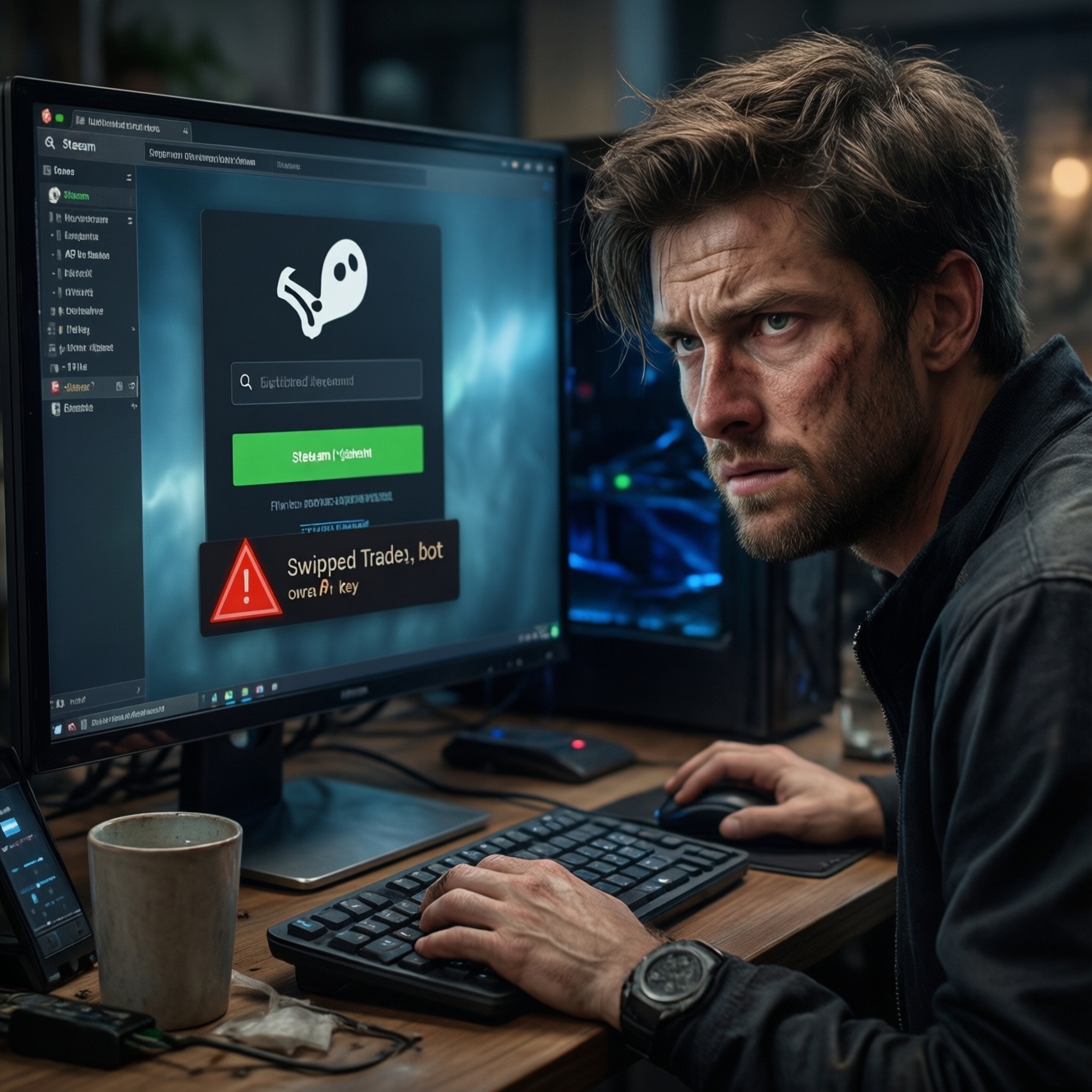
| Offer integrity | Review the final trade offer screen item-by-item before confirming in the authenticator. | Last-second swap; asks you to "confirm quickly"; claims a bot will "fix it after." |
Pricing Strategies and Real-Time Value Tracking
- Prices move with supply, hype, and time-of-day liquidity; treat any single snapshot as incomplete.
- Some items have premiums for float/pattern/stickers; "same name" does not equal "same value."
- Fees and spreads matter; your sellable value is usually below your best-case listing.
-
Define your pricing unit and exit path
Decide whether you value items by Steam wallet value (market sell) or by cross-market liquidity (tradeable value). Your unit affects how you interpret steam item prices and the discount you require when accepting items.
- If you plan to sell on the Steam Community Market, prioritize "net after fees" thinking.
- If you plan to keep trading, prioritize "how fast it trades at that value," not the highest listing.
-
Pull two independent reference points
Check steam market prices for current listings and recent activity, then cross-check with a second source (another tracker/marketplace) to spot manipulated or illiquid listings.
- Avoid pricing off the single cheapest listing if volume is thin.
- Be cautious with "rare" claims unless you can verify float/pattern demand.
-
Adjust for attributes and tradability constraints
Apply premiums/discounts for float/pattern/stickers and for any trade holds or restrictions that reduce immediate liquidity. If an item is not instantly tradable, price it as "capital locked," not "cash equivalent."
-
Set a spread rule before negotiating
Pre-commit to a minimum edge (your safety buffer) to handle sudden moves and mispricing. This reduces mistakes caused by negotiation pressure.
- Example rule: require a buffer when accepting multiple small items for one high-value item.
- Example rule: avoid "all-in" on a single illiquid skin even if the screenshot looks profitable.
-
Record the offer and validate at confirmation time
Save the trade offer URL and a snapshot of the item list, then re-check the final offer screen before you approve in the mobile authenticator. Many steam trading scams rely on last-second swaps between "agree" and "confirm."
-
Use lightweight automation for tracking (optional)
If you manage many items, automate alerts and snapshots to avoid manual errors. Keep automation read-only unless you fully understand the bot/account permissions.
- CLI-style workflow idea: "pull price snapshot → store timestamp → compare delta before trade."
- API-style workflow idea: read inventory and market history, then flag outliers for manual review.
Recognizing and Avoiding Scam Patterns
- Trade only via Steam Trade Offers; refuse "verification trades" and "temporary holds with a middleman."
- Never scan QR codes or approve logins you didn't initiate; re-check the domain before signing in.
- Re-open the trade offer from your own browser bookmarks/history, not from a stranger's link.
- Confirm the partner's profile URL and aliases match what you saw earlier in the chat.
- Review every item on the final confirmation screen; watch for substituted variants.
- Do not accept time pressure, threats, or "ban warnings"; Steam staff do not negotiate in DMs.
- Avoid screen-sharing during trades; it enables social engineering and session theft.
- Be suspicious of "bot escrow" or "API key check" sites; treat them as hostile until proven otherwise.
- If the deal is "too good," assume it's a setup for one of the common steam trading scams.
Dispute Resolution, Chargebacks and Trade Holds
- Trying to reverse a completed trade: once confirmed, Steam trades are typically final; act before confirming, not after.
- Confusing market listings with trades: selling on the market is not the same as item-for-item trading; the protections and outcomes differ.
- Ignoring trade-hold warnings: holds change timing and risk; don't treat held items as immediately liquid value.
- Accepting off-platform payments as "safe": chargebacks and fraud disputes can leave you without item and without money.
- Not preserving evidence: missing trade offer URLs, profile links, and chat logs reduces your ability to report and to learn from incidents.
- Approving without re-checking items: the last screen is where swaps matter; train yourself to do a final item-by-item scan.
- Over-trusting "reputable groups" screenshots: impersonators reuse badges and copied profile layouts.
Automating Workflows: Bots, APIs and Market Integrations
- Read-only price monitoring: best when you track many items and only need alerts (spikes, drops, spread changes). Keep it separate from trading permissions.
- Inventory reconciliation scripts: useful to detect unexpected inventory changes and confirm what you received after steam item trading sessions.
- Trade-offer templating: appropriate for repeatable, low-variance swaps; still requires manual final review to prevent swaps and misclicks.
- Full trading bots: only when you can manage secrets, API keys, and operational security; avoid if you cannot audit logs and restrict permissions.
Practical API hygiene: store secrets outside code, rotate keys after any suspicious login, and keep bot accounts isolated from your main inventory.
Common Trader Concerns
Is steam item trading safe if I only trade with "trusted" Discord users?
It's safer than random DMs, but impersonation is common. Always verify the profile URL and confirm the trade offer contents inside Steam, not in screenshots.
What's the fastest way to check steam market prices before a trade?
Open the item's market page and compare current listings with recent activity, then cross-check with one independent tracker to catch thin-liquidity outliers.
Do float values really affect pricing for steam trading skins?
Yes for items where float/pattern drives collector demand. Treat float as a separate attribute you must verify from the inspect view/link, not from the wear label alone.
Why do scammers ask me to "verify" my items with a bot?

"Verification" is a common pretext to make you send items first or to log into a phishing site. Legitimate trades do not require you to hand items to a third party.
Can Steam Support recover my items after steam trading scams?

Generally, prevention is the only reliable protection; completed trades are hard to reverse. Report the account, secure your credentials, and document the offer URLs immediately.
Should I accept off-platform payments for items?
Only if you fully understand the chargeback and fraud risk and can handle disputes. For many traders, item-for-item trading or on-platform selling is operationally safer.
What should I do if I notice a trade hold or restriction mid-deal?
Pause and re-price the deal as "capital locked," then renegotiate or walk away. Do not let the other party pressure you to confirm despite restrictions.