

Gambling regulations for game mechanics vary by country, but most regulators assess the same core elements: whether players pay, whether outcomes depend on chance, and whether rewards have real-world value. To choose the best approach, pick a "strictest-common-denominator" design for global launches, or geo-fence higher-risk mechanics to jurisdictions with clearer licensing paths.
Regulatory Highlights at a Glance
- Most "gambling laws by country" hinge on three tests: consideration (payment), chance, and prize/value.
- Loot boxes, gacha, and randomized monetization draw the most scrutiny under "gambling regulations for video games".
- "Online gambling regulations by country" often treat real-money casino-style games as a separate, heavily licensed category.
- "Online casino legal countries" is not the same as "loot boxes allowed"; countries may allow one and restrict the other.
- When asking "is online gambling legal in my country", you must separate: (a) gambling services, (b) game monetization, (c) prize promotions.
- The lowest-risk global pattern is: no real-money cashout, transparent odds, no pay-to-randomize, strong age-gating, and clean separation from gambling branding.
How Game Mechanics Are Classified Under National Gambling Laws
Across jurisdictions, regulators tend to classify a game feature as gambling-like (or not) using a consistent set of criteria. Use the checklist below before you ship, localize, or market any randomized or prize-based mechanic.
- Consideration: Does the player pay money (or money-equivalent) to participate, reroll, open, or upgrade?
- Chance dominance: Is the outcome primarily random, or can skill meaningfully control results?
- Prize/value: Can the player obtain something of value (cash, cash-equivalent, or tradable items) as a result?
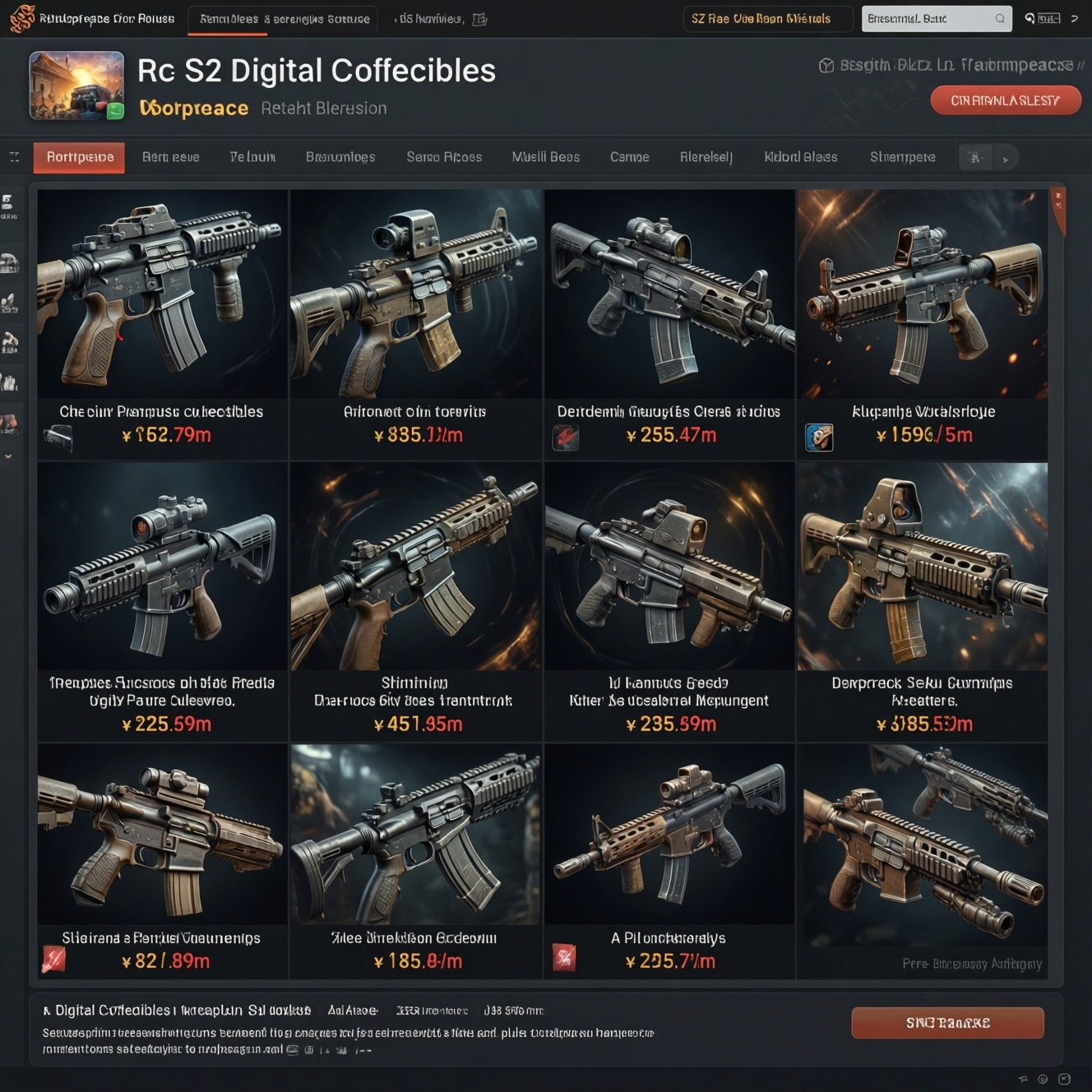
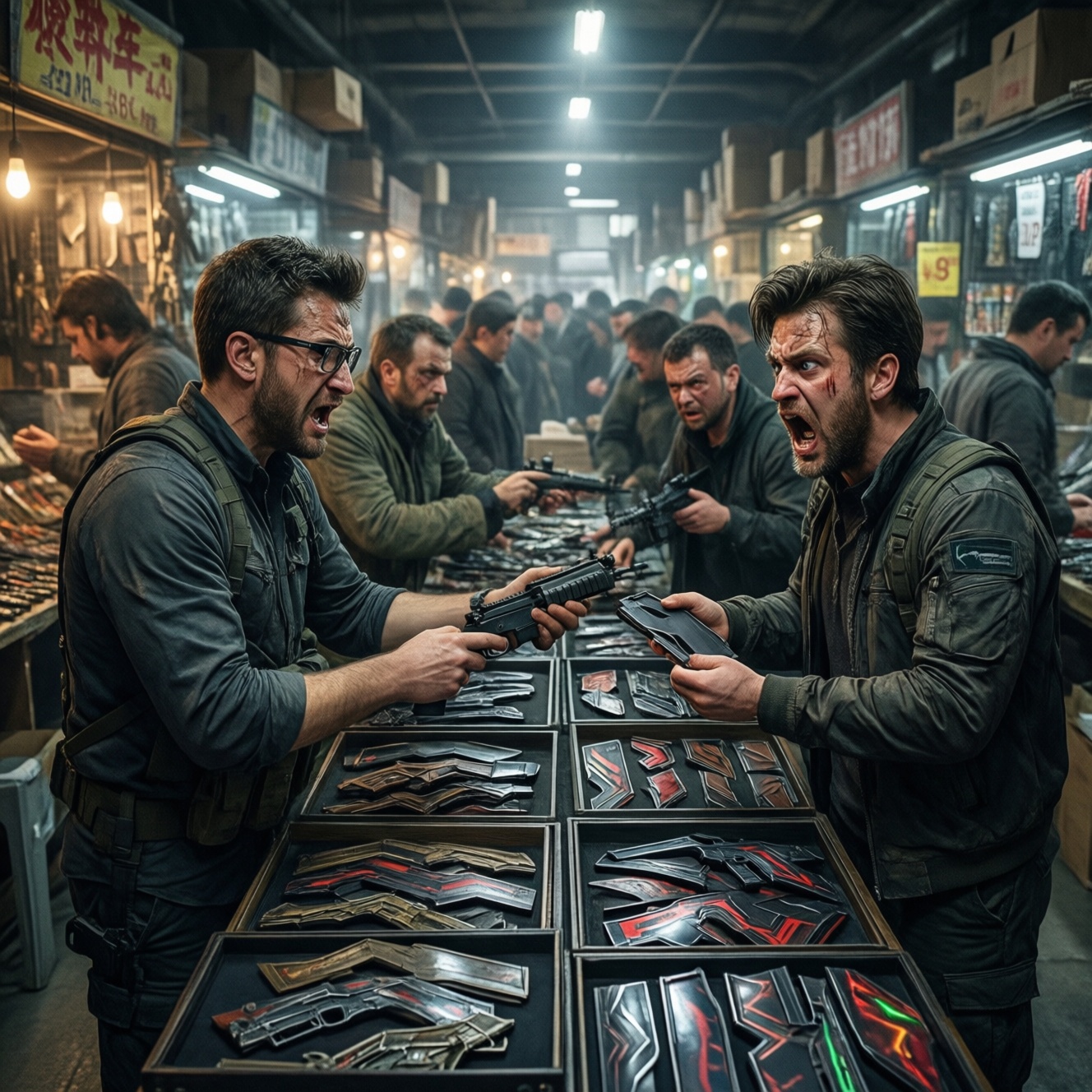
- Cashout and secondary markets: Are items transferable, tradable, sellable, or convertible to money (officially or via tolerated gray markets)?
- Odds disclosure and transparency: Are drop rates shown, stable, auditable, and consistent with what is marketed?
- Near-miss and casino-like presentation: Do animations, sounds, or UI mimic slots/roulette, or emphasize "almost won" patterns?
- Targeting and vulnerability: Are minors or vulnerable users targeted via marketing, influencers, or time-limited pressure?
- Repeatability and spend velocity: Can users rapidly re-purchase spins/boxes, or is there friction (cooldowns, caps, spend limits)?
- Operator control and fairness: Can the publisher change odds dynamically, segment users, or personalize RNG outcomes?
Player lens: If you can pay to trigger randomness and receive something you can sell or cash out, your country may treat it closer to gambling than "just a game."
Developer lens: If you must support many markets, design for the strictest interpretation and relax only where you have a clear legal basis.
Regulator lens: The closer your mechanic looks like wagering for a prize, the more likely it is to be treated under gambling controls rather than standard consumer protection.
Comparative Table: Country-by-Country Rules for Mechanics and Monetization
This section helps you choose a rollout pattern. The first table compares practical release options. The second provides a high-level country-by-country orientation for common mechanics. Because "online gambling regulations by country" change frequently and can be enforced differently in practice, treat this as planning guidance and validate with local counsel before launch.
| Option | Who it fits | Pros | Cons | When to choose |
|---|---|---|---|---|
| Global "No-Cashout, No Pay-to-Randomize" build | Studios shipping worldwide; live-service games; smaller legal budgets | Lowest cross-border risk; easier platform approvals; simpler messaging | Lower ARPPU potential; requires rethinking gacha/loot monetization | When you want one build for many markets and can't maintain per-country monetization variants |
| Geo-fenced loot boxes with enhanced transparency | Mid-size publishers that can maintain regional configurations | Preserves monetization where tolerated; aligns with transparency expectations | Still sensitive in some markets; requires strong compliance ops (odds, logs, audits) | When you can segment by country and you're confident your design avoids cashout pathways |
| Skill-based competition with prizes (tournament model) | Esports-like games; competitive communities; ad-driven titles | Often more defensible than pure chance; clearer player value proposition | Harder to prove "skill predominates" everywhere; prize promotions can trigger local rules | When gameplay outcomes are demonstrably skill-led and you can document anti-cheat and fairness |
| Licensed real-money gambling product (casino/sportsbook) | Operators or studios partnering with licensed entities | Highest monetization ceiling in "online casino legal countries"; clear regulatory lane where licensed | High compliance burden; marketing and KYC/AML constraints; limited jurisdictions | When your core product is real-money wagering and you can commit to licensing and ongoing audits |
| Cosmetic-only monetization (battle pass, direct purchase) | Games prioritizing retention, brand safety, and youth audiences | Very low gambling-like exposure; easier to support minors responsibly | Requires strong content pipeline; less "whale" revenue leverage | When your audience includes minors or you want minimal exposure to gambling classifications |
Orientation matrix (high-level, non-exhaustive)
| Country/Region (example) | Mechanic in question | Monetization model | Likely regulatory framing | Age sensitivity | Enforcement risk (practical) |
|---|---|---|---|---|---|
| Thailand (TH) | Loot boxes / gacha; prize promotions; casino-like minigames | IAP for randomized rewards; or cash prizes | Often scrutinized when it resembles wagering or promotes gambling behavior; cashout increases risk | High, especially where minors can spend | Medium to high if casino-like presentation or cash-equivalent prizes |
| United Kingdom (UK) | Loot boxes; skins trading | IAP + tradable items | Focus on whether items are "money's worth" via trading/cashout; consumer protection also relevant | High; strong expectations for child protections | Medium; increases with cashout ecosystems and marketing claims |
| United States (US, state-by-state) | Social casino; sweepstakes; paid-entry competitions | Coins/credits; "free" entry alternatives; prizes | Highly jurisdiction-specific; skill vs. chance tests and promotion rules vary by state | High; strict age gating for wagering-like products | Medium to high if prizes/cash equivalents and paid participation |
| Japan (JP) | Gacha; "complete set" mechanics; prize promotions | Paid random draws; collection incentives | Strong attention to consumer protection and promotional restrictions; certain patterns are especially sensitive | High; expectations for clear disclosures | Medium; rises with aggressive collection pressure and opacity |
| Australia (AU) | Loot boxes; simulated gambling | IAP + randomized rewards; casino-like simulations | Attention to gambling-like content and harm minimization; classification/ratings can be decisive | High; ratings and youth exposure matter | Medium; increases with casino presentation and rapid repeat spend |
| EU examples (e.g., Germany/Netherlands) | Loot boxes; cashout skins | IAP + tradable items | Mix of gambling analysis and consumer law; some markets are stricter when real-world value exists | High; strong expectations around minors and transparency | Medium to high depending on cashout and marketing to minors |
Player lens: If you travel, "is online gambling legal in my country" can change your access to casino-style apps, but your game's loot boxes may be treated differently from online casinos.
Developer lens: Build a country switch early: item tradability, odds display, spend caps, and age gates should be configurable without a full client rebuild.
Regulator lens: The same mechanic may be treated as gambling, a consumer protection issue, or a ratings issue depending on local definitions and enforcement priorities.
Age Restrictions, Skill vs. Chance Tests, and Legal Thresholds

Use scenario rules to pick a safer design path across "gambling laws by country" where definitions and thresholds differ.
- If minors can access the mechanic, then avoid pay-to-randomize, remove casino-style presentation, and default to cosmetic-only rewards with clear purchase confirmations.
- If you claim "skill-based" outcomes, then document how skill predominates (matchmaking, anti-cheat, deterministic scoring) and avoid hidden RNG that materially affects prizes.
- If rewards can be traded, gifted, or sold (even off-platform), then treat them as potentially having real-world value and redesign to restrict transferability or remove paid randomness.
- If you offer prizes (cash, gift cards, crypto, valuable goods), then structure it like a compliant promotion: clear rules, eligibility checks, and separation from paid chance where required.
- If you operate a "social casino" with purchasable credits, then ensure players cannot cash out and ensure marketing does not imply real winning-some countries may still view it as gambling-like.
Player lens: A game can be rated or restricted even without cashout if it encourages gambling-like behavior, especially for underage users.
Developer lens: When in doubt, treat "chance + payment + prize/value" as the high-risk combination and break at least one element.
Regulator lens: Age gating is not only a UI prompt; regulators expect controls that meaningfully prevent minors from spending and being targeted.
Licensing, Enforcement Practices, and Developer Liability
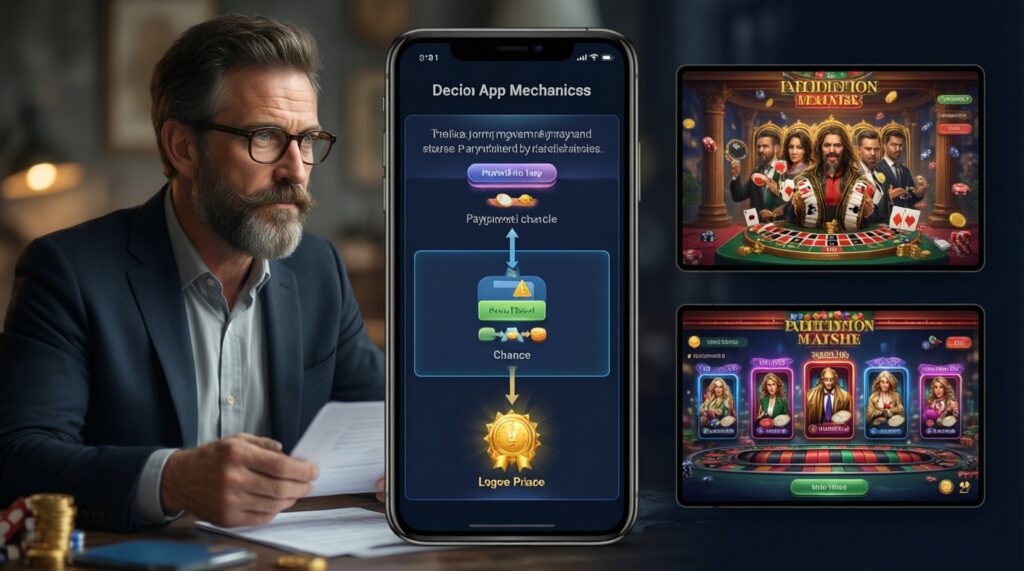
Use this quick decision algorithm to decide whether you need to redesign, geo-fence, or pursue a licensing path. This is particularly important when your feature set starts resembling products in "online casino legal countries".
- Map every mechanic to the three-part test: payment, chance, prize/value (including tradability and third-party markets).
- List target countries and identify which features are uniform vs. configurable by region (server flags, catalog, drop tables).
- Decide your posture: (a) strict global baseline, (b) geo-fenced higher-risk features, or (c) licensed gambling offering.
- Assess enforcement exposure: local language marketing, local payment rails, local influencers, and local customer support increase nexus.
- Set operational controls: odds disclosure, change logs for drop rates, player spend limits, cooling-off, refunds, and complaint handling.
- Clarify liability boundaries with partners: platform, publisher, payment provider, and any item marketplace operator.
- Get a local legal read for the top revenue countries before launch, then re-check on major content updates.
Player lens: If a game is blocked or features disappear after an update, it often reflects enforcement risk management rather than a pure product decision.
Developer lens: "Online gambling regulations by country" can be triggered by marketing and payments as much as by code-ads and influencers matter.
Regulator lens: Liability can attach to whoever effectively operates the scheme: setting odds, taking payment, controlling distribution, or enabling cashout.
Design Compliance: Practical Changes to Avoid Gambling Triggers
These are common mistakes that push a mechanic from "monetization" into "gambling-like," increasing risk under gambling regulations for video games.
- Allowing paid randomized rewards while also enabling item trading/cashout (directly or via tolerated third-party markets).
- Using slot-machine UI patterns (reels, "spin" metaphors, near-miss animations) for monetized RNG.
- Hiding or frequently changing drop rates without clear disclosure and player-visible history.
- Offering limited-time "panic" bundles that combine RNG with high-pressure countdowns and aggressive push notifications.
- Letting minors access spending-heavy RNG loops without robust age gating and spend controls.
- Marketing language that implies real profit, "easy money," or investment-like returns from items.
- Blurred currencies (one currency buys a chance, another converts to value) that obscures real cost.
- In-game events that effectively become wagering (pay entry, chance-heavy outcome, prize of value) without promotion compliance checks.
- RNG that is personalized per user segment without clear fairness justification, auditability, and disclosure.
- Customer support scripts that treat gambling-like harms as standard churn issues (no escalation path for vulnerable users).
Player lens: If you feel pushed to "just try one more," the mechanic is probably designed like gambling-reporting tools and parental controls matter.
Developer lens: The easiest risk reduction is to remove cashout value and paid randomness from the same loop.
Regulator lens: Transparency and harm minimization are increasingly expected even when a feature is not formally labeled as gambling.
Case Studies: Enforcement Actions, Rulings, and Precedents
For a broad international release, the best fit is usually a global baseline that avoids paid randomness tied to value, because it remains resilient as gambling laws by country evolve. For higher monetization where you can sustain legal and operational overhead, the best fit may be geo-fenced configurations or a licensed path in online casino legal countries, supported by strong compliance and marketing discipline.
Player and Developer Questions Addressed
Are loot boxes always illegal gambling?
No. Many countries assess whether there is payment, chance, and a prize with real-world value; loot boxes become riskier when items are tradable or cashout is possible.
How do I know "is online gambling legal in my country" versus whether a game's loot boxes are allowed?
They are often regulated differently. Online gambling legality usually targets wagering services, while loot boxes may fall under gambling-like analysis, consumer protection, or age-rating rules.
What makes an item "valuable" for gambling analysis?
If it can be exchanged for money or money's worth-especially via trading or secondary markets-regulators may treat it as a prize of value even if the game does not officially support cashout.
Do disclosed drop rates make loot boxes compliant?
Odds disclosure helps but does not eliminate risk. If paid chance leads to valuable rewards or gambling-like presentation, the mechanic may still be challenged under gambling regulations for video games.
Can we call our game "skill-based" to avoid gambling rules?

Labels don't control outcomes. You need evidence that skill predominates and that chance is not the main driver of winning prizes or value.
Are "online casino legal countries" safe for any gambling-like game feature?
No. A country may license online casinos yet still scrutinize game-like monetization such as loot boxes, especially for minors and consumer transparency.
What's the lowest-risk monetization pattern across online gambling regulations by country?
Direct purchase of known content (cosmetics, battle passes) with strong age controls is typically lower risk than paid randomness, particularly when items are non-transferable.