
Near misses and limited drops keep players spending by blending uncertainty, perceived progress, and time pressure into repeatable purchase loops. In loot systems, a "near miss" feels like you almost won, while scarcity frames items as fleeting and valuable. Used well, these mechanics improve engagement; used poorly, they trigger distrust, churn, and regulatory risk.
Core Psychological Drivers Behind Loot Systems
- Perceived momentum: outcomes are framed as "getting closer," even when odds are unchanged.
- Variable reinforcement: unpredictable rewards keep attention and repeat attempts.
- Scarcity heuristics: "limited" signals value and urgency without changing utility.
- Loss aversion: players act to avoid missing a window rather than to gain a reward.
- Identity attachment: cosmetics and rares become status markers and self-expression.
- Commitment escalation: prior spend and time increase willingness to "finish the set."
Debunking Myths: What Near Misses Really Do
A near miss is an outcome intentionally presented as "close to a win" (e.g., two matching symbols and a third just above the payline; a gacha animation that reveals a top-tier silhouette but resolves into a lower tier). It's not simply "bad luck"-it's a presentation layer that alters how failure feels.
Myth: near misses increase spending because they "prove the player is due." In reality, they often increase persistence by making failure feel informative ("I'm almost there") rather than random. This is closely related to the near miss effect in gambling, but game contexts vary because players may also chase collection goals, cosmetics, or power.
Myth: more near misses always means more revenue. Overuse can look rigged, especially in communities already primed to distrust loot boxes psychology. Near misses work only when players still believe the system is coherent, fair enough, and worth continuing.
Mechanics of Near Misses: Design Patterns and Metrics
- Reveal choreography: long animations, escalating audio, and "almost legendary" UI cues that resolve into a common result.
- Partial set completion: dropping fragments, duplicate tokens, or "2 of 3" components that imply proximity.
- Progress meters that aren't odds: bars that fill on failures (or on spend) but don't transparently communicate probability.
- Miss-by-one outcomes: crafting recipes or upgrade rolls that fail narrowly (e.g., 95% success UI without true 95% odds).
- Personalized timing: triggering near-miss presentations after a session dip or just before a likely logout moment.
- Social comparison: feeds showing others' "almost" outcomes and wins to normalize continued attempts.
Quick validation checklist (so you don't accidentally create "rigged" vibes)
- Can a player explain what happened without feeling tricked?
- Does the near-miss presentation match the actual underlying RNG outcome category?
- Is there a clear stopping point (pity, cap, or alternative earn path) visible in the UX?
- Do support tickets/complaints spike after near-miss-heavy events?
Scarcity Signals: How Limited Drops Manipulate Perceived Value
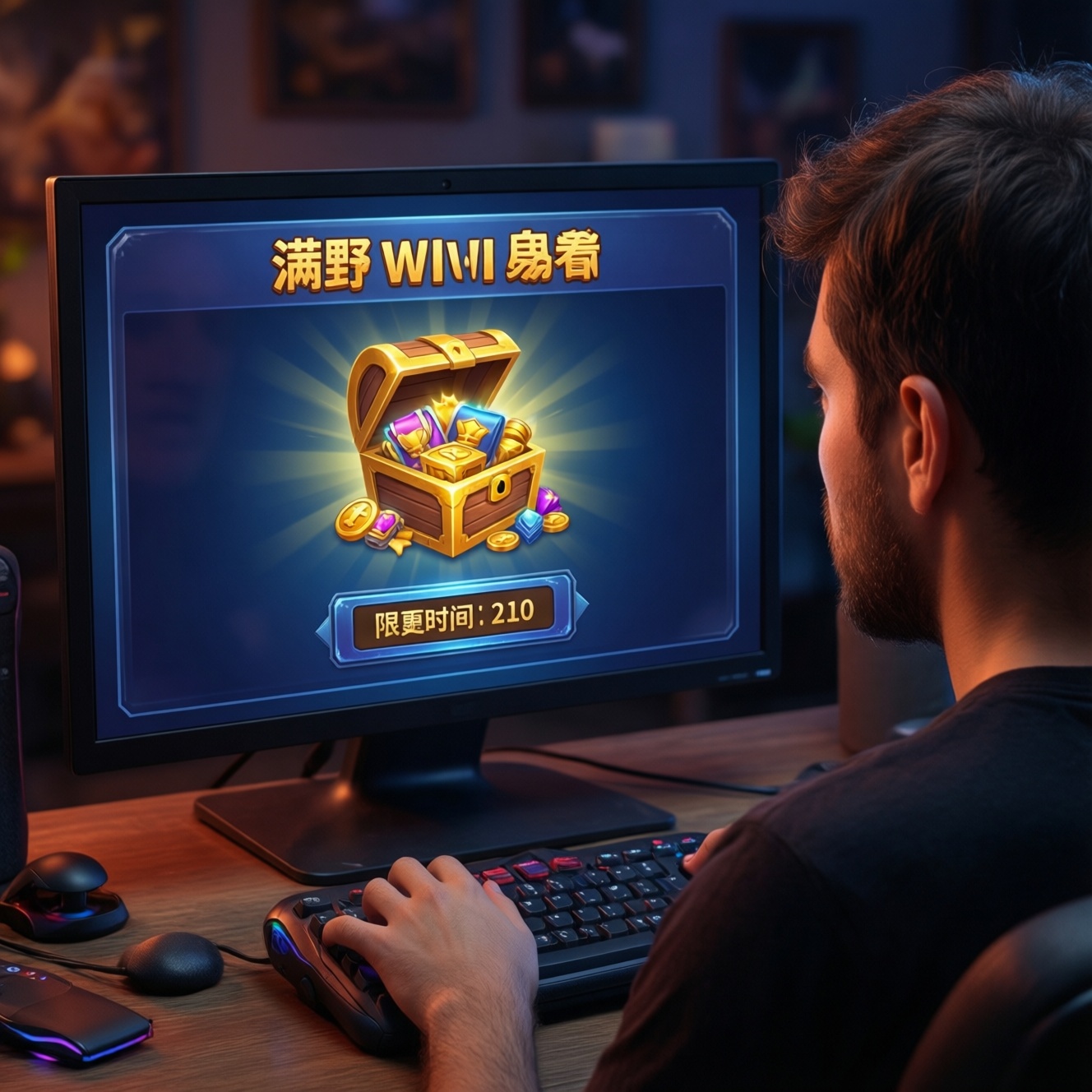
Scarcity mechanics convert time into perceived value. In practice, they're often bundled with limited time offers in games so that the player must decide under a deadline, not under reflection.
- Rotating shops: items appear briefly, then vanish "for an unknown time," pushing impulse decisions.
- Event-exclusive pools: a "festival banner" or "seasonal chest" that temporarily changes what's possible to obtain.
- Limited quantities (global or local): "only X available" messages, even if the cap is per-player.
- Bundle-only exclusives: a cosmetic can't be purchased directly, only via a pack during the window.
- Countdown boosts: last-day multipliers or "final hours" reminders that accelerate purchasing.
Common implementation mistake to prevent quickly
- Fake scarcity: repeating "limited" items too frequently teaches players to wait, weakening urgency over time.
- Unclear rules: players don't know if the item returns, whether pity carries over, or what duplicates do.
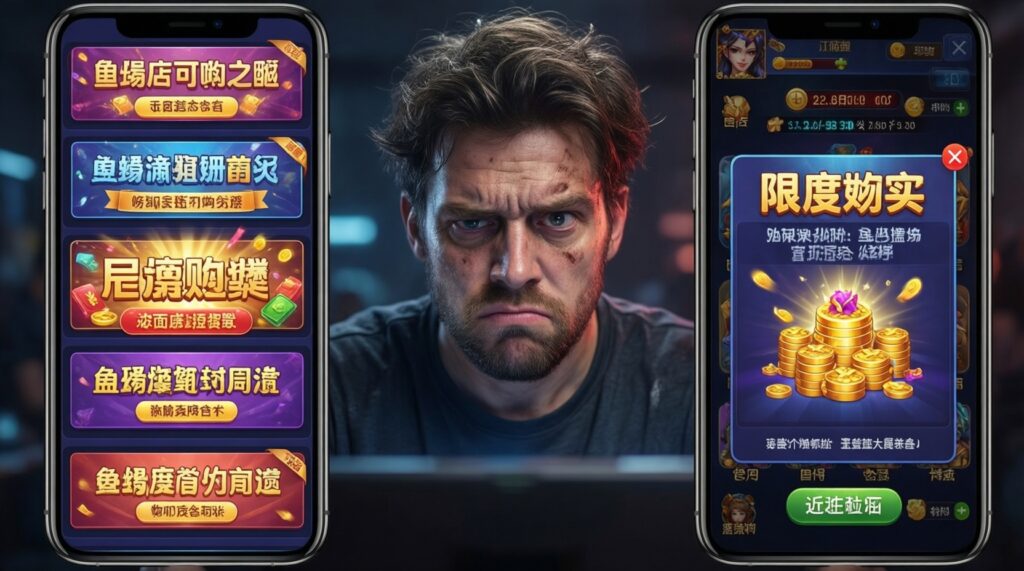
- UI pressure stacking: combining countdown + popups + near-miss reveals can feel coercive and prompt refunds.
Emotional Pathways: Dopamine, Uncertainty, and Persistence
Uncertainty amplifies attention: the brain treats "maybe" as more engaging than "no." Near misses add a sense of progress, while scarcity adds urgency-together they produce longer sessions and more purchase attempts. The upside is engagement; the downside is fatigue, resentment, and overspend risk.
Upsides when used with restraint
- Motivation without guaranteed rewards: players feel a reason to continue a session.
- Moments worth sharing: dramatic reveals can generate social content.
- Clear event rhythms: limited drops help structure seasons and collections.
Limitations and failure modes
- Habituation: repeated hype cues lose impact; players skip, auto-open, or disengage.
- Attribution shift: players stop blaming luck and start blaming the developer.
- Churn triggers: missed windows can create "I'm behind forever" feelings, especially in competitive metas.
- Spend regret: near misses can push short-term conversion but increase refund attempts and negative reviews.
Monetization Strategies: Translating Psychological Levers into Revenue
Near misses and scarcity are tools inside broader game monetization strategies. Teams usually fail not because the mechanic "doesn't work," but because they use it as a blunt instrument. If your goal is how to increase in-app purchases in games, the fastest wins often come from reducing distrust and improving decision clarity, not from adding more pressure.
- Mistake: optimizing for attempts, not satisfaction. Prevention: track post-purchase sentiment signals (refund reasons, CS tags) and cap near-miss intensity per session.
- Mistake: hiding rules behind vague UX. Prevention: clearly show what duplicates do, whether pity exists, and what carries over across banners.
- Mistake: stacking pressure layers. Prevention: do not combine aggressive countdowns with heavy near-miss choreography in the same flow; pick one primary lever.
- Mistake: turning scarcity into punishment. Prevention: offer alternate earn paths (crafting, exchange, long-tail reruns) so "missed it" doesn't mean "never."
- Mistake: misaligned pricing and perceived value. Prevention: ensure the "expected experience" matches the pitch; bundles should reduce choice fatigue, not hide true cost.
Fast guardrails you can ship without rewriting the economy
- Add an explicit "what you can get" panel with tiers and duplicate handling.
- Put a visible stopping rule (cap, pity, exchange) near the purchase button, not buried in help text.
- Rate-limit high-arousal animations; allow a calm, fast-open mode by default after repeated opens.
- Make event rerun policy clear (even if it's "may return") to reduce panic spending.
Ethics and Regulation: Responsible Limits for Loot Design
In Thailand (and globally), the practical risk isn't only legal; it's reputational. Responsible loot design means reducing avoidable harm while preserving excitement: transparent rules, reasonable caps, and friction against spiraling spend-especially when near-miss presentation is strong.
Mini-case: "Festival Banner" without coercive stacking
Scenario: you want a seasonal gacha with a rare skin. The safe approach is to keep scarcity in the calendar while keeping near-miss presentation honest and bounded.
// Pseudocode guardrails for a limited banner
if (banner.isLive) {
  showOddsAndDuplicateRules();        // visible in the draw screen
  showCarryOverPolicy(banner);        // pity/exchange carryover stated
  capHighArousalReveals(perSession);  // limit near-miss-style reveals
  if (player.opensRepeatedly) enableFastOpenByDefault();
  offerExchangePath(tokens, featuredItem);  // deterministic exit
  avoidPressureStacking();            // no extra popups on last-hour + near-miss
}- Practical test: if a player screenshots the draw screen, do they have enough information to understand cost, limits, and outcomes?
- Team rule: treat near-miss choreography as "emotional intensity," and budget it like any other risk.
Common Practitioner Questions on Loot Psychology
Is a near miss the same as "almost winning" in pure RNG?
No. A near miss is about presentation of failure as "close," not the randomness itself. It's a UX layer that changes interpretation.
Do near misses always increase conversion?
No. They can increase persistence, but overuse can reduce trust and raise churn. The effect depends on player expectations and transparency.
How can we use scarcity without creating backlash?
State rerun/carryover policies and provide a deterministic alternative path (exchange/crafting). Scarcity should shape timing, not trap players.
What's the fastest way to detect "rigged" perceptions?
Monitor support ticket tags, refund reasons, and community sentiment during events. Sudden spikes around banners often indicate UX/expectation problems, not just pricing.
Should we show exact odds?
If you can, yes-clarity reduces conspiracy narratives and improves long-term willingness to spend. If you can't, at least explain tiers, duplicates, and caps clearly.
Are limited-time offers compatible with a healthy economy?
Yes, when limited windows are paired with predictable reruns and non-punitive alternatives. The goal is planning, not panic.
What is one simple rule to prevent over-aggressive monetization?
Avoid stacking multiple pressure levers in one moment (countdown + popups + near-miss reveal). Pick one lever and make the rest informational.