


Web3 crypto games are games that use blockchain to represent in-game assets (tokens and NFTs) and enforce certain rules via smart contracts. "Play to earn crypto games" add financial incentives, but outcomes depend on tokenomics, liquidity, and security-not just gameplay. Treat rewards like a volatile market product: verify on-chain flows, understand inflation, and manage real risk.
Core Concepts at a Glance
- Ownership is technical (wallet custody + contract rules), not a guarantee of resale value or permanence.
- Play-to-earn loops work only if sinks, demand, and distribution stay balanced over time.
- Web3 gaming tokenomics determines whether rewards are sustainable or inflationary emissions.
- NFT trading depends on a crypto games nft marketplace with real liquidity, not just listings.
- Security and economy design are inseparable: bots, sybils, and oracle issues directly change payouts.
- Risk management is measurable: emissions, vesting unlocks, liquidity depth, and exploit history.
How Web3 Changes Game Ownership and Interoperability
In Web3 crypto games, "ownership" usually means your wallet controls a token or NFT that a game recognizes. The asset's properties may live fully on-chain (e.g., an NFT with immutable metadata) or be largely off-chain (e.g., a server-stored item where the NFT is only an access key).
Interoperability is often misunderstood. An NFT is portable across wallets and apps, but using it as the same item across multiple games requires shared standards, compatible mechanics, and economic alignment. In practice, "interoperability" is more common at the level of identity, achievements, or trading than at the level of balanced gameplay items.
When people ask for the best web3 crypto games, they typically mix three different criteria: (1) fun and retention, (2) asset liquidity and player exits, and (3) operational safety (contract security, anti-bot controls, and fair progression). A "good game" in one dimension can be fragile in the others.
Mechanics of Play-to-Earn: Models, Incentives, and Player Roles
Play-to-earn is a set of incentive patterns that converts time, skill, or capital into on-chain rewards. The same surface mechanic (daily quests, ranked matches, crafting) can produce very different outcomes depending on where value comes from and where it goes.
- Emission for activity: players receive tokens for wins, time played, or quest completion; sustainability depends on sinks and demand.
- Crafting and upgrade loops: tokens are paid out, but upgrades burn tokens/NFTs to limit supply and create progression sinks.
- Marketplace-first economies: value concentrates in trading fees and scarce drops; player earning comes from arbitrage and rarity discovery.
- Competitive reward pools: rewards come from entry fees or season pools funded by the ecosystem; strong anti-cheat is mandatory.
- Guild/scholar models: capital owners lend NFTs to players for revenue share; this increases growth but can amplify botting and extraction.
- Creator-driven models: UGC creators earn from sales/royalties; token flows resemble a platform economy more than "free money."
Practically, most play to earn crypto games involve multiple roles: grinders (time), traders (liquidity), builders (crafting/UGC), and capital providers (NFT/LP holders). Tokenomics must keep these roles in tension rather than letting one extract the others.
Tokenomics Deep Dive: Supply, Utility, Governance, and Distribution
Web3 gaming tokenomics is the rulebook for who gets tokens, why they hold them, and what happens when everyone tries to exit at once. Below are common scenarios where tokenomics directly changes player experience and risk.
- Dual-token setup (reward + premium): one token is emitted as rewards (inflationary pressure), while another is scarcer and used for governance, staking, or premium purchases.
- Single-token economy: simpler UX, but the same token must serve as reward, currency, and investment vehicle-often creating conflicts between "spend" and "hold."
- Fee-and-burn sinks: upgrades, crafting, rerolls, marketplace fees, or tournament entries remove tokens from circulation to counter emissions.
- Vesting and unlock schedules: team/investor allocations unlocking can overwhelm organic demand; cliffs and linear vesting materially change price risk.
- Governance utility vs. real utility: governance only matters if token holders truly control parameters (emissions, fees, treasury) and those parameters matter to demand.
Comparative snapshot: common token models
| Model | Utility in-game | Governance role | Inflation / emissions pattern | Vesting / distribution risk |
|---|---|---|---|---|
| Reward token (emissions-driven) | Crafting, upgrades, entry fees; often used as sink input | Usually none or minimal | High emissions; must be balanced by strong sinks and demand | Less about vesting; more about runaway bot farming and sell pressure |
| Governance token (scarcity narrative) | Staking perks, premium items, treasury access, sometimes revenue share | Core purpose; voting on parameters/treasury | Lower emissions; inflation often via staking rewards | Team/investor unlocks can dominate liquidity; watch cliffs and concentration |
| Single-token (all-in-one) | Currency + rewards + sinks combined | Optional; often limited to avoid pay-to-win politics | Moderate to high; every reward is also the spend token | Distribution shocks matter more because token touches every subsystem |
| NFT-first (asset scarcity, token optional) | NFTs gate gameplay, progression, drops; token used mainly for fees | Sometimes via NFT voting or separate token | Lower token inflation; economic pressure shifts to NFT issuance rate | NFT supply expansion and royalty/fee changes affect liquidity and floor stability |
Smart Contracts, Oracles, and On-Chain vs Off-Chain Logic
Web3 games split logic between chain (ownership, settlement, scarce state) and servers (real-time gameplay). The split is a design choice: pushing more on-chain increases auditability but can increase cost/latency and expand the attack surface in different ways.
Benefits you actually get from on-chain components
- Transparent settlement: you can verify mints, burns, and transfers directly on-chain.
- Programmatic constraints: caps, cooldowns, and fee logic can be enforced without trusting a single operator.
- Composable assets: NFTs/tokens can be traded, lent, or used as collateral beyond the game-when markets exist.
- Market integration: players can exit via an exchange or a crypto games nft marketplace without asking the game operator.
Limitations and failure modes to plan around
- Oracle dependency: if rewards depend on off-chain events (match results, randomness, price feeds), the oracle becomes a critical trust point.
- Upgradeable contracts: upgrades enable fixes but reintroduce admin trust; read who controls upgrades and timelocks.
- Bridge risk: cross-chain assets add failure points; a bridge exploit can wipe "owned" inventory overnight.
- Server dominance: if core gameplay state is off-chain, the operator can still nerf, ban, or deprecate features-even if you hold NFTs.
Economic Attack Vectors and Fraud Patterns in Crypto Games
- Sybil farming: attackers create many accounts/wallets to harvest emissions; if KYC is absent, expect higher inflation pressure.
- Bot-driven extraction: automation collapses skill-based assumptions, turning rewards into a race to the bottom.
- Liquidity mirage: lots of listings but thin buy-side depth; players discover they can't exit without heavy slippage.
- Unlock cliffs: large vesting unlocks create predictable sell events; players confuse "community growth" with "token demand."
- Admin key risk: privileged roles can mint, change fees, or pause withdrawals; "decentralized" branding doesn't remove this.
- Wash trading incentives: marketplace reward programs can inflate volume while hiding the absence of real users.
Practical Risk Management: Tools, Metrics, and Player Protections
The best way to learn how to manage risk in play to earn games is to treat the game economy like a small-cap token project with a live service layer. You are managing (1) smart-contract risk, (2) market/liquidity risk, and (3) design/inflation risk.
A short "result verification" algorithm (player-focused)
- Identify the settlement contract(s): find the token contract, NFT contract, and the reward distributor/staking contract used by the game.
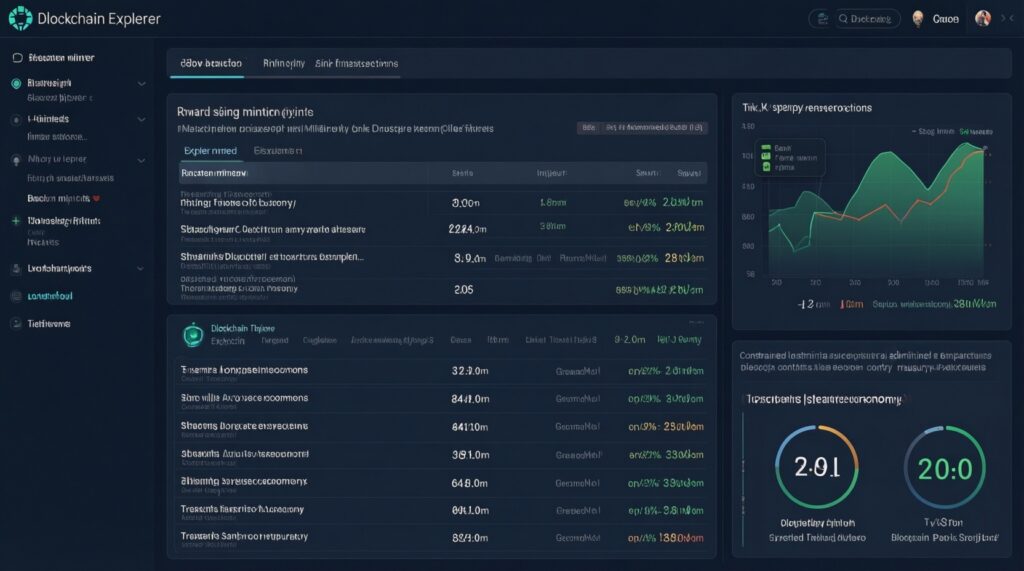
- Trace one full loop: pick a single reward event (quest, match, craft) and confirm the on-chain transaction that minted/transferred the reward.
- Confirm sinks: locate where tokens are burned/spent (upgrade, crafting, fees) and verify that these flows are real transactions, not UI-only counters.
- Check unlock pressure: read whether major allocations unlock soon; if you cannot verify a schedule, assume surprise supply risk.
- Test exit liquidity: simulate selling a small amount on the DEX and a small NFT sale on the marketplace; if the spread/slippage is ugly, reduce exposure.
Mini-case: diagnosing a reward token that "looks generous"
Suppose a game pays a fixed amount per daily quest. If many new accounts can farm quests (sybil/bot), emissions rise while sinks stay flat. Even without a hack, players experience declining token price and slower NFT resale. The fix is not "more marketing," but tightening identity/friction, scaling sinks with activity, and capping emissions per identity over time.
Compact self-checklist for developers and players
- Can you independently verify reward minting and sink transactions on-chain for one real gameplay loop?
- Does the economy have sinks that scale with activity (not just one-time fees) and resist bot amplification?
- Are admin privileges, upgrades, and treasury controls clearly constrained (timelocks, multisig, transparent roles)?
- Is there credible exit liquidity (DEX depth and marketplace buy-side), not only impressive volume metrics?
- Do vesting/unlocks and emission schedules match the game's retention cycle (seasons, expansions, content cadence)?
Common Practical Questions and Short Answers
Are Web3 crypto games the same as blockchain games?
In practice, yes: both use blockchain assets and/or settlement. "Web3" usually emphasizes wallets, tokens, NFTs, and composability beyond a single game client.
Do play to earn crypto games guarantee profit?
No. Rewards are exposed to token price, liquidity, and policy changes (emissions, nerfs, bans). Treat earnings as volatile and verify the economy before committing time or capital.
How do I judge web3 gaming tokenomics quickly?
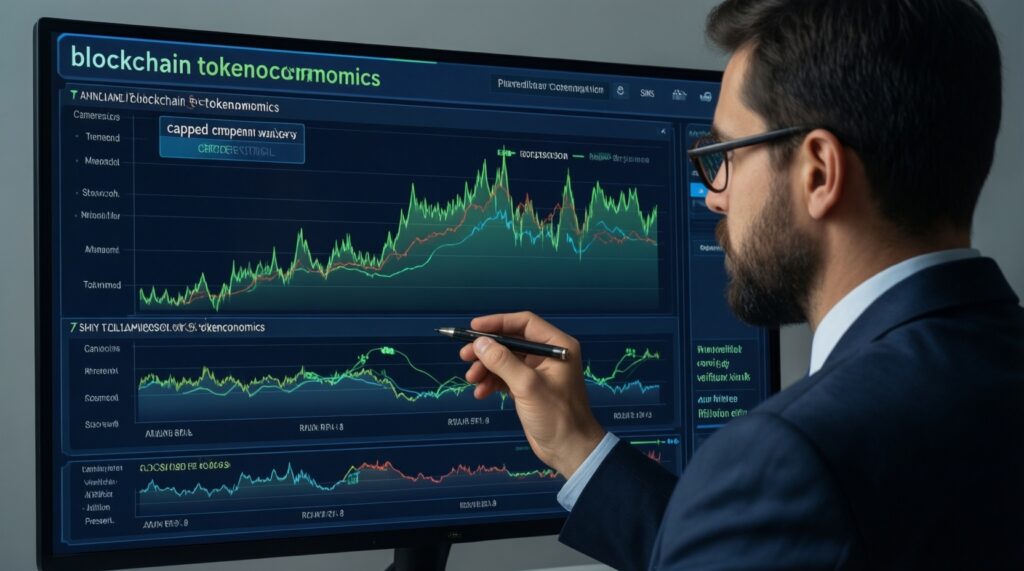
Look for where demand comes from, how emissions are capped, and whether sinks are strong and verifiable. If most users must sell rewards to pay back entry costs, inflation pressure usually wins.
What matters most in a crypto games nft marketplace?

Buy-side liquidity and realistic spreads matter more than listing count. Also check royalties/fees and whether wash trading incentives distort apparent volume.
What's a practical way to compare the best web3 crypto games?
Compare them across three dimensions: gameplay retention, transparent on-chain settlement, and reliable exit liquidity. A title that is strong in only one dimension can still be a bad risk-adjusted choice.
How to manage risk in play to earn games without overcomplicating it?
Limit exposure, verify one full on-chain reward-and-sink loop, and test small exits early. Avoid strategies that rely on constant new entrants to sustain payouts.